


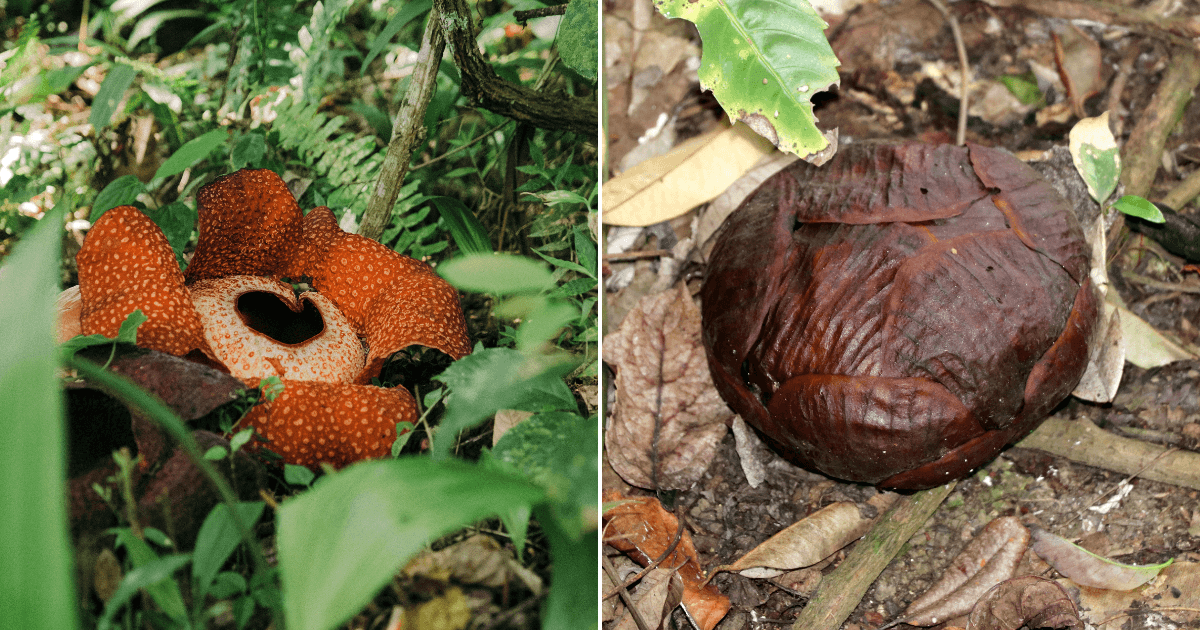
 Cover image via
Follow us on Instagram, TikTok, and WhatsApp for the latest stories and breaking news.
It's massive, it smells like rotting meat, and it only blooms for a few days
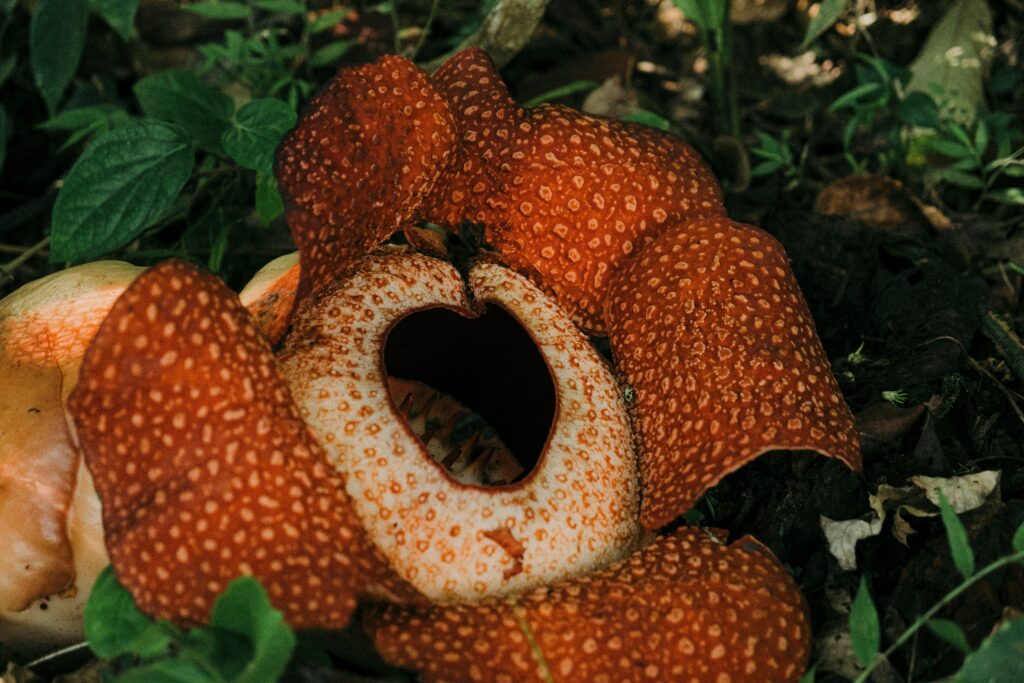
Yes, it's none other than Malaysia's famous Rafflesia, the largest and smelliest flower in the world
If you've ever tried to see one in bloom, you'll know it's easier said than done. These jungle giants are notoriously shy, and timing your hike just right takes more than luck.
The Rafflesia doesn't have a fixed season, but tends to bloom more during wetter months
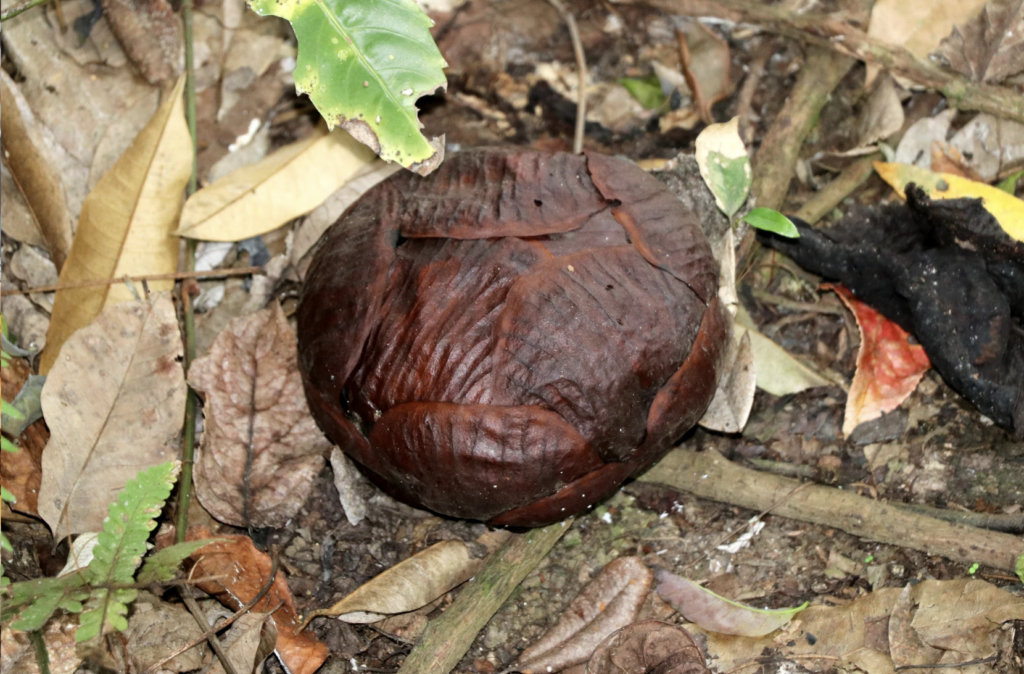
What Rafflesia flower buds look like.
Image via Christian Edelmann/Canva TeamsUnlike fruit trees or flowering plants with predictable cycles, Rafflesia species don't follow a strict seasonal calendar. However, your best chances are typically during the rainy or post-rainy seasons, when the jungle is lush and host vines are thriving.
In Peninsular Malaysia, this usually means:
- October to March: Peak blooming months in Perak, Pahang, and Kelantan
- Late December to early April: For sightings in highland or forest reserve areas
In Sabah and Sarawak, where multiple Rafflesia species grow, the bloom can occur year-round, but more frequently during the wet season (October–May).
Still, there's no guaranteed window. Each flower only blooms for four to seven days before rotting, so catching one will really depend on your luck.
Malaysia is home to several Rafflesia species, and each grows in very specific locations
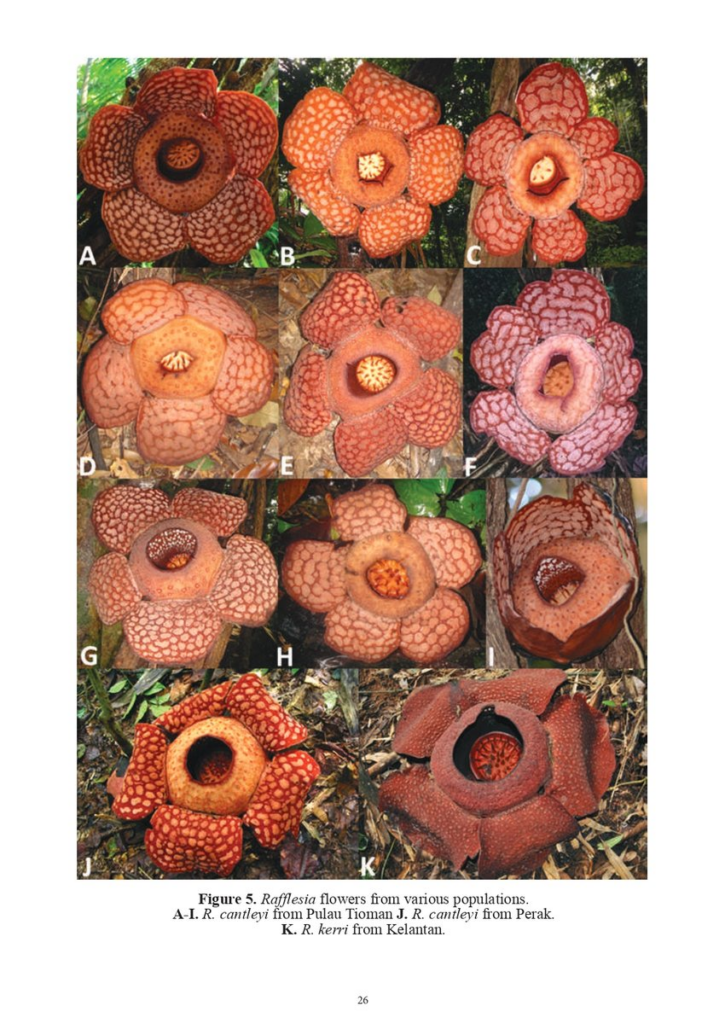
There are about 10 species of Rafflesia found across Southeast Asia, and at least five are native to Malaysia, including Rafflesia kerrii, R. azlanii, R. cantleyi, R. pricei, and R. tengku-adlinii.
Popular viewing spots include:
- Rafflesia Information Centre, Tambunan (Sabah): Known for R. pricei, with a boardwalk trail and local guides
- Royal Belum and Lojing Highlands (Perak and Kelantan): Home to R. azlanii and R. cantleyi
- Gopeng and Ulu Geroh (Perak): Orang Asli guides often know about upcoming blooms
- Gunung Gading National Park (Sarawak): One of the best maintained Rafflesia eco-tourism spots, with R. tuan-mudae
Pro tip: Always check with local guides or centres a few days before your trip. They often keep tabs on when flower buds are about to bloom.
Part of the reason it's so hard to see a Rafflesia bloom is that the plant is a parasite
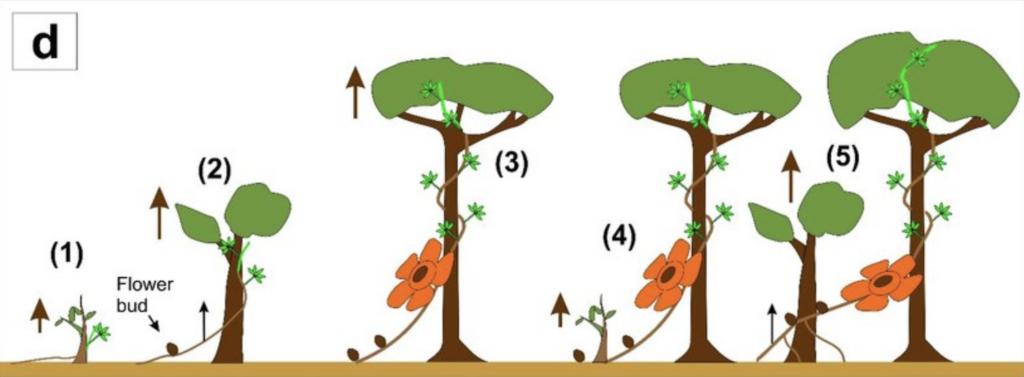
It has no leaves, roots, or stems; it's a parasitic blob that lives entirely inside a vine (Tetrastigma species, of the grape vine family), only emerging as a bud when it's ready to bloom. Even then, it takes 9 to 12 months for the bud to develop.
And just like that, it flowers for barely a week. Even botanists struggle to predict when one might bloom.
Your best bet to catch a Rafflesia in bloom is to stay in touch with local communities
In many areas like Gopeng or Tambunan, the Orang Asli or Dusun villagers act as unofficial flower trackers, letting visitors know when a bud is about to open.
Some parks even have bloom updates posted on Facebook pages or local WhatsApp groups. Don't expect fancy booking systems. This is old-school jungle word-of-mouth tourism.
Also, be prepared for a bit of hiking. Some blooms are just a short walk away, but others might require a one to two hour trek through muddy trails.
And if you're lucky enough to spot one, it's crucial to respect conservation rules. These flowers are extremely sensitive, and even small disturbances to the bud or host vine can cause it to die before flowering.
For more #travel stories:
- Klang Hop-On Hop-Off Bus To Launch Mid-August
- FRIM Becomes Selangor's First-Ever UNESCO World Heritage Site
- What To Do In KL: 10 Underrated Places To Explore For Local Art, Food & Culture
- Malaysia's All-Year Travel Calendar: Where To Go, What To Do, And The Best Time To Visit
- When Is Your Favourite Malaysian Fruit In Season? Save This Guide So You Always Know
