


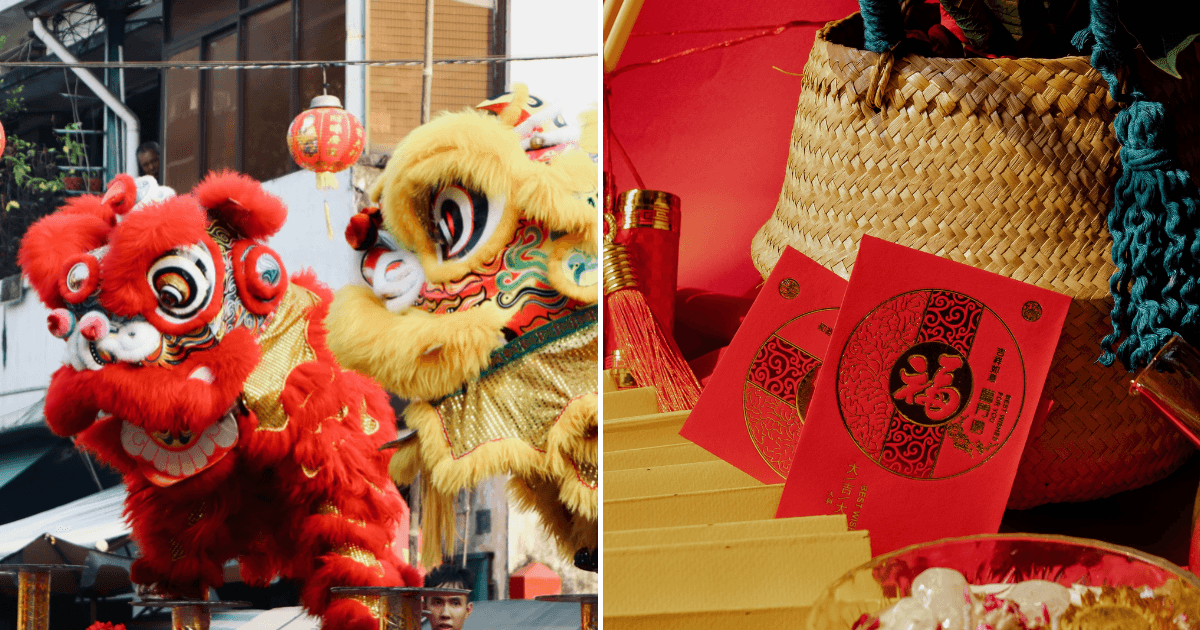
 Cover image via
Follow us on Instagram, TikTok, and WhatsApp for the latest stories and breaking news.
Here's a complete guide on what all the days mean, from day one to day 15:
First day: 初一 (chū yī)
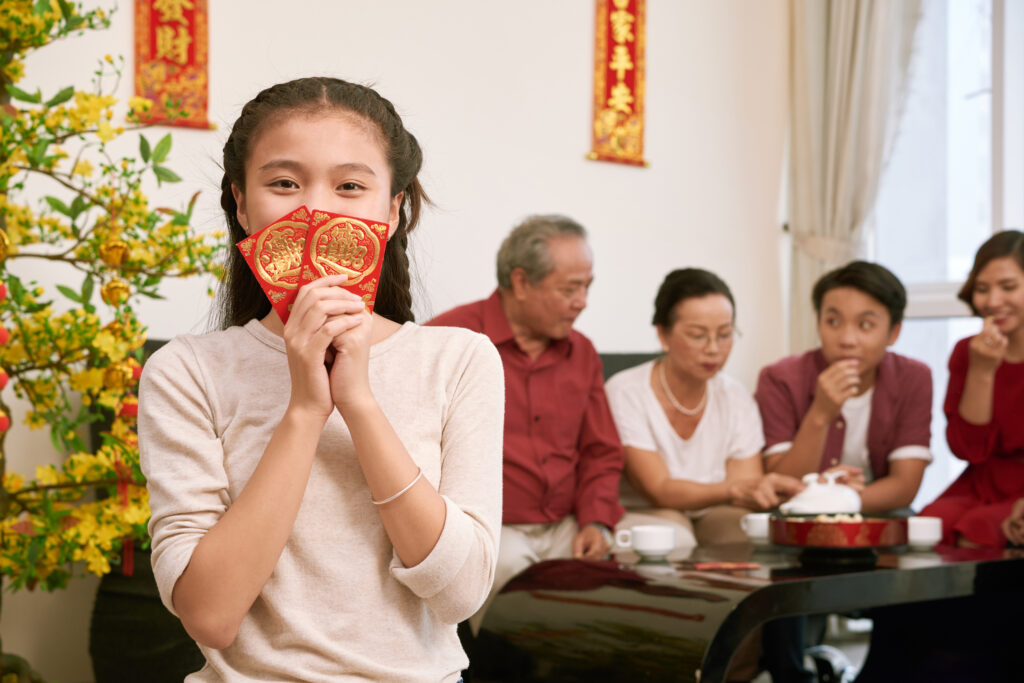
The first day of the Chinese New Year is all about fresh starts. Families wake early, greet deities and ancestors depending on tradition, and welcome the year with new clothes, open doors, and lots of enthusiastic greetings.
Children also become ang pow collectors during the first day, receiving money packets from their family members and relatives.
Many households will also avoid meat in the morning as a symbolic gesture of compassion, a custom still observed by some Buddhist families today.
Second day: 初二 (chū èr)
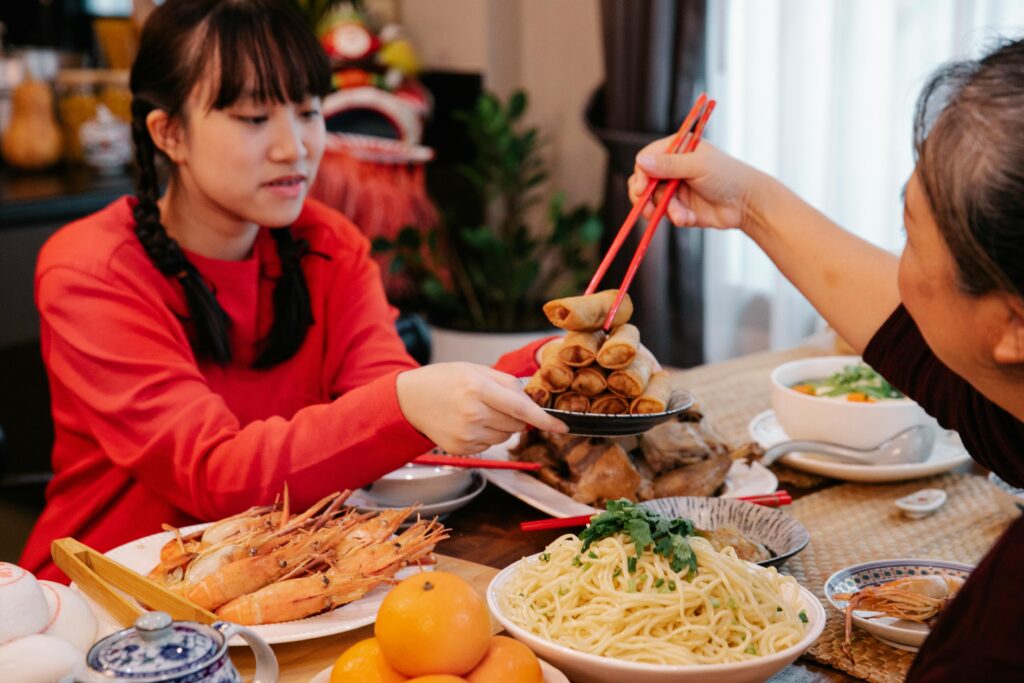
This day traditionally belongs to married daughters who return to their parents' home. In Malaysia, this means homes in KL, Penang, JB, Ipoh and smaller towns will see heavy traffic as families move between houses.
Many families will purposely prepare large dishes like steamed chicken, kuih spreads, and prosperity platters to welcome sons-in-law and grandchildren.
Third day: 初三 (chū sān)
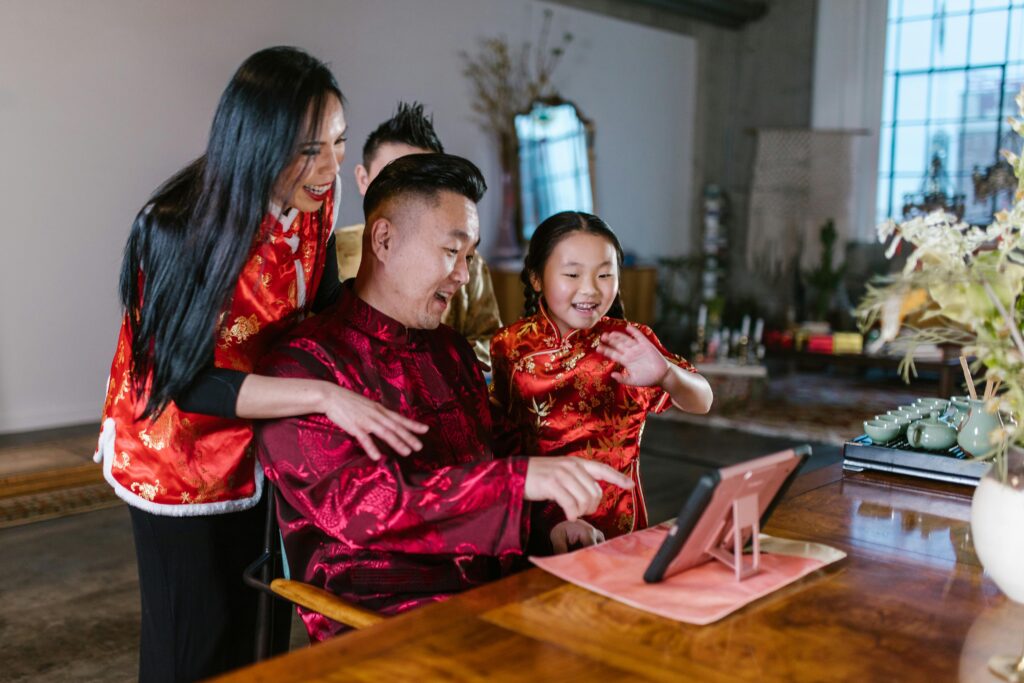
Day three is considered inauspicious for visiting. Many call it "Red Mouth Day" because tempers are believed to run hotter.
Many Malaysian Chinese will avoid long-distance visiting, large gatherings, or making major decisions today. Instead, it becomes a quiet day spent at home.
Some families will also burn paper offerings today to honour wandering spirits who may visit, another belief tied to traditional Taoist practice.
Fourth day: 初四 (chū sì)
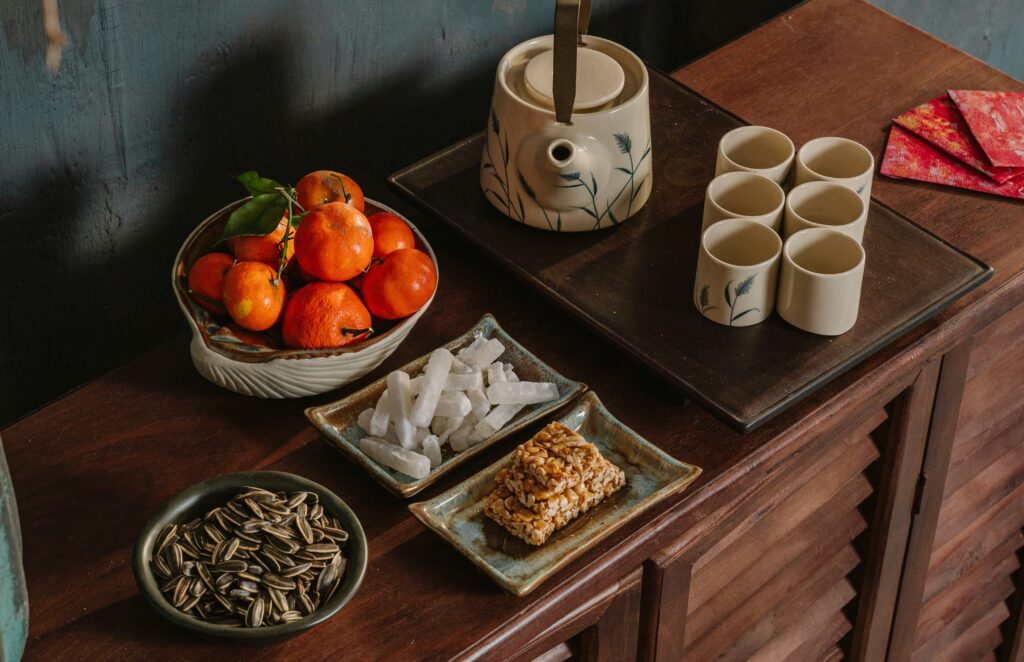
For many families, day four marks the return of the Kitchen God or other household deities who were believed to have travelled to heaven before the new year.
Those following this tradition will prepare offerings like fruits, sweets, or tea at their home altars, especially among Hokkien and Cantonese households.
In some Malaysian cities, you may also see temples begin to get busier again after the earlier rest days.
Fifth day: 初五 (chū wǔ)
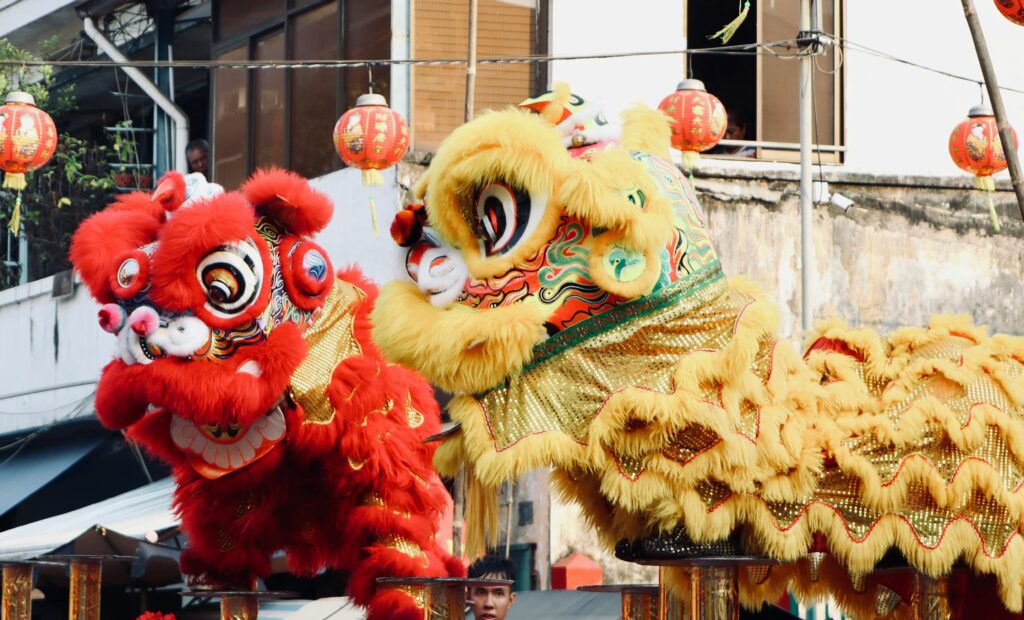
Day five is associated with welcoming the God of Wealth. Kopitiams, hardware stores, and other businesses may choose today to reopen, believing it brings prosperous energy for the year.
Firecrackers (where allowed) were traditionally lit today to "open the road" for good fortune, and some families will still perform wealth-inviting rituals with fruits or incense.
Sixth day: 初六 (chū liù)
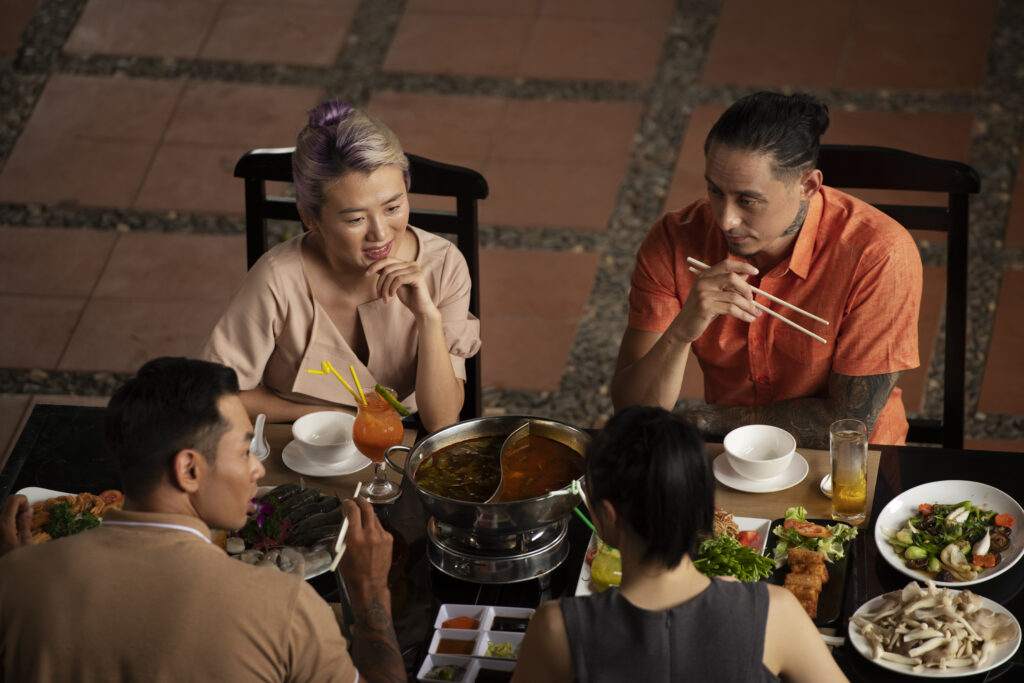
By day six, many CNY taboos will start lifting. Families will begin going out, eating at restaurants again, or returning home from their hometowns.
Older traditions say this is a good day to "send away poverty" by symbolically clearing old items. Some Malaysian families may take this time to do light cleaning, especially if they avoided major sweeping earlier in the festival.
Seventh day: 初七 (chū qī)
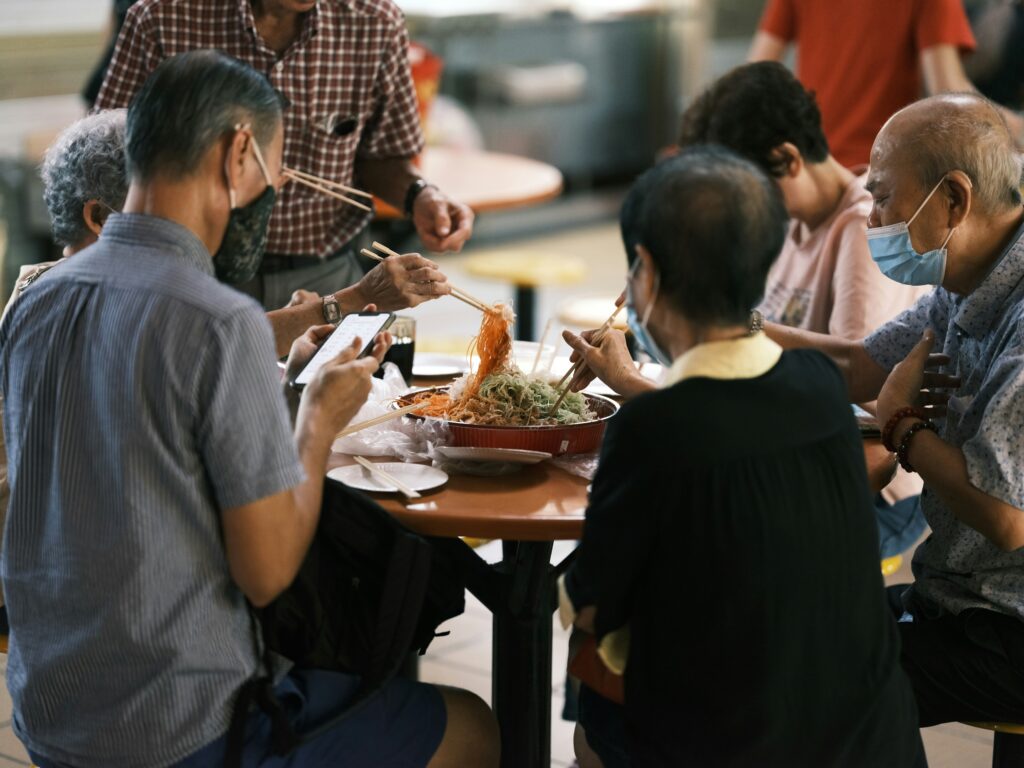
The seventh day is known as Renri (人日) and it's celebrated as the birthday of all human beings.
Many families eat longevity noodles, yee sang or a seven-vegetable dish to symbolise health and long life.
Eighth day: 初八 (chū bā)
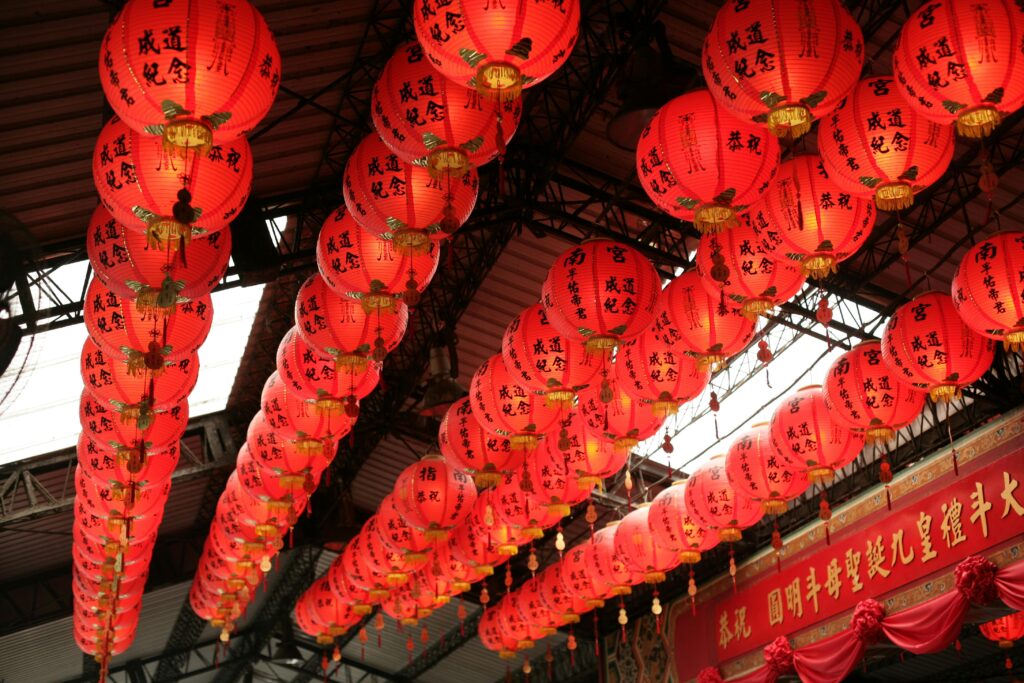
While many Malaysian Chinese treat day eight as a normal rest or light-visiting day, the mood shifts especially in Hokkien-majority areas like Penang, Butterworth, Johor, and parts of Perak.
Hokkien families will begin preparing for the Jade Emperor's birthday at midnight on the next day. Preparations may include setting up altars outdoors, tying sugarcane stalks, and giving offerings.
Ninth day 初九 (chū jiǔ)
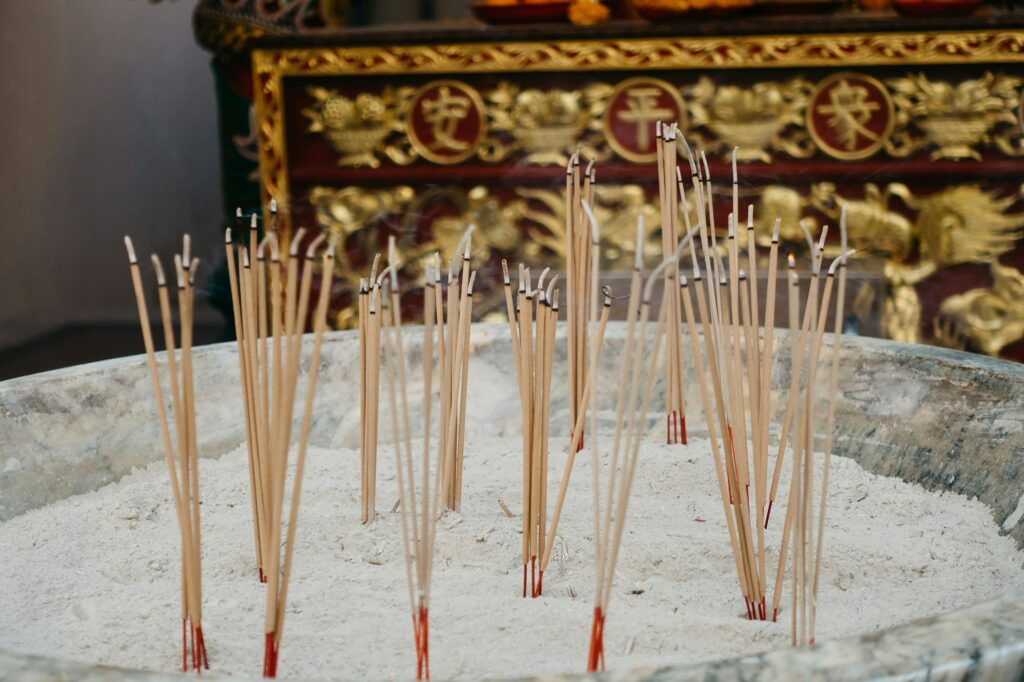
This is Ti Kong Seh, the Jade Emperor's birthday. It's one of the most important spiritual celebrations for Hokkien communities in Malaysia.
According to Hokkien folklore, ancestors once hid in sugarcane fields to escape danger, and believed the Jade Emperor saved them. The sugarcane symbol became sacred from then on.
Tenth day: 初十 (chū shí)
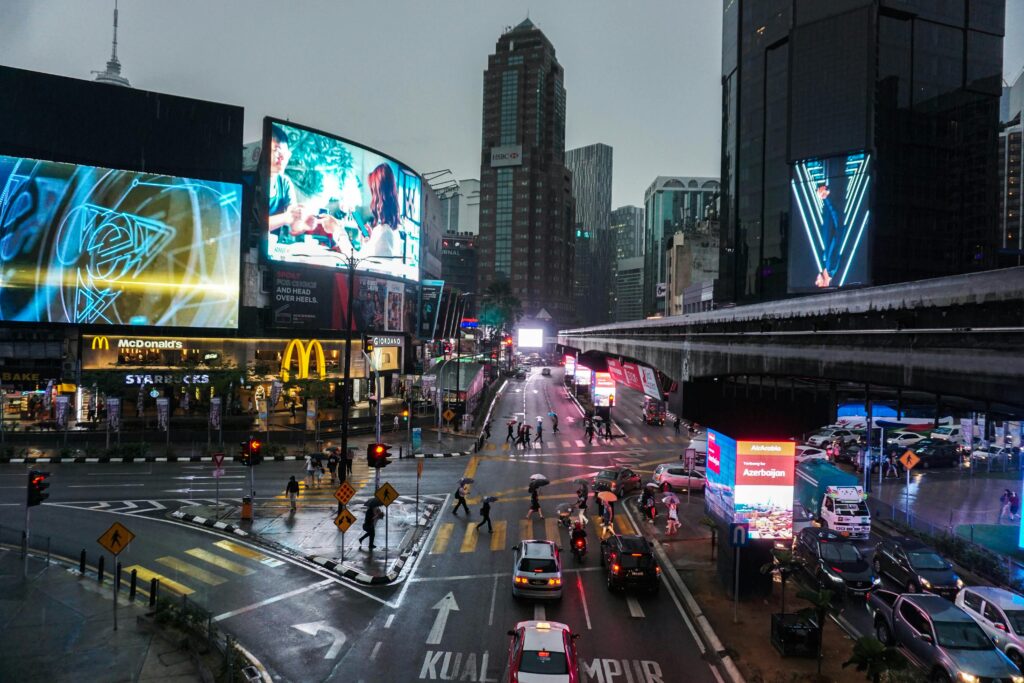
Day 10 often marks a gentle return to daily life like errands, work tasks, and regular routines.
In some traditions, day 10 is also considered another symbolic "birthday of the Jade Emperor's entourage", so some households may continue light temple visits.
Eleventh day: 初十一 (chū shí yī)
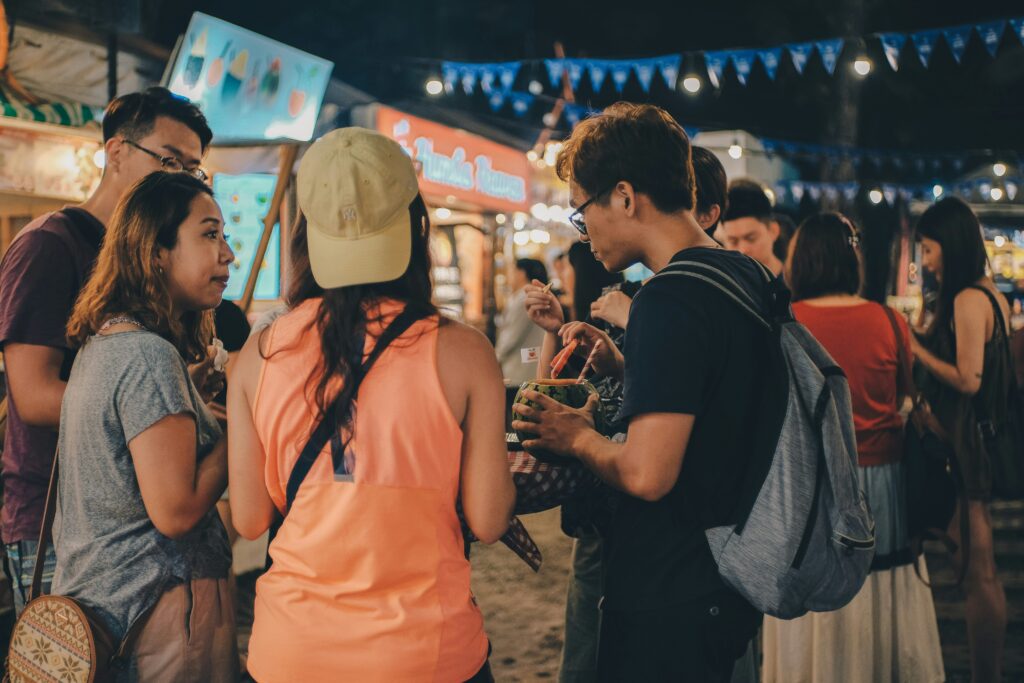
Traditional beliefs say the eleventh day is a good day to host in-laws or close family friends.
In Malaysia, this becomes a casual visiting day. People may host small dinners, steamboats, or even hangout with a few friends.
Twelfth day: 初十二 (chū shí èr)
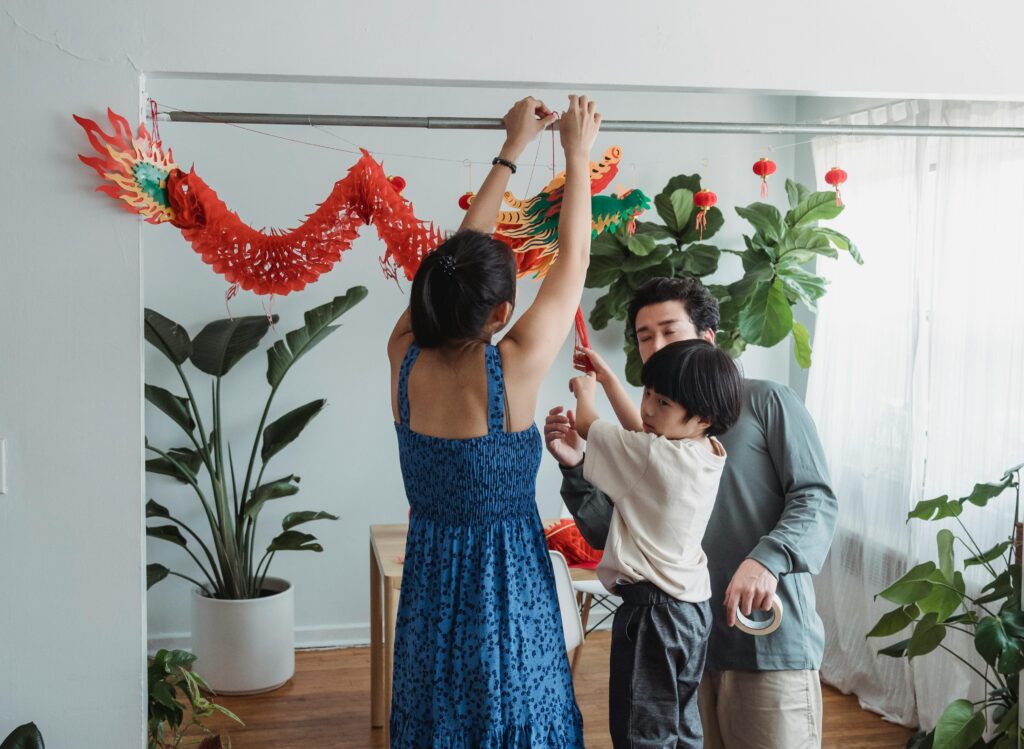
Traditionally, days 12 and onwards are dedicated to preparing for the final celebration of the season, the Lantern Festival.
In Malaysia, this period usually sees families buying ingredients to make tangyuan, planning their Chap Goh Meh outings, and getting lanterns ready for the kids. Some will also use this time to visit temples before the festivities wrap up.
Thirteenth day: 初十三 (chū shí sān)
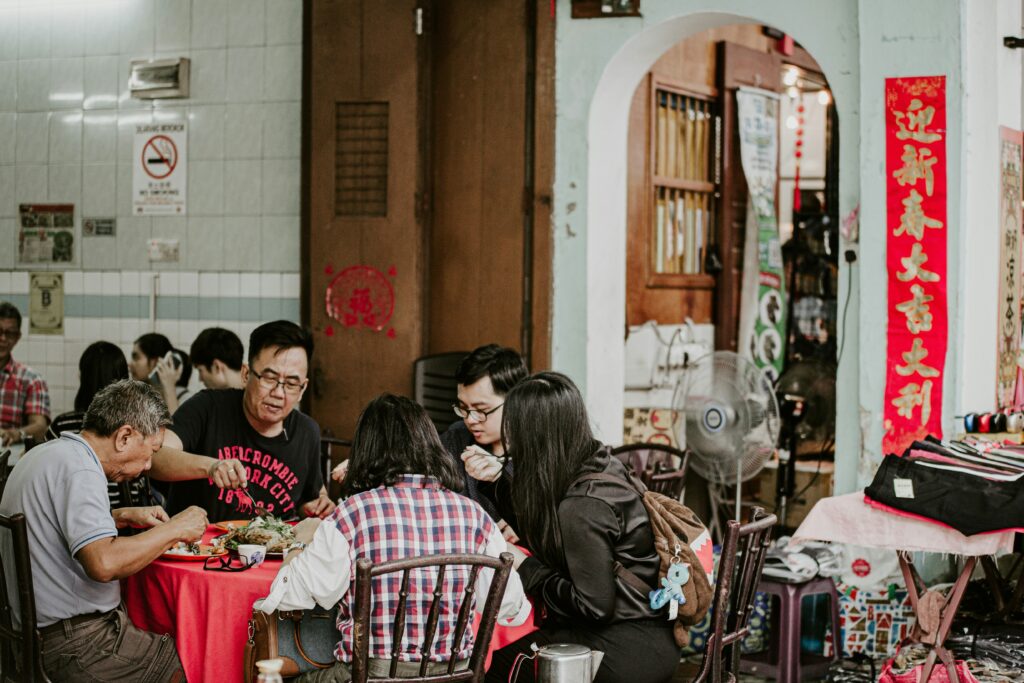
Day 13 is commonly treated as a lighter, more balanced day after nearly two weeks of feasting and visiting.
Many households opt for simpler meals like porridge, vegetables, or easy home-cooked dishes, giving everyone a small break before Chap Goh Meh arrives.
Some families treat it as a quiet night at home, while certain traditions view this day as a good time to "cleanse the body" through lighter eating.
Fourteenth day: 初十四 (chū shí sì)
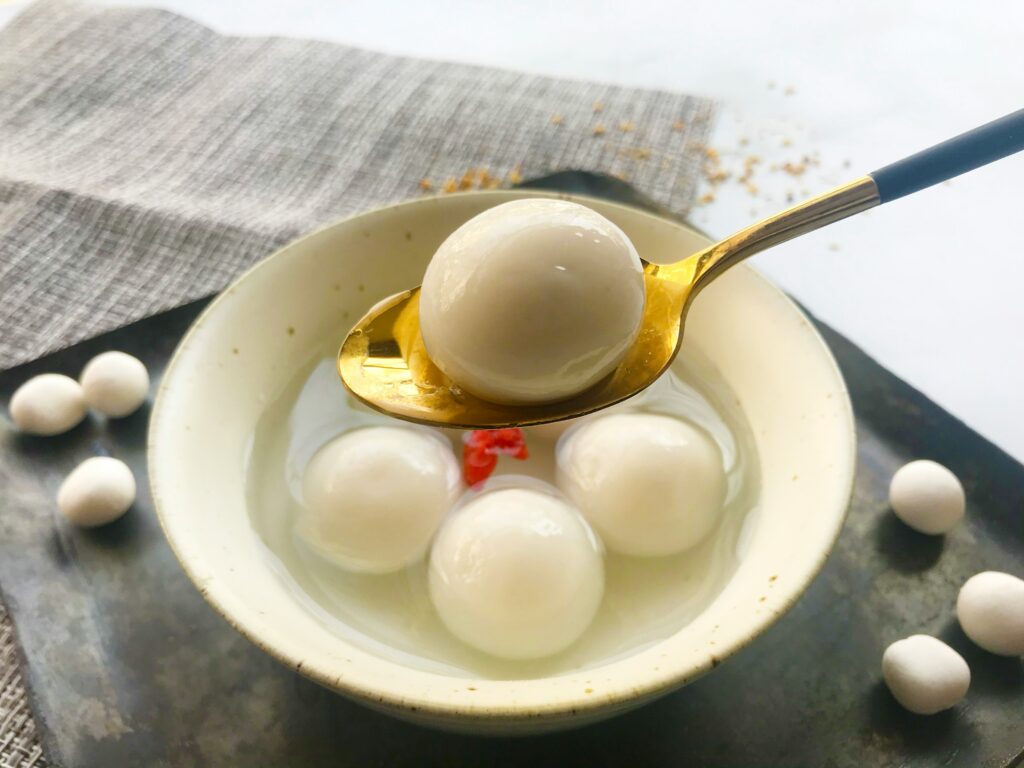
Since it's the eve of Chap Goh Meh, families may spend the day buying lanterns or candles, getting tangyuan ingredients ready, and sorting out plans for the next day's celebrations.
Light decorations may go up as households transition into the final stretch of Chinese New Year. In Penang, some families also prepare for the annual lantern displays at Kek Lok Si, which draw thousands of visitors every year.
Fifteenth day: 初十五 (chū shí wǔ)
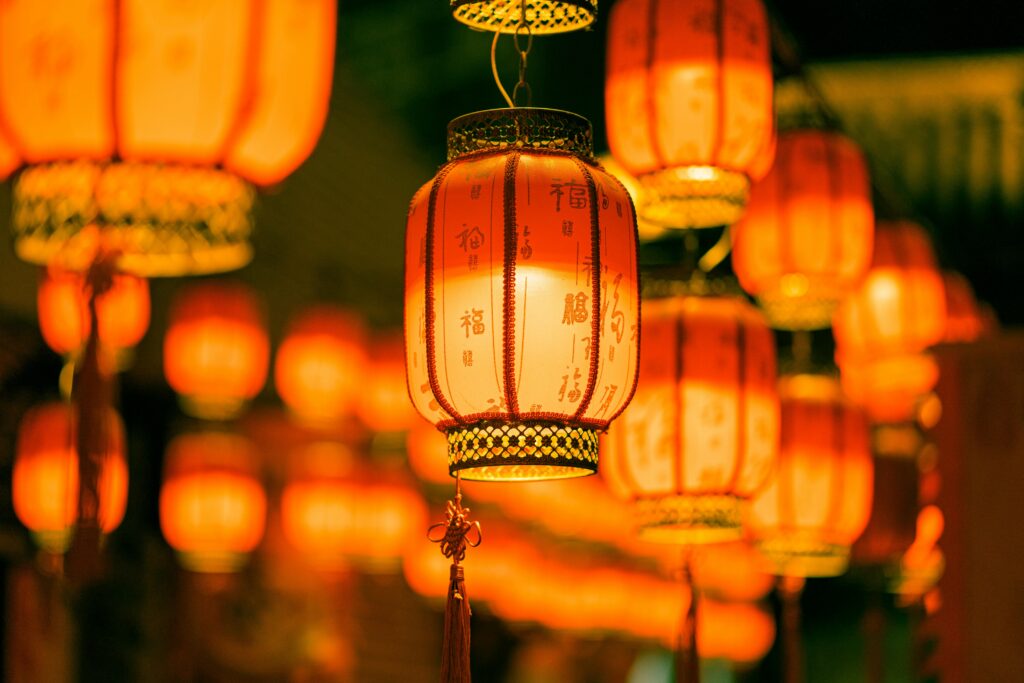
The 15th day marks Chap Goh Meh, which also coincides with the Lantern Festival, bringing the Chinese New Year celebrations to a close.
Across Malaysia, families gather to eat tangyuan as a symbol of unity, while many visit temples or attend lantern events and cultural performances.
In places like Penang and the Klang Valley, the famous orange-tossing tradition continues, where singles throw mandarin oranges into rivers in hopes of finding love or attracting good romantic luck.
Communities end the night with wishes for harmony, happiness, and prosperity for the year ahead.
For more Chinese New Year stories:
- 8 Chinese New Year Snacks & Their Meanings If You've Ever Wondered Why You're Eating Them
- Malaysians Share Their Favourite CNY Outfits & Why They Like Them
- Wanna Eat Healthier During CNY This Year? These 5 Easy Tips Can Help
- 7 Ways To Spruce Up Your Home For A Memorable & Fun CNY
- Here Are The Meanings Behind 5 Popular Chinese New Year Dishes That You Eat Every Year
