


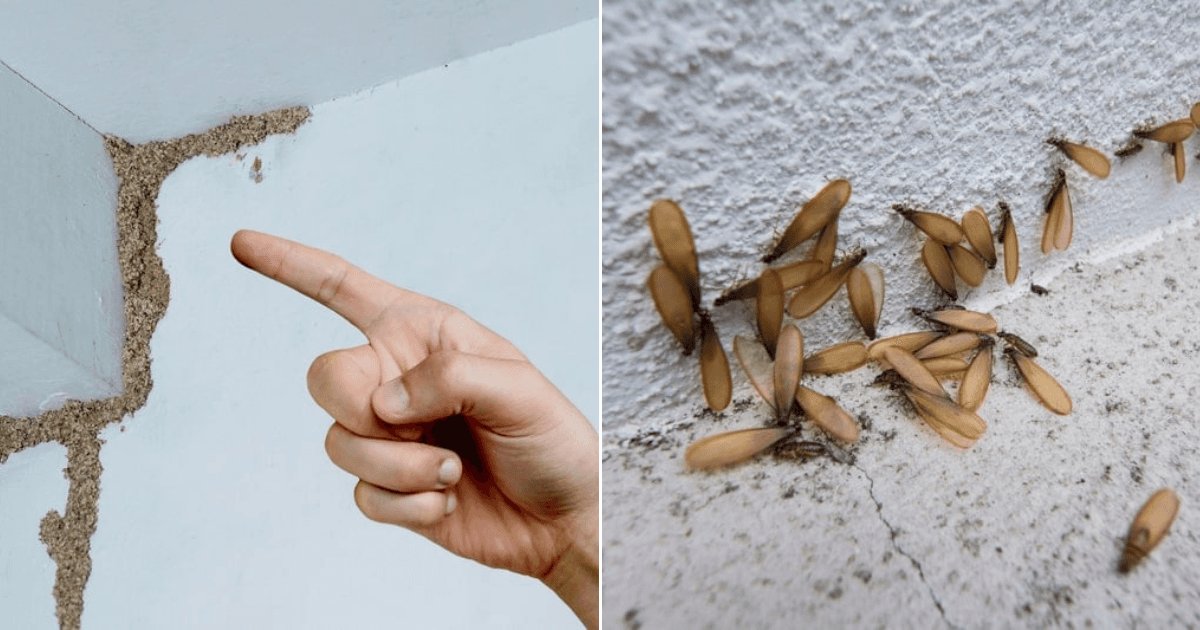
 Cover image via Terminix
Follow us on Instagram, TikTok, and WhatsApp for the latest stories and breaking news.
Termite issues in Malaysian homes often start quietly before any visible damage appears
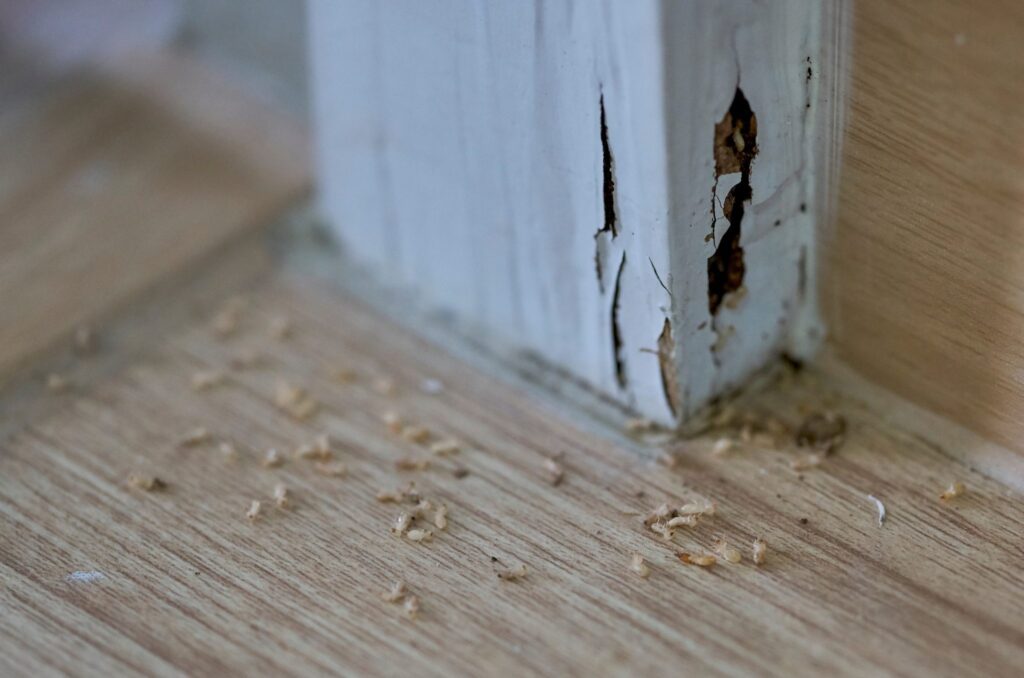
Termites can remain hidden inside Malaysian homes for months, slowly damaging wood and structures before homeowners notice visible signs.
Because termites usually eat wood from the inside out, the early stages of an infestation are easy to miss. Many warning signs, such as peeling paint or weakened furniture, are often mistaken for humidity, ageing materials, or normal wear and tear.
In humid areas like Kuala Lumpur, Selangor, Penang, and Johor Bahru, termite activity is especially common due to warm temperatures and moisture-heavy conditions that allow colonies to thrive year-round.
Recognising the early signs can help homeowners act before repairs become significantly more expensive.
One of the most common early signs of termites in Malaysian homes is hollow-sounding wood
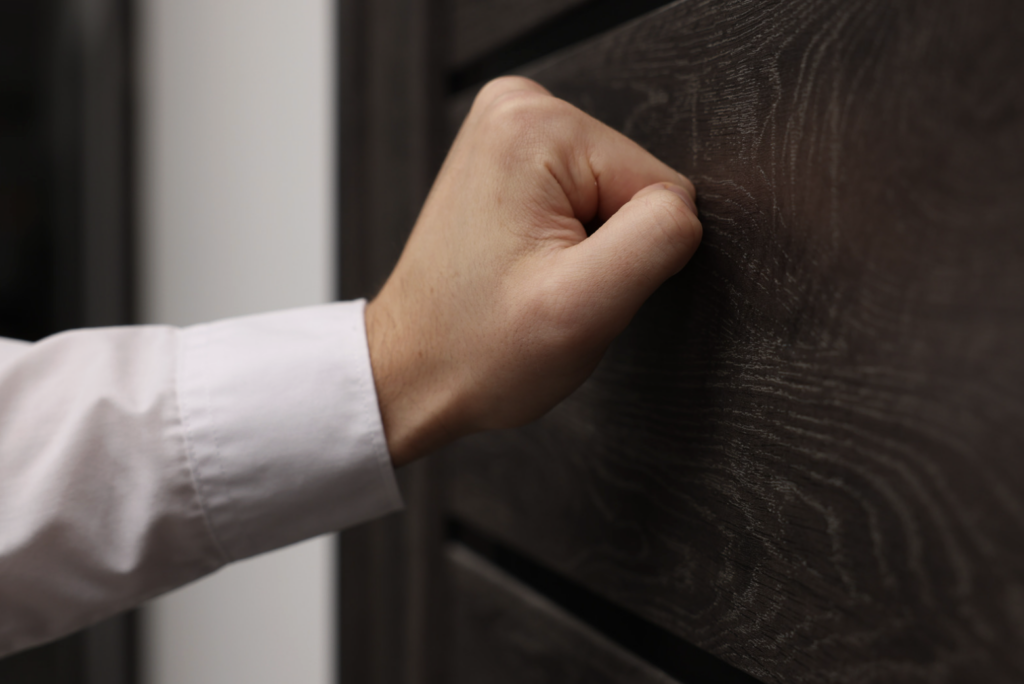
When you tap doors, cabinets, skirting boards, or furniture, a hollow or papery sound may indicate internal damage. Another sign is wood that feels unusually weak or breaks more easily than expected under normal use.
A simple way to inspect suspicious areas is by pressing lightly against the surface using a screwdriver handle or similar object. If the wood feels soft, fragile, or collapses under light pressure, it may indicate internal termite damage.
Areas that are constantly exposed to moisture, such as kitchens, bathrooms, storerooms, and wooden fixtures near windows, should be checked more regularly.
Doors that suddenly become difficult to close, uneven flooring, loose tiles, or wooden fixtures that feel less stable should not be ignored
While humidity can cause minor expansion in wooden materials, multiple affected areas appearing around the same time may suggest something more serious.
This is especially important in older landed homes, renovated properties with extensive woodwork, or houses that have experienced previous water damage.
If you come across mud tubes and bubbling paint at home, these are visible warning signs of termite activity
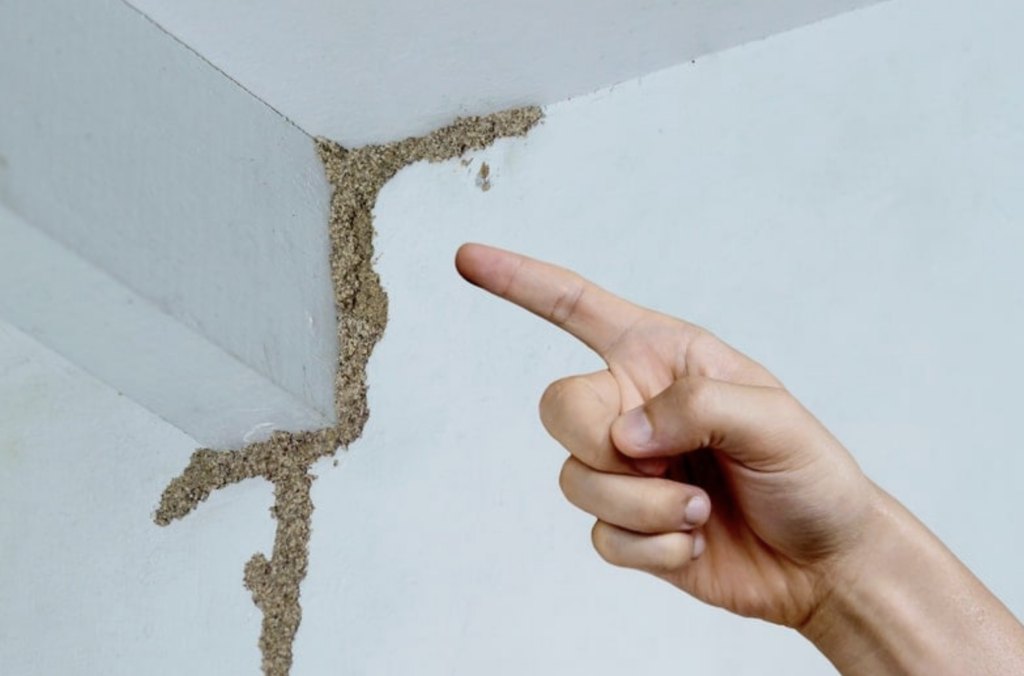
Mud tubes usually appear as thin, brown, soil-like lines along walls, corners, floor edges, or structural foundations. These tunnels protect termites while they travel between their colony and food sources.
If a section is removed and later rebuilt, it generally indicates that the infestation is still active.
Paint issues can also reveal hidden termite activity. When termites tunnel beneath surfaces, they create hollow pockets that cause paint to bubble, peel, or lift even without water leakage.
Pressing gently against affected areas can help identify potential damage. If the surface feels hollow or soft underneath, further inspection may be necessary.
Discarded termite wings may indicate a colony is forming nearby
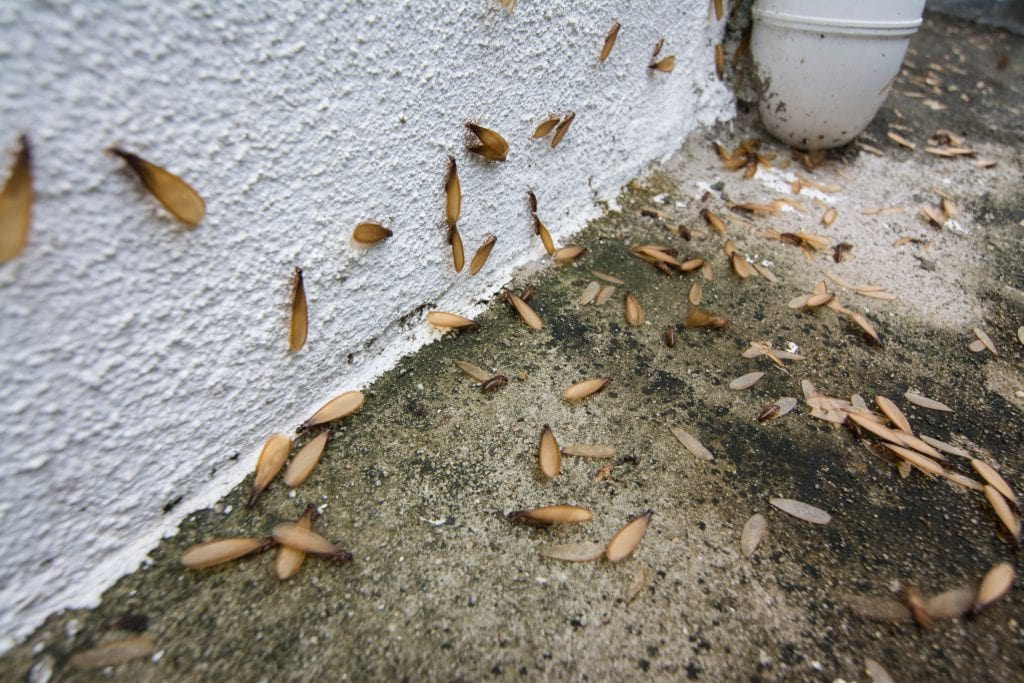
Flying termites, also known as alates, are commonly seen in Malaysia after rainfall or during humid evenings.
After finding a place to settle, they shed their wings. These small translucent wings are often found near windows, door frames, balconies, or indoor light sources.
Occasional sightings may not always indicate an infestation, but repeated discoveries indoors could suggest that termites are nesting nearby or inside the property.
Termite infestations in Malaysia typically develop over time, not overnight
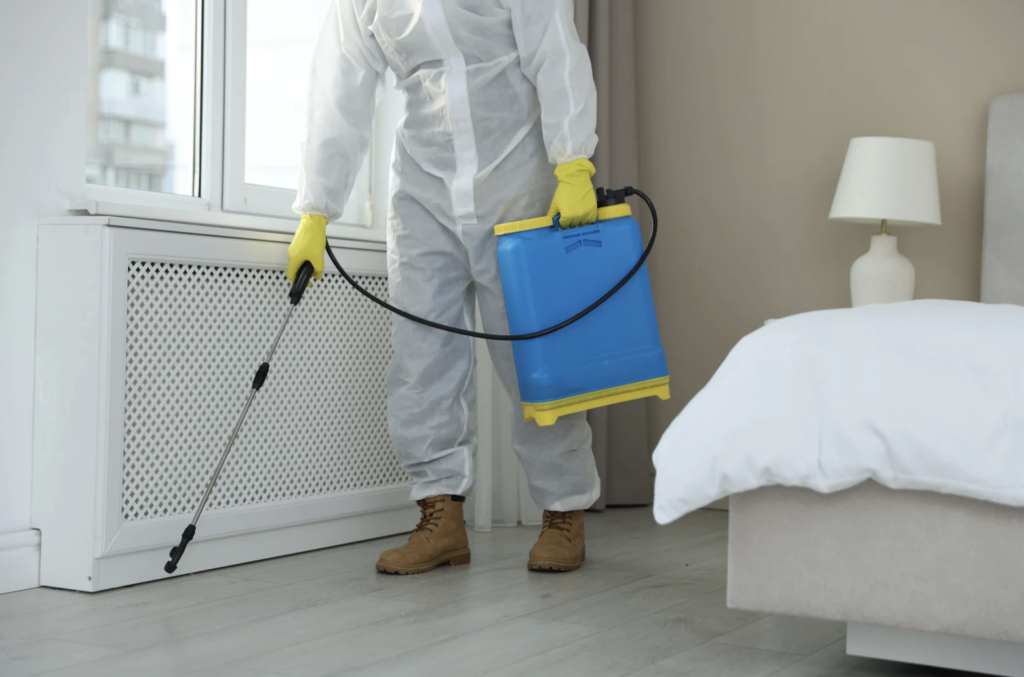
If you suspect termite activity, early action is important. Here are a few recommended next steps if you suspect a termite problem:
- Inspect wooden areas around the house, especially door frames, cabinets, skirting boards, storage areas, and built-in furniture
- Look for repeated signs such as hollow wood, mud tubes, bubbling paint, or discarded wings appearing in multiple locations
- Check areas exposed to moisture, including bathrooms, kitchens, leaking pipes, and outdoor walls near drains or gardens
- Avoid disturbing large sections of damaged wood, as this may spread hidden termite activity further inside the structure
- Take clear photos of suspicious areas to monitor whether the damage worsens over time
- Contact a licensed pest control specialist for a professional termite inspection if signs continue appearing or structural damage is suspected
ㅤ
Because termites are often hidden behind walls, flooring, or built-in fixtures, professional inspection is usually the safest way to determine the extent of the infestation before structural damage worsens.
