


 Cover image via
 Follow us on Instagram, TikTok, and WhatsApp for the latest stories and breaking news.
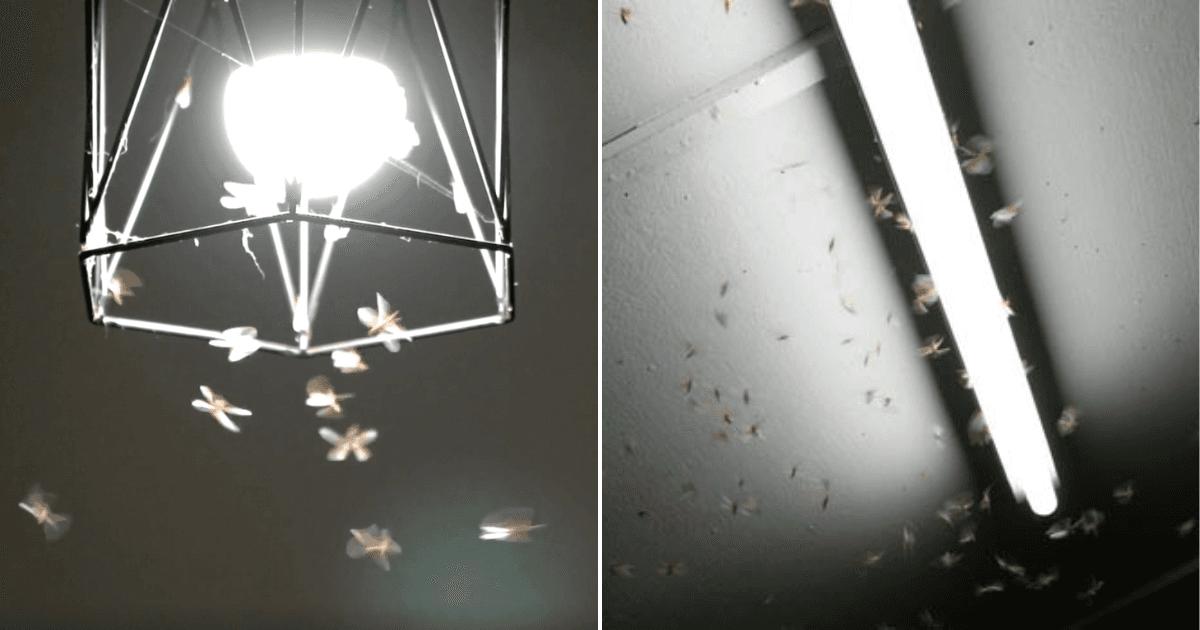
If you've ever switched on your porch or balcony light after a rainy evening only to see a sudden invasion of fluttering insects, you're not alone
In Malaysia, these flying termites, commonly known as anai-anai, kumbang anai-anai, or kala anai-anai, are a regular nuisance, especially during humid nights.
While they might seem harmless, they can become a problem if not dealt with.
Flying termites, or alates, are adult termites that leave their colonies to mate and start new ones
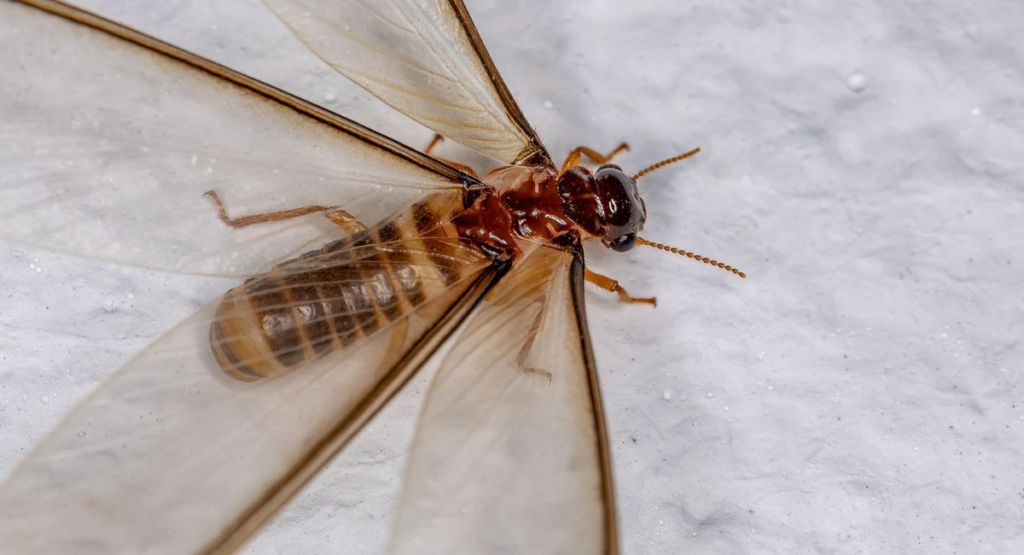
This usually happens after rain, when the air is humid and perfect for their wings to carry them around. They're naturally attracted to light sources, which is why your porch light, kitchen lamp, or even TV screen becomes an instant hotspot.
You'll often see them:
- Swarming around street lights in housing areas
- Collecting near your windows or doorways
- Clogging up your ceiling lights or bathroom bulbs
- Shedding their wings all over the floor by morning
A swarm of flying termites doesn't necessarily mean your home is infested, but it's a red flag that there's a colony nearby — or worse, inside your walls.
Remember, all it takes is one pair of flying termites to begin an infestation
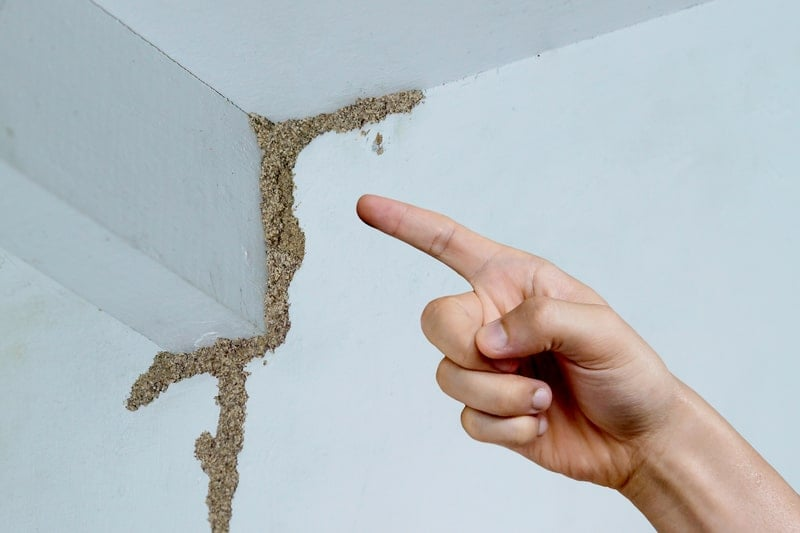
Image via Terminix
Flying termites have one job: to mate and start a new colony. After swarming, they only have a short window to find a mate and a suitable place to burrow. If they fail, which happens a lot, they die pretty quickly, often within 24 hours. That's why you often see them wriggling on the ground or stuck on your walls the next morning, wingless and nearly dead.
However, if even just one pair (male and female) survives and finds the right conditions — damp wood, darkness, and no disturbance — they can begin forming a nest inside your home.
So yes, if you don't clear them out or let them linger, you're potentially giving them the opportunity to settle in.
One of the easiest ways to prevent a flying termite swarm is to simply reduce your home's light exposure at night

Flying termites are phototactic, meaning they're drawn to light, especially the white and blue-toned kind.
To reduce swarms from visiting your home, switch off porch and balcony lights if you don't need them. Replacing regular bulbs with warm yellow lights may help to a certain degree too. This small adjustment can make a big difference, especially during termite mating seasons (usually around October to March in Malaysia).
The next step is to seal gaps and entry points, especially around windows and door frames. Flying termites are tiny, and they don't need much space to slip into your home. Prevention is key. Once they're inside, it's much harder to control.
In the unfortunate event that flying termites have made their way into your home, a simple DIY light trap may do the trick
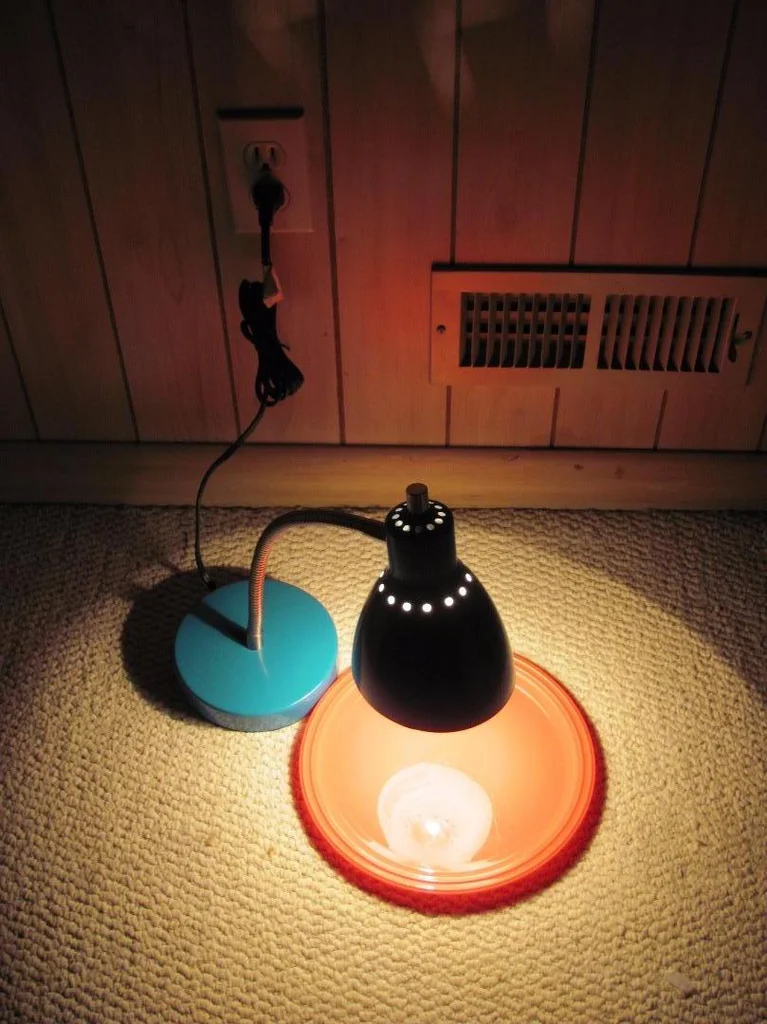
Flying termites are so obsessed with light that they'll willingly dive into a trap if it's lit up. All you need is a shallow basin or container of water mixed with a bit of dish soap.
How to set it up:
- Place a bright desk lamp or torchlight pointing downwards into the water
- Add a few drops of dishwashing liquid to break the surface tension
- Leave it out overnight in a dark room or porch
The termites will fly toward the light, hit the water, and sink instead of flying all over your home. Just ensure that all other light sources around are turned off, so they'll fly towards the trap.
It's important to clear termite wings fast, or you may attract ants and more pests
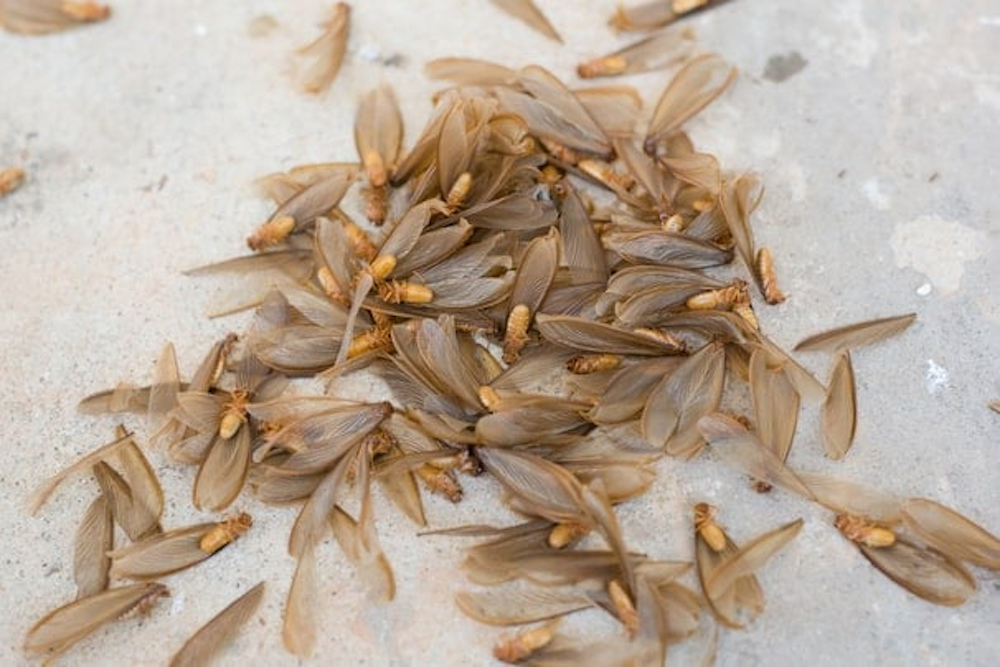
After a termite swarm, you'll notice hundreds of delicate wings scattered around your floor, windowsills, and furniture. This mess isn't just gross, it also attracts ants, spiders, and cockroaches.
Sweep or vacuum the wings up immediately. Wipe down surfaces with disinfectant to remove the scent trails that might attract other bugs. It's a quick but important step in breaking the food chain of your uninvited night-time visitors.
Need tips for other pests at home? Read these stories:
- "Be Careful Of Fuzzy Caterpillars" — M'sian Warns How Its Tiny Hairs Can Cause Nasty Rash
- Why Do Mosquito Bites Itch? Here Is The Science Behind It
- Can You Tell Cicak, Cockroach & Rat Poop Apart? Here's How To Rid Your Home Of These Pests
- Malaysian Shares Simple Trick To Catch Cockroaches In Cars Using 4 Household Items
- Be Careful Of These Flying Black & Red 'Ants' In Hot Weather. They're Poisonous
- Malaysian Dad Shares Easy Hack To Kill All The Cockroaches Lurking In Your Car
- Why Cockroaches Are Attracted To Your Home Even When It's Relatively Clean
