


 Cover image via
Follow us on Instagram, TikTok, and WhatsApp for the latest stories and breaking news.
Picture this: you get home after a long day of work and look forward to a nice shower to freshen up. But, when you turn the valve on, your shower seems to be flowing slower than usual.
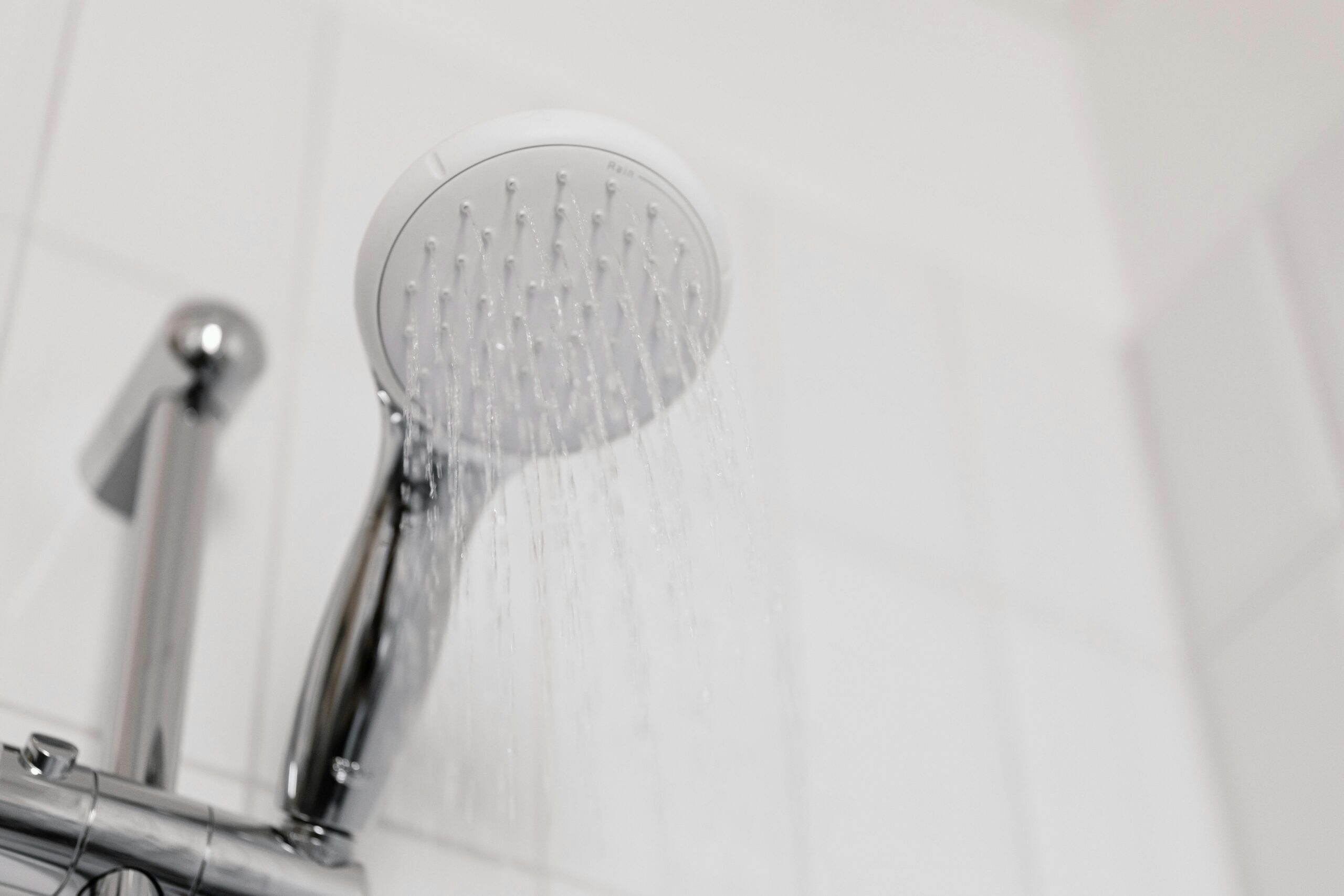
Well, low water pressure has always been a common issue in Malaysian households.
The good news is that most cases come down to a few common causes like supply issues, clogs, or ageing infrastructure. These are all fairly simple fixes and can usually be done by yourself.
Start off by figuring out if the problem is only present in your home or other homes in the neighbourhood
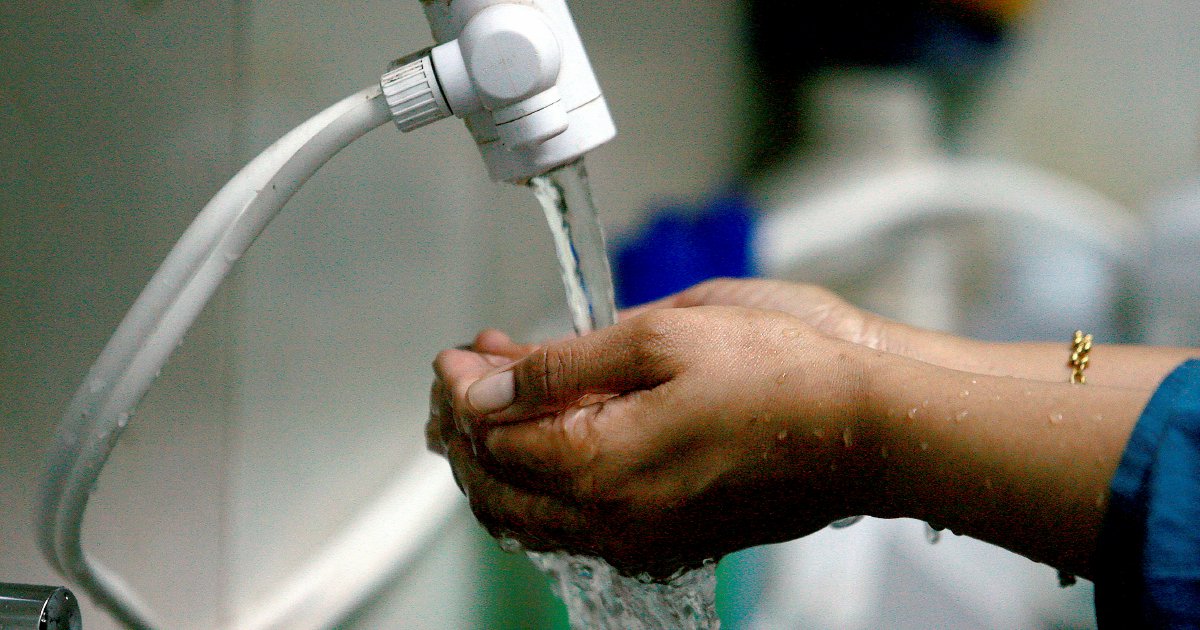
You can begin by checking all the water taps in your house to determine whether it's your whole property being affected or just one singular tap.
If it is the whole house, check with your neighbours or your condo WhatsApp group. Area-wide low pressure is common in places like Selangor, especially during maintenance periods or unexpected pipe bursts.
Water providers such as Air Selangor often carry out scheduled works that can also temporarily affect supply.
If the issue is isolated to one individual tap, chances are it's a clog within your pipeline
Mineral buildup can accumulate in your showerhead or tap aerator over time, restricting flow. Just unscrew it, soak it in vinegar for a few hours, and scrub off any residue. It's one of the easiest DIY fixes and can restore water pressure almost instantly.
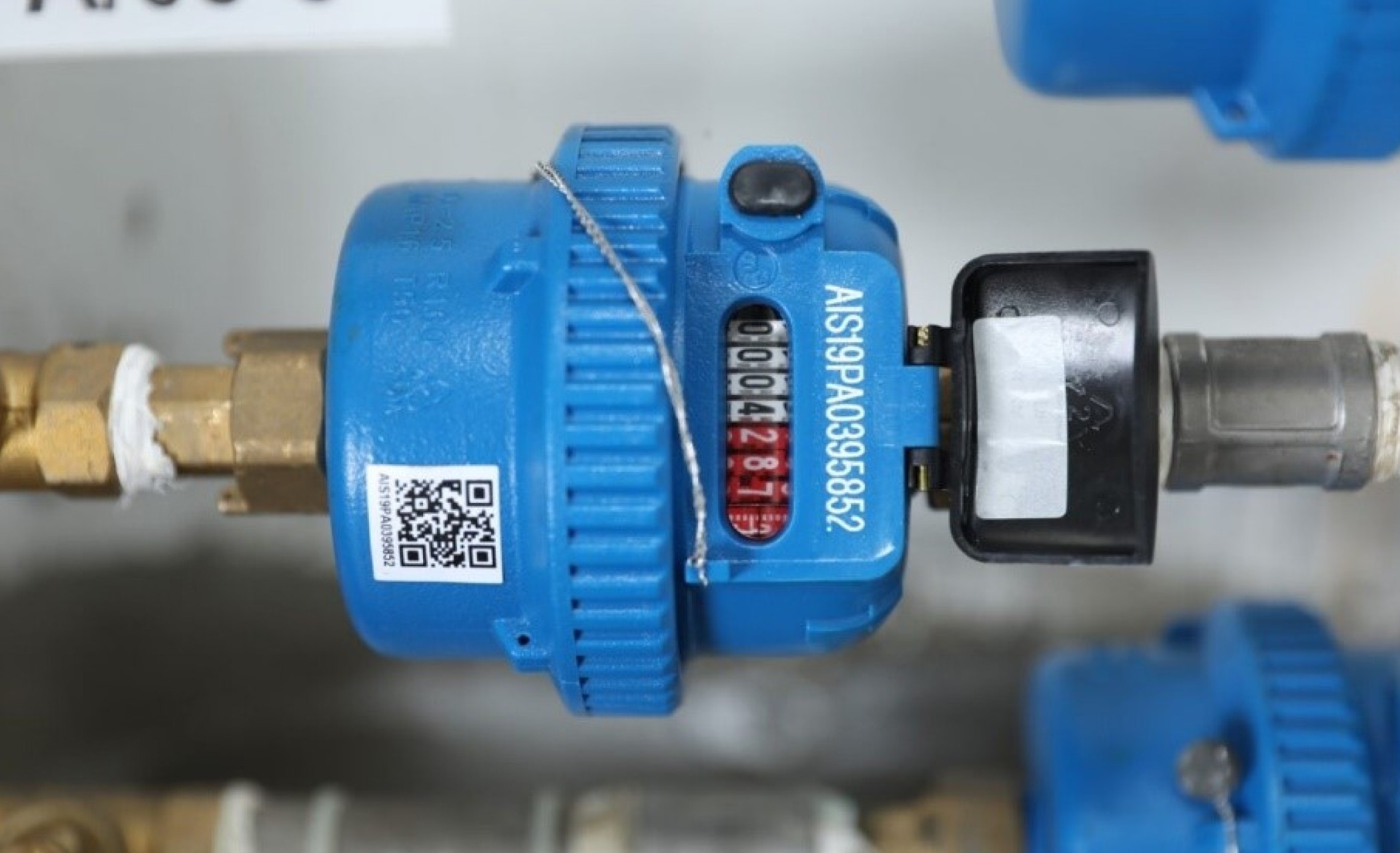
Also, double-check your main shut-off valve near the water meter, along with any internal valves. If they're not fully open, your entire house can experience reduced pressure without any obvious signs.
Sometimes, you or someone at home might have accidentally adjusted the main water tap, especially after cleaning or minor plumbing work. Even a slight turn can reduce pressure noticeably, so make sure it's fully open before assuming something more serious is wrong.
If the issue persists, you can call a plumber to come look for any clogs that are harder to find.
The plumbing system itself can also be the issue if you're living in a condo or older home
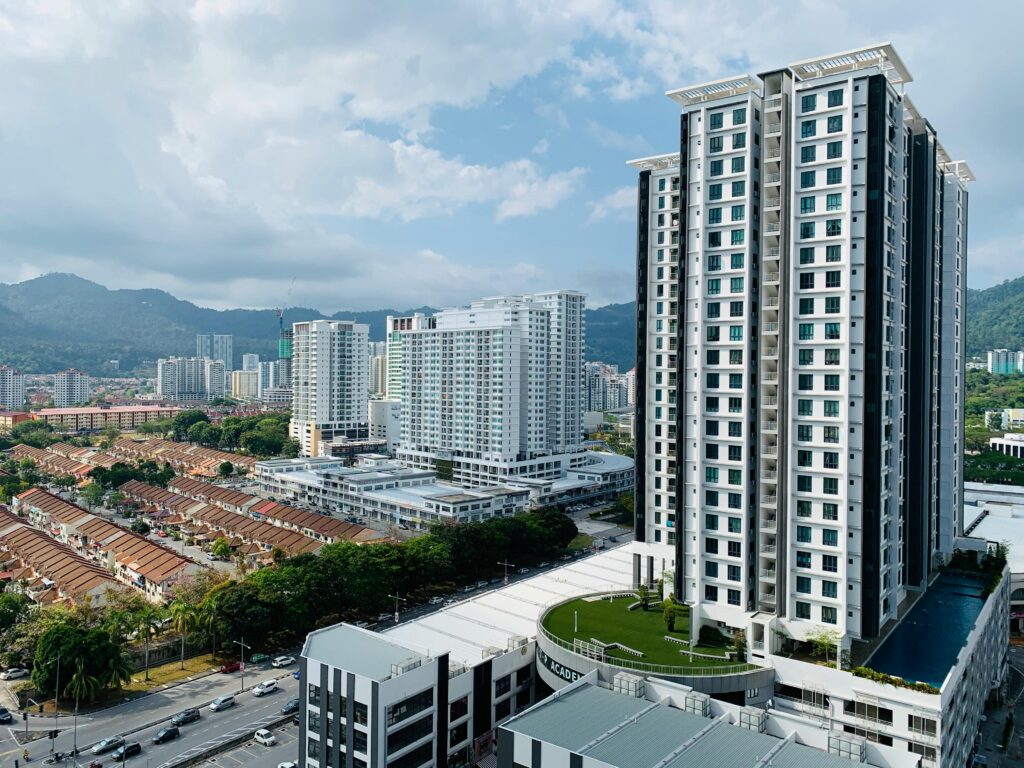
Many condos in Malaysia have water stored in rooftop tanks before being distributed to each individual unit. If the water level drops or if the pump isn't functioning properly, your water pressure will decrease significantly.
This isn't something you can fix yourself, so it's best to report it to your condo's management for inspection.
For older landed homes, especially those with ageing pipes, corrosion and sediment buildup can narrow the pipes and restrict water flow.
You might want to get your home professionally checked for hidden leaks. Early warning signs include things like damp patches, mould, or unusually high water bills.
If you've ruled everything out and your water pressure is still weak, it could be due to your location or infrastructure limitations
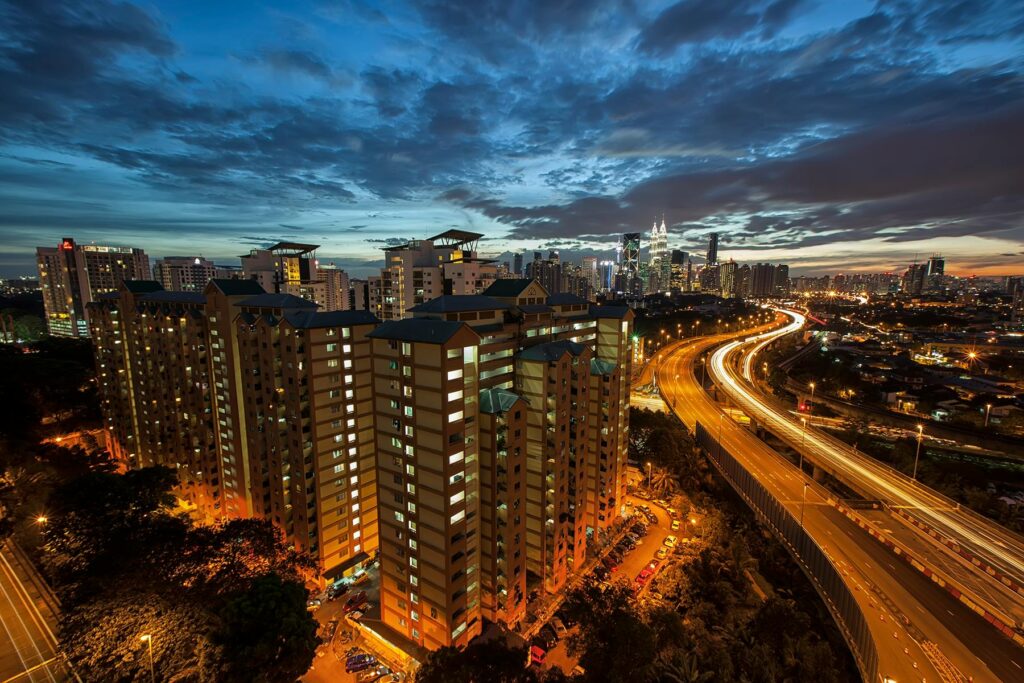
Homes at higher elevations or areas with older piping systems often experience naturally lower pressure. If your neighbours are facing the same issue, this is likely the cause.
In these cases, installing a water booster pump is a common solution in Malaysia. Basic units can start from around RM300 up to about RM1,000 for higher-end ones, but you'll need to check the regulations first.
Approval may be required from authorities like SPAN or JKR, and if you live in a condo, always confirm with your condo's management before installation.
