


 Cover image via
Follow us on Instagram, TikTok, and WhatsApp for the latest stories and breaking news.
When it comes to remodelling your home in Malaysia, there are several factors to consider if yours is a non-landed unit
Living in a condo means your home is connected to everyone else's. So while you technically own the unit, major renovations can still affect the building' s structure, plumbing, façade, and even your neighbours downstairs.
That's why condo renovations in Malaysia are regulated under the Strata Management Act 2013 (SMA), alongside additional by-laws set by each building's Joint Management Body (JMB) or Management Corporation (MC).
Here are the biggest condo renovation rules every Malaysian homeowner should know before starting work:
1. You will need written approval before anything starts
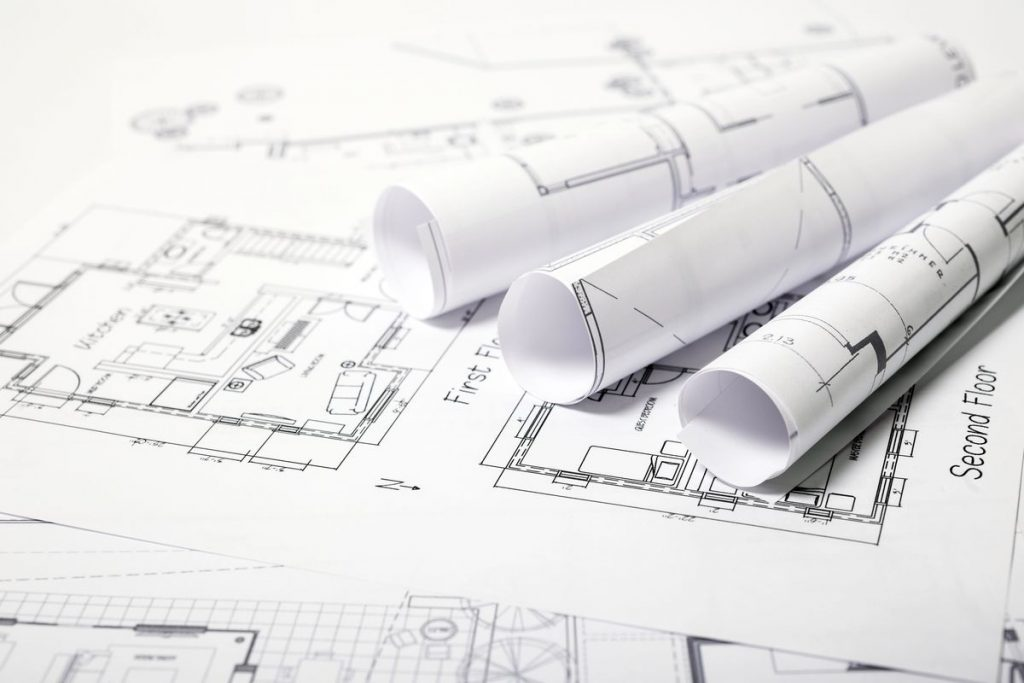
Many condo owners assume they can renovate freely because the unit belongs to them. Unfortunately, that is not how strata properties work.
Most condos require written approval before any major renovation begins, especially if it involves hacking, plumbing, rewiring, flooring replacement, or layout changes.
You may also need to submit:
- Renovation drawings
- Contractor details
- CIDB registration documents
- Insurance or indemnity forms
Some condos even require engineers to certify certain renovation plans before approval is granted.
2. You'll probably need to pay a renovation deposit first

Condo management offices are very protective of lifts, corridors, and common areas for good reason.
Most developments require owners to pay a renovation deposit, which can range between RM2,000 to RM5,000 or even more, before works begin.
This deposit is typically used to cover:
- Damaged lifts
- Cracked corridor tiles
- Dirty common areas
- Contractor-related damages
If everything survives your renovation without incident, the deposit is normally refunded after inspection.
3. There's a limit to how much you can change your unit's interior layout
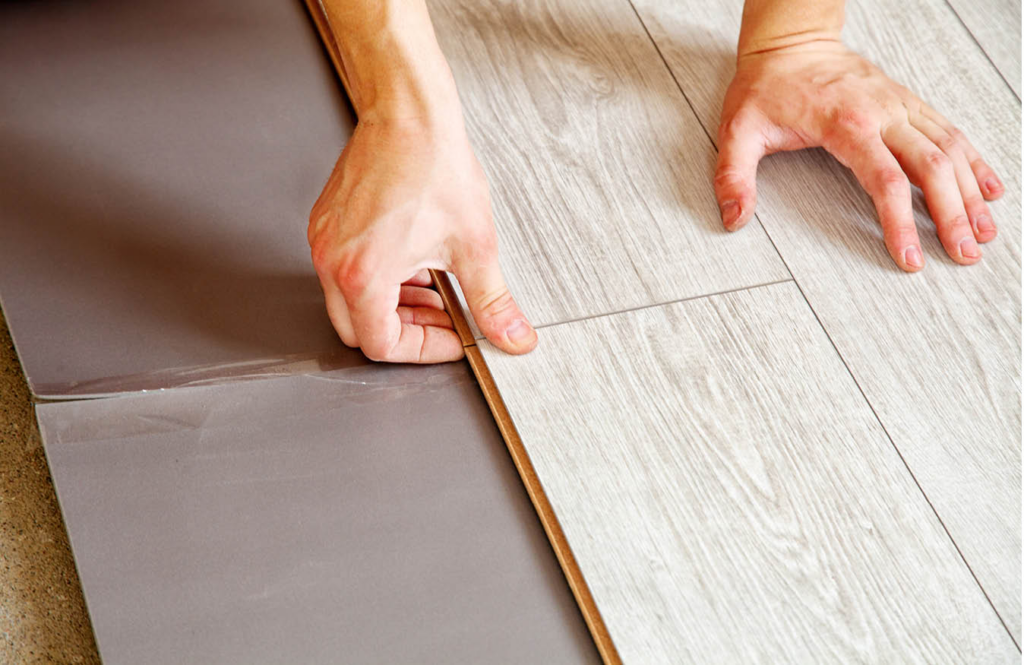
The good news is that most condos do allow interior customisation with approval.
Owners can usually:
- Remove non-load-bearing partition walls
- Reconfigure bedrooms or kitchens
- Install built-in cabinets
- Replace flooring and tiles
- Add false ceilings and lighting features
Electrical upgrades like additional power sockets and concealed wiring are also commonly allowed.
However, approval still depends on whether the work affects structural safety or shared building systems.
4. You absolutely cannot hack structural walls
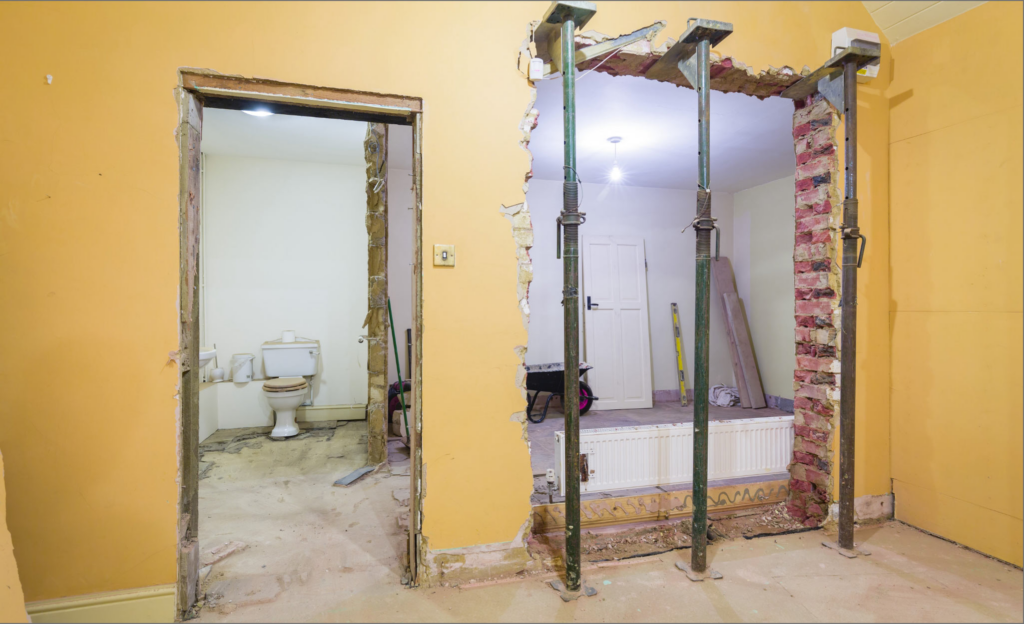
If your renovation involves hacking walls, the first question is whether the wall is structural.
Load-bearing walls, beams, columns, and shear walls help support the building itself. Damaging them can compromise the entire structure, which is why these modifications are usually prohibited in high-rise condos.
This is also why some condo renovations suddenly stop halfway when management requests additional structural checks.
5. You also cannot move major plumbing or drainage systems
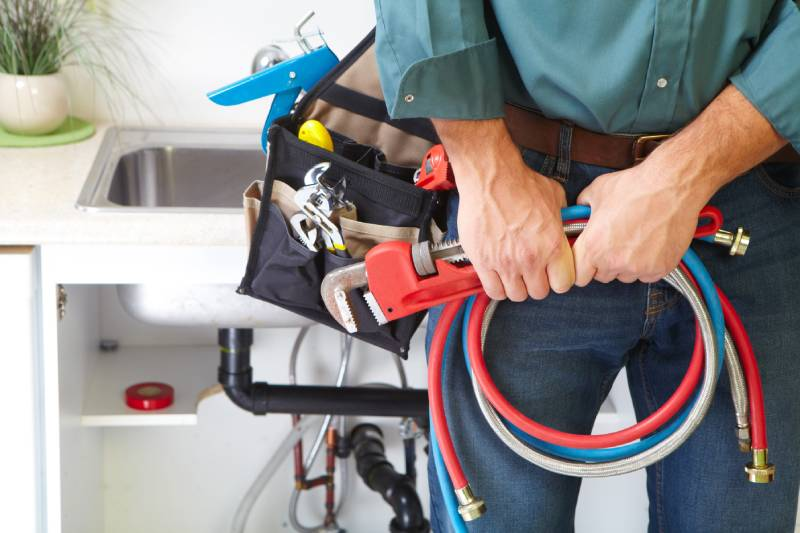
Condo plumbing systems are vertically connected between floors, which means one badly modified pipe can become another person's ceiling leak.
Most condos prohibit owners from:
- Relocating soil stacks
- Moving main drainage pipes
- Altering shared plumbing systems improperly
Some buildings also enforce a "300mm rule", which restricts hacking or drilling near concealed pipes and electrical conduits to avoid damaging hidden building services.
6. You can only do so much with your balcony, windows, and exterior design

If you're thinking about changing how your unit looks from the outside, hold up.
Most MCs and JMBs prohibit changes that alter the building's external appearance because condos are meant to maintain a consistent façade.
That usually means you cannot:
- Install mismatched balcony grilles
- Replace railings with different styles
- Add unusual external shades or louvres
- Change the design of unit doors facing common areas
Even small changes can get rejected if they affect the building's uniform appearance.
7. Renovation hours are usually stricter than landed homes

One major difference between condo and landed property renovations is noise control.
Most condos only allow noisy works like hacking and drilling during approved hours, commonly on weekdays during office hours. Sunday and public holiday renovations are often prohibited altogether.
Contractors are also typically required to:
- Protect common areas
- Manage construction waste properly
- Control dust and smells
- Keep shared spaces clean
This is partly why condo renovations tend to take longer than landed property projects.
Remember: renovating without proper approvals can be extremely costly
Ignoring condo renovation rules is not just a small management office issue.
Owners who break renovation by-laws may face:
- Stop-work orders
- Fines
- Loss of renovation deposits
- Liability for damages to neighbouring units
- Legal action for structural or plumbing issues
In serious situations, local authorities or engineers may also become involved if safety concerns arise.
So before you proceed with your remodelling project, it is worth checking the rules first.
In a nutshell: successful condo renovations are all about being mindful of shared living spaces
Most interior upgrades are still possible if you follow the approval process and stay within building rules.
The problem usually starts when owners treat condos like landed homes and forget that shared walls, pipes, and structures affect everyone around them.
