


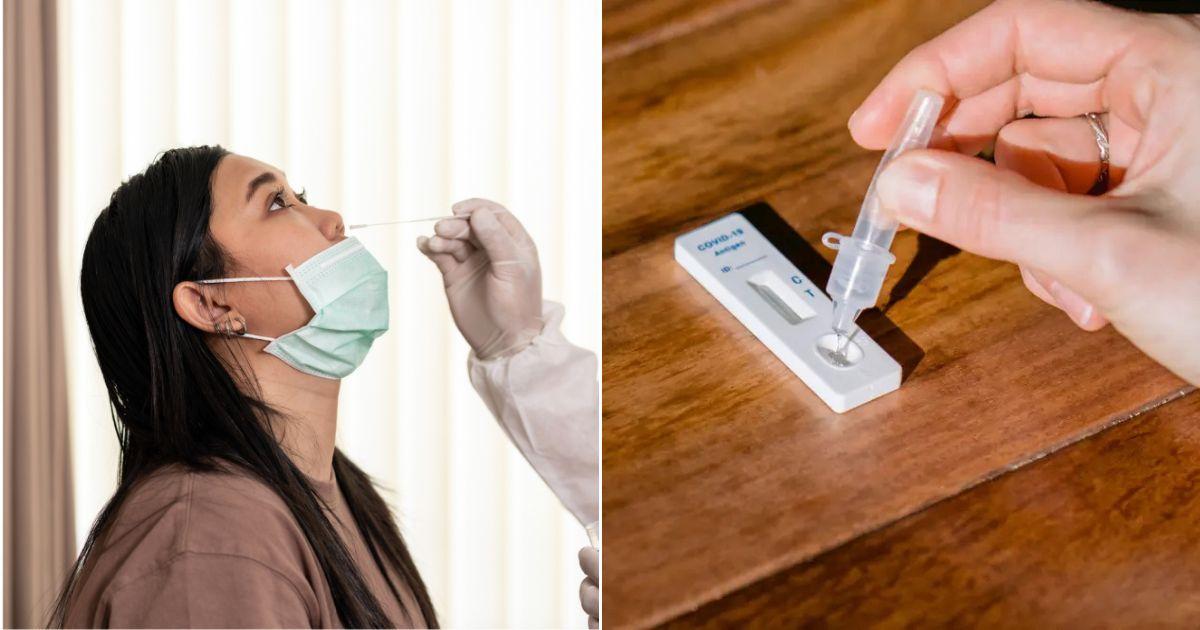
 Cover image via Know Plan Go
This Spotlight is sponsored by Pfizer.
For many of us, the whole COVID-19 experience feels like a distant memory — from MySejahtera check ins and temperature scans, to the constant test kits and queuing up for vaccinations

Image via The Malaysian Reserve
With everything returning to normalcy, those once-daily habits that were part of our lives have now faded into the background, and it's easy to forget the challenges we used to face.
Nevertheless, the COVID-19 is still prevalent, and can be dangerous among high risk factor groups.1,2
According to data from the Health Ministry, there is still a significant number of active COVID-19 cases in Malaysia, with a number of individuals being hospitalised due to the illness.3
So, should you and your loved ones still test for COVID-19?
We know that COVID-19 can affect anyone, often causing mild to severe symptoms which resolve itself given some time.4 However, for those with pre-existing medical conditions, COVID-19 may escalate more rapidly, increasing the risk of severe illness, hospitalisation, or, in some cases, even death.5
That's why it's important to know the risk factors for yourself and your loved ones, so you can be diagnosed and treated for COVID-19 early on.

Image via Ministry of Health
Here's a closer look at common factors that may put you at high risk:

Image via Know Plan Go
If you or your loved ones fall into any of these categories, it's important to be even more vigilant, as knowing the risk of COVID-19 for yourself and those around you can help you make informed decisions to keep you safe and healthy.6
Not sure whether if you're at risk? You can use this COVID-19 risk checker to find out more.
You should get tested as soon as you begin to experience symptoms like cough, sore throat, loss of taste or smell, and difficulty breathing7
If you've had close contact within five days to someone who has COVID-19, you should also carry out self-testing immediately.7
This is to ensure you don't pass it on to your loved ones, especially those with high risk factors for severe COVID-19, such as the elderly and people who are immunocompromised.6

Image via Know Plan Go
In the event that you or your loved ones test positive for COVID-19, early treatment will go a long way in minimising the risk of complication8
You don't have to wait until your symptoms worsen — in fact, you should visit your healthcare provider as soon as possible when experiencing symptoms and tested positive for COVID-19.8
Find out more here about preparing and dealing with COVID-19 for people with high risk factors
The information provided is for educational and communication purposes only and it should not be construed as personal medical advice. Information published in this article is not intended to replace, supplant or augment a consultation with a health professional regarding the reader's own medical care.
References:
-
World Health Organization. COVID-19 epidemiological update – 13 February 2025. 13 February 2025. https://www.who.int/publications/m/item/covid-19-epidemiological-update-edition-176. Accessed 11 March 2025.
-
Spinner CD, et al. Adv Ther. 2025;42(2):666-719.
-
Ministry of Health Malaysia. COVID-19. Updated 19 April 2025. https://data.moh.gov.my/dashboard/covid-19. Accessed 19 April 2025.
-
World Health Organization. Coronavirus disease (COVID-19). Updated 9 August 2023. https://www.who.int/news-room/fact-sheets/detail/coronavirus-disease-(covid-19). Accessed 11 March 2025.
-
Mayo Clinic. Coronavirus disease 2019 (COVID-19). Updated 20 September 2024. https://www.mayoclinic.org/diseases-conditions/coronavirus/symptoms-causes/syc-20479963. Accessed 11 March 2025.
-
Centers for Disease Control and Prevention. People with Certain Medical Conditions and COVID-19 Risk Factors. Updated January 6 2025. https://www.cdc.gov/covid/risk-factors/index.html. Accessed 11 March 2025.
-
Harvard University Health Services. When to Test for COVID-19. https://huhs.harvard.edu/covid-19-information/when-to-test-covid-19/. Accessed 11 March 2025.
-
Centers for Disease Control and Prevention. Types of COVID-19 Treatment. Updated 20 November 2024. https://www.cdc.gov/covid/treatment/index.html. Accessed 11 March 2025.

Image via Pfizer


