


 Cover image via
The Michelin brand is perhaps one of the most iconic names out there
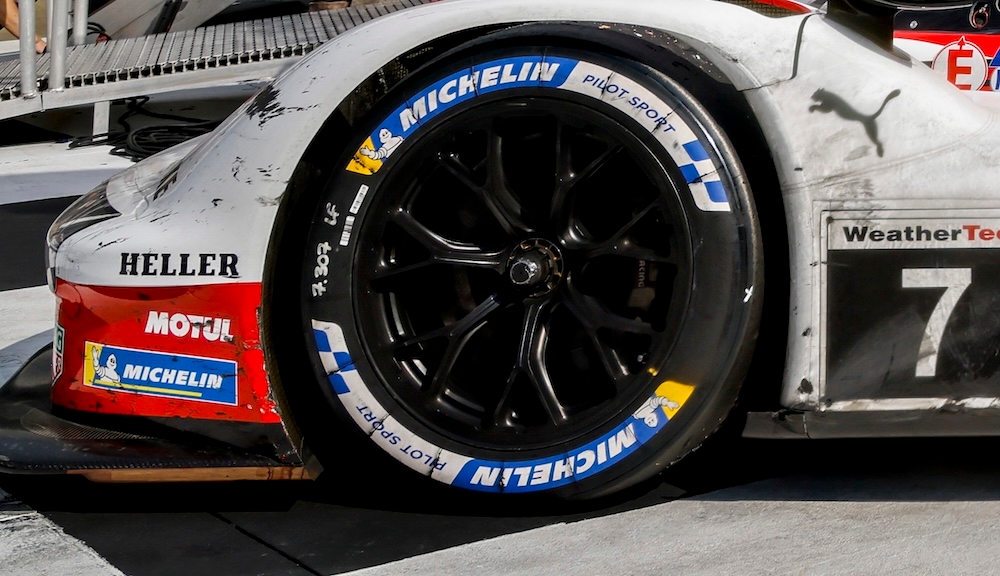
Image via Racer
From tyres to fine dining, the French brand Michelin has come a long way from its humble beginnings. Originally a bicycle tyre manufacturer, Michelin rose to prominence through its groundbreaking innovation — the radial tyre — which remains a global industry standard today.
Another lasting legacy is its iconic mascot: the white, roly-poly Michelin Man. Instantly recognisable at tyre shops and racetracks around the world, he symbolises the brand's enduring commitment to performance, safety, and excellence.
But did you know that the Michelin Man has a name, and it's not just 'Michelin Man'?
In the late 19th century, during a fair in Lyon, the Michelin brothers were showcasing their tyres when one of them had a whimsical thought: if you added arms and legs to a stack of tyres, it would resemble a man.
A few years later, with the help of a caricaturist, the Michelin Man was born — though his earliest form was quite different. Inspired by a character from a German beer advertisement, he originally held a glass, not of beer, but to metaphorically "drink up the bumps in the road".
This concept gave rise to his official name: Bibendum, taken from the Latin phrase "Nunc est Bibendum" — "Now is the time to drink!" — symbolising his ability to absorb rough roads for a smoother journey.

Image via Michelin
Over the years, Bibendum grew and evolved to better fit the market's perception

Image via Michelin
Over the past century, the Michelin Man has undergone quite the transformation.
He ditched his cigar and monocle, distanced himself from any drinking references — not exactly ideal branding for a driving-related figure — and traded in his plump physique for a fitter, more streamlined look. Despite evolving from stacks of skinny bicycle tyres to hefty truck tyres, he somehow managed to slim down.
He also got a youthful makeover and swapped his heavy boots for sleek, sporty driving shoes. Yet, through all the changes, one thing has remained constant: his signature white colour — a nod to the natural hue of early rubber tyres.

