


 Cover image via
We Malaysians are truly blessed with a massive variety of tropical fruits, available throughout the year
But if you've ever been disappointed by a flat-tasting durian or wondered when pomelo season actually starts, you might find it overwhelming to remember the peak seasons for each of your favourite local fruit.
To help you out, here's a straightforward list of popular local fruits and their peak seasons in Malaysia:
1. Durian (June to August, minor crop from November to January)
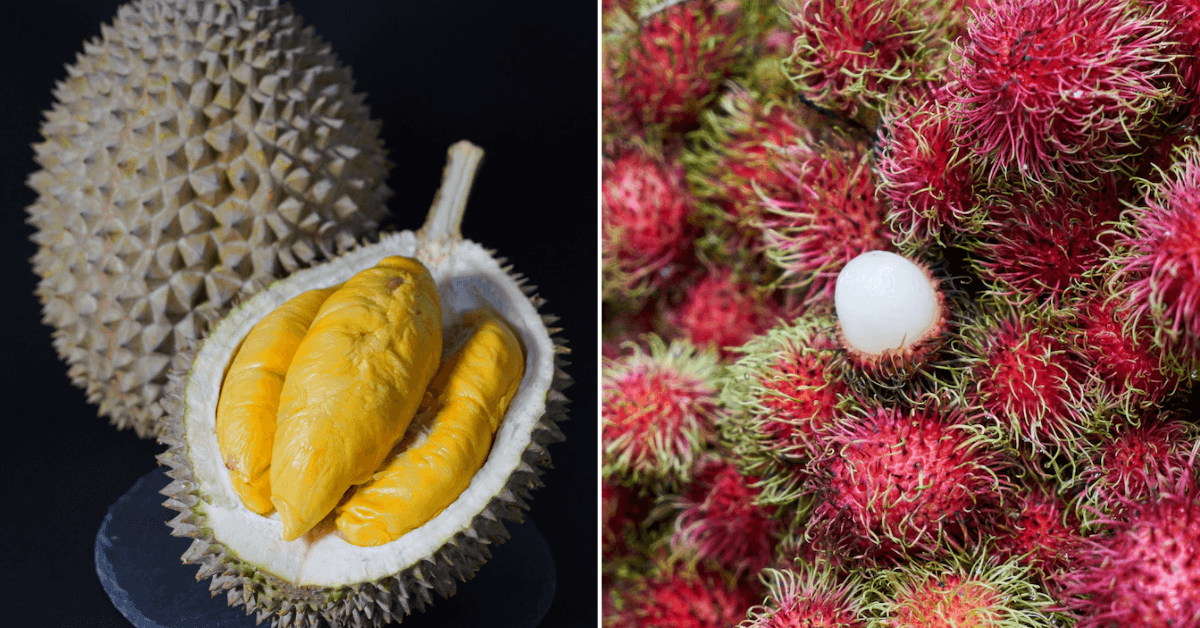
Known as the King of Fruits, durian season hits full swing mid-year, especially from June to August.
Popular varieties like Musang King, D24, and Black Thorn flood markets from Pahang, Penang, and Johor.
There are also smaller harvests around November to January, so be on the lookout because prices drop when supply is high.
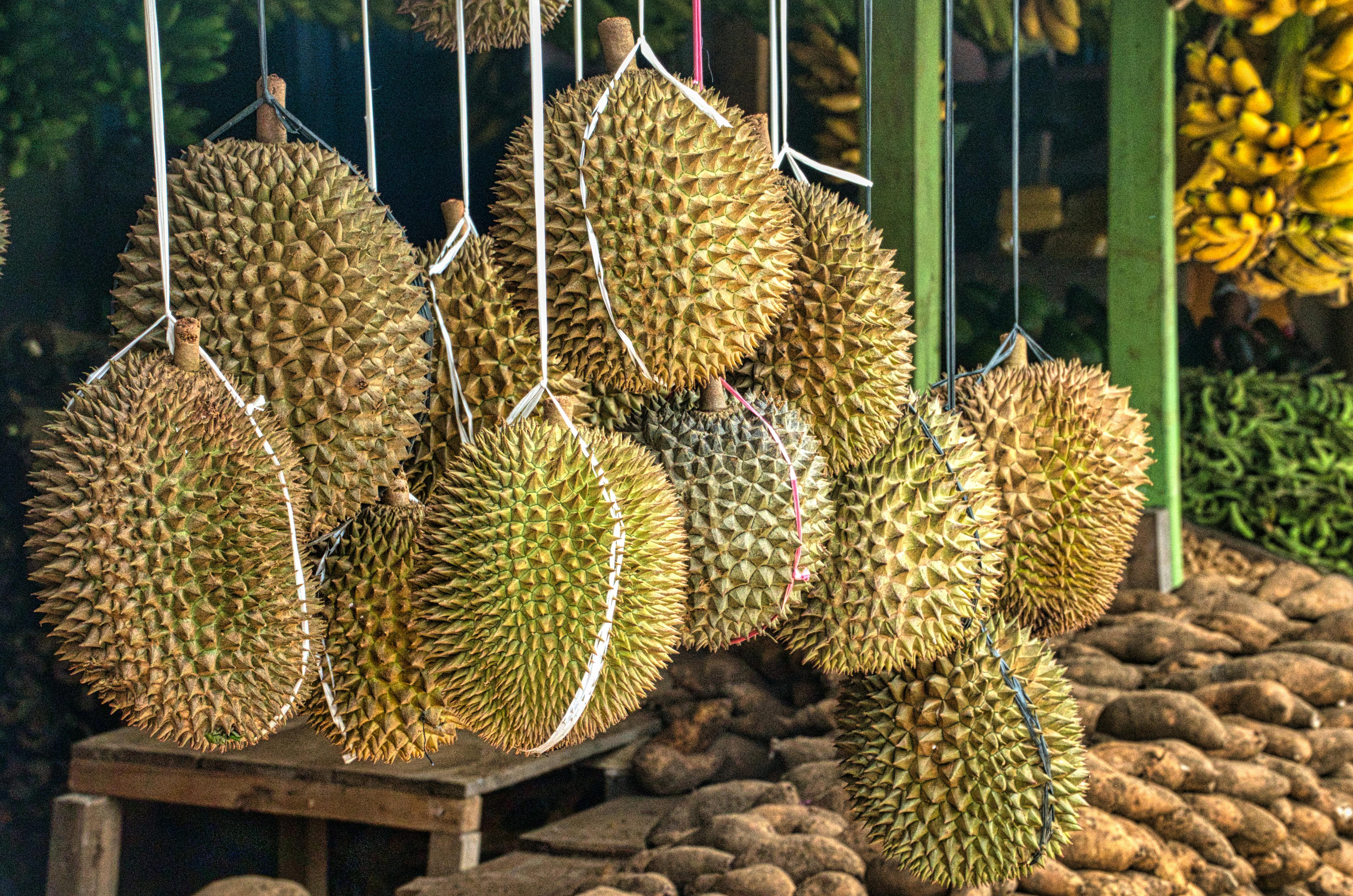
Image via Tom Fisk/Pexels
2. Mangosteen (June to August)
Often paired with durian as a cooling remedy, mangosteen is sweet, juicy, and slightly tangy, perfect for cleansing your palate.
Grown mostly in Kedah and Johor, it's widely available at fruit stalls during durian season, making the two a classic combo.

Image via Art Rachen/Freepik
3. Rambutan (June to August, minor crop in December)
With their fluffy, colourful skin and translucent flesh, rambutans are a mid-year treat.
They typically grow alongside durians and mangosteens and are especially abundant in kampung areas.
A second, smaller harvest in December gives you a bonus chance to enjoy them.
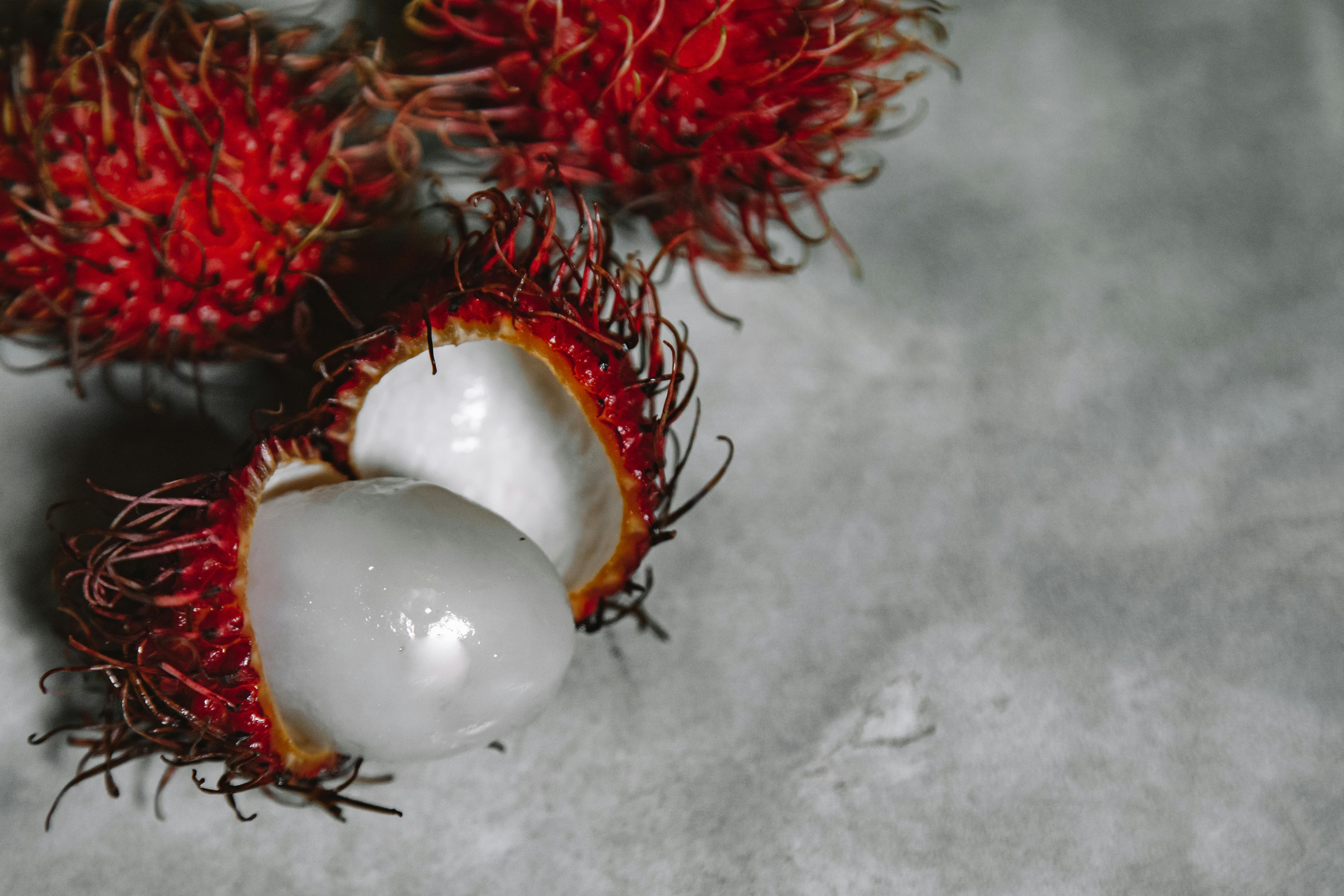
Image via Roman Odintsdov/Pexels
4. Langsat / Duku / Dokong (July to September)
They may look similar, but these small fruits have slight differences in taste and texture.
Mostly, they're sweet, tangy, and incredibly addictive — which is why most people can't stop eating after the first bite.
Look out for them in Perak and Terengganu, where they're sold in massive bunches.

Image via Fruit Wiki
5. Papaya (all year round)
Sweet, soft, and easy on the tummy, papayas are a breakfast favourite in many Malaysian households.
Whether you eat them plain, blend them into juice, or top them with lime and salt, they're always in season and widely available at markets across the country.
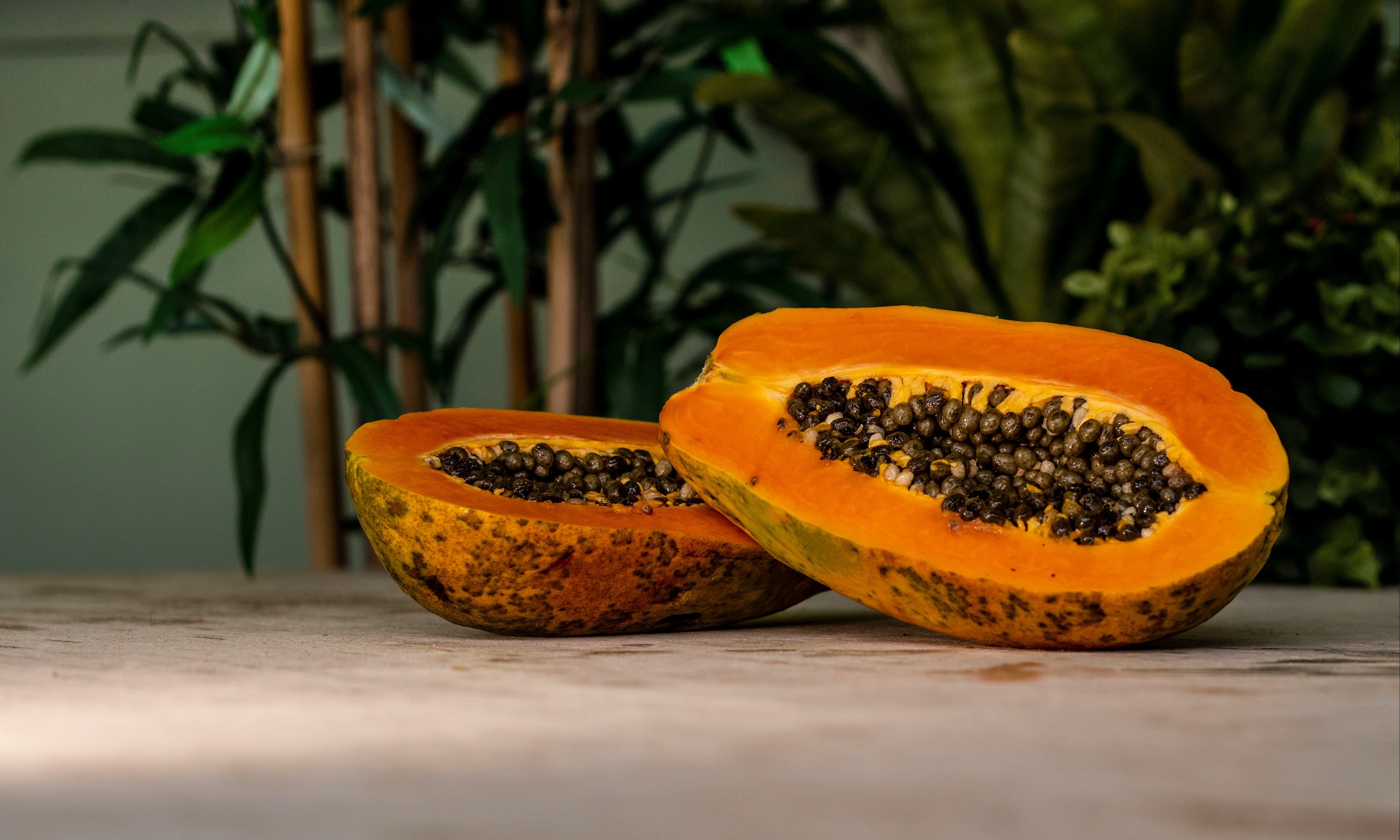
Image via Deborah Cardenas/Unsplash
6. Pineapple (all year round, peaks March to July)
Sweet, tangy, and super-refreshing, pineapples hit their flavour peak between March and July.
Johor's Simpang Renggam area and Sarawak produce some of the juiciest varieties, including the export-favourite MD2.
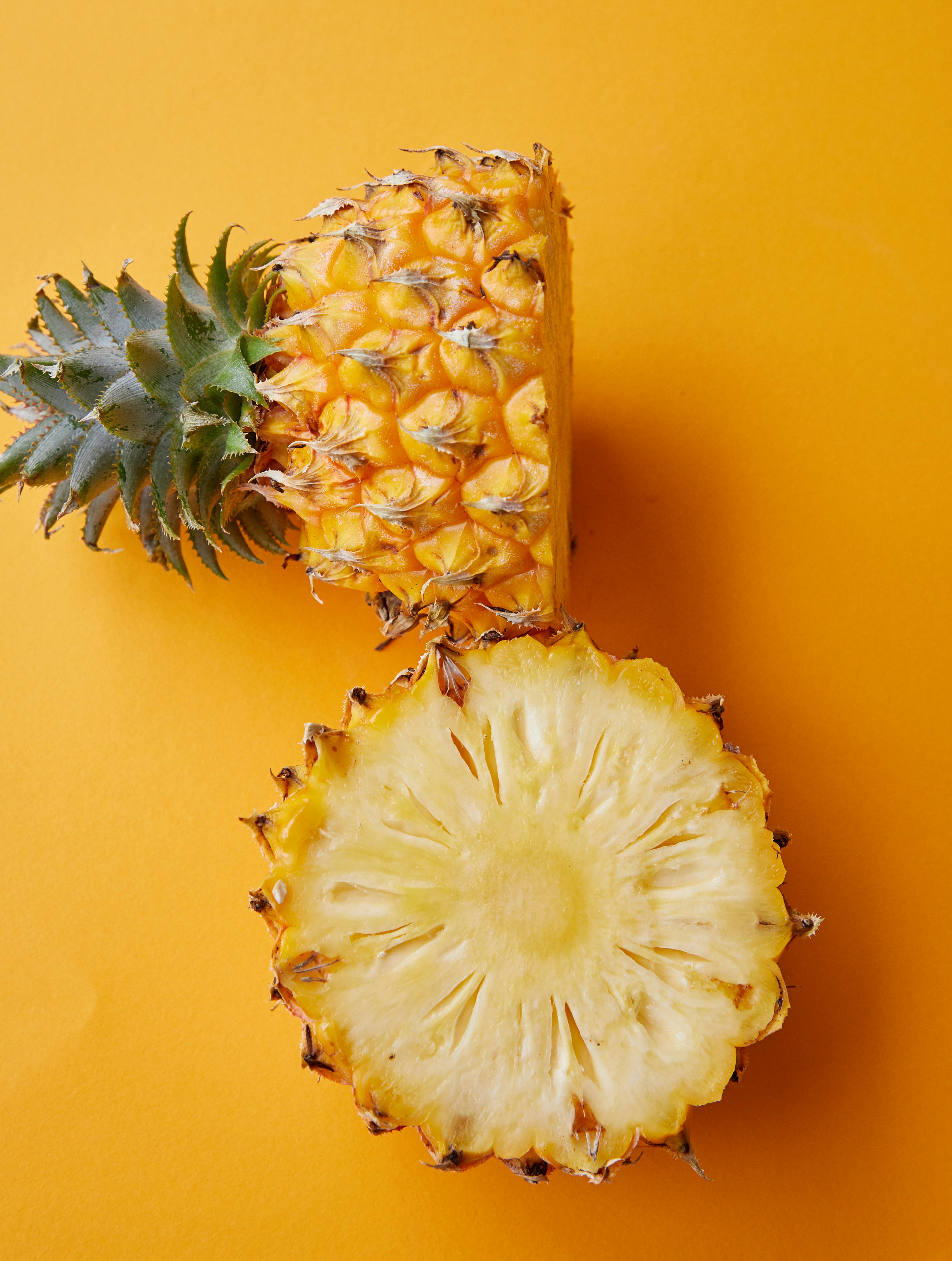
Image via Laker/Pexels
7. Banana (all year round)
Bananas are the real MVP of Malaysian fruits — always in season and endlessly versatile.
From pisang goreng and lepat pisang to using its leaves for banana leaf rice, there's a variety for every use. Popular types include pisang raja, pisang emas, and the iconic pisang tanduk.
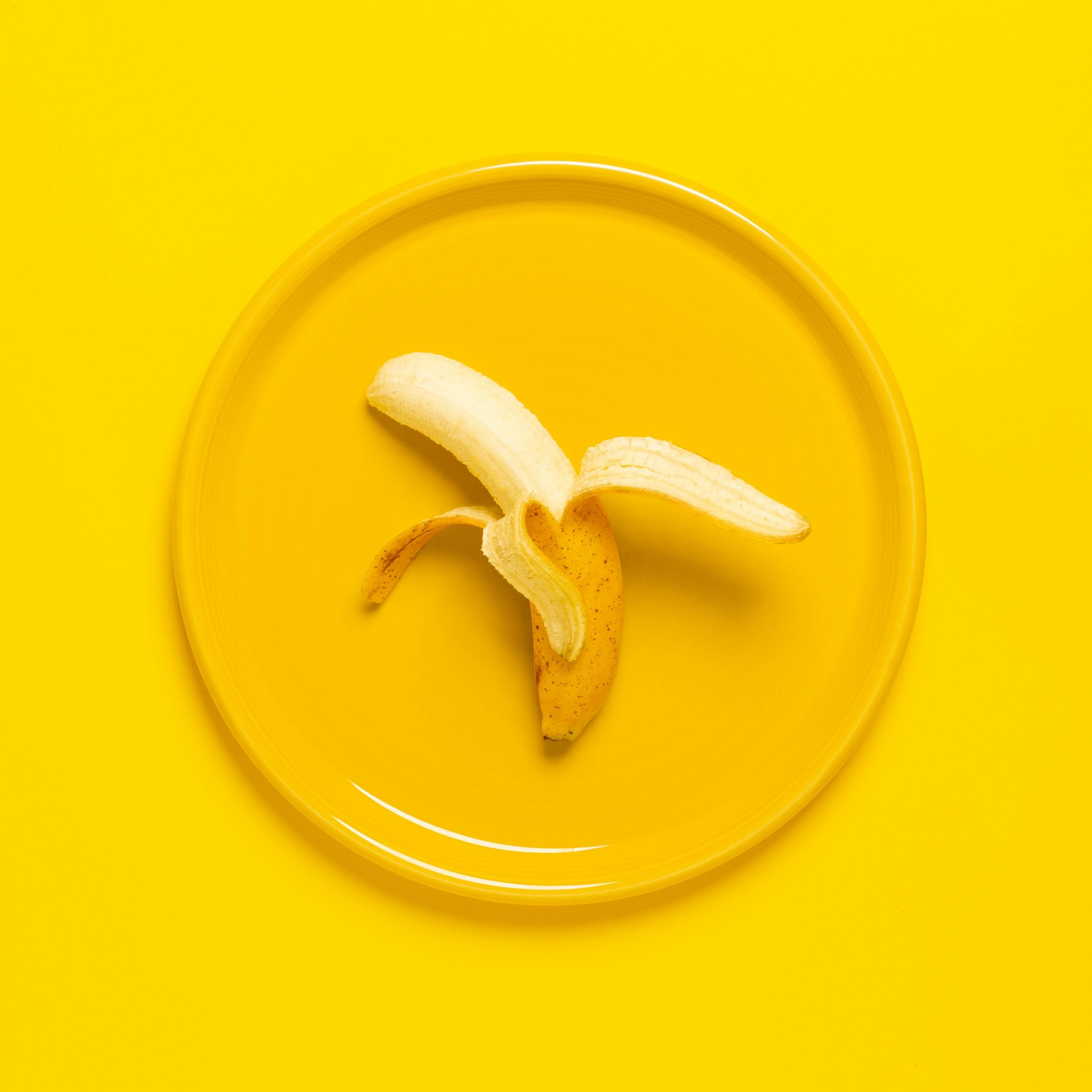
Image via Aleksandar Pasaric/Pexels
8. Watermelon (all year round, peaks March to May)
Few fruits hit like a cold watermelon on a blazing hot day.
Mostly grown in Johor, Kedah, Kelantan, Pahang, and Terengganu, they peak in flavour from March to May but are generally available year-round. Perfect for juicing, fruit rojak, or simply eaten straight out of the fridge.
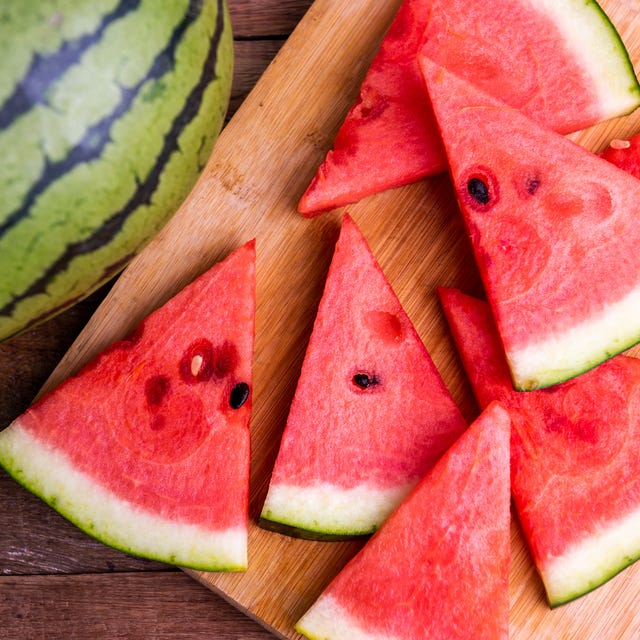
Image via Good Housekeeping
9. Star Fruit/Carambola (all year round, peak September to February)
Typically grown in Selangor and Perak, star fruit peaks between September and February. This sweet-sour fruit is as pretty as it is refreshing, and makes for a really good juice at hawker centres.
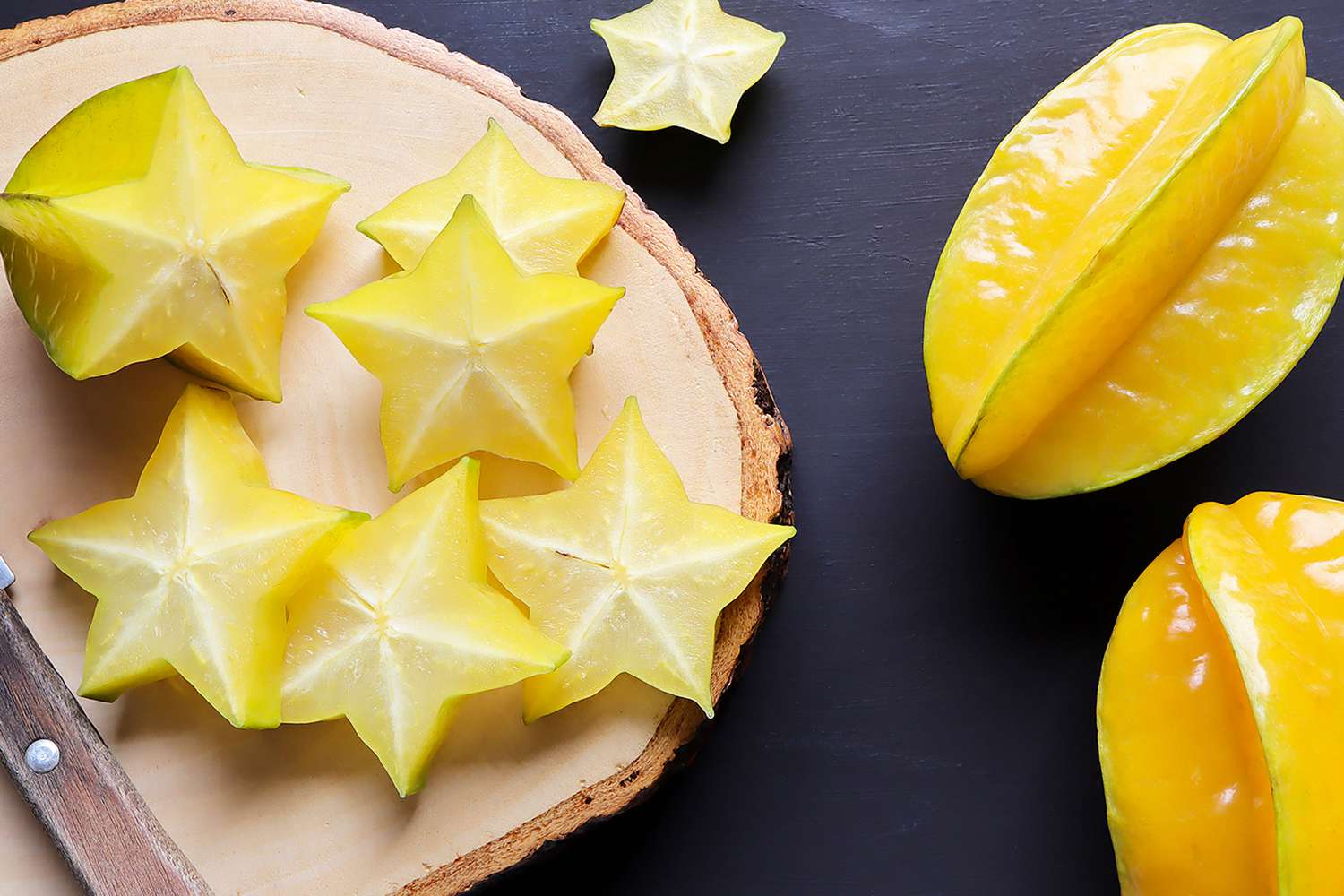
Image via Martha Stewart
10. Jackfruit/Nangka (May to July, minor crop in December)
Jackfruit, or nangka, comes in two forms: ripe and sweet, or unripe and cooked into savoury dishes like gulai nangka.
The main crop appears from May to July, with a smaller yield around December. This is a childhood favourite for many who grew up plucking it fresh from the tree.

Image via HeloMedik
11. Cempedak (June to August)
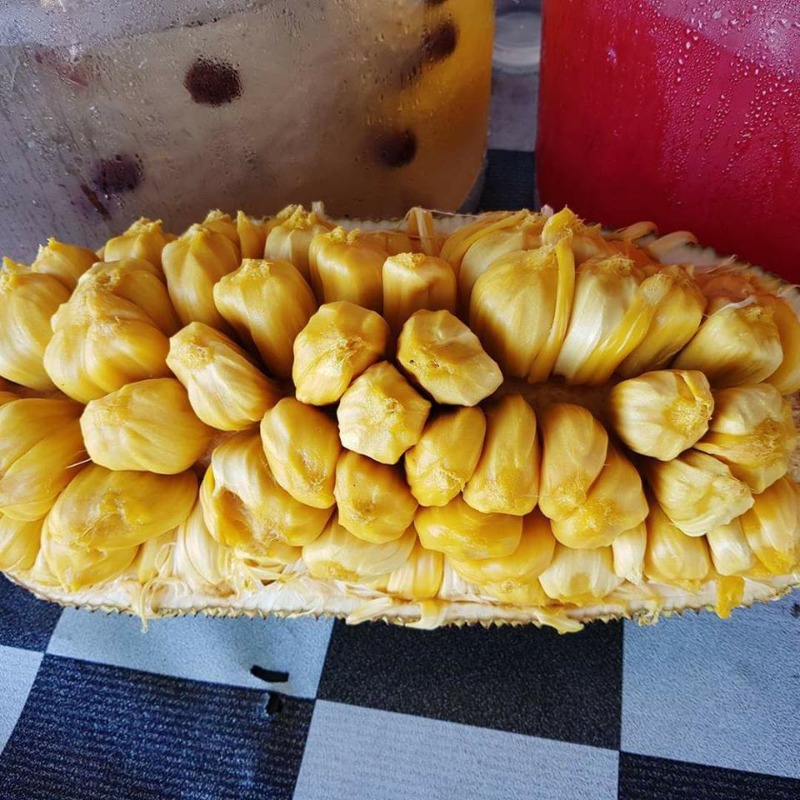
Image via eDesa.my
Cempedak's sweet, sticky flesh turns golden and crispy when battered and fried, making it a street snack favourite.
A bit funkier than jackfruit (click here to learn the difference between the two fruits), it's smaller and more fragrant, often eaten straight off the seed.
12. Guava (all year round)
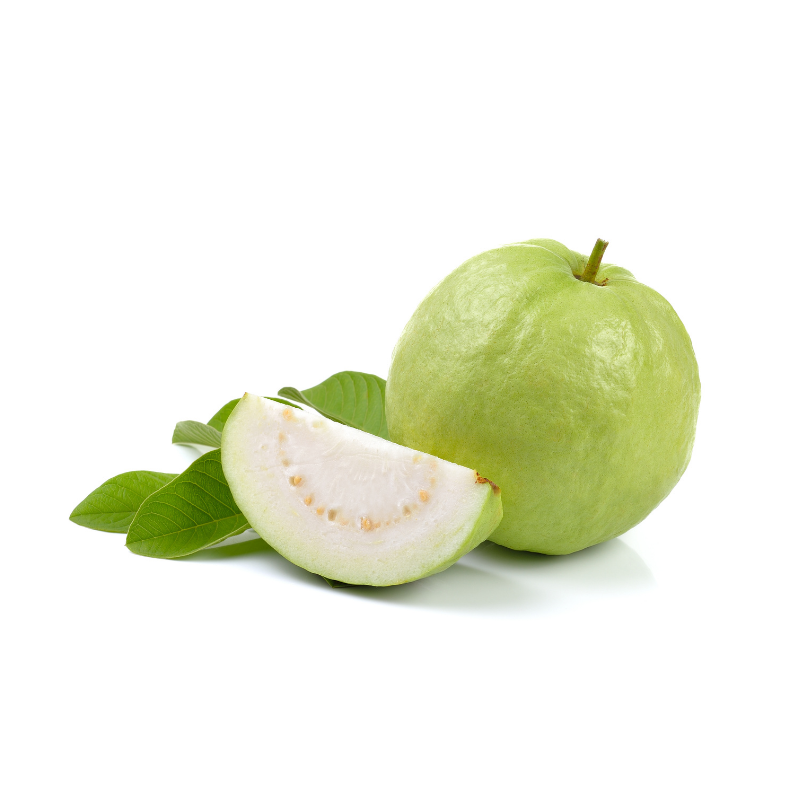
Image via Market Boy
Crunchy, juicy, and often eaten with spicy asam boi powder, guava is a fruit stall staple.
Popularly grown in Perak, Selangor, and Johor, it's also packed with vitamin C, so it's a great snack when you feel a sore throat coming on.
13. Dragon Fruit (May to November)
This quirky-looking cactus fruit is grown in Perlis, Kedah, and Johor.
Available mostly from May to November, it's packed with antioxidants and fibre. The red-fleshed ones are especially eye-catching, and can turn your pee pink due to the presence of pigments called betacyanins.
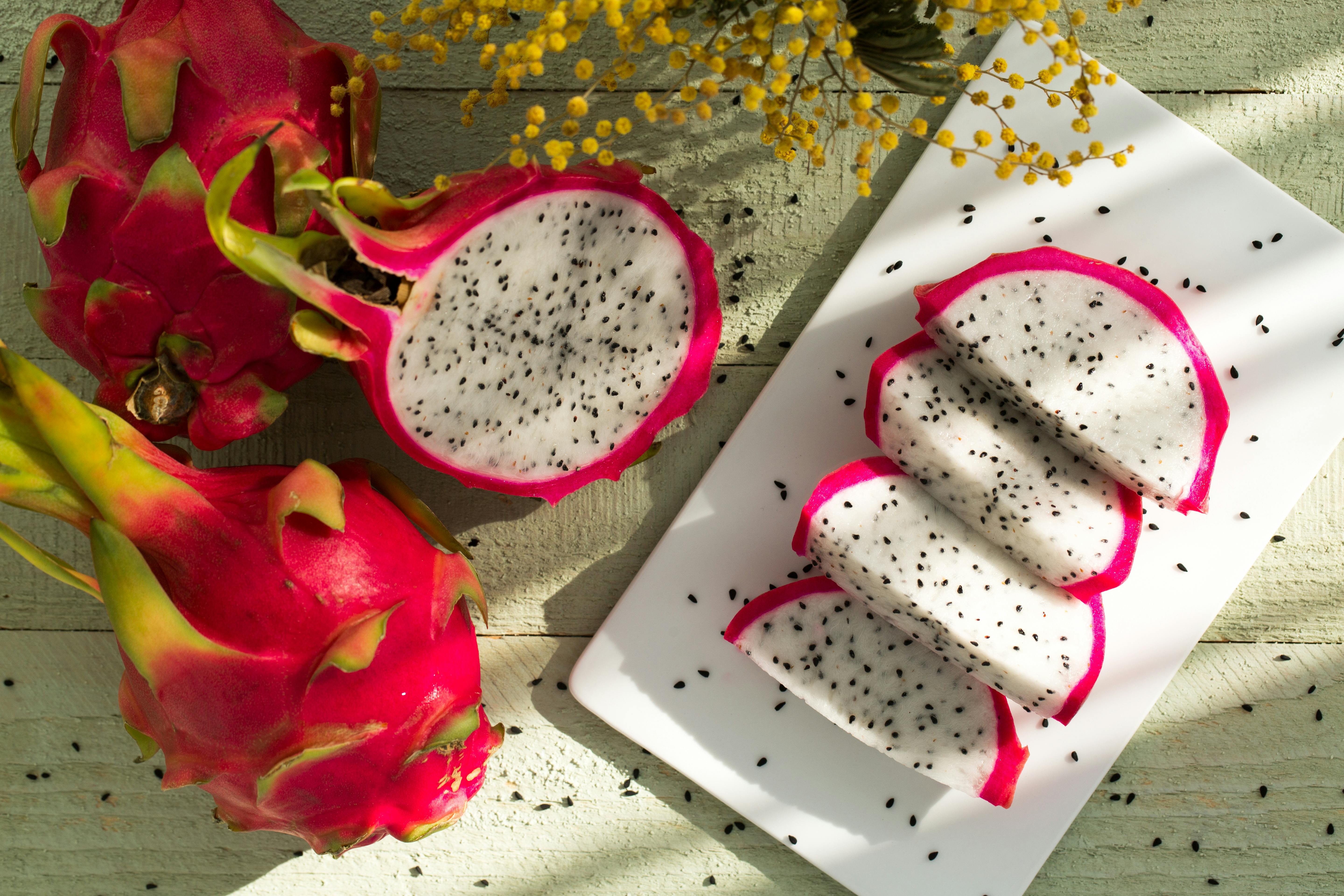
Image via Lovefood Art/Pexels
14. Pomelo (August to January)
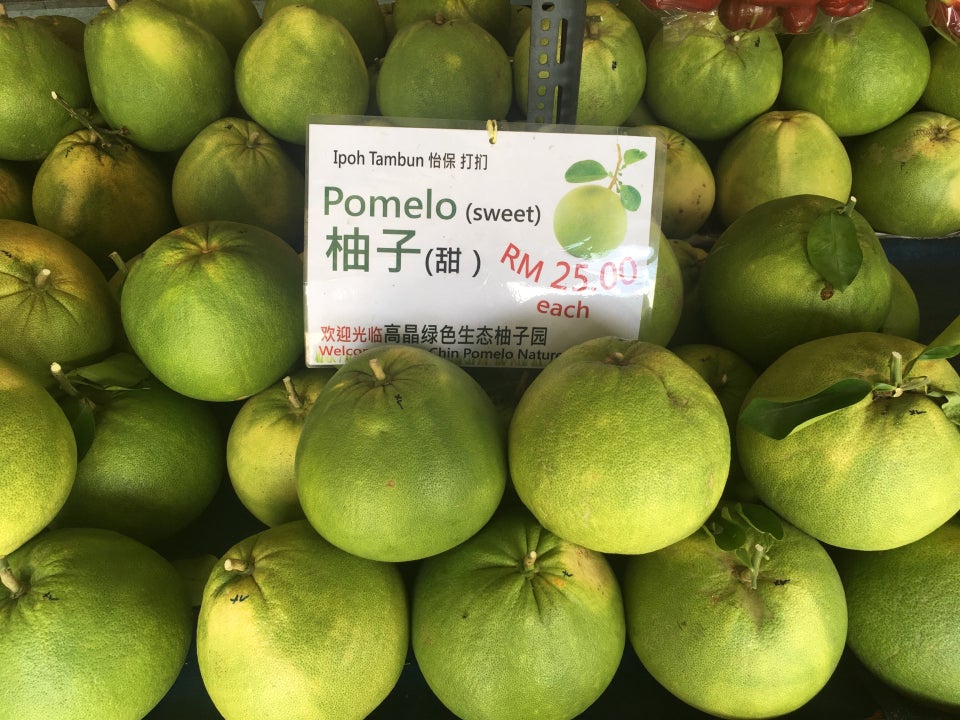
Image via Petit Go
Best known for its association with Chinese New Year, pomelo is at its juiciest between August and January.
The Tambun variety from Perak and Johor is especially prized. It tastes sweet, slightly tangy, and is perfect for sharing with the family.
15. Ciku (March to May, August to October)
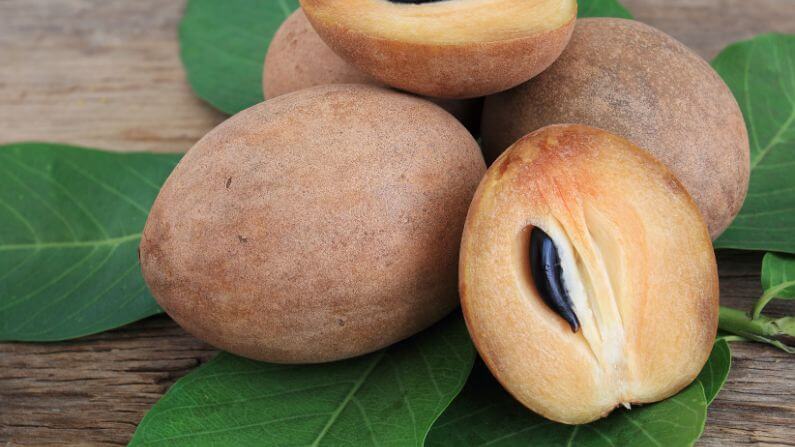
Image via MyPati
Ciku is like nature's brown sugar. The flesh is soft, fragrant, and caramel-sweet when perfectly ripe.
Though less common nowadays, it's still a nostalgic favourite for many. Look out for it in kampung stalls or local morning markets.

