


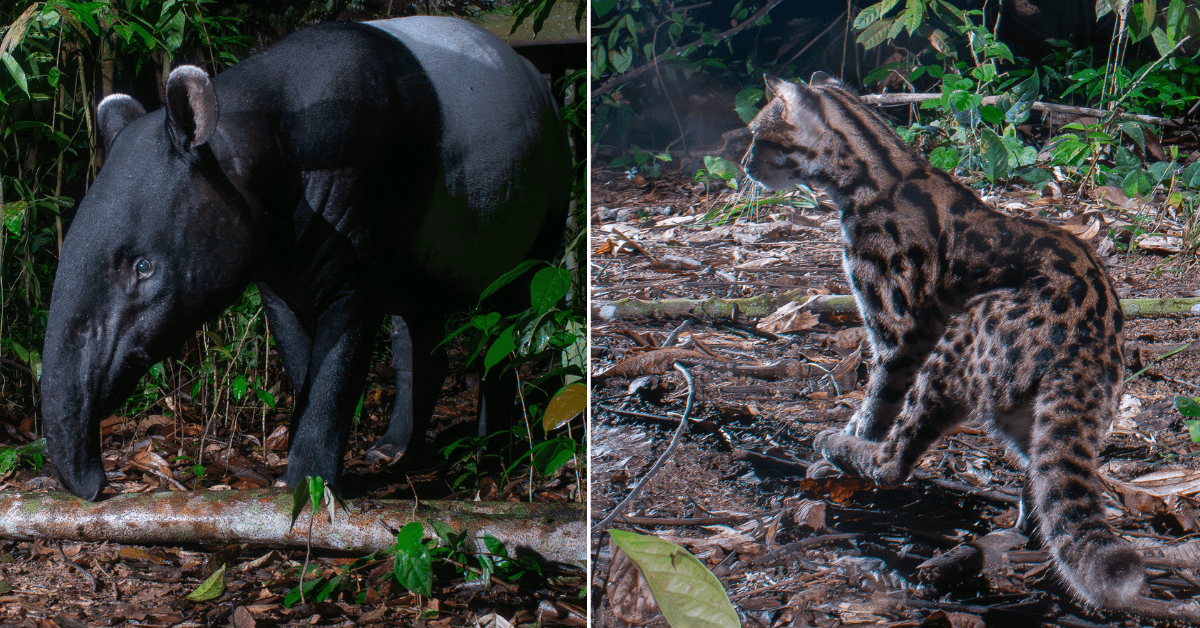
 Cover image via Shariff Mohamad (Provided to SAYS)
Follow us on Instagram, TikTok, and WhatsApp for the latest stories and breaking news.
If you live in the Klang Valley long enough, the dream usually goes like this: one day, you'll own a bit of land, grow some trees, breathe cleaner air, and escape traffic without needing to relocate to another state
For 45-year-old Kuala Lumpur resident Shariff Mohamad, that dream came true when he bought a three-acre plot of land in Hulu Selangor, just 40 to 45 minutes from his home.
What he didn't expect was how quickly the forest would reveal who else lived there.
Speaking to SAYS, Shariff described the land as both a personal refuge and a long-term retirement project, but conservation was baked into the decision from the start
After years of searching, he found a plot that fit his budget and values, located next to a large complex of forest reserves that form part of Selangor State Park.
"I've always wanted to own a piece of land in nature, both as a place to protect and as a personal refuge," he shared. The proximity mattered too.
Being under an hour away meant he could visit often, even just for day trips, rather than letting the land sit unattended.
The plot itself was once an abandoned orchard, already semi-wild from years of natural regrowth. That, to Shariff, was a feature rather than a flaw.
At first, the land was almost impossible to move through
When Shariff first stepped onto the land with his wife and the property agent, he barely scratched the surface. "I probably ventured less than 20m up the slope," he recalled. Thick undergrowth, no paths, and unfamiliar terrain made deeper exploration difficult, even disorienting.
That changed over time as he carefully carved out narrow trails by hand, following old terraces and keeping his impact deliberately low.
Armed with nothing more than a parang, he built a small network of paths that now allow him to navigate most of the land with ease.
"I'm pretty familiar with my land now," he said, laughing, "although I'm still bad at keeping track of which trees I planted where." Trees are tagged, mapped on an app, and slowly becoming easier to remember as the forest grows alongside his own knowledge.
Not long after his first proper survey in June 2025, Shariff set up camera traps out of curiosity
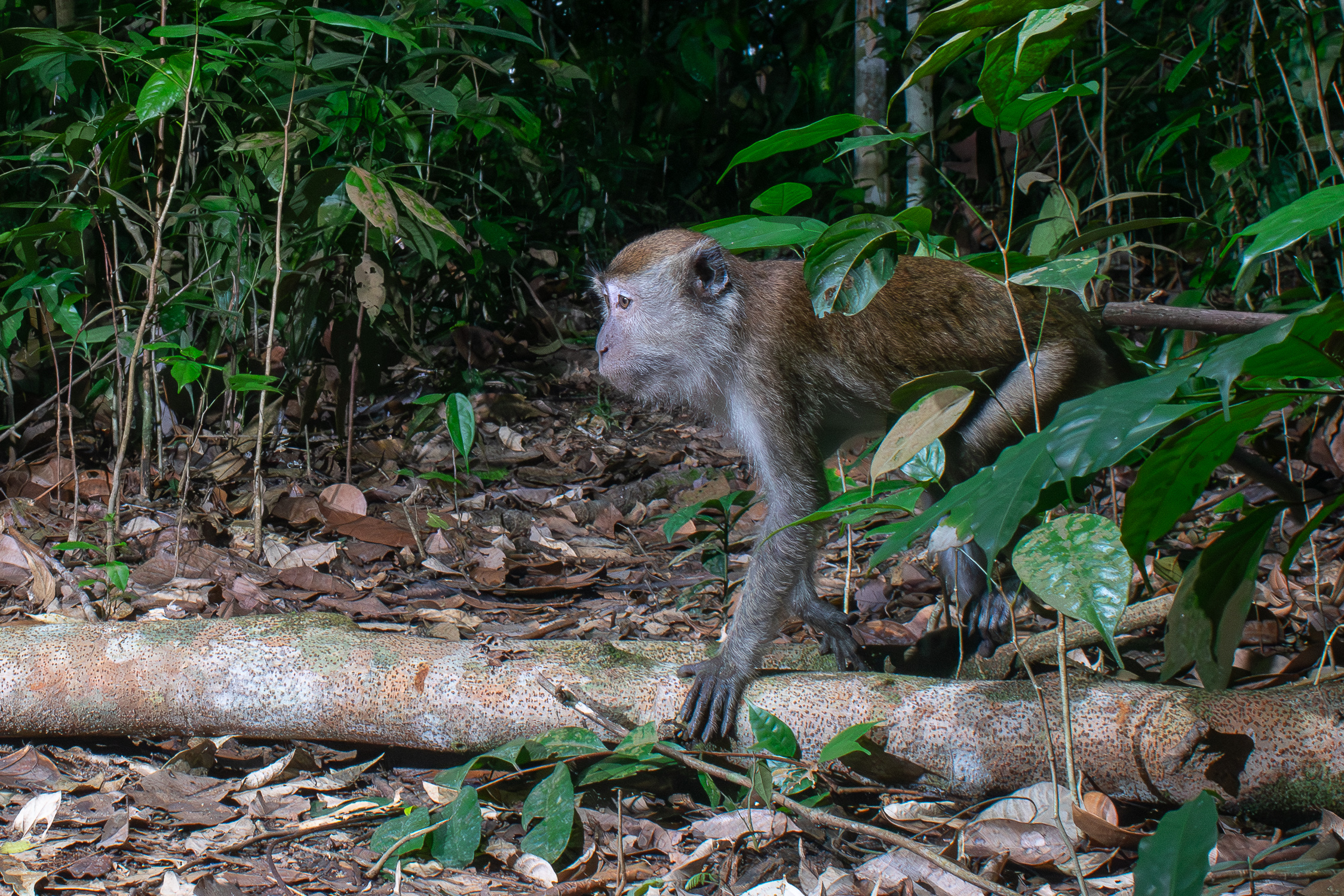
Early footage showed macaques, which came as no surprise.
Click to watch the video:
Macaques, both long-tailed and pig-tailed, are the most abundant mammals on his land.
What came later, however, stopped him in his tracks.
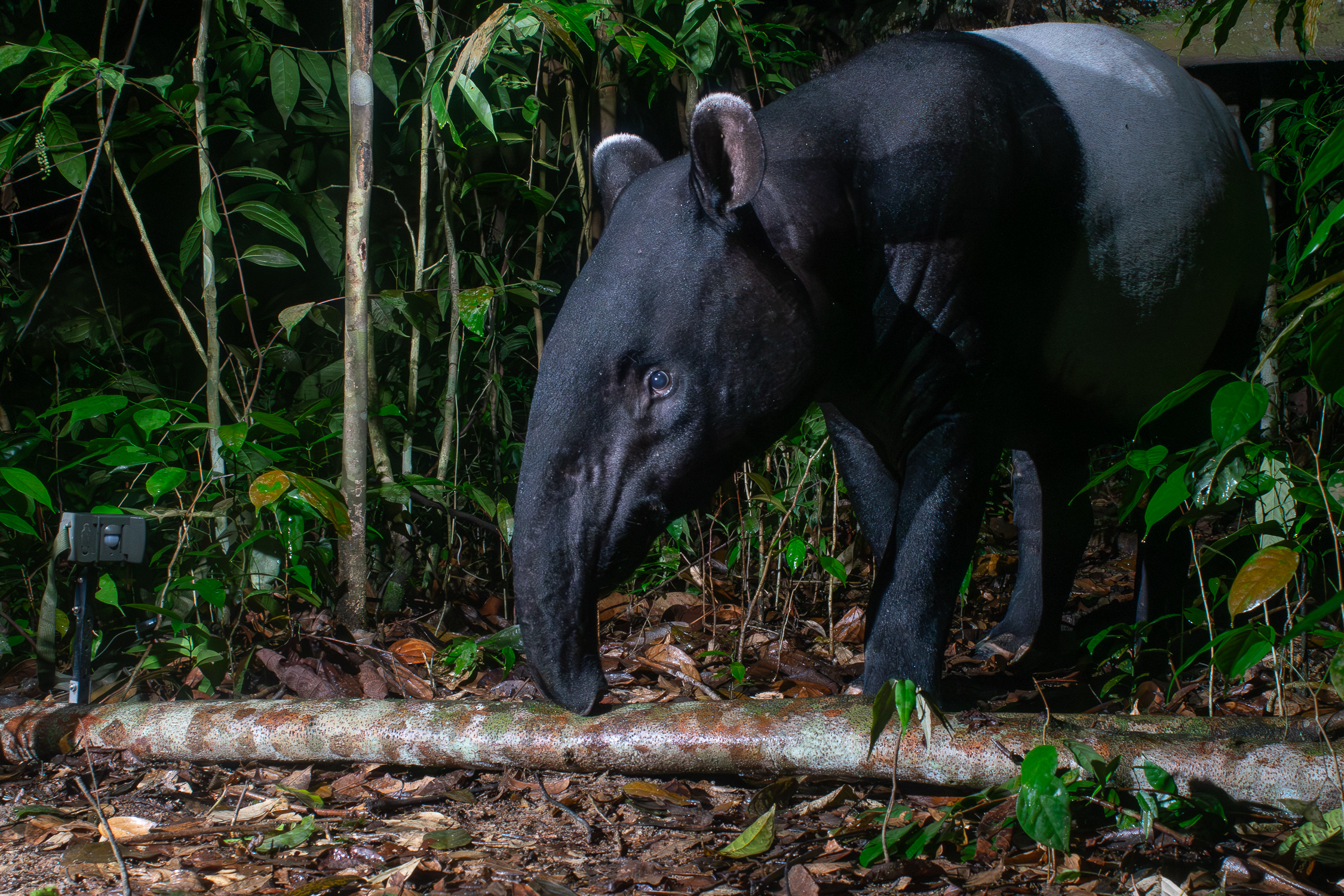
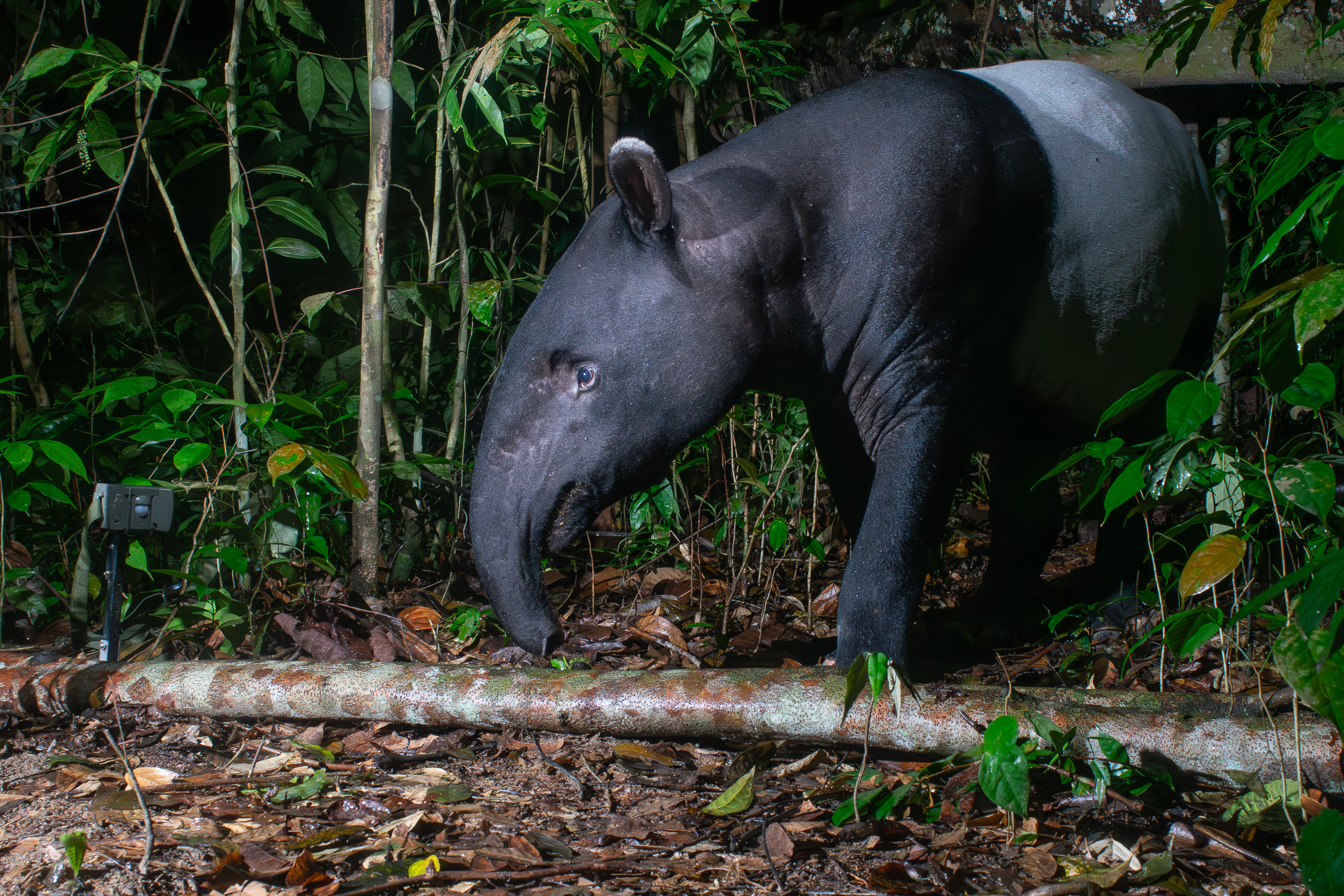
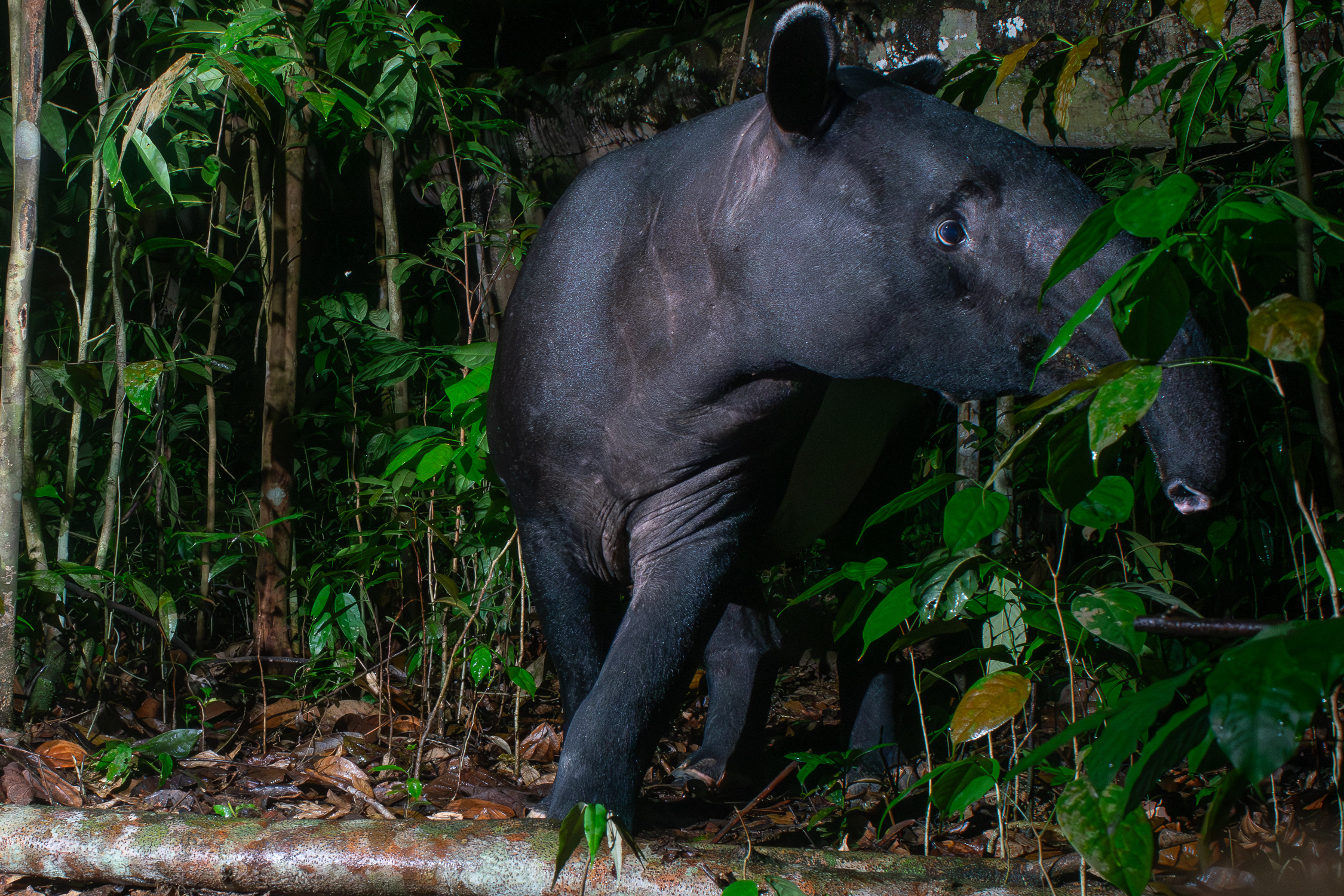
"When I first saw the tapir photos, I was stunned for a moment," Shariff shared with SAYS. Despite tapirs being present in the wider forest landscape, he hadn't expected one to walk neatly into frame, pause, and offer up a series of sharp, well-composed shots.
The animal lingered for about 45 seconds, long enough for multiple images, all with its face in focus.
"If it had walked the other way, I'd probably just have photos of its rear," he joked. The moment was made even more surprising by the fact that he hadn't yet captured common species like barking deer on the DSLR setup.
Click to watch the video:
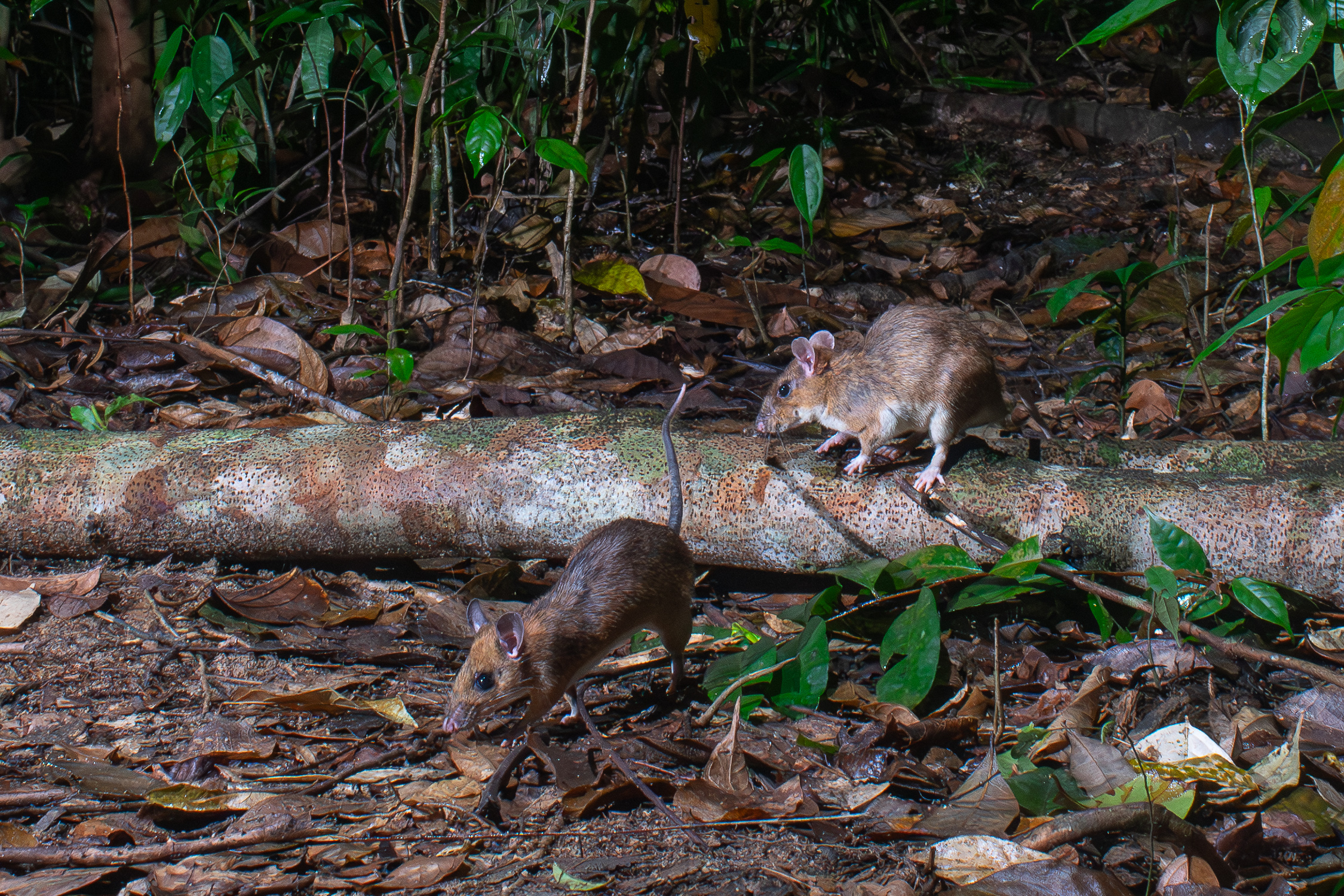
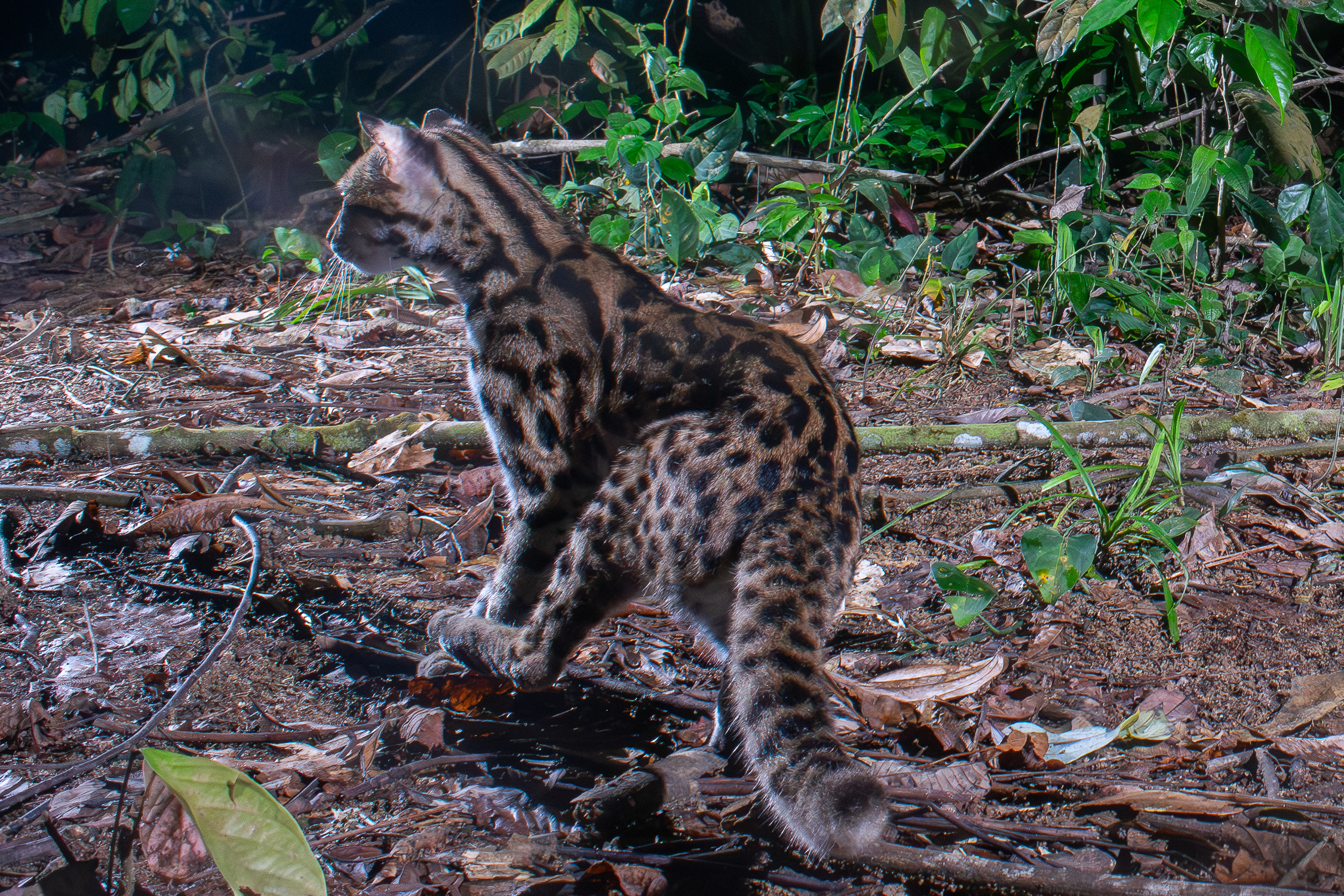
He has also documented leopard cats, civets, yellow-throated martens, and a total of at least 16 mammal species
Shariff believes wildlife are drawn to the land mainly because of food. Wild fruit trees like figs, tarap, and rambai grow naturally on the plot, with nearby orchards adding to the appeal.
"Food is definitely a major factor in getting wildlife to use a certain space and to continue using it," he explained. Water and shelter are abundant throughout Malaysia's forests, but reliable food sources keep animals returning.
Different species appear at different times too: monkeys by day, leopard cats and civets by night, and wild boar whenever they feel like it.
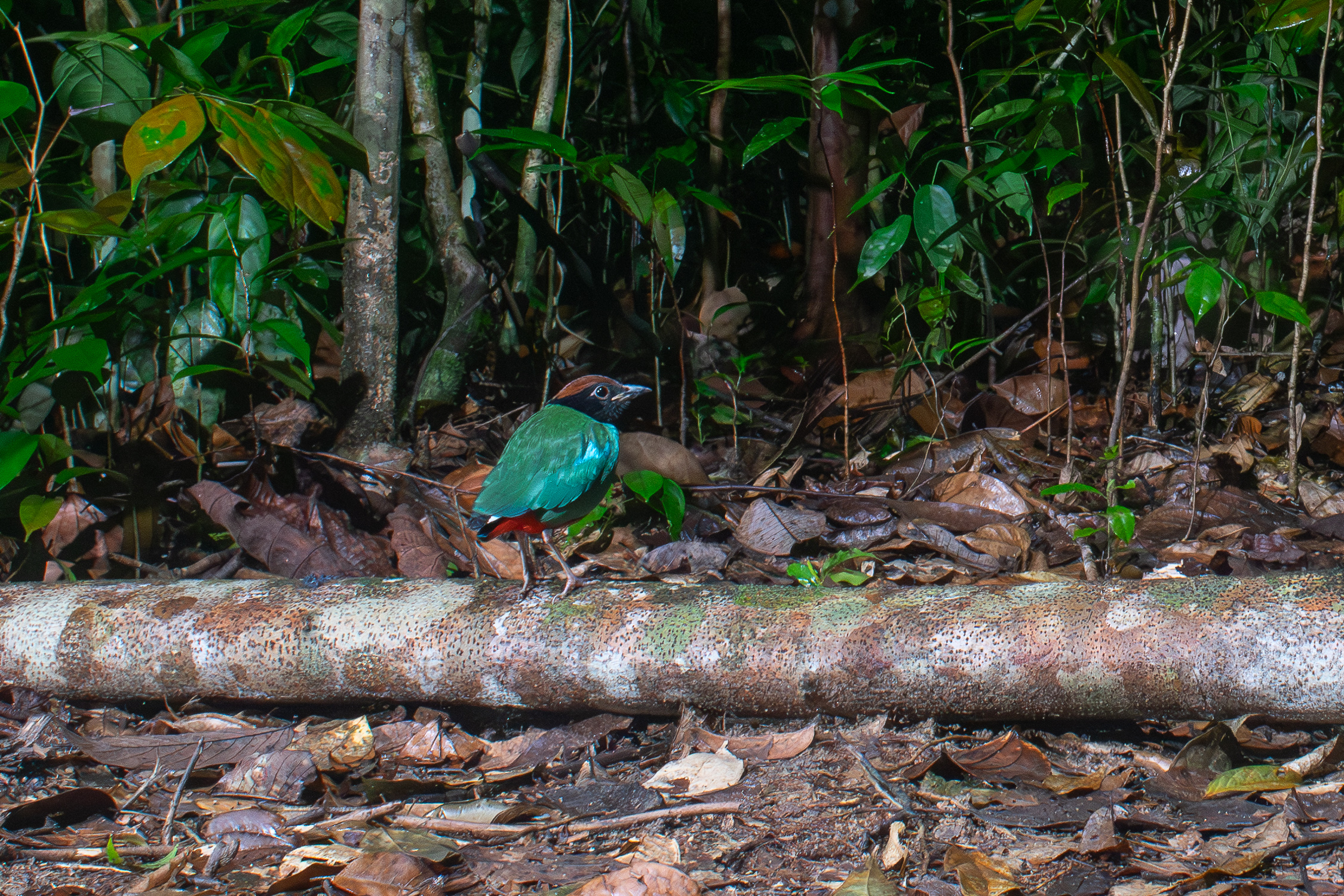
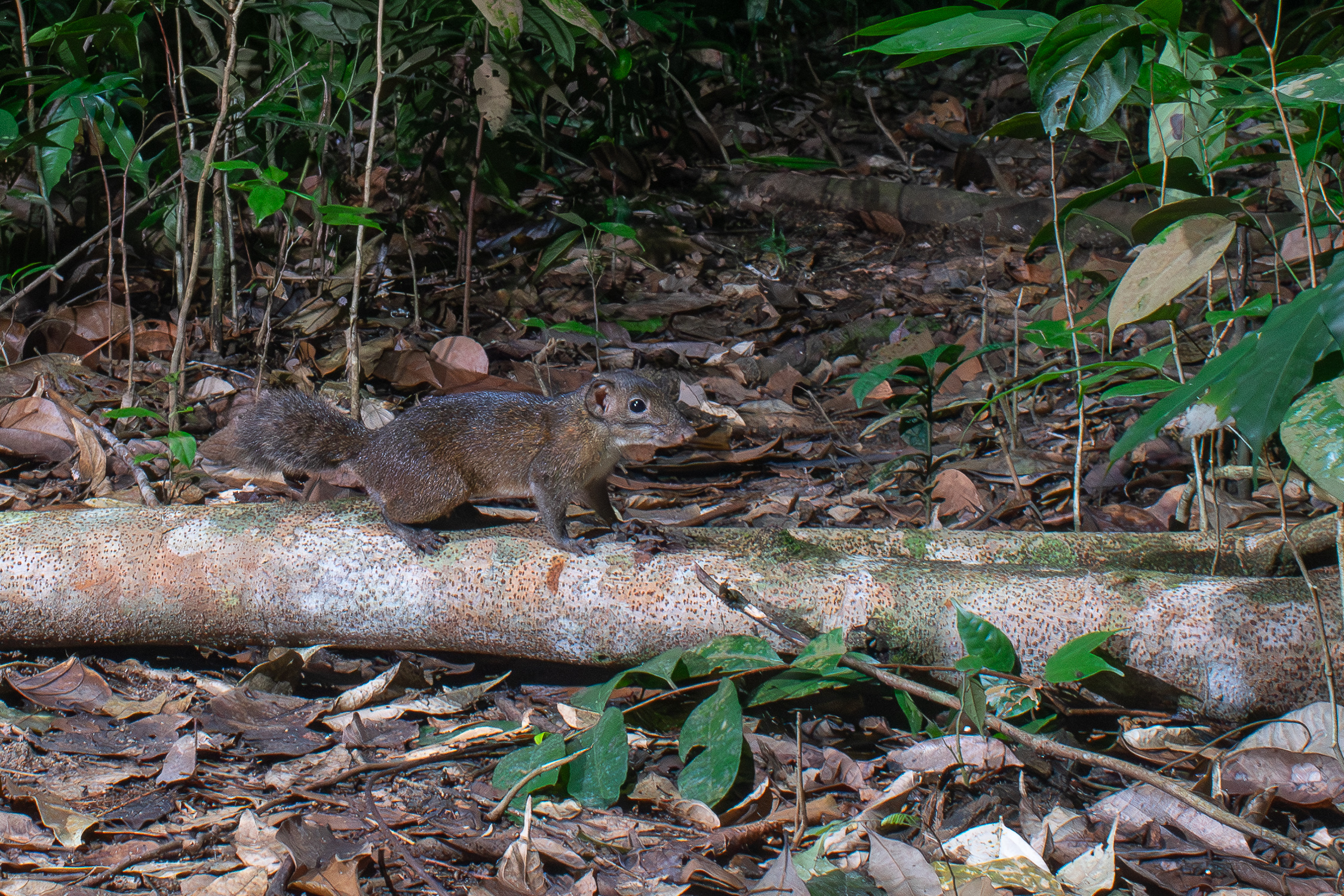
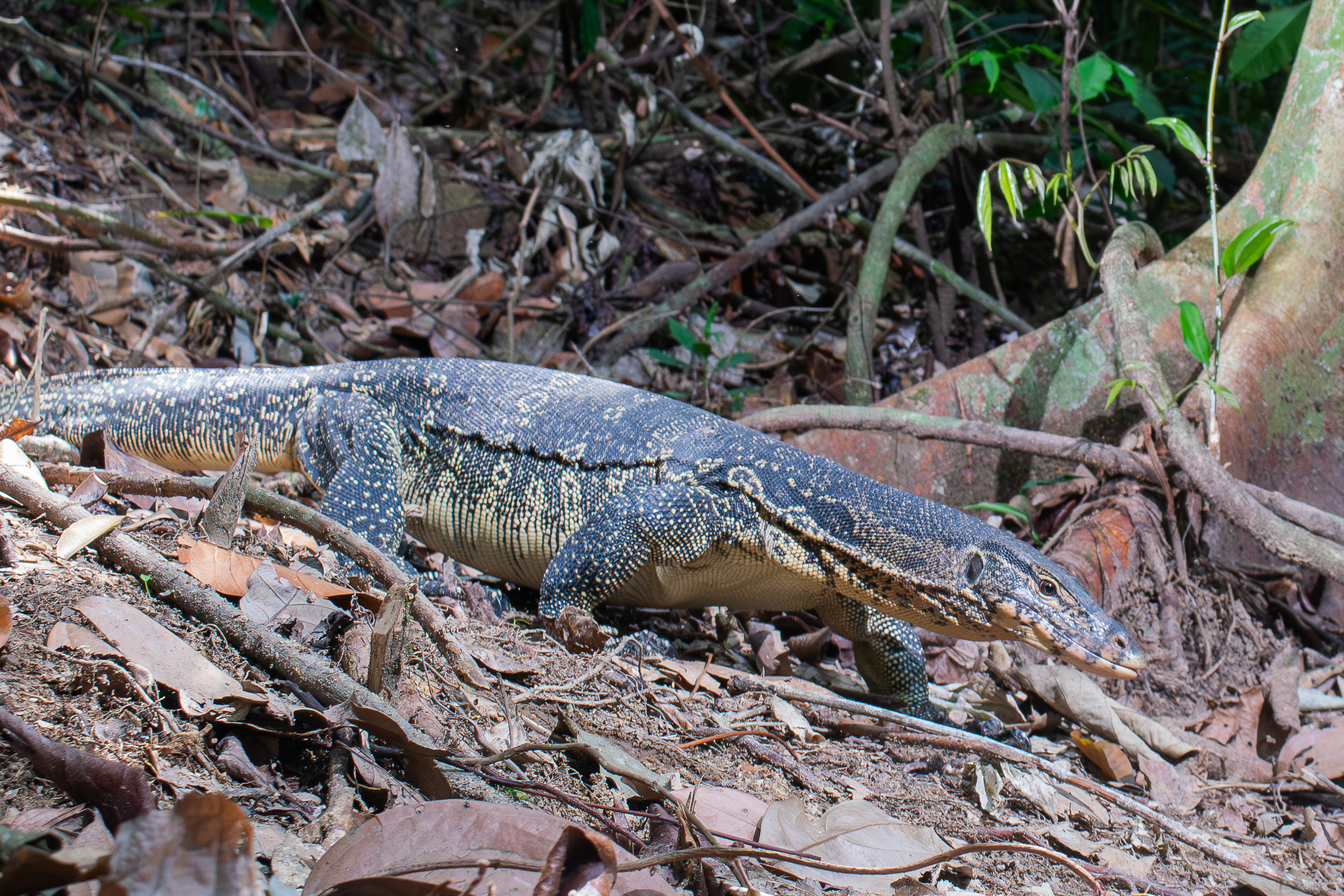
Click to watch the videos:
For Shariff, rewilding is about protection, not control
He describes himself as an amateur learning along the way. Much of the land's recovery is happening naturally, with his role focused on removing invasive plants, planting native trees, and ensuring the land remains forest rather than being converted to agriculture.
"I think my main contribution is actually purchasing the land itself," he said. By doing so, he's protected it from future development.
Looking ahead, he hopes the land will function as a healthy forest first, with any human use kept low-impact and secondary.
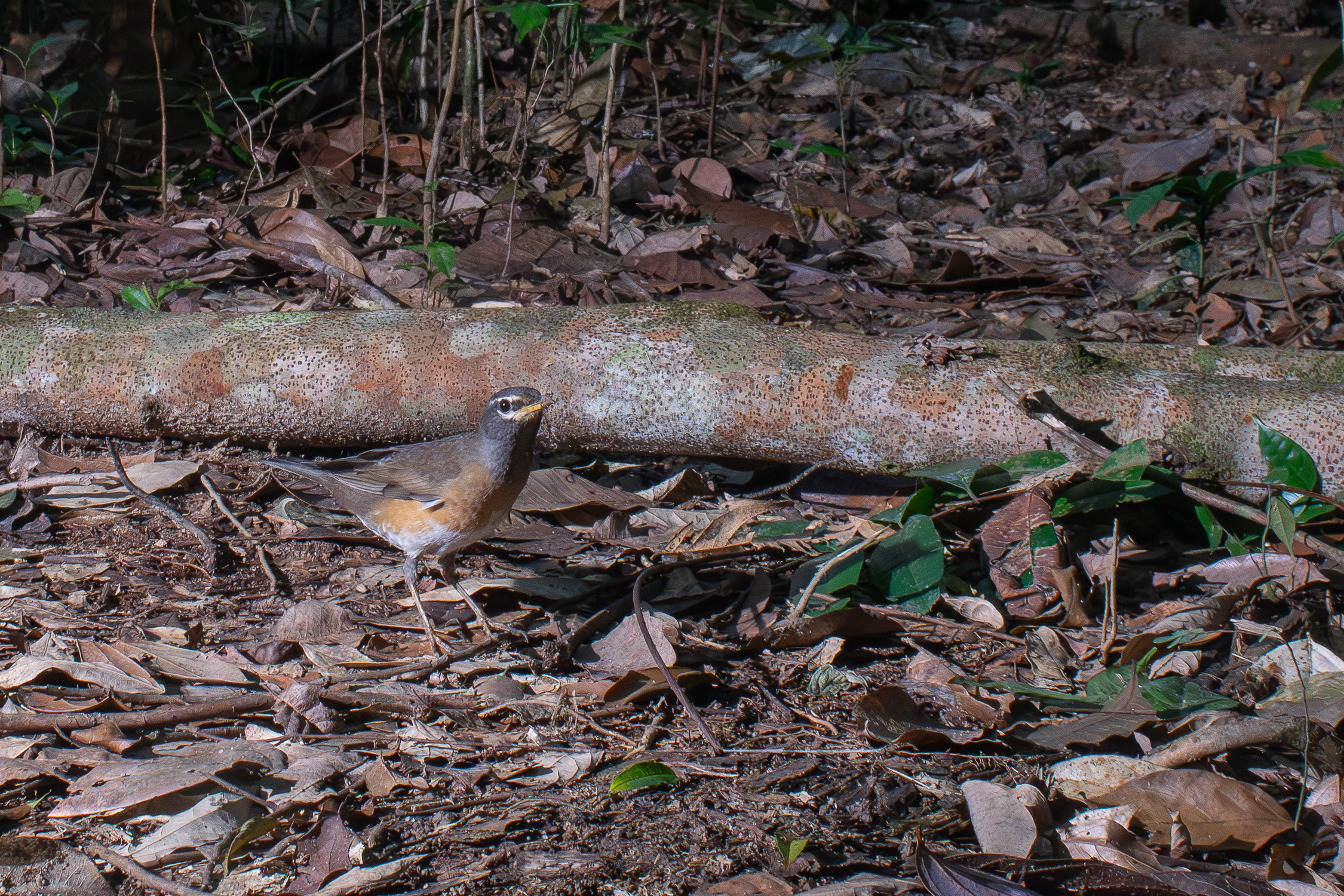
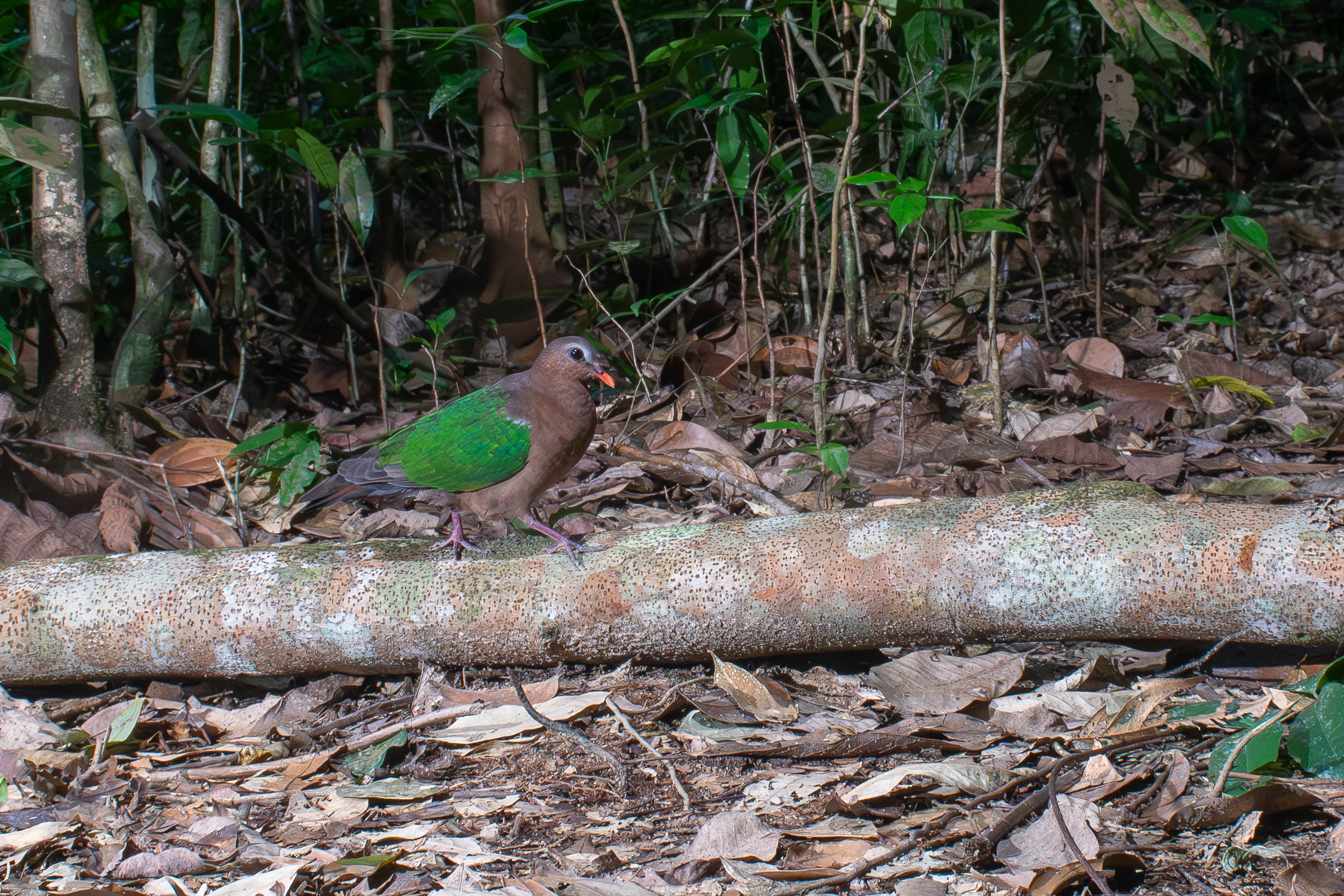
Click to watch the video:
Shariff doesn't see his three acres as a solution, but as part of a bigger picture
If more landowners, plantations, and communities protect even small patches of forest, the collective impact could be significant.
"As citizens of one of the most biodiverse countries in the world, I feel that we have a duty to ensure that Malaysia remains that way," he added.
Sometimes, that starts with letting nature do what it has always done — just 45 minutes from the city.
You can follow Shariff's journey here.
