


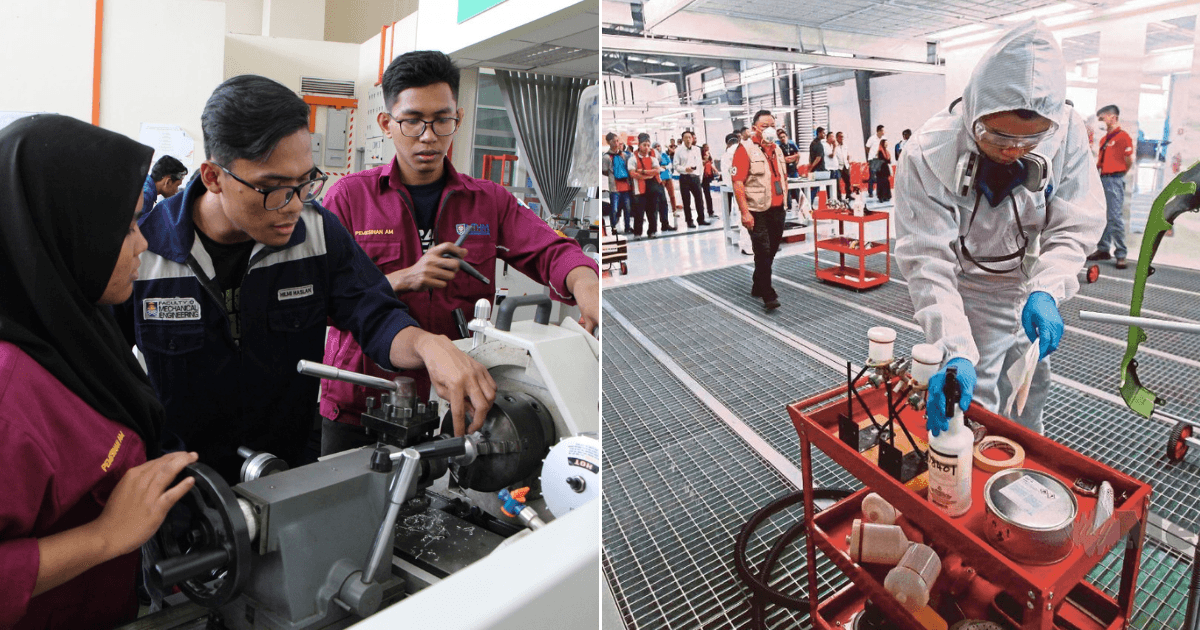
 Cover image via
 Follow us on Instagram, TikTok, and WhatsApp for the latest stories and breaking news.
This Spotlight is sponsored by the Ministry of Investment, Trade and Industry.
Malaysia is in the middle of reshaping its economy, and the types of in-demand jobs could look very different by the end of the decade
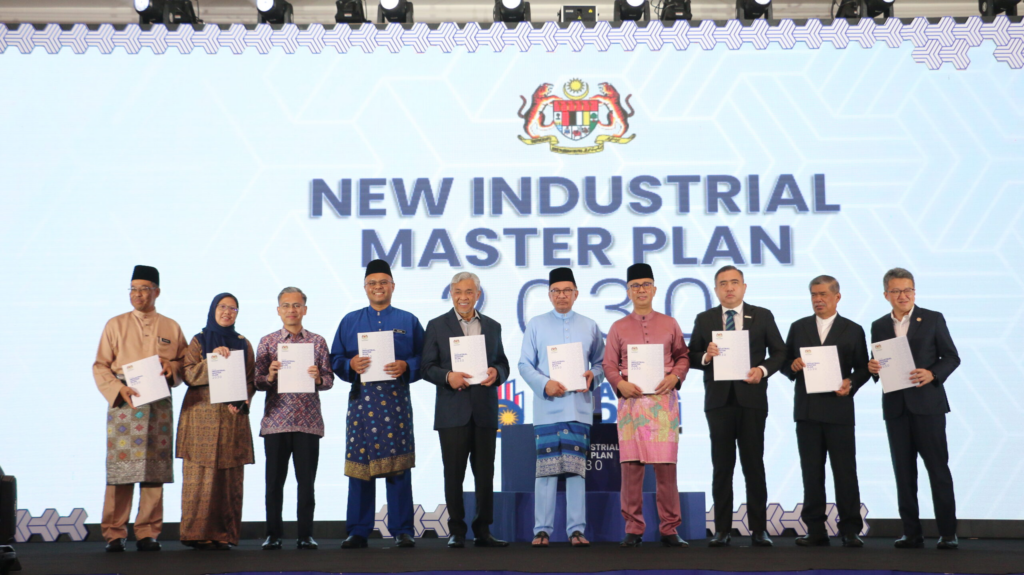
At the centre of this shift is the National Industrial Master Plan (NIMP) 2030, a government roadmap designed to transform Malaysia into a high-tech, high-value manufacturing economy.
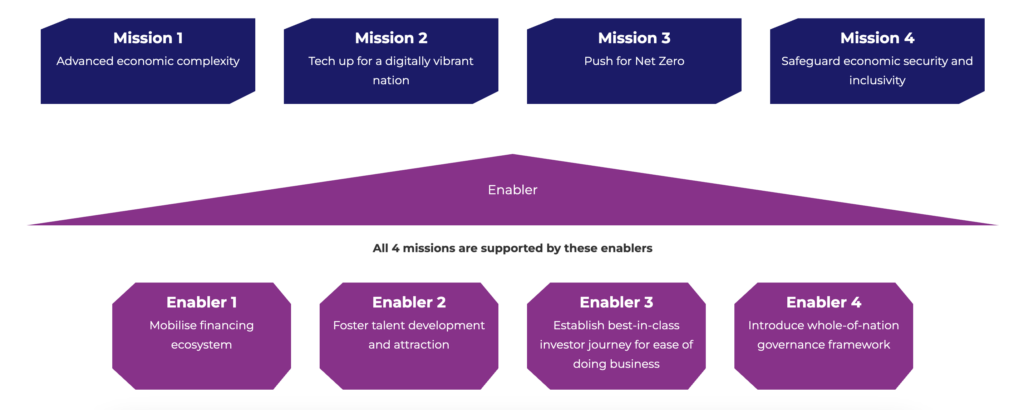
The roadmap is structured around four main missions:
- Advancing economic complexity
- Accelerating technology adoption and digitalisation
- Supporting the transition toward net-zero industries
- Strengthening economic security and inclusivity
ㅤ
Rather than relying heavily on traditional manufacturing, the plan aims to tap onto emerging global trends.
This means we could soon see a growth of industries such as semiconductor fabrication, EV manufacturing, robotics-driven factories, and renewable energy systems.
So, what does it mean for you?
Malaysia will require a new generation of skilled workers who can build, operate, and maintain these industries.
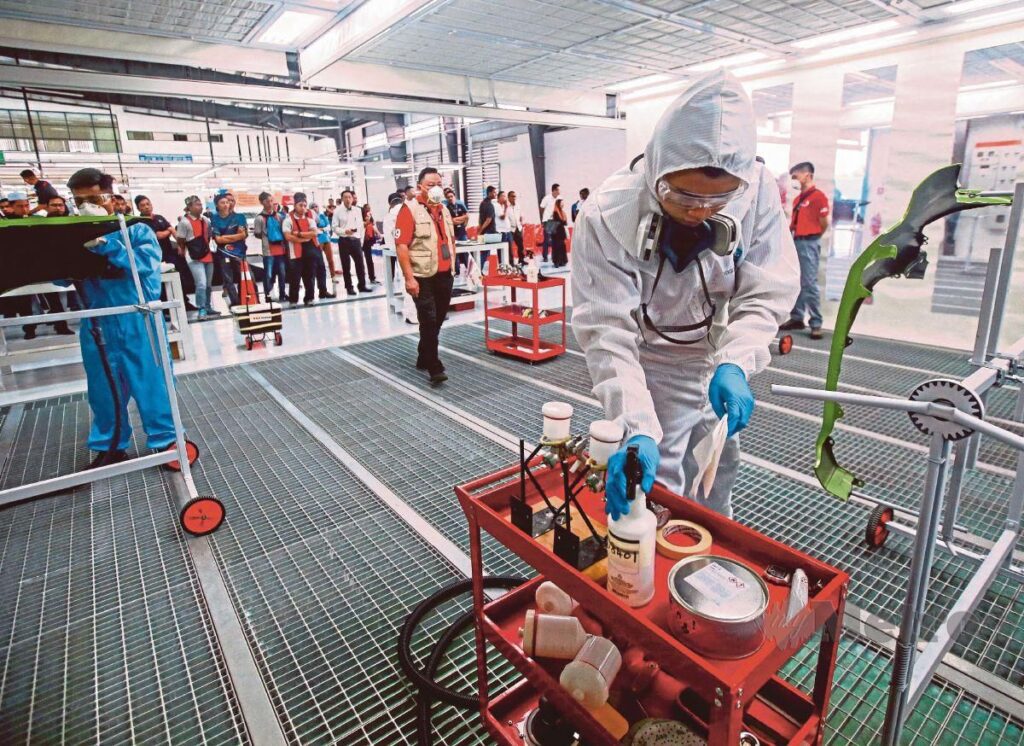
Building these industries requires more than just investment and infrastructure.
Malaysia will also need a large pool of skilled workers, including engineers, technicians, and specialists trained in science, technology, engineering, and mathematics (STEM), as well as technical and vocational education and training (TVET).
That's why the government has allocated RM7.9 billion for TVET under the 2026 Budget, an increase from RM7.5 billion previously.
Many of the jobs in 2030 may look very different from today
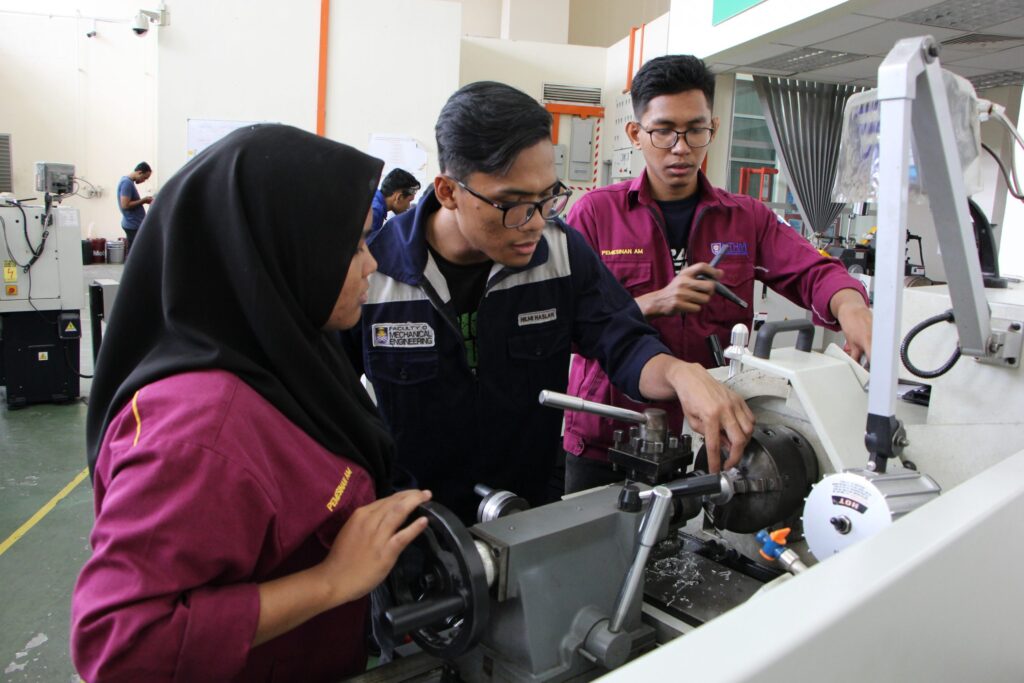
As industries evolve, the types of jobs available will evolve with them. Future manufacturing roles are increasingly tied to automation, robotics, and advanced technologies.
This means demand could grow for high-skilled roles such as:
- Industrial data and AI systems operators
- Semiconductor fabrication engineers
- Robotics and automation technicians
- Electric vehicle battery specialists
- Aerospace maintenance engineers
- Renewable energy technicians
ㅤ
Factories themselves are also changing. Instead of traditional assembly lines, many facilities are moving toward "smart factories" powered by sensors, robotics, artificial intelligence, and Internet of Things (IoT) systems. Workers will increasingly need to understand both technical machinery and digital systems.
TVET programmes, in particular, provide an attractive career path for students still considering what to study
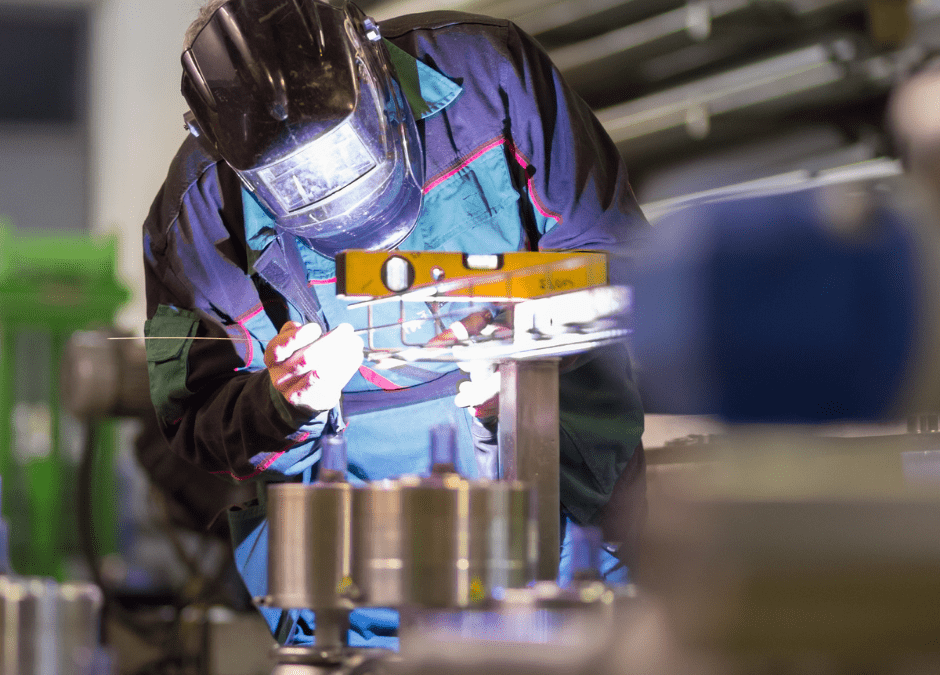
For many years, TVET was often viewed as a secondary or fallback option compared to university degrees. However, that perception has been gradually changing.
In 2025, TVET enrolment climbed up to 492,000 students, compared with 432,000 previously. In terms of employability, government data also showed that 95.1% of TVET graduates secured a job, with some vocational colleges reporting even higher rates.
TVET programmes are increasingly being seen as a key pathway into high-tech industries. With a 70% practical and 30% theory structure, it allows students to gain hands-on experience with equipment and real-world industry processes, aligning closely NIMP 2030's goal of raising a high-skilled workforce.

Despite growing interest in technical education, Malaysia still faces a talent gap.
For example, the National Semiconductor Strategy aims to train and upskill 60,000 engineers, highlighting how large the demand for technical talent could become.
If you're a student or young professional considering a career shift, this could be an opportunity for you to set yourself up for success
Instead of focusing on traditional career paths alone, it may be helpful to think about future industry demand when deciding what to study or upskill in.
Beyond formal education, workers may also benefit from continuously upgrading their skills, particularly in areas such as digital technology, automation systems, and artificial intelligence.
