


 Cover image via
 Some days, you just can't help but feel like you need a full shower before bedtime
But on the flipside, you've probably also heard your mum, your nenek, or that one makcik who always has health tips on standby say, "Eh, jangan mandi malam, nanti masuk angin!" ("Don't take nighttime showers or you'll catch a chill!")
But how much of that advice is based on real science, and how much is just inherited folklore?
The belief that showering at night can make you sick is deeply rooted in Asian households
For many Malaysians, especially those from Chinese or Malay backgrounds, there's a common belief that showering at night, especially after 9pm, can cause health issues like colds, "masuk angin", or even joint problems over time.
It often ties into traditional ideas of balance in the body. Cold water is said to disrupt your internal "heat", weaken your immune system, and let "wind" enter your body, potentially triggering discomfort or illness.
While these ideas stem more from traditional medicine than modern science, they continue to influence how many people go about their daily routines.
But modern science says there's no actual harm in showering at night — as long as you do it right
From a medical standpoint, showering at night is not harmful to your health. In fact, it can be good for you — especially if you live in a hot, humid country like Malaysia.
A warm shower before bed helps regulate your body temperature and signals to your brain that it's time to sleep, improving overall sleep quality.
It also washes off allergens, bacteria, and sweat — which is especially helpful for people with eczema or acne-prone skin.
The only catch? Avoid cold water if you're already fatigued, and never go to bed with wet hair or damp clothes.
That's when your body might feel strained — not because of "angin", but because of basic thermoregulation and discomfort.
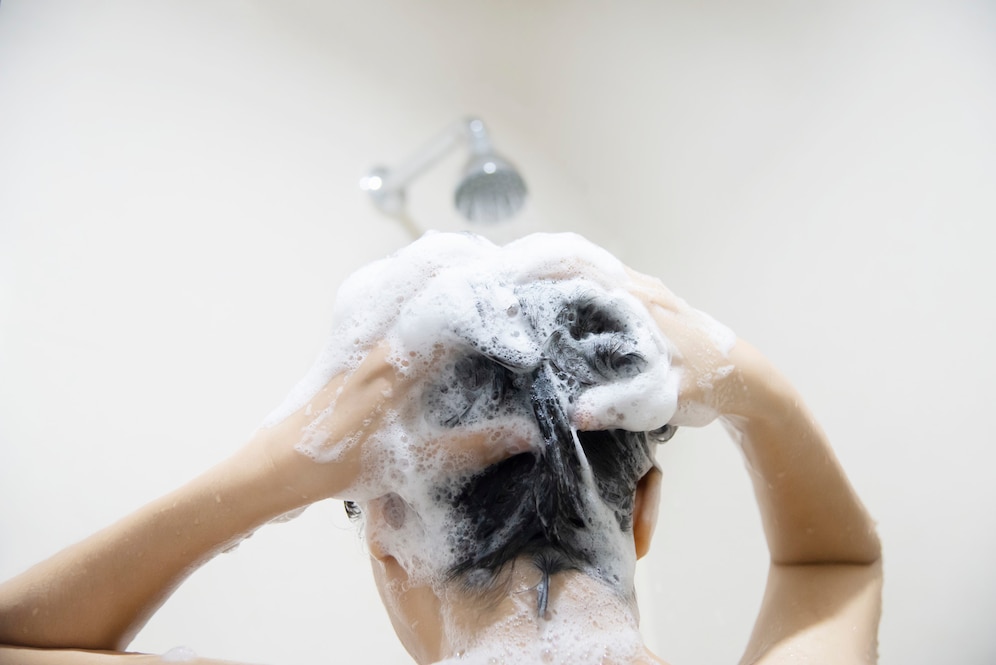
Image via jcomp/Freepik
But traditional beliefs aren't completely baseless — they're just framed differently from science
To be fair, when your grandmother said "masuk angin", she was likely describing real symptoms: chills, fatigue, maybe even light body aches.
These can totally happen if someone takes a cold shower, then sits under a fan or blasts the aircond without drying off properly.
In that sense, traditional advice overlaps with modern health wisdom: avoid sudden temperature changes, and make sure you're warm and dry before sleeping.
Image via lifeforstock/Freepik
So if you love showering at night, there's really no need to stop doing it
As long as you're not stepping into a freezing cold shower when your body's exhausted, or sleeping with soaking wet hair, you're totally fine!
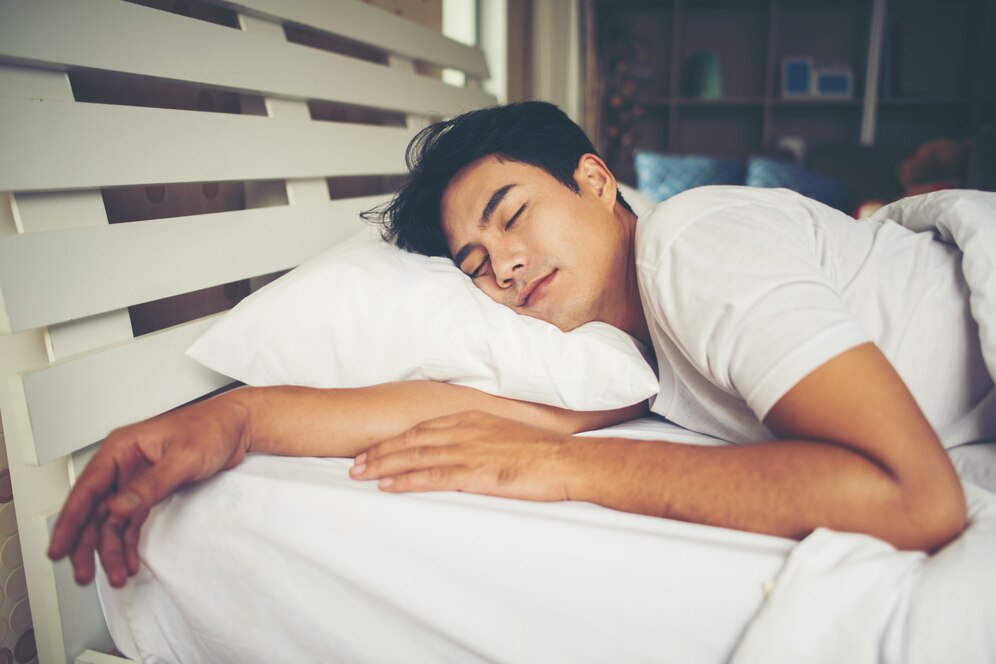
Image via jcomp/Freepik

