


 Cover image via
Follow us on Instagram, TikTok, and WhatsApp for the latest stories and breaking news.
If you've ever thrown your food into the microwave without thinking, you're not alone
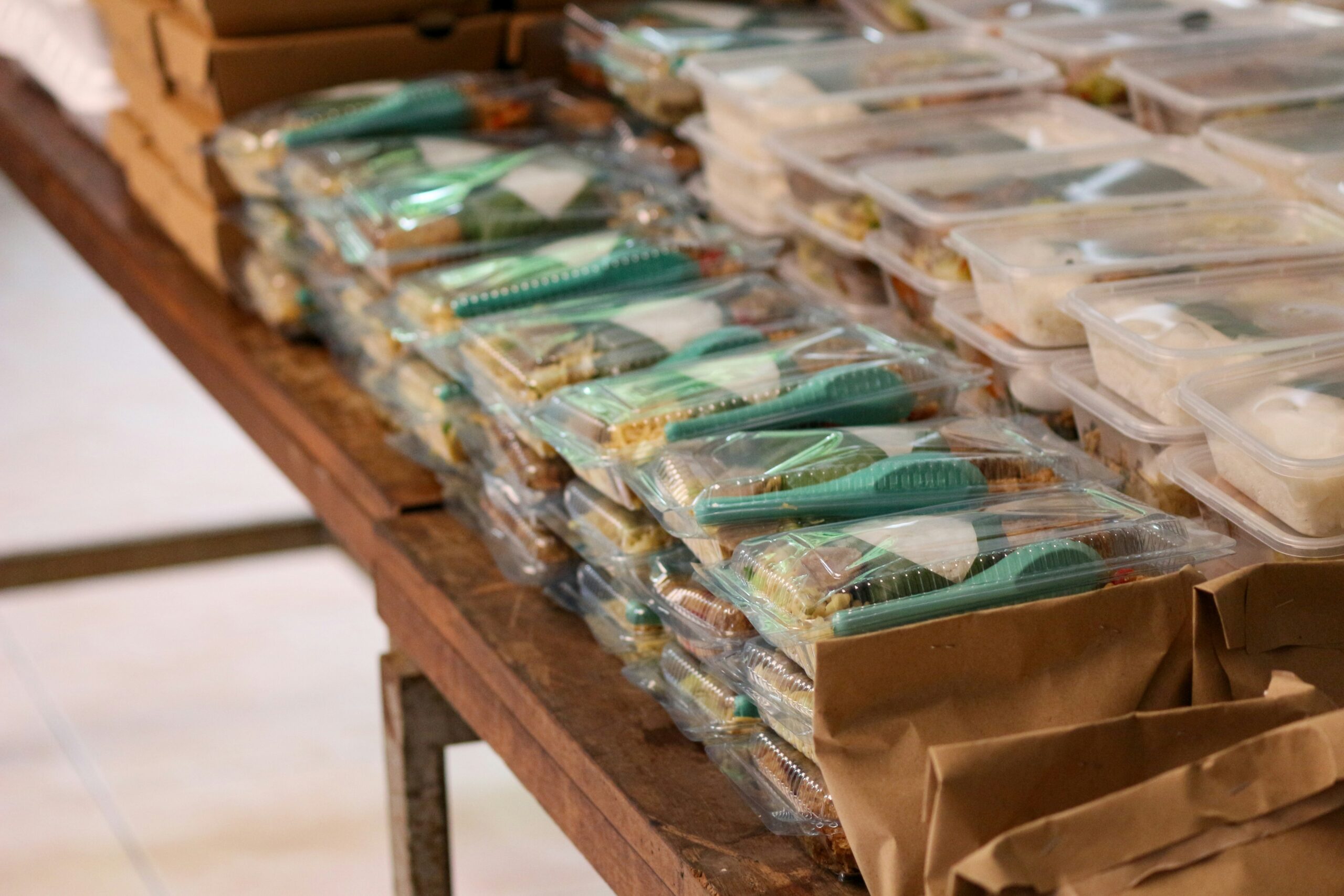
But here's the thing, not every kind of container that holds food is meant to go into the microwave. The type of material matters, and knowing the difference could save you from unwanted chemicals or a messy kitchen disaster.
When it comes to plastics, not all can handle the heat
Some release harmful chemicals like BPA or phthalates when exposed to high temperatures. When in doubt, look for the microwave-safe label (a little squarish microwave icon).
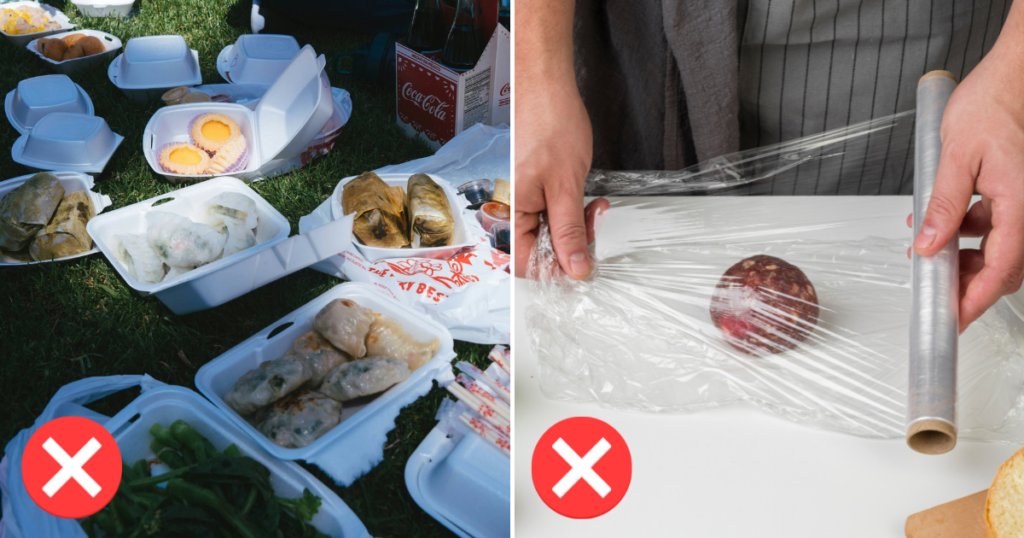
Plastics that are especially unsafe in the microwave :
- Styrofoam: Often used for economy rice and other food items like fried rice and fried noodles. It can melt, warp, and leach chemicals when heated.
- PVC: Sometimes used in cling wraps and disposable forms packaging, which can release toxic substances when hot.
- #7 plastics: Usually a mix of different plastics, often containing BPA, which should be avoided.
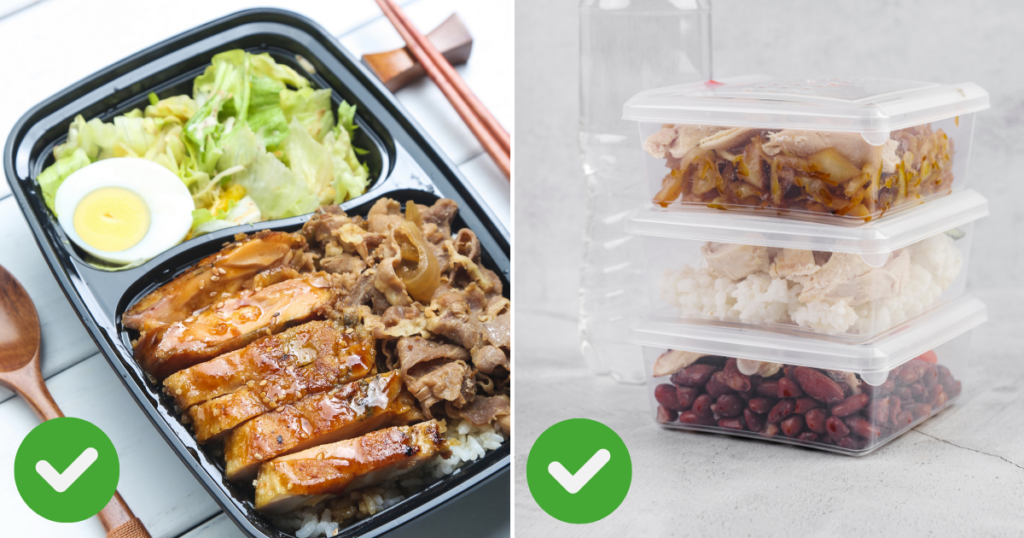
Plastics that are safer for the microwave :
- Polypropylene: Usually found in sturdier takeaway boxes (like those bento-style packs from food delivery). They can handle higher heat.
- Polycarbonate alternatives (BPA-free): Newer reusable food containers often state "BPA-free" and are generally safer if microwave-safe is printed.
But what about paper food boxes? While they may seem harmless, the grease-proof linings and coatings can cause issues.
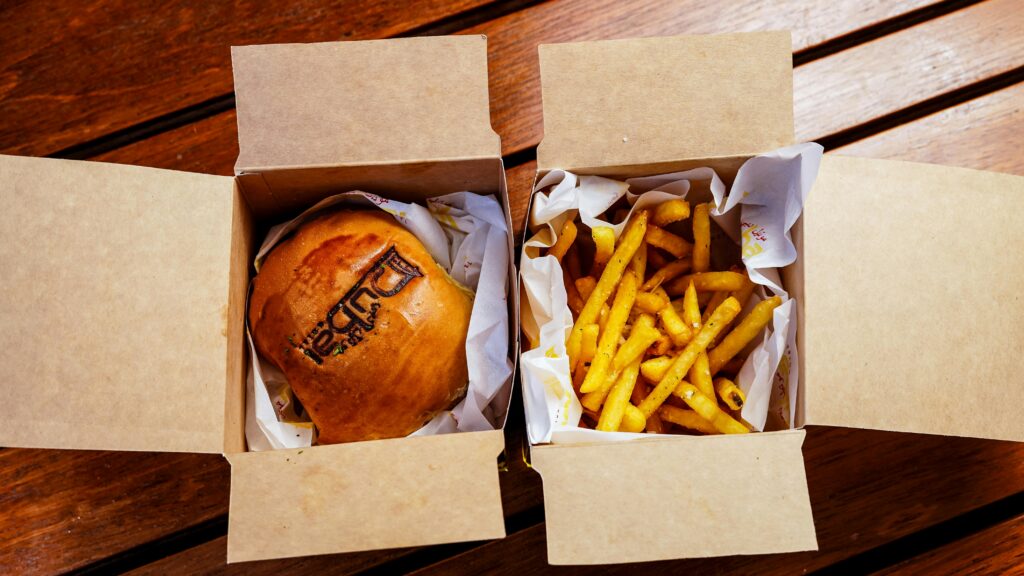
Most food boxes aren't just plain cardboard. Many are lined with wax, plastic, or grease-proof coatings to hold oily dishes like nasi lemak or fried chicken. When microwaved, these linings can melt, release chemicals, or cause the box to warp.
If the cardboard takeaway box is unlined (purely made of cardboard), it's generally safer, but only for short reheats.
Glass containers are safe, but watch out for cracks
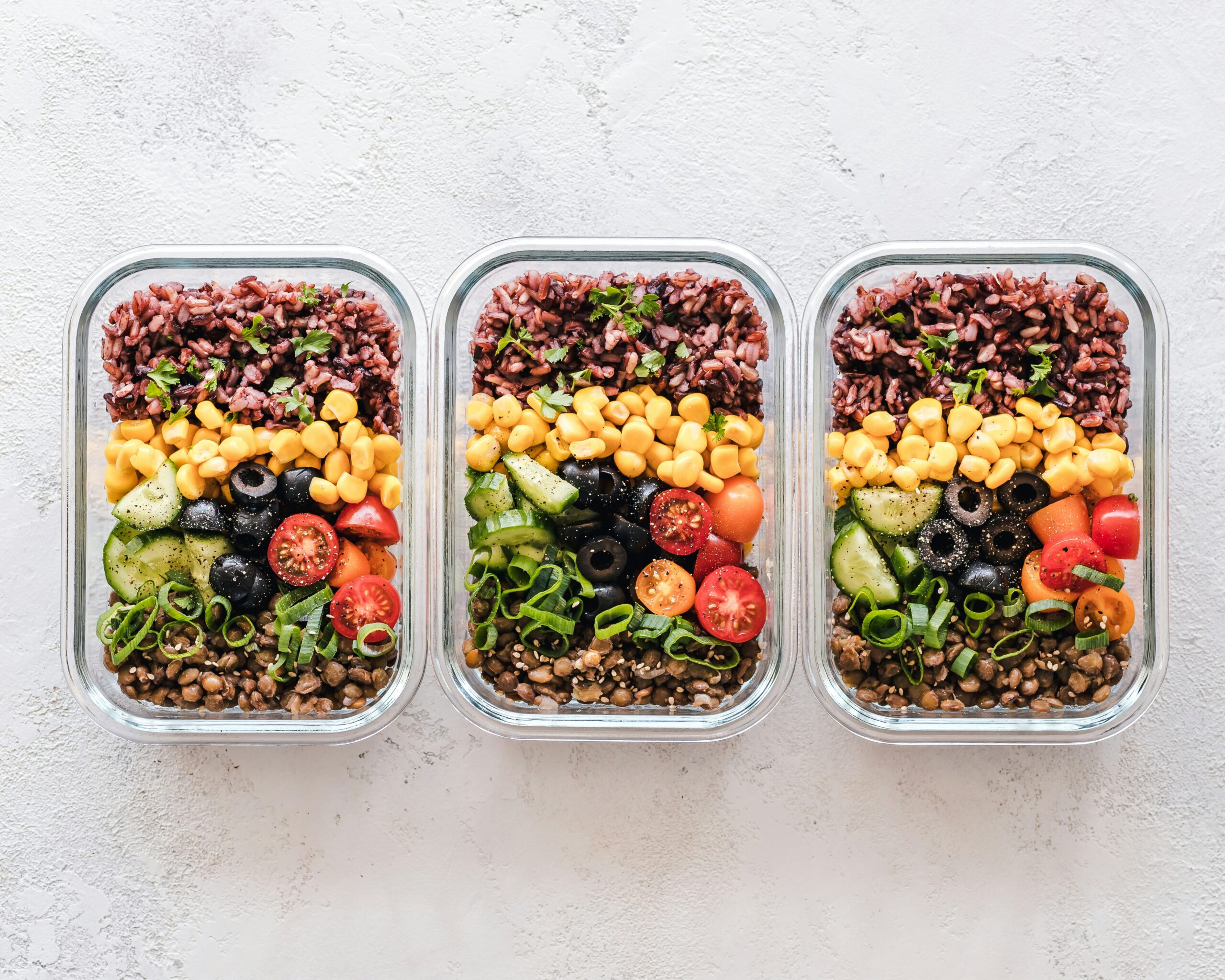
Glass is one of the best options for microwaving because it doesn't release chemicals. However, if your container has cracks or chips, heating can cause it to shatter. Also, never place cold glass straight into a hot microwave, the sudden temperature change might cause it to break.
Ceramic is also safe, but avoid the ones with metallic paint or trims
Plain ceramic bowls and plates work perfectly in the microwave. But decorative ceramics, especially those with gold or silver linings, can spark inside the oven.
Aluminium foil and metal containers should never go into the microwave
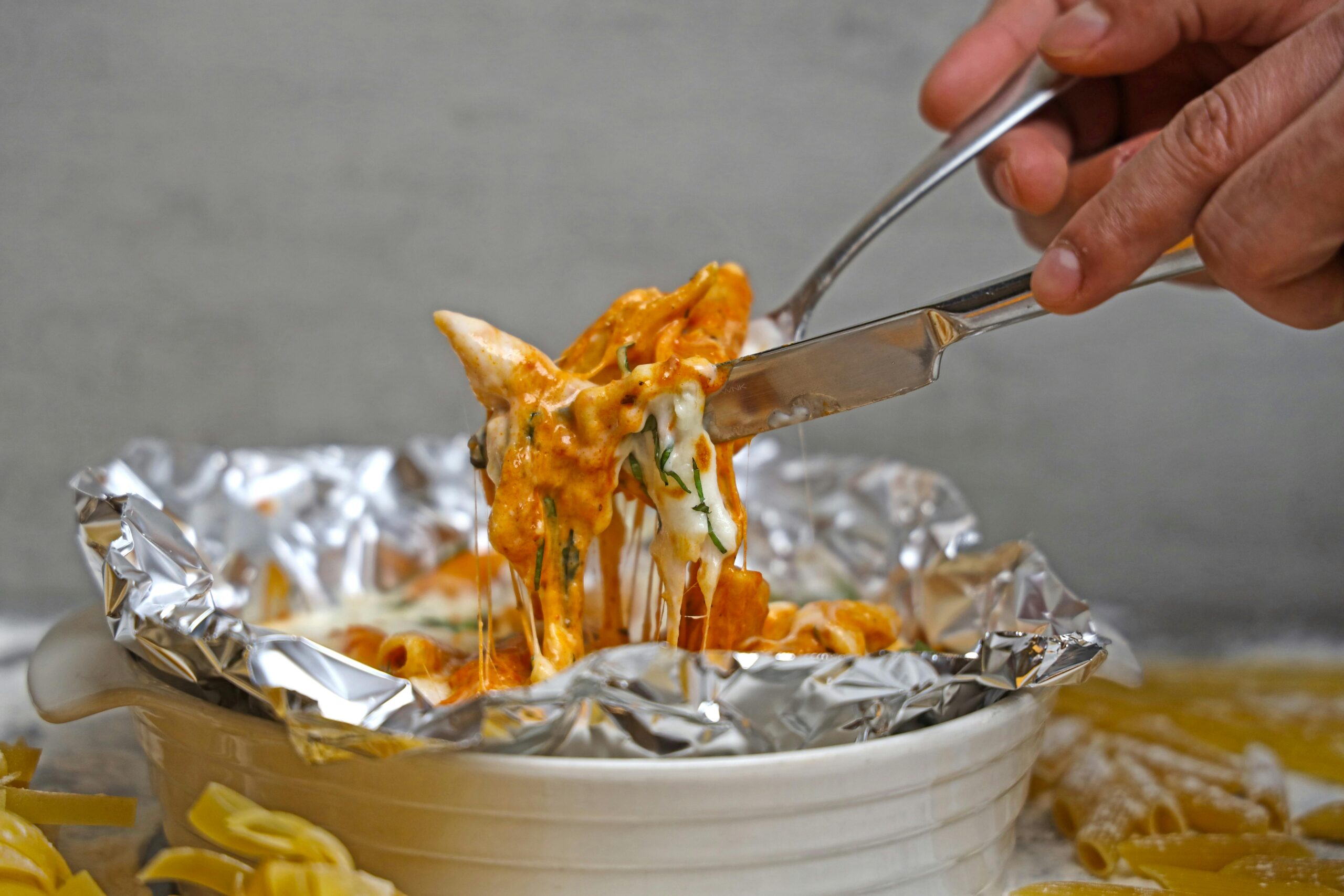
This is the golden rule: Metal and microwaves don't mix. Sparks fly, literally. Aluminium takeaway packs, foil lids, or stainless steel bowls should all be avoided. Transfer your food to another container before heating, no matter how tempting it is to save on washing up.
At the end of the day, microwave-safe plastic, glass, and ceramic are your safest options
When in doubt, just transfer your food into a container you know is safe. It might mean an extra dish to wash, but it'll save you from harmful chemicals and sparks flying in your kitchen.
