


 Cover image via Canva Teams
Follow us on Instagram, TikTok, and WhatsApp for the latest stories and breaking news.
So you've been told your laksa "tastes just like grandma's cooking", or your brownies could "totally sell one day"
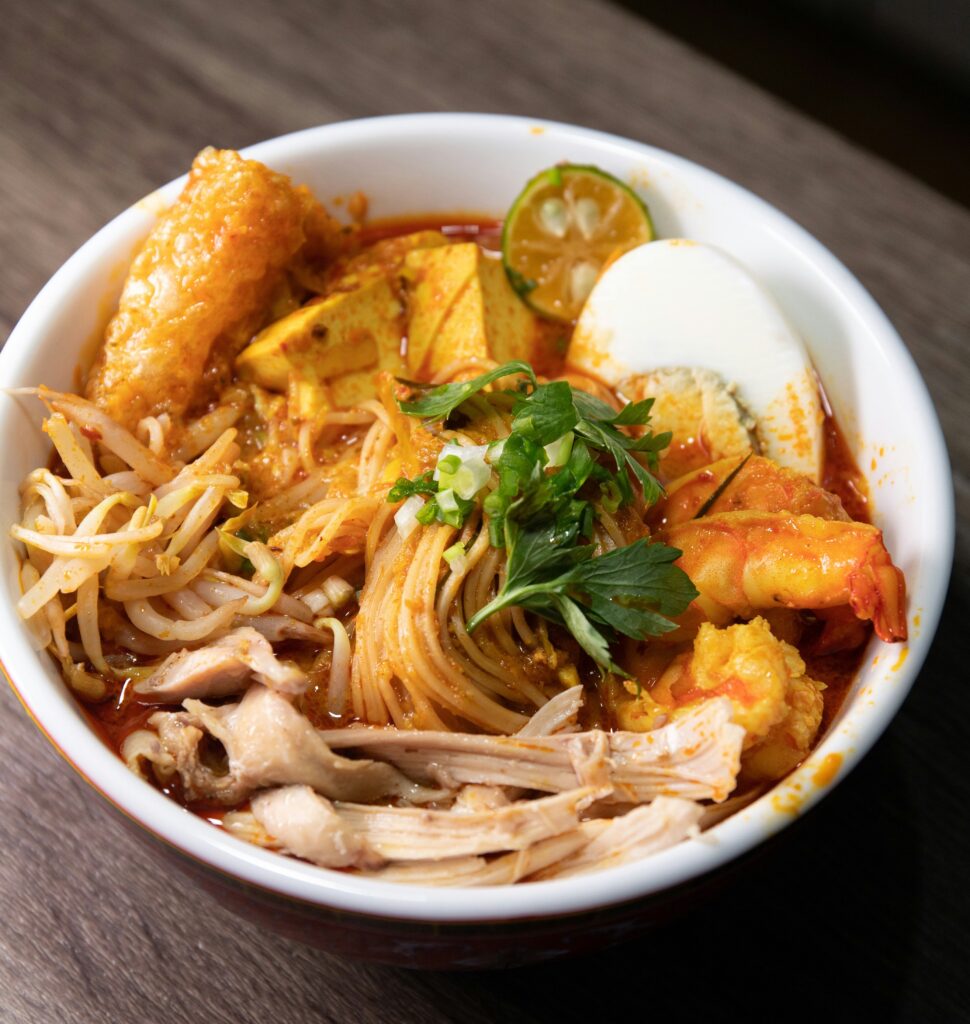
But cooking for leisure and cooking as a business are totally different.
Before you turn your passion into a career, it's important to know what starting a food business in Malaysia entails — this includes paperwork, hygiene standards, and playing by the rules.
Here's a step-by-step guide to starting a food business in Malaysia:
ㅤ
STEP 1: Register your business
Before you can start collecting cash from customers, you need to register your business with the Companies Commission of Malaysia (SSM). This gives your business a legal identity and lets you apply for other licences later.
You can register as:
- Enterprise / Sole Proprietorship (simple, affordable, ideal for small setups)
- Partnership (if you're running it with a friend or family member)
- Private Limited Company, Sdn Bhd (for bigger ventures that need investors or want to scale)
ㅤ
Registration is straightforward. Just pick a business name, list your nature of business (e.g. food stall, home catering), and register via SSM's ezBiz portal.
Once approved, you'll receive your registration certificate.
ㅤ
STEP 2: Understand what licences you need
Food is heavily regulated in Malaysia. To operate legally, you'll need to comply with several key requirements:
- Business premises licence: Issued by your local council (PBT). It confirms your business location is approved for commercial use.
- Signboard licence: Required if you're displaying any signage outside your shop or stall.
- Food premises registration: Under the Health Ministry (KKM) via FOSIM (Food Safety Information Malaysia). This is a must for any premises handling, preparing, or selling food.
- Food handling course and typhoid vaccination: Every person handling food must attend a KKM-approved food handling course and receive a typhoid jab from a registered clinic.
- Fire and safety approval: If your setup involves cooking, exhaust systems, or open flames.
ㅤ
Rules can vary between councils. What DBKL requires might differ slightly from MBPJ or MBPP, so it's always wise to double-check your local council's website.
ㅤ
STEP 3: Get certified for food safety
Malaysia has strict hygiene laws under the Food Act 1983 and Food Hygiene Regulations 2009, which require all food operators to maintain safe, clean, and pest-free environments.
If you're scaling up beyond small batches or want to sell to retailers, you may want to look into these certifications:
- MeSTI (Makanan Selamat Tanggungjawab Industri), a basic food safety certification by KKM for SMEs.
- GMP (Good Manufacturing Practice) and HACCP (Hazard Analysis and Critical Control Points). These are more advanced standards usually required for manufacturing or exporting food products.
- Halal certification (JAKIM), optional unless you're targeting Muslim consumers, but highly recommended for credibility.
ㅤ
STEP 4: Prepare next steps based on your setup
Being a homebaker and opening a café will require you to go through very different processes. Here's a rough idea of what you'll need depending on your setup.
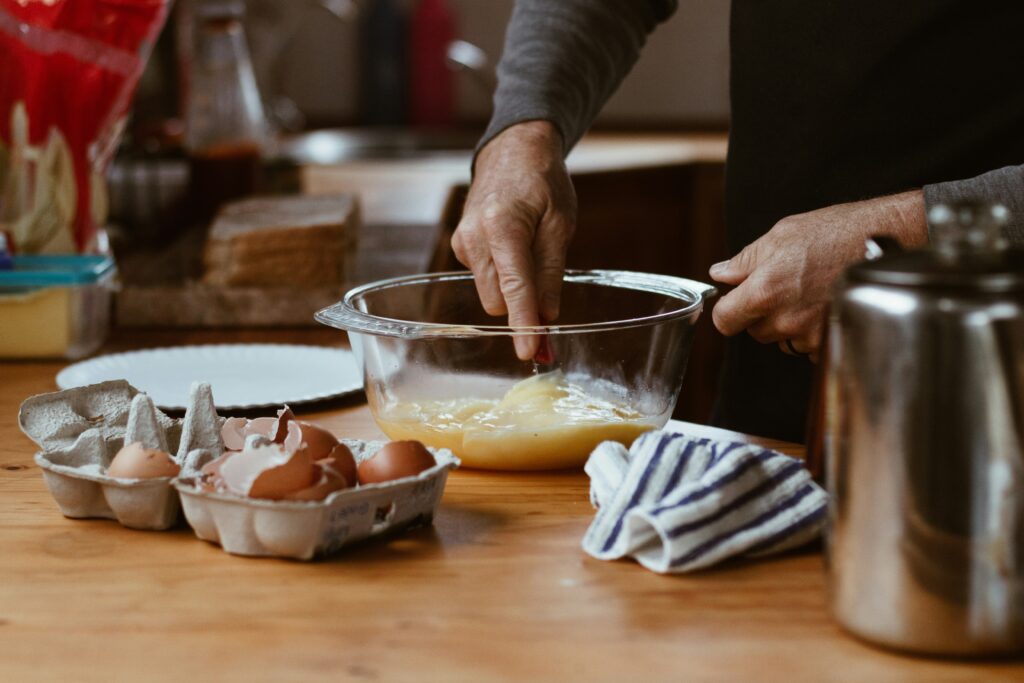
Home-based business
Example: Selling cookies from home, sambal business on Instagram
- Register with SSM
- Food handler training and vaccinations
- Maintain a clean, separate kitchen area for business use
- Label your food (ingredients, expiry date, allergens) if it's packaged
- Follow your local council's home business guidelines
ㅤ
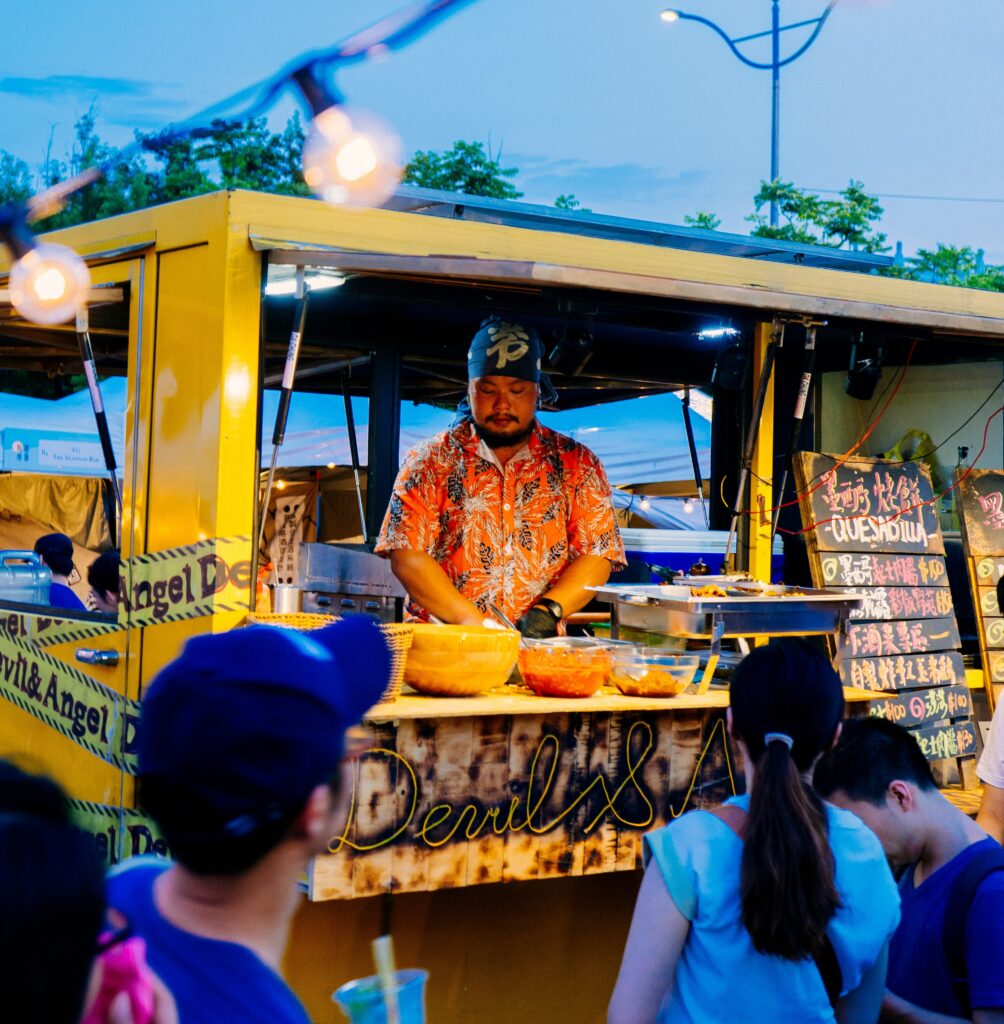
Roadside stall, food truck, or pop-up vendor
Example: Char koay teow truck, nasi lemak stall by the roadside
- SSM registration
- Food premises registration
- Local council mobile hawker licence — this gives you permission to operate within designated areas or events
- Vehicle permit
- Food handler training and vaccinations for all staff
ㅤ

Pasar malam or event-based business
Example: Vendor at night market, ice cream shop at food festival
- Stall licence or vendor permit from the local council
- Approval to operate within the market's allocated space
- Food premises registration (if you're serving cooked items)
- Food handler training and vaccinations
ㅤ

Café or full restaurant
Example: Café serving full breakfast menu, cakes, and drinks
- SSM registration
- Business premises licence and signboard permit
- Fire safety clearance
- Food premises registration
- Food handler training and vaccinations
- Halal certification (optional, but beneficial)
- Additional permits for alcohol, outdoor seating, entertainment, etc., depending on your concept
ㅤ
Renovation plans often need pre-approval from the local council, especially for kitchens with gas lines, grease traps, or exhaust systems.
Pro tip: Always apply early. Some councils take up to two months to process restaurant licences and inspections.
ㅤ
Once your food business is running, that's just the beginning
There will be many other things to stay up to date with between your cooking and cleaning. From taxes, EPF, and SOCSO contributions for your employees, to keeping track of all your purchases, sales, and food supplier invoices, these are things that you need to set in place when running a food business.
But don't fret.
Start where you can — a small pop-up, home kitchen, or night market stall — and treat it like a real business from day one.
Who knows where your passion might take you?
