


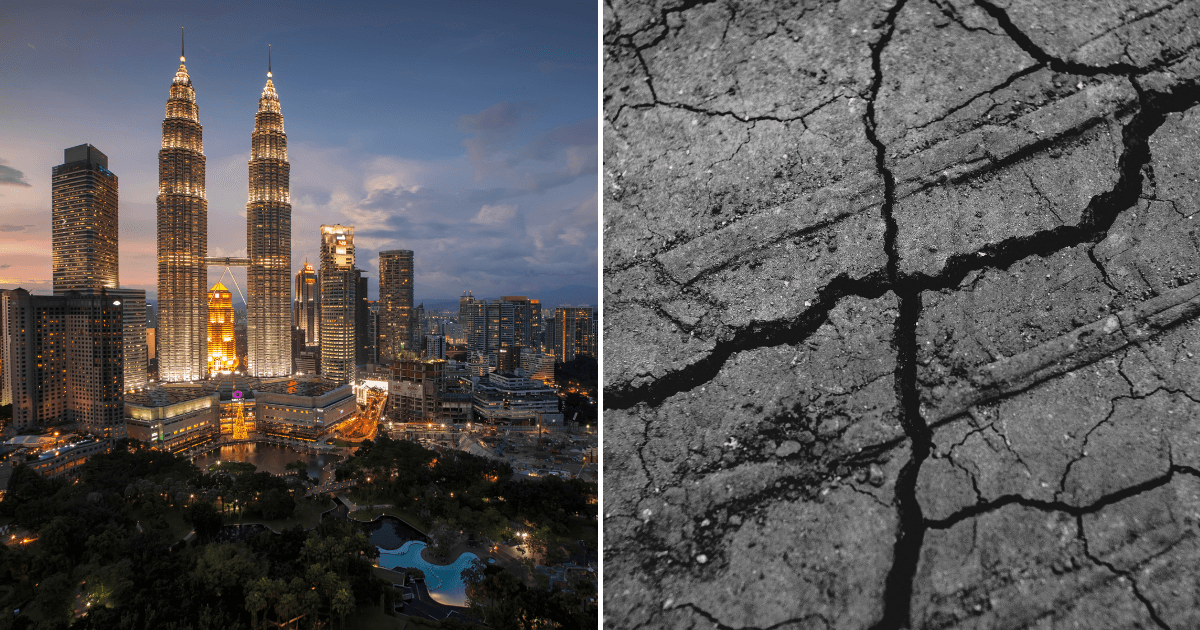
 Cover image via
Follow us on Instagram, TikTok, and WhatsApp for the latest stories and breaking news.
Following the recent tremors that hit several states in Malaysia, many are left wondering if earthquakes are common here
The short answer is not really, but the recent tremors show it's not entirely impossible.
Here's what experts say about Malaysia's geology and the risk of earthquakes.
Malaysia is generally safer, as it does not sit on a major fault line
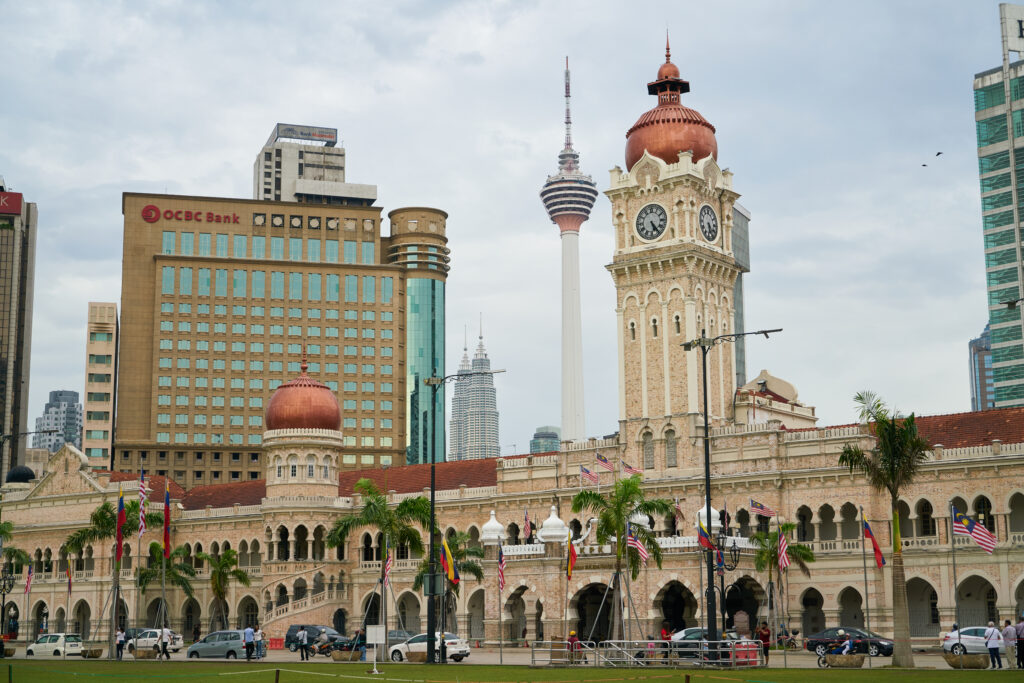
Unlike Japan or Indonesia, Malaysia sits on the relatively stable Sunda Plate, making it less prone to large, destructive earthquakes.
According to the Institute of Geology Malaysia, there are seven main fault lines in Peninsular Malaysia:
- Bok Bak Fault
- Lebir Fault
- Terengganu Fault
- Bukit Tinggi Fault
- Kuala Lumpur Fault
- Lepar Fault
- Mersing Fault
"Generally, these fault lines in Peninsular Malaysia are stable but there have been low to medium scale tremors recorded in a few locations," said Professor Dr Edy Tonnizam Mohamad, the Director of the Centre of Tropical Geoengineering at Universiti Teknologi Malaysia.
So, why do we still feel tremors?
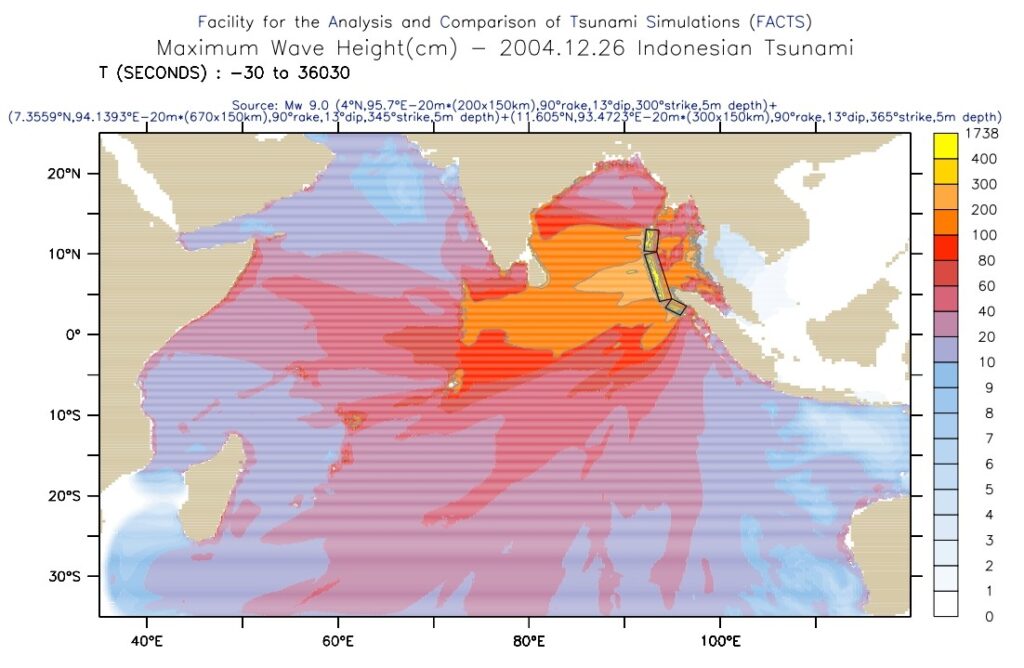
While Malaysia is not placed directly on an active fault line, we can sometimes still feel tremors from neighbouring earthquakes. These primarily come from countries like Indonesia and the Philippines.
Indonesia, for example, is directly on the Sumatra Fault Zone, which was responsible for the 2004 Indian Ocean earthquake that killed at least 225,000 people.
However, Malaysia has experienced local quakes, including recent tremors along the Mersing Fault Line that were felt across West Malaysia. Experts have suggested that local authorities adopt measures to better understand seismic activity and set up warning systems to relay crucial information to residents.
Should this be concerning to Malaysians?

Malaysia is generally considered a low- to medium-risk zone for earthquakes, with most quakes recorded in Sabah. Still, you should never ignore the possible risks and know what to do in the unlikely event of an earthquake.
Being prepared for emergencies, whether it's an earthquake or related natural disasters like tsunamis, is always important. Penang and Kedah have experienced tsunami effects in the past, showing that we aren't immune to natural disasters.
Vulnerable states like Sabah continue to monitor seismic activity and improve safety standards to ensure buildings can withstand future earthquakes.
Malaysia may not be an earthquake hotspot, but our proximity to active seismic zones means tremors will continue here
While the chances of a massive disaster are low, staying informed and knowing basic safety steps is always a good idea.
