


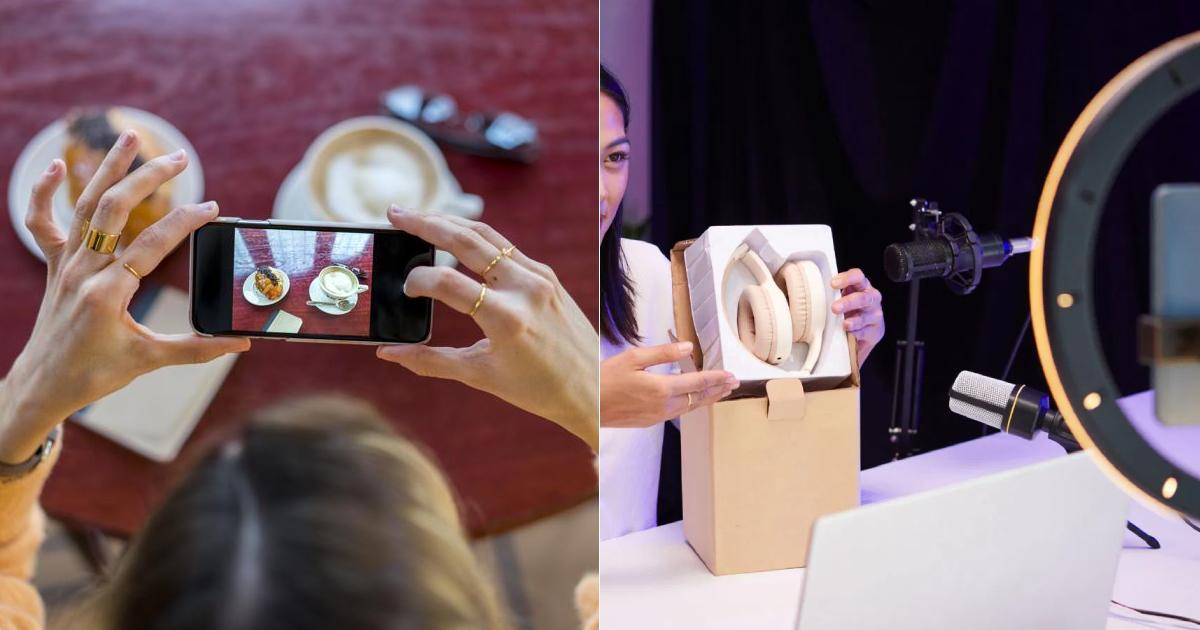
 Cover image via
Follow us on Instagram, TikTok, and WhatsApp for the latest stories and breaking news.
If you're a social media influencer in Malaysia, knowing what's considered taxable income now matters more than ever
The Inland Revenue Board's (LHDN) new guidelines clarify exactly which payments, gifts, and benefits from your online activities need to be declared, and which don't.
From cash payouts and sponsorship fees to free products, vouchers, and virtual gifts, here's what you need to know to stay compliant.
If it earns you money or provides measurable value, it's taxable
Under LHDN rules, any earnings from influencer activities are considered professional income, including payments from social media platforms like YouTube, Instagram, TikTok, and Facebook.
Influencers earn money from views, clicks, likes, follower numbers, ad placements, and subscription commissions. All of these are considered taxable, whether the platform is local or overseas, as long as the activity is carried out in Malaysia.
Essentially, any payment or benefit received from your social media activities must be declared, whether in cash or in kind.
Sponsorships and product ambassador deals are also fully taxable.
Whether it's a one-time paid review or a long-term promotional campaign, payments received in exchange for promoting a product or service are taxable.
LHDN explicitly clarifies that non-cash benefits are treated as income.
These include goods or products provided by a company, services offered, discount vouchers, free facilities, or any perks with monetary value. Even likes, emojis, or virtual gifts that can be monetised are considered taxable under the rules.
Income from selling your own products or services via social media is also included. This covers physical merchandise, digital goods such as e-books or songs, learning or training sessions, and other paid online services. Payments received from the sale of social media accounts or influencer IDs, particularly those with large followings, are also taxable.
Royalty payments for the use of images, characters, or intellectual property tied to an influencer's account, for example, a theme park paying to use Upin & Ipin characters, must be declared as income.
Similarly, payments for professional appearances, including speaking engagements, participation as judges, hosting events, participating in talk shows, podcasts or attending ceremonies in an official influencer capacity, are taxable.
Even foreign earnings are included. If an influencer is based in Malaysia and earns money from overseas platforms or companies, like Google Adsense Singapore or brand deals from abroad, LHDN treats that income as derived from Malaysia and therefore taxable.

An 'Upin & Ipin Theme Park' will soon open at King's Park, Genting Highlands.
Image via New Straits TimesOne of the biggest aspects of the guidelines is how non-cash benefits are treated
LHDN further specifies that influencers can receive payment in a variety of methods, including management fees, talent fees, participant fees, consultant fees, and others.
These can come as:
- Cash payments
- Free goods or products
- Discount vouchers
- Complimentary services or facilities
- Likes, emojis, or virtual gifts on social media
- Any other form of appreciation with monetary value
Any benefit received from influencer activity is taxable, even without a formal contract. Basically, the form of payment doesn't matter; what counts is whether it has monetary value and is tied to your promotional activity.
So, what isn't considered taxable influencer income?
While the guidelines don't provide a strict "non-taxable" list, the principle is clear: only income or benefits received from performing influencer activities are taxable. This includes:
- Personal gifts unrelated to promotions
- Benefits or perks received without any expectation of posting or advertising
- Personal expenses not connected to content creation
Hobby activity that generates no income or benefits also falls outside taxable income. However, once monetisation starts, such as sponsorships, platform payouts, or product promotions, the activity is considered professional and taxable.
What you cannot claim as deductions
Influencers can claim expenses that are wholly and exclusively incurred to generate taxable income. These include costs for Internet access, content production, filming, editing, and other professional tools. Capital allowances may apply for equipment or software if the requirements under Schedule 3 of the Income Tax Act are met.
Personal or lifestyle spending, for example, home renovations, gadgets, or travel unrelated to content creation, is not deductible, even if occasionally shown in content.
Only costs directly linked to producing income, such as content production, editing, Internet fees, or professional equipment used for work, qualify for deductions.

Some of the most common influencer arrangements sit in grey zones
Free products sent with the expectation of posting, affiliate marketing commissions, brand-sponsored trips, or long-term "friendship" collaborations may feel informal, but if promotion is involved and benefits are received, LHDN treats them as taxable arrangements.
The safest rule is simple: if you received something because of your platform, audience, or promotional activity, it likely belongs in your tax declaration.
LHDN's new guidelines remove much of the ambiguity around influencer taxation
If your social media presence generates income, benefits, or commercial opportunities, it is treated as a professional activity under Malaysian tax law.
Cash or non-cash. Local or foreign. Big campaign or small product drop. If it carries value and is tied to your influencing work, it must be declared.
For influencers, the message is simple: if it has value and comes from your influence, report it.
Read how the new guidelines affect you as a social media influencer:
Social Media Influencers: What You Need To Know About The New LHDN Rules And How They Affect You
From YouTube payouts to Instagram gifts, here's what LHDN says is taxable, and which expenses can be claimed.
