


 Cover image via Edited by SAYS
Do you find yourself throwing away food instantly right after the expiry date?
Image via Giphy
Ok, maybe not like this.
Here's the thing – you could be wasting a lot of good food! Contrary to popular belief, some foods are still edible after the expiry date!

Image via Giphy
There are a lot of different definitions for expiry dates at this day and age. Generally, you'll see three types of expiration dates on your food, and they all mean slightly different things.

So, if you're tired of wasting some perfectly edible food, here are 11 foods that can be eaten past the expiry date:
1. Bread
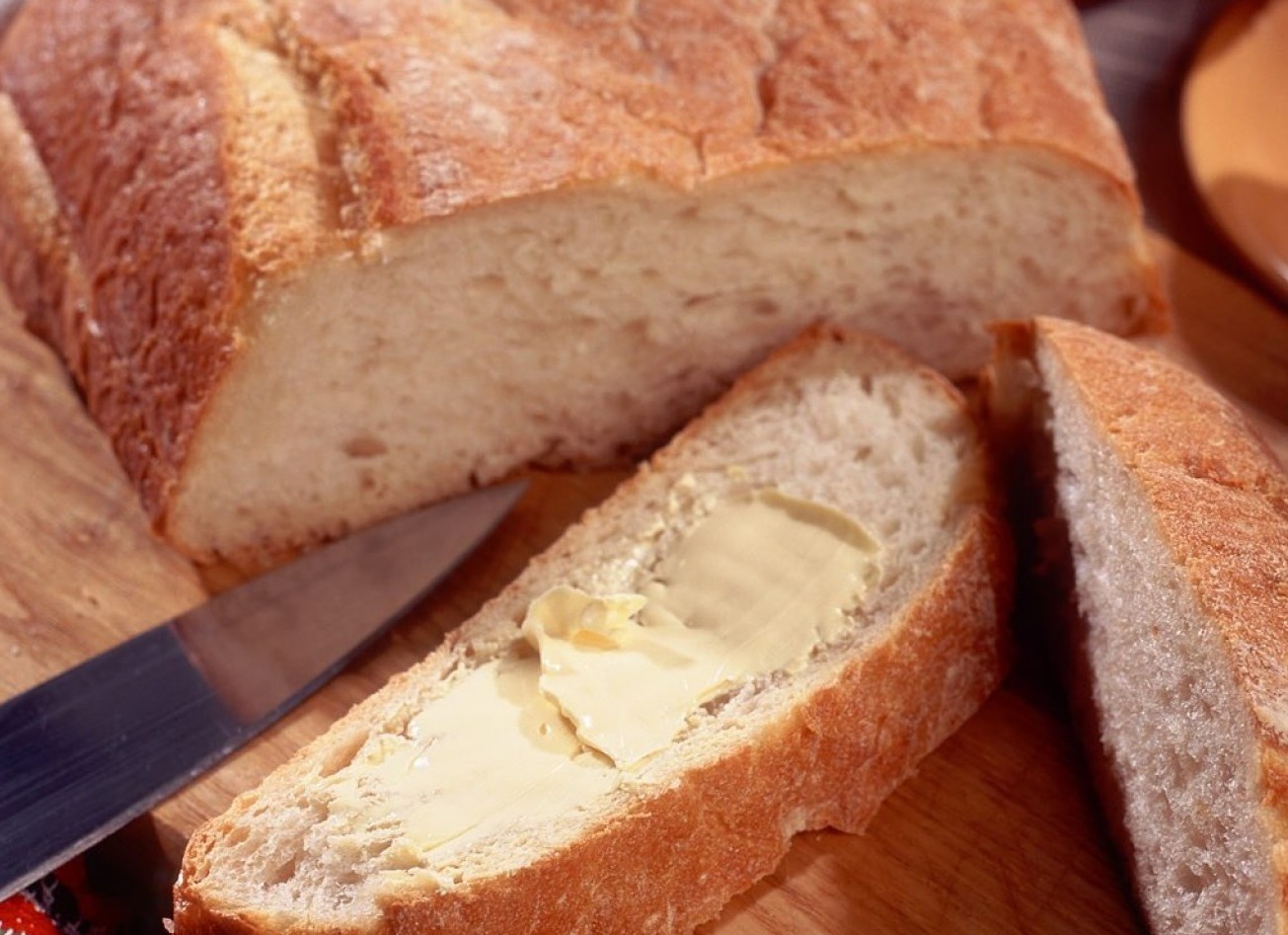
Image via bakinglessonmalaysia
The bread might get stale, but bread past its expiry date can be safely eaten! Yes, it might have some slight mould on it, but you can always cut off that part and eat the rest of it. Did you know stale bread make excellent French toast and croutons?
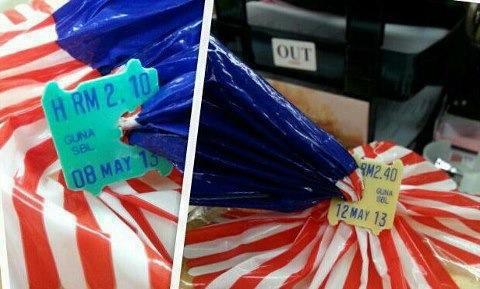
Image via Gardenia
**If you're afraid of mould growing on the bread, you could always put it in the fridge — it can easily last for up to two weeks!**
2. Yoghurt
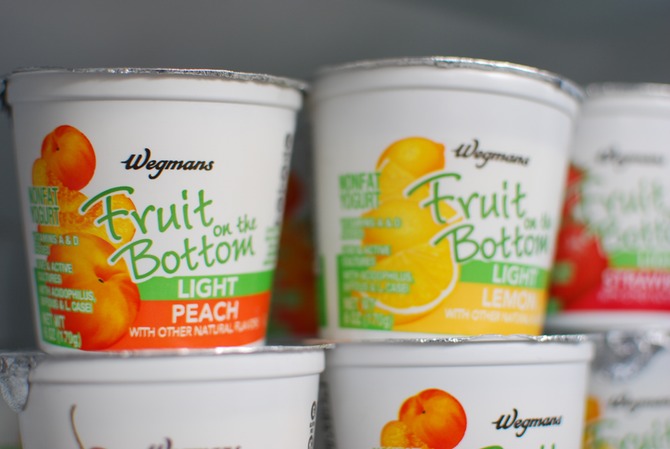
Image via Bustle
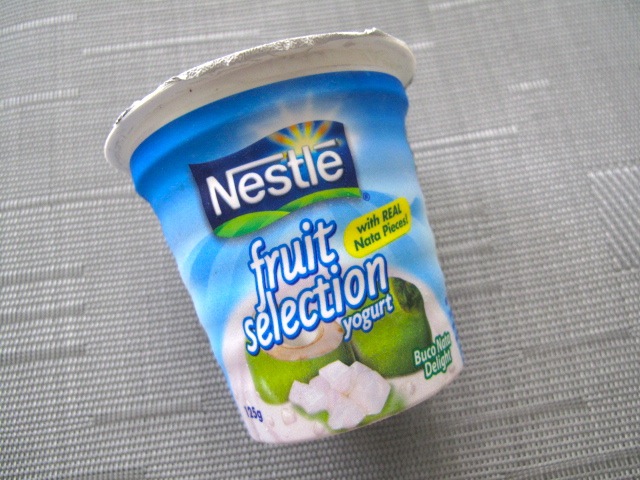
Image via WeLoveJenni
However, do note that this rule applies **only to plain or fruit yogurts, and not yoghurt-based desserts, custards or any product that contains eggs in it.** Also, yoghurt getting watery is simply the result of liquid separating itself from the solids. Many yogurts come like that fresh out of the container, and it is generally not harmful.
3. Pasta

Image via HuffPost
Pasta is a dry good that is hard to spoil—it has no water content. As long as it doesn't smell odd, you can keep pasta longer than the expiration date. **You can store dried goods safely for up to a year. Ideally, you should keep them in a dry, airtight container made out of glass or metal.**
4. Chocolate

Image via Gourmandize
**You can always keep expired chocolates in refrigeration for a good 6 months to a 1 year, depending on the type of chocolate.** It will, however, lose a bit of its flavor, so the best is to use it for baking instead of consuming it raw.
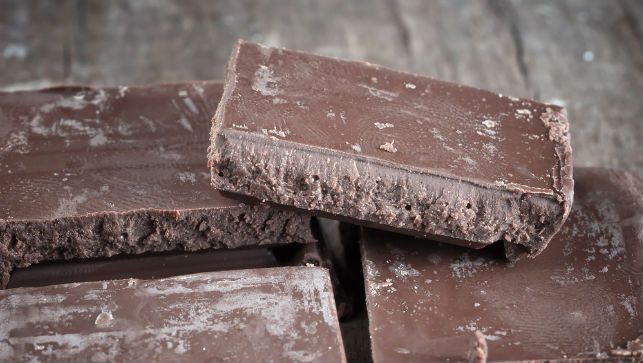
Image via MNN
And the white spots that form on old chocolate? It's not mold. It's what's called "chocolate bloom" — either of the fat or sugar variety. There are two types of chocolate bloom: fat bloom, which arises from changes in the fat; and sugar bloom, formed by action of moisture of ingredients.
5. Potato chips
Image via Gizmodo
6. Cheese
Most whole, cut or sliced cheeses can survive a little mold and still come back from the brink. The moister the cheese, the more likely it is to succumb to decay versus the drier cheeses which are more resistant. **So, always remember to store expired cheeses in cold and dry places!** But if there are moulds growing on it, it's still edible – as long as you cut off the mouldy part!

Image via Star Market
7. Cereal
Image via Bustle
8. Canned foods
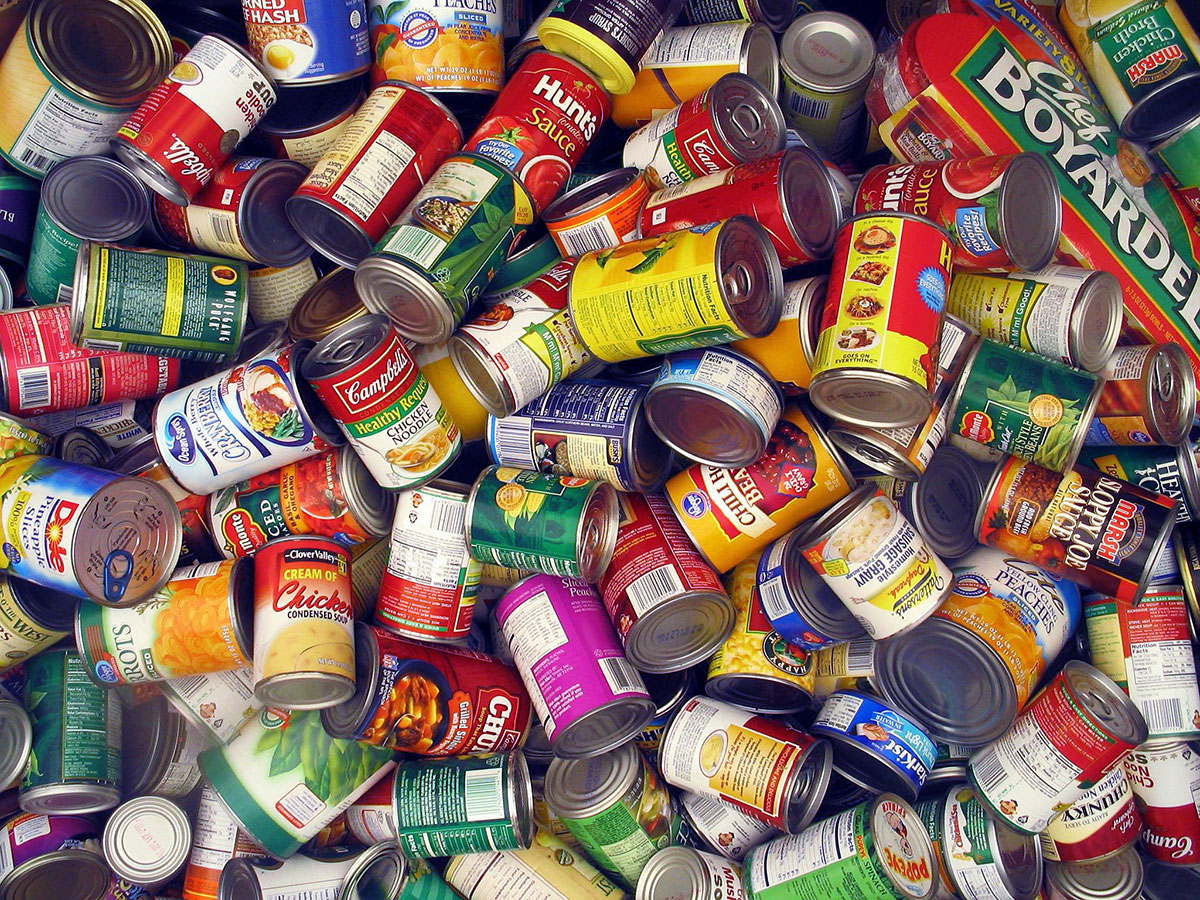
Image via Buzzpo
**Most expiry dates on foods in cans range from 1 to 4 years**—but keep the food in a cool, dark place and the cans undented and in good condition, and you can likely safely double that shelf life from 3 to up to 6 years!
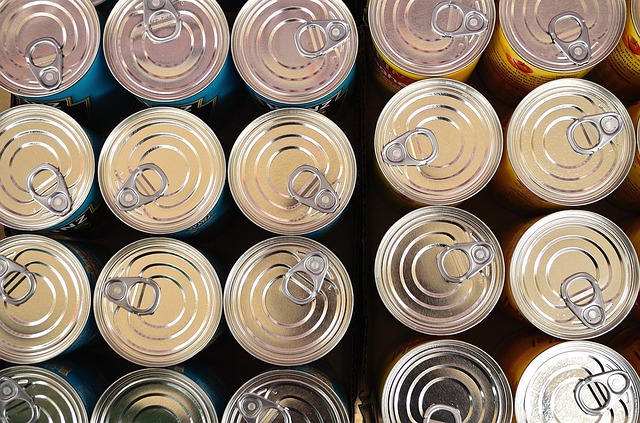
Image via Canned-fresh
Here's a good example of how long canned foods can last – In 1974, a group of scientist in Washington took some canned food which was stored for close to 30 years. When they opened them up, the contents looked and smelled pretty much the same! Analysis showed that it had most of the usual complement of nutrients — although there were lower levels of a few, such as vitamin C.
9. Biscuits
Image via Eat Your Books
10. Eggs

Image via BGR
According to a report by food scientist Dana Gunders, eggs can last for three to five weeks. **But they have to be kept at cold and dry places.** Raw eggs will maintain their best quality for about 3 to 5 weeks after the date you bought them and took them home, assuming continuous refrigeration. During that home storage time, your eggs will still be perfectly safe to use, provided they're not cracked or otherwise damaged.
11. Honey
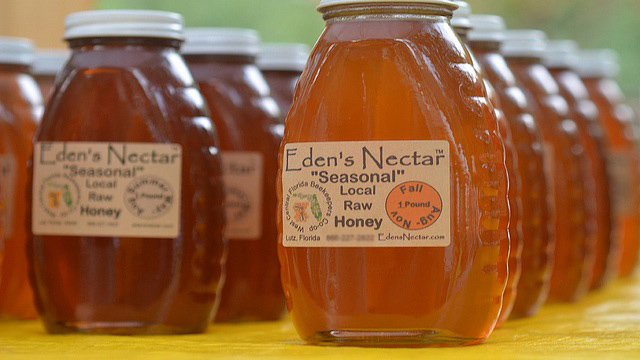
Image via Seven Kings Apiary
**Honey never really expires although crystals, which are safe to consume, it may change color and texture (becoming crystalised) but it will stay safe, and delicious, to eat.** If your honey does become crystallised, just place the open jar in warm water and stir until the crystals dissolve.
