


 Cover image via
 Follow us on Instagram, TikTok, and WhatsApp for the latest stories and breaking news.
Food allergies are more common than you think
Malaysia is famous for its food culture, but for some, a single meal can trigger more than just satisfaction. From rashes after eating prawns to breathing difficulties after having peanuts, food allergies affect more people than many realise.
In a country where food is central to daily life, knowing what to avoid and how to respond is crucial.
Seafood is a Malaysian favourite, but also one of the biggest culprits
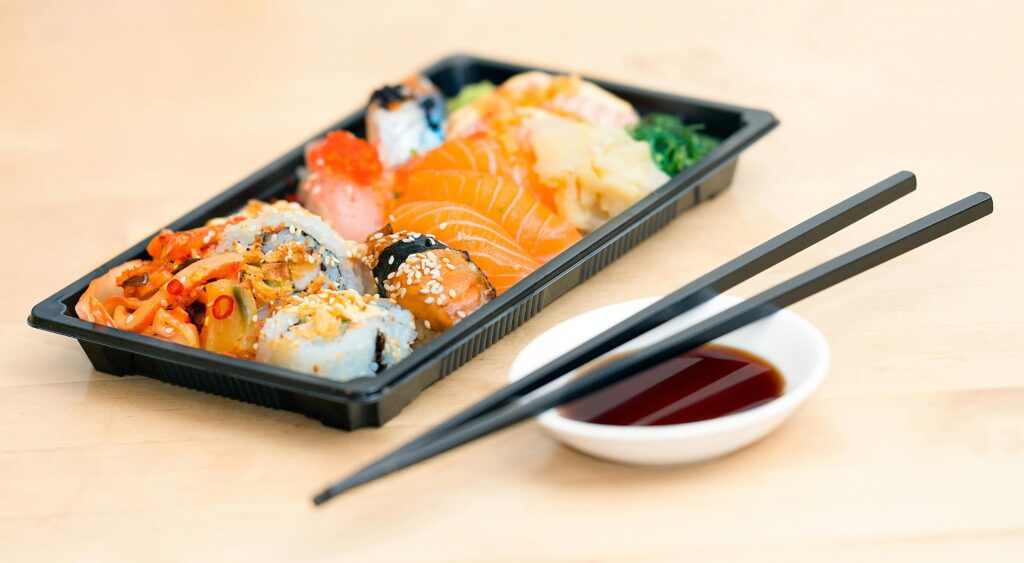
Shellfish allergies are among the most widespread in Malaysia. Reactions can range from mild itching to severe anaphylaxis, and cooking does not remove the proteins that cause them. In fact, even inhaling steam while preparing seafood may be enough to trigger symptoms.
Foods to be cautious with: Sambal belacan, prawn mee, crab curry, sushi, dried anchovies (ikan bilis), and seafood steamboat.
Peanuts and tree nuts are often hidden in local dishes
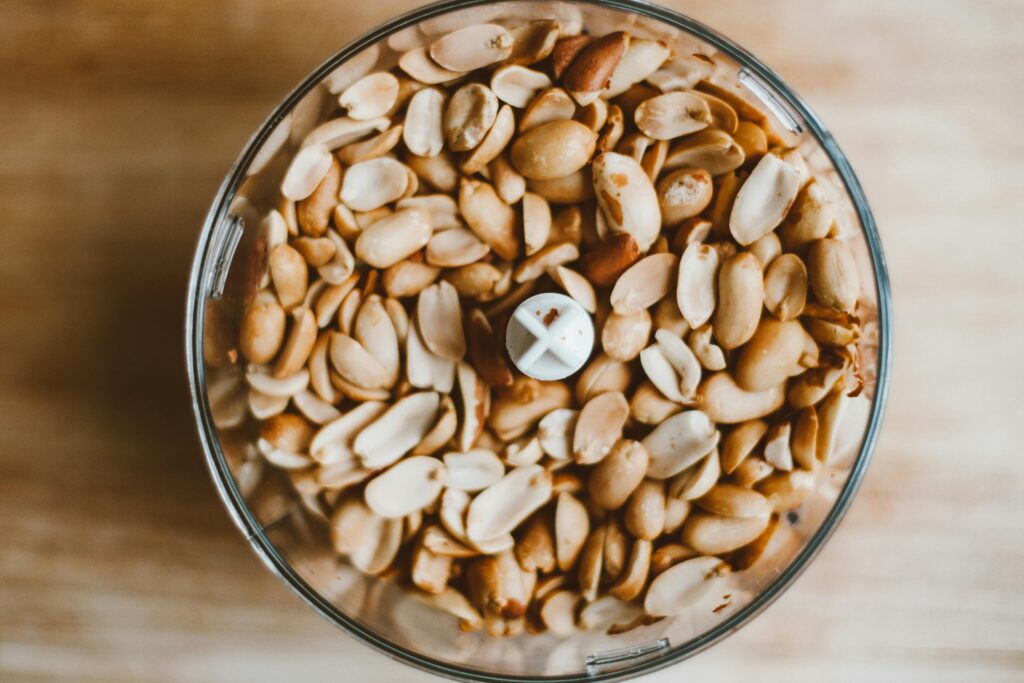
From satay sauce to peanut garnishes in nasi lemak, nuts are part of many Malaysian staples. Unfortunately, peanut and tree nut allergies are a leading cause of severe reactions in children, and they often last into adulthood. Cross-contamination is a particular concern — nut-based and "nut-free" foods may be prepared with the same tools in bakeries or stalls.
Foods to be cautious with: Satay with peanut sauce, nasi lemak sambal with peanuts, kacang putih, peanut butter desserts, almond or cashew-based kuih, and nut biscuits.
Milk and egg allergies affect more than just breakfast foods
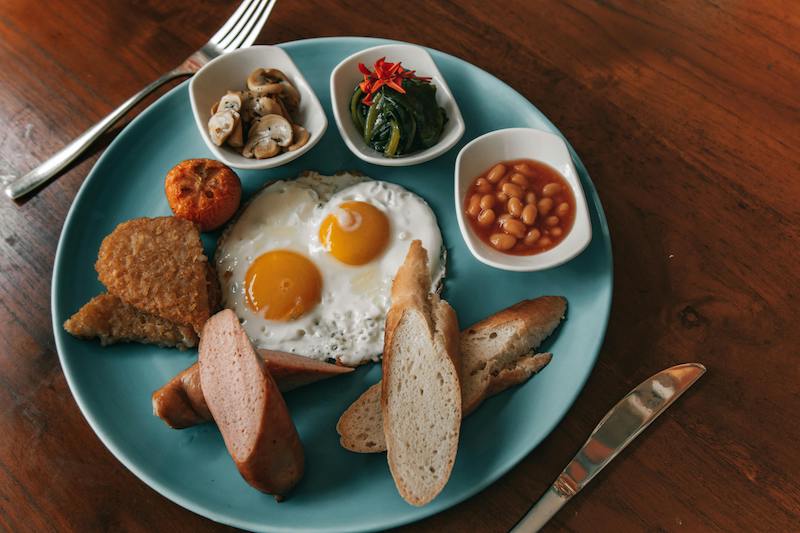
Daily staples like coffee with milk, kaya toast, and cakes can pose problems for those allergic to milk or eggs. Symptoms may include hives, nausea, or even breathing difficulties. While some children outgrow these allergies, others carry them into adulthood. Fortunately, plant-based alternatives such as soy or oat milk are increasingly available.
Foods to be cautious with:
- Milk: Teh tarik, kaya butter toast, creamy curries, ice cream
- Eggs: Kaya, kuih bahulu, cakes, mayonnaise, roti telur, fried rice with egg
Wheat and gluten sensitivities are challenging in a flour-heavy food culture
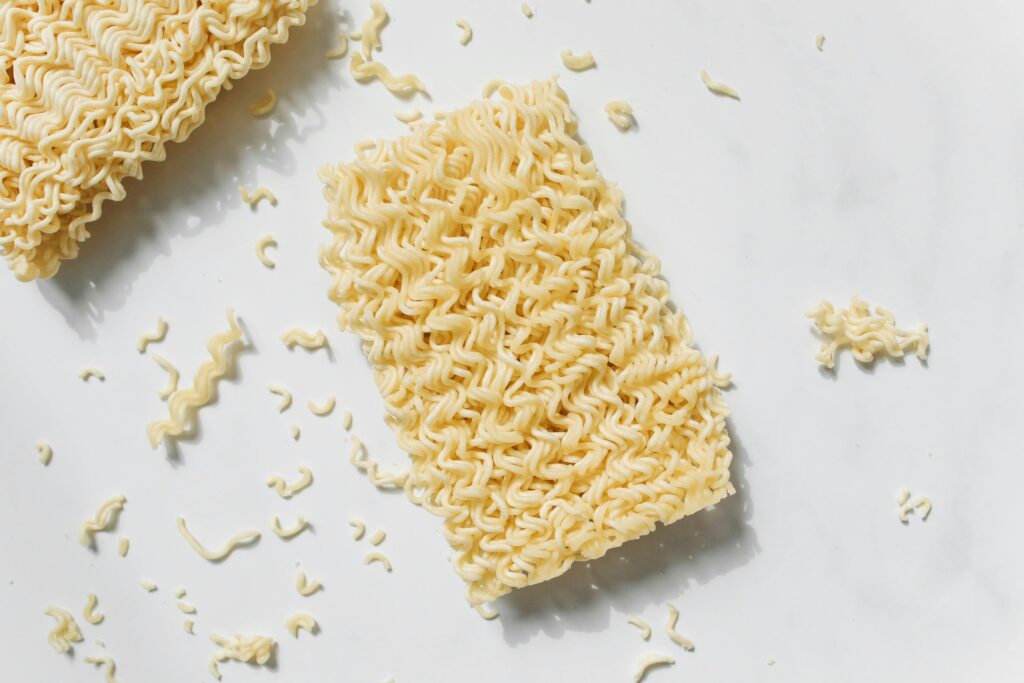
Celiac disease is rare in Malaysia, but wheat allergies and gluten sensitivities do exist. Symptoms include bloating, cramps, or rashes, which can often be mistaken for other conditions. Because roti, noodles, and baked goods are staples here, living with these sensitivities requires careful planning.
Foods to be cautious with: Roti canai, chapati, mee goreng, apam balik, kuih lapis, biscuits, and cakes.
So, how do you know if you have a food allergy?

Food allergy reactions can affect multiple systems in the body:
- Skin: rashes, hives, swelling of lips or eyelids
- Respiratory: coughing, wheezing, shortness of breath
- Digestive: nausea, cramps, diarrhoea
- Circulatory: dizziness, fainting, low blood pressure
If several symptoms appear quickly, it could signal anaphylaxis, which is life-threatening and requires emergency treatment.
However, do note that there is a difference between a food allergy and food intolerance. An allergy involves the immune system, while an intolerance mainly affects digestion. For instance, lactose intolerance may cause bloating or diarrhoea but will not cause swelling or hives. Doctors may use skin prick tests, blood tests, or elimination diets to identify the cause of reactions.
Another thing to take note of is that allergies can "suddenly" appear in adulthood

Food allergies are not limited to childhood. Many adults suddenly develop reactions to foods they previously enjoyed, particularly shellfish, fish, wheat, peanuts, and tree nuts. Reactions may escalate over time, so even mild symptoms should not be ignored.
The safest approach is complete avoidance of the trigger food. In Malaysia's diverse food scene, that means being extra mindful when eating out.
Always read ingredient labels carefully, and make sure you know the local terms for your allergens so you can check menus confidently. When in doubt, ask food vendors directly for clarity instead of guessing. It's also wise to carry antihistamines or other prescribed medication, and if your allergy is severe, talk to your doctor about whether you should have an epinephrine auto-injector on hand.
Awareness in the community also helps. Explaining your condition to friends, colleagues, and food vendors can make daily life safer and reduce unnecessary risks.
Remember, when in doubt, it's better to skip the dish
The information provided is for educational and communication purposes only and it should not be construed as personal medical advice. Information published in this article is not intended to replace, supplant or augment a consultation with a healthcare professional regarding the reader's own medical care.
