
[FACT OR FAKE #90] Can You Get Skin Cancer If You Don’t Apply Sunscreen Daily?
Wearing sunscreen has always been synonymous with sun safety and skin cancer protection, as it prevents the sun's harmful UVA and UVB rays from causing DNA damage. But is our skin more susceptible to cancer if we don't use sunscreens daily? Your weekly SAYS' FACT OR FAKE columnist Sadho looks at facts to determine a conclusion.


 Cover image via kinja-img.com
One of the advantages of having Asian skin, due to the fact that it contains more melanin (an effective absorber of light) than Caucasian skin, is that it burns less easily and is therefore less prone to sun damage and skin cancer. But it can tan more easily and possibly get discoloured.

Image via null
However, because Asian skin is less susceptible to getting sunburn, we may not realise the long term danger from being exposed to UV rays. For example, higher risk of skin cancer.

A Vietnamese motorcyclist wears long gloves to block the sun, despite the tropical heat.
Image via null
While it's proven that sunscreens do help protect our skin from sunburn, what about the evidence for sunscreens protecting us from skin cancer? With Malaysians being exposed to the sun daily, does it really matter whether we use SPF everyday or not?

Image via null
Let's have a look at some of the facts:
1. Many sunscreens DO NOT block Ultraviolet A radiation, which, as the Journal of Investigative Dermatology notes, does not primarily cause sunburn but can increase the rate of melanoma (a type of skin cancer) and photodermatitis (sun poisoning)
**Melanoma**, as per its Wikipedia entry, is a type of skin cancer which forms from melanocytes (pigment-containing cells in the skin). Particularly common among Caucasians, especially northern Europeans and northwestern Europeans, living in sunny climates, Melanoma is less common than other skin cancers. However, it is much more dangerous if it is not found in the early stages. It causes the majority (75%) of deaths related to skin cancer. Australia and New Zealand have the highest rates of melanoma in the world.
**Photodermatitis**, sometimes referred to as [sun poisoning](http://en.wikipedia.org/wiki/Photodermatitis) or photoallergy, is a form of allergic contact dermatitis in which the allergen must be activated by light to sensitize the allergic response, and to cause a rash or other systemic effects on subsequent exposure. The second and subsequent exposures produce photoallergic skin conditions which are often eczematous.
2. Use of sunscreen is recommended by medical organisations such as the American Cancer Society because sunscreens aid in the prevention of squamous cell carcinomas (a similar to the kind of skin cancer that affected Hugh Jackman's nose)

Image via null
3. The use of broad-spectrum (UVA/UVB) sunscreens can address melanoma and photodermatitis, while a diligent use of sunscreen can also slow the development of wrinkles and sagging skin
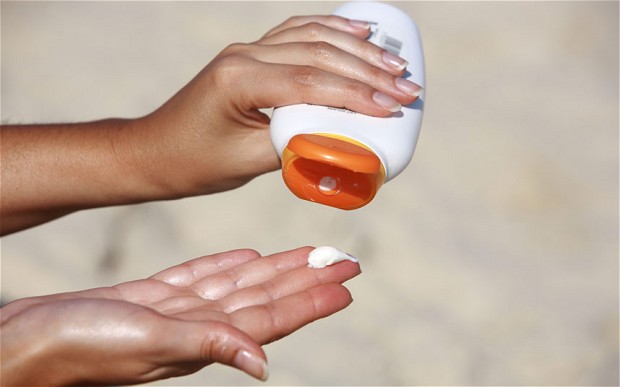
Image via null
4. While use of sunscreens may help reduce our exposure to UV light and reduce our risk of melanoma, it comes without guarantee
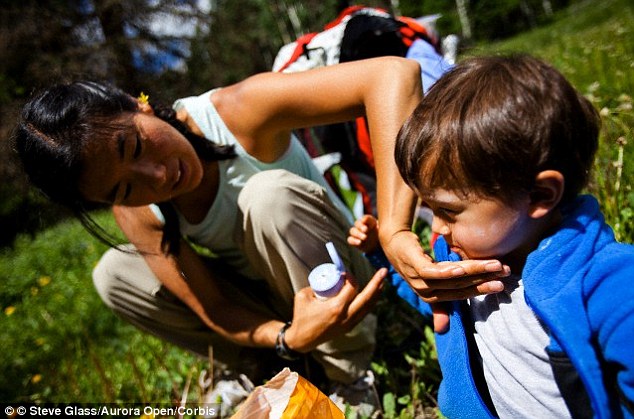
Image via null
Besides, if we stay in the sun for a long time, we are at risk of developing skin cancer even if we have put on sunscreen.
5. The cosmetics industry, time and again, has insisted that it had never claimed sunscreens could stop skin cancer
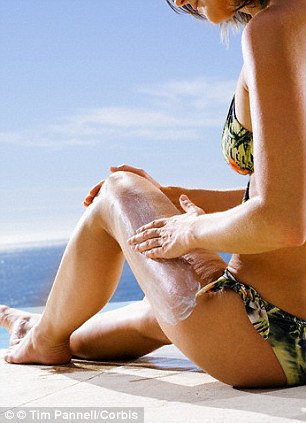
Image via null

