


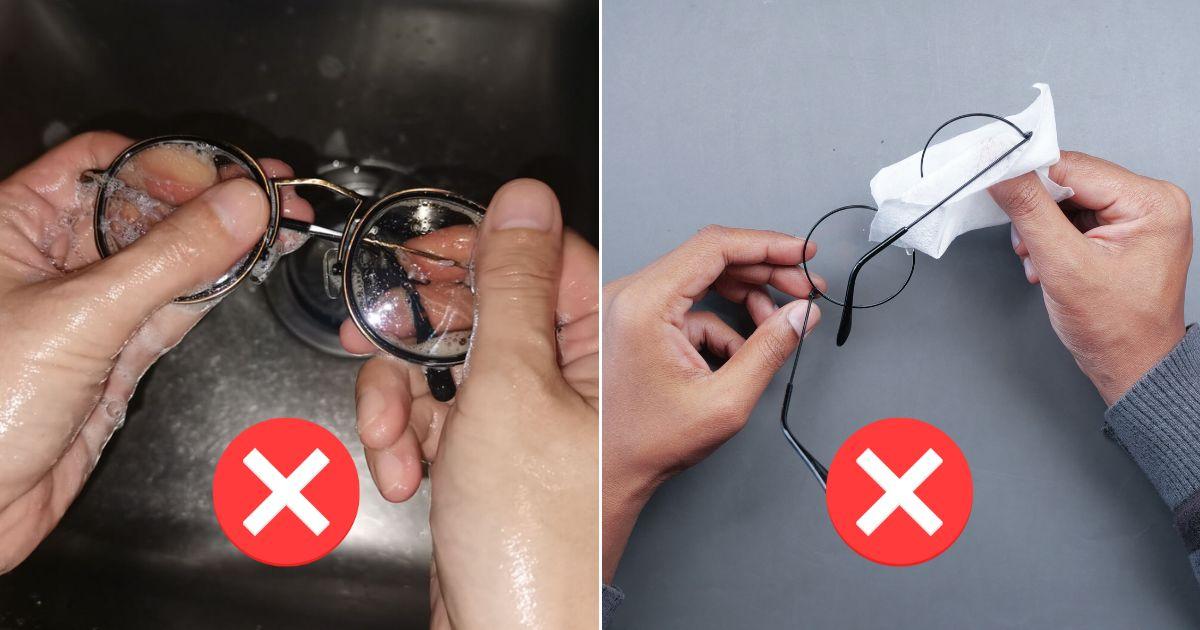
 Cover image via Canva Teams
Follow us on Instagram, TikTok, and WhatsApp for the latest stories and breaking news.
Have you ever wondered why you have so many scratches on your glasses?
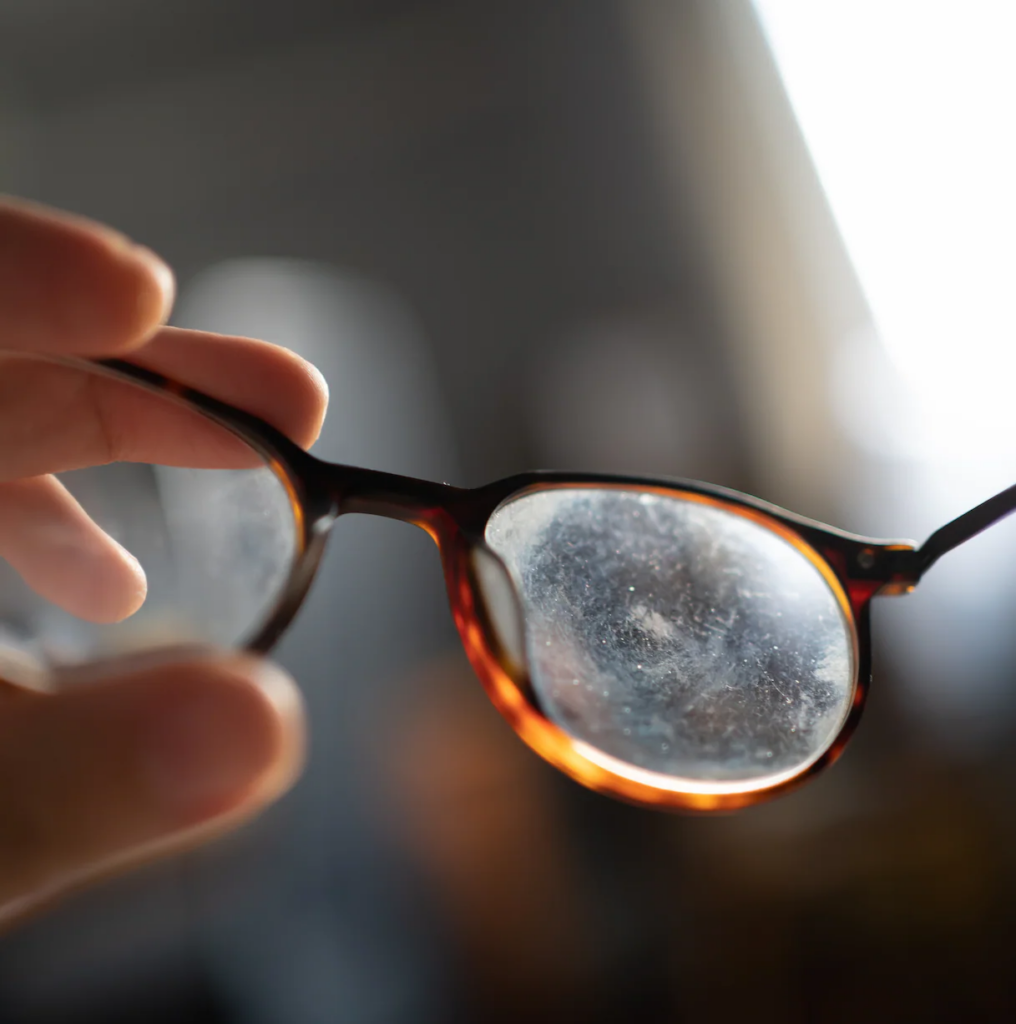
Chances are, it's not because you're clumsy or keep dropping your glasses. It's actually how you're cleaning them.
Many of us think that washing with a bit of hand soap and drying with a tissue paper (or our towel and T-shirt) does the trick. But that quick wipe might be doing more harm than good.
If you've been using regular soap or tissue paper to clean your glasses, you might be slowly wearing down the lens coating without even realising it.
Soap isn't as harmless as it seems
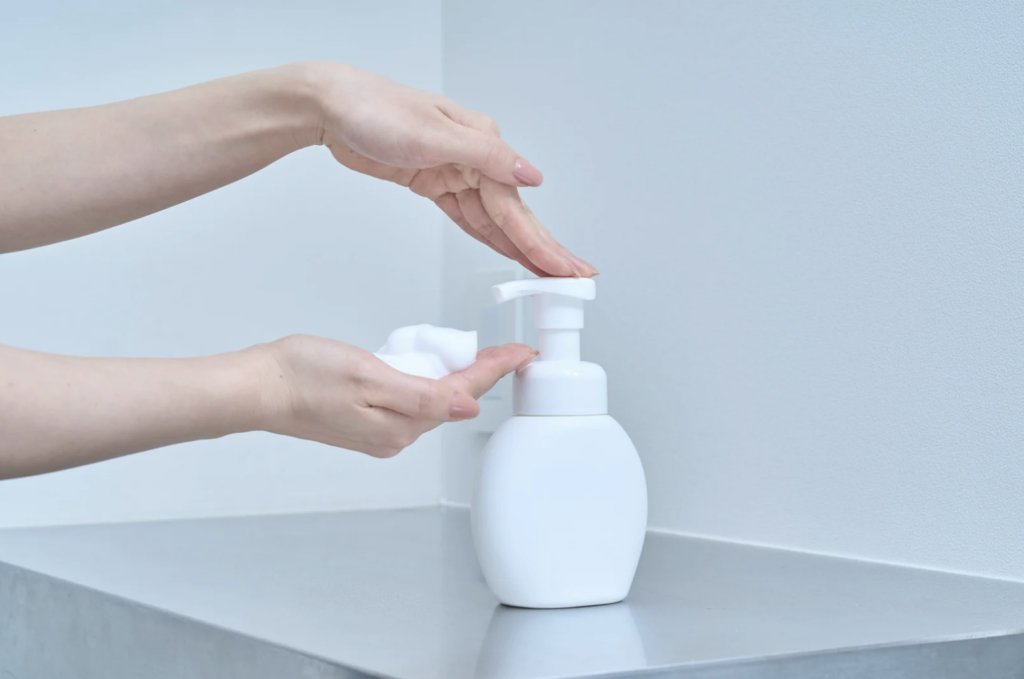
Most dish soaps and hand washes contain moisturisers, fragrance oils, and surfactants. These ingredients may feel nice on your hands, but they're not good for your lenses. These additives can leave behind an oily film or slowly strip away the anti-reflective and scratch-resistant coating on your glasses.
Some soaps are also too harsh or alkaline, which can cause tiny cracks in the coating over time. It's like giving your lenses a mini chemical peel every day, just not the good kind.
And tissues? They're probably the main reason you have scratchy lenses.
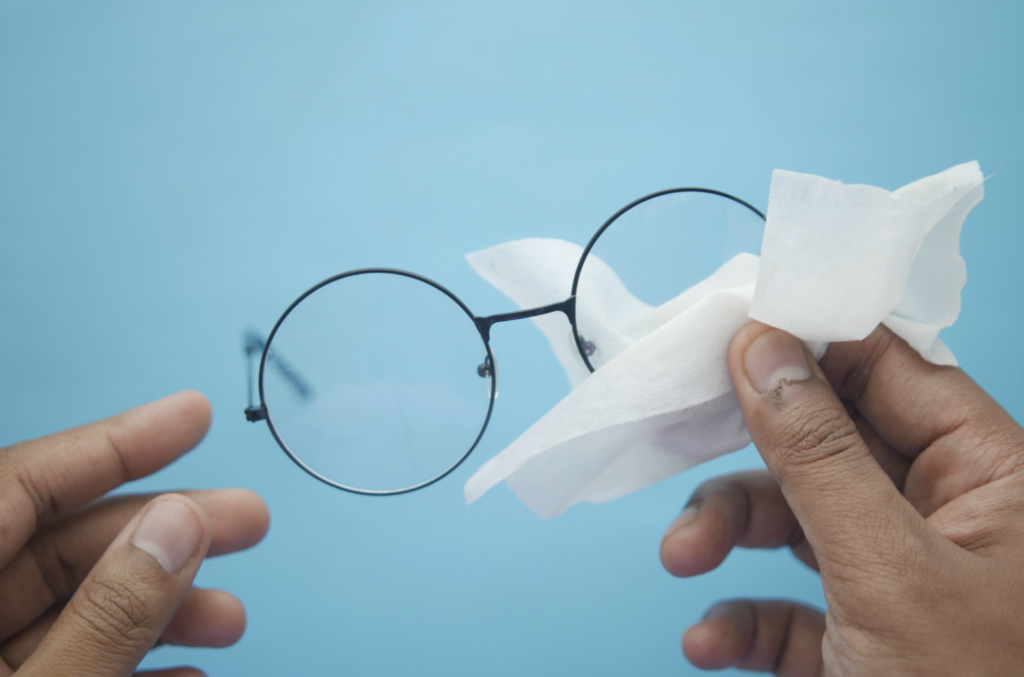
Tissues, paper towels, and even your shirt fibres may look soft, but under a microscope, they're actually rough and fibrous. Each swipe can cause micro-scratches on the lens surface. You might not notice them right away, but after weeks of wiping, you'll start seeing hazy spots or dull patches when light hits your lenses.
Here's the right way to clean your glasses:
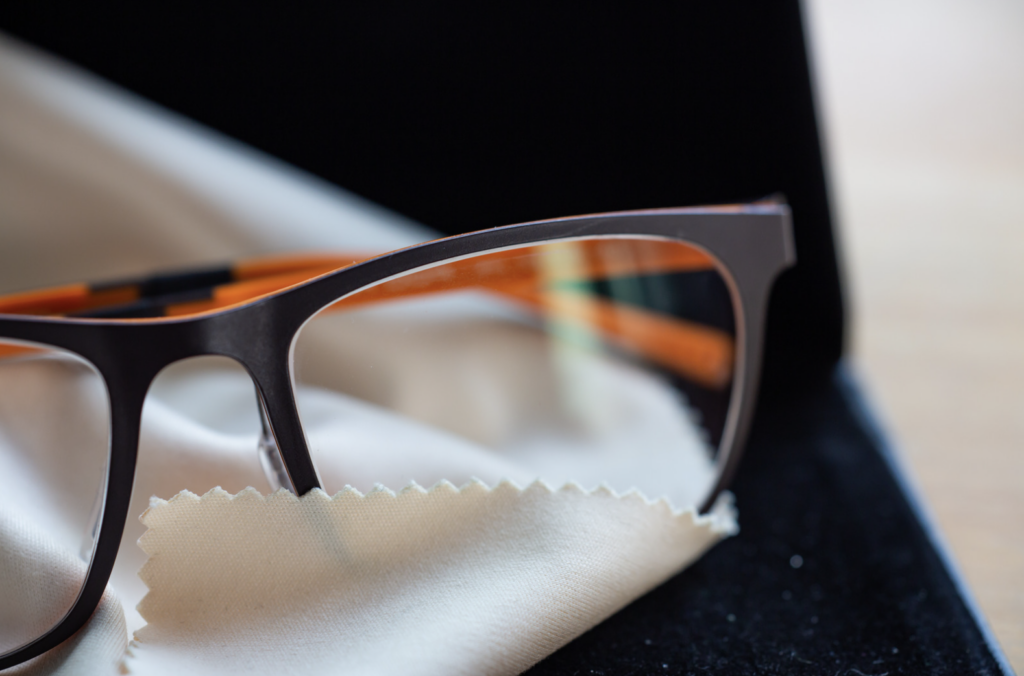
Option 1: Use water and a microfibre cloth
Rinse your glasses under lukewarm water to wash away dust and dirt. Use a drop of mild soap (optional), rub gently with fingers, and rinse again. Shake off excess water and pat dry with a microfibre cloth.
Option 2: Use lens cleaning solution and a microfibre cloth
Spray glasses with lens cleaning solution. Carefully wipe away excess solution with a microfibre cloth. You may also clean with disposable glasses wet wipes, if needed.
Remember: Avoid hot water, alcohol wipes, or anything that feels "extra clean", as those can damage the coatings too.
