


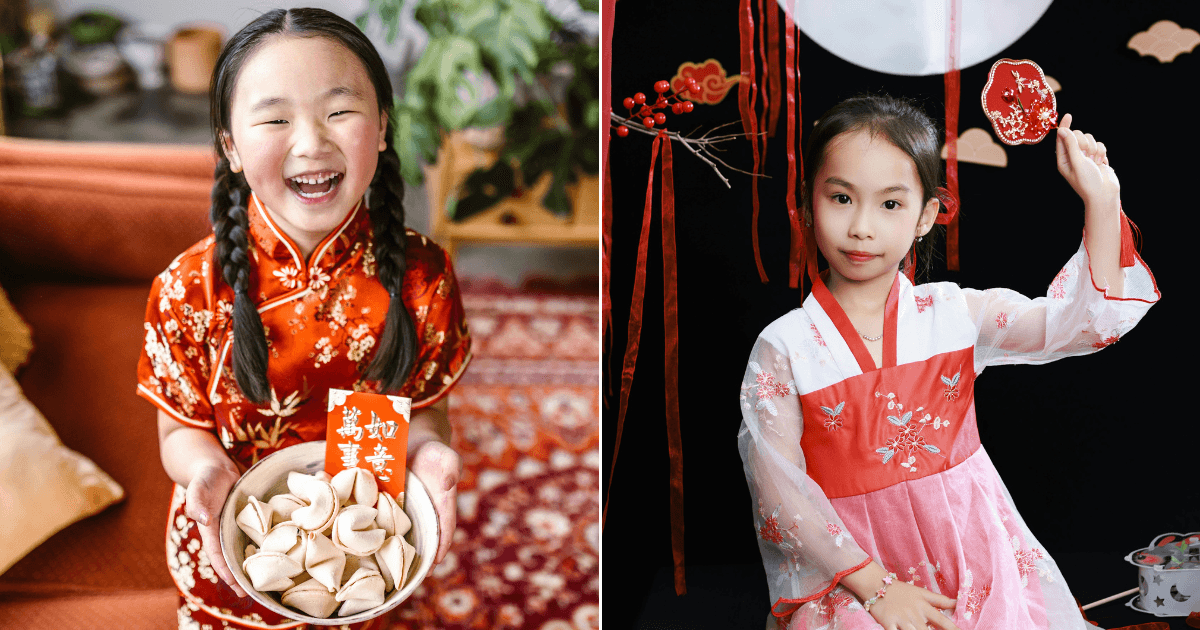
 Cover image via
Follow us on Instagram, TikTok, and WhatsApp for the latest stories and breaking news.
Lunar New Year and Chinese New Year are often used interchangeably, but they don't actually mean the same thing
The key difference is simple: One refers to a calendar, while the other refers to a specific culture.
Lunar New Year is the broader term and refers to the calendar

It marks the start of a new year based on the lunar calendar, which follows the moon's cycles rather than the sun.
Because it follows this calendar system, Lunar New Year is celebrated across several Asian cultures, often on the same day, but under different names and traditions. Understanding this difference matters because not every Lunar New Year celebration is Chinese, even if the dates overlap.
While many countries welcome the new year at the same time, their customs are distinct:
- In China: It's known as Chinese New Year or the Spring Festival.
- In Vietnam: It's celebrated as Tết (Tết Nguyên Đán), featuring specialty foods like bánh chưng and yellow blossom trees.
- In South Korea: It's known as Seollal, where traditional clothing (hanbok) is worn and ancestral rites are performed.
Chinese New Year is one of the most widely recognised Lunar New Year celebrations, shaped by Chinese traditions and customs

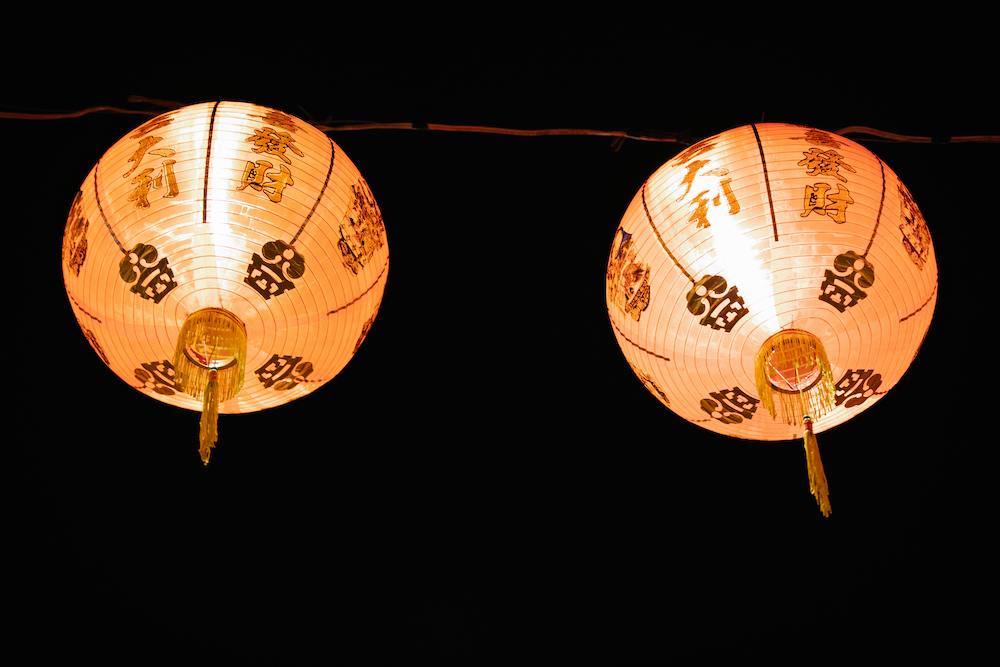
It is commonly associated with red decorations and lanterns believed to bring good luck, the giving of ang pow, lion and dragon dances, as well as large family reunion dinners on the eve of the new year.
These traditions are specific to Chinese culture, which is why the term "Chinese New Year" is used.
So, are you celebrating the Lunar New Year or Chinese New Year?
Chances are, you're celebrating both. In simple terms, Lunar New Year is the bigger picture, while Chinese New Year is one part of it.
