


 Cover image via
Follow us on Instagram, TikTok, and WhatsApp for the latest stories and breaking news.
Many of us might think that the term 'soccer' was an American invention
Around the world, we call it football, while in the US? It's soccer.
But here's the surprising part: the word 'soccer' actually came from England.
Yep. Not the US. England.

It began as student slang at Oxford University in the late 1800s
In the 19th century, football was formally known as 'Association Football', to distinguish it from 'Rugby Football'.
Oxford students, who loved making up nicknames, shortened 'association' into 'assoc' and then added '-er' to make it 'soccer'. The same way rugby football turned into 'rugger'.
It was simply informal campus slang that caught on outside university life.

The word helped people distinguish between two different kinds of football
During that period in England, both rugby and football were filed under the general umbrella of 'football'.
Saying 'rugger' or 'soccer' made it easier to clarify which game you meant, especially in casual conversation.
Over time, 'football' became the common word in the UK, while 'rugger' stuck around for rugby fans.
'Soccer', however, gradually faded from everyday use.


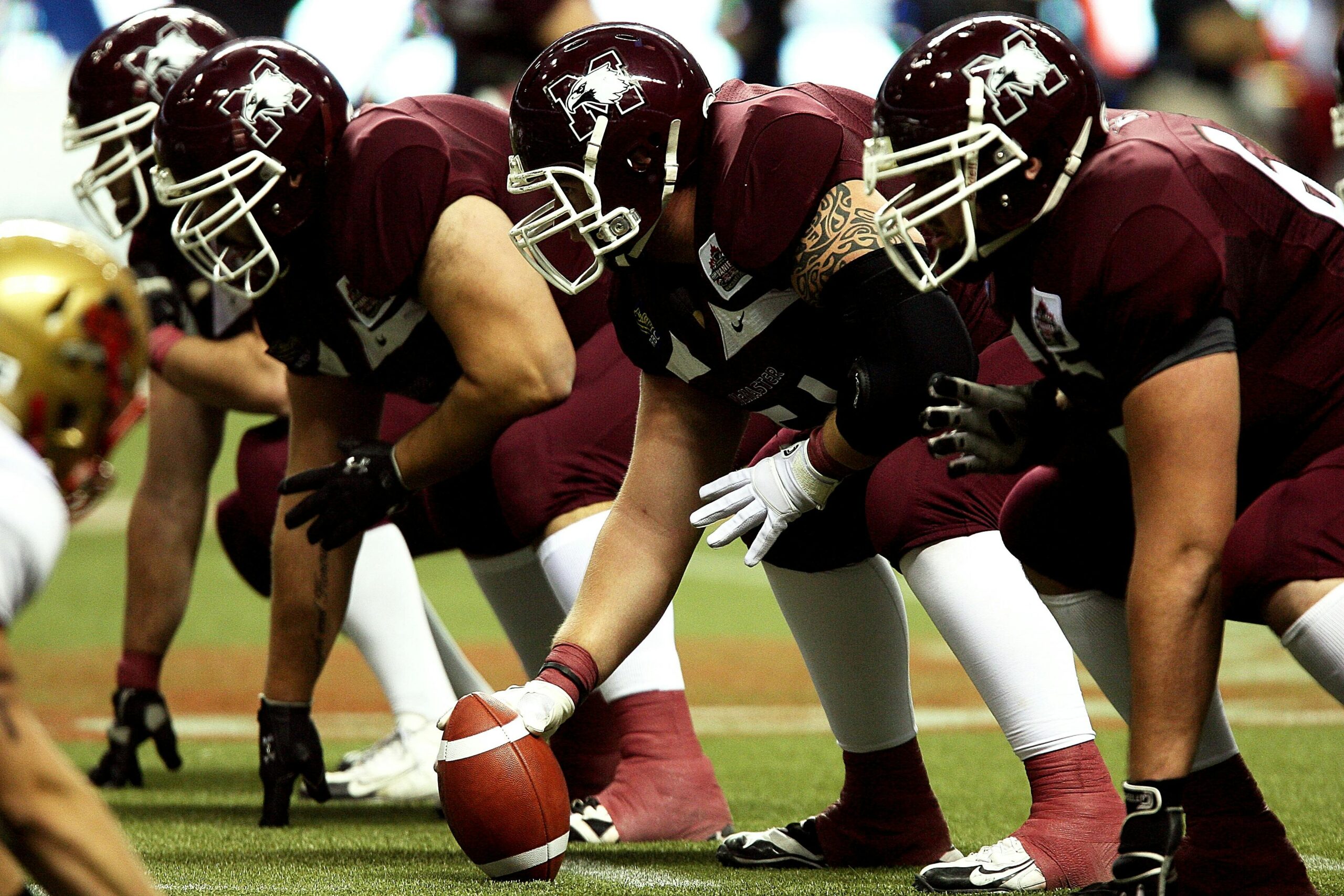
The US held onto the word, while the UK let it go
When the game spread internationally, the word 'soccer' travelled with it. In the US, where 'football' was already the name for American football, 'soccer' became the standard term.
Meanwhile, in the UK, people eventually dropped the slang and went back to calling it simply 'football'.
And that's why today, it feels like such an American word, even though it was actually coined in the UK first.
