


 Cover image via
Owning property in Malaysia comes with several responsibilities, including the payment of property-related taxes.
Two important ones are cukai tanah and cukai taksiran, but they are often confused with one another.
Although both involve property ownership, they serve different purposes, are collected by different authorities, and follow different payment schedules.
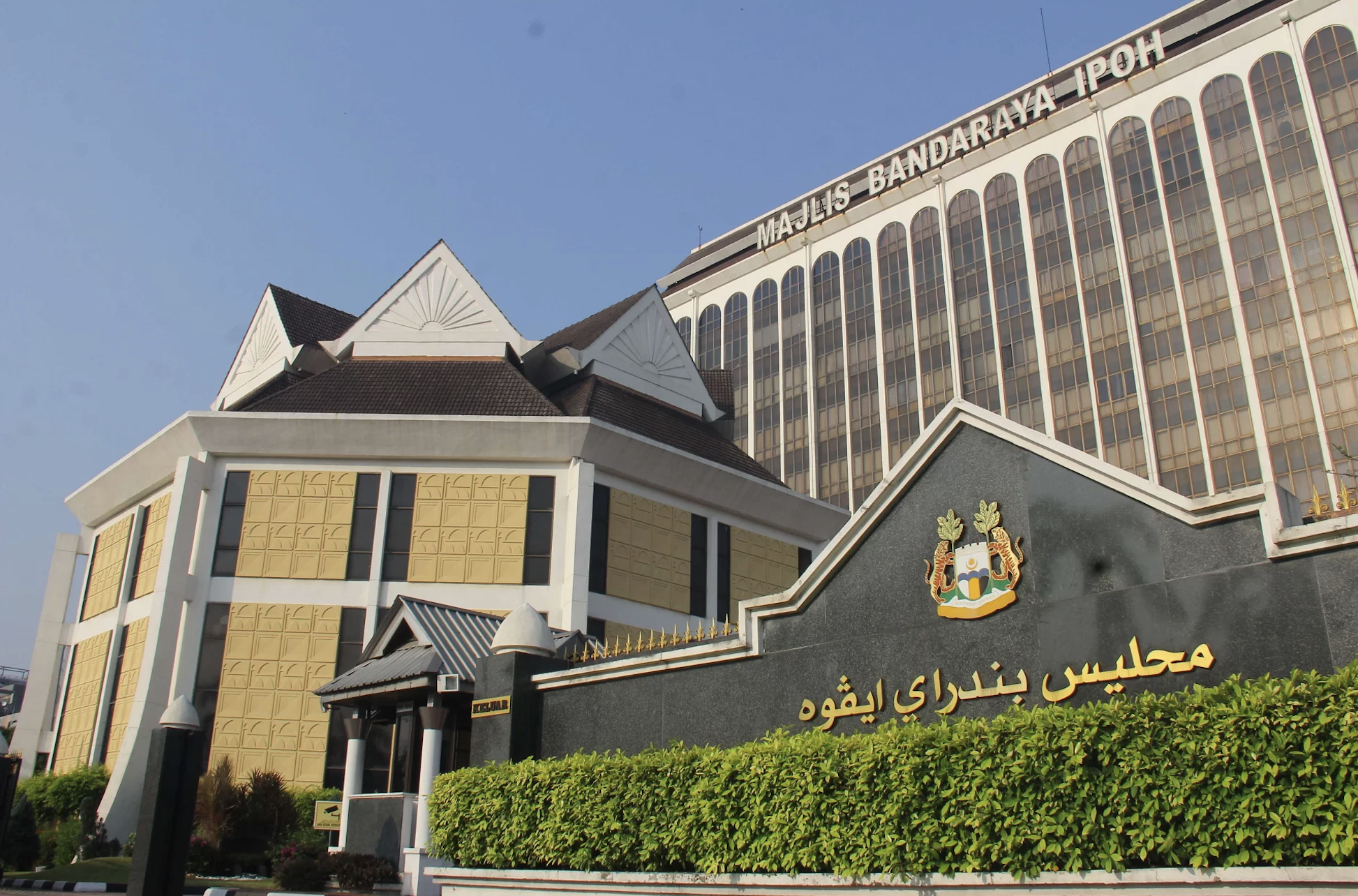
Image via Ipoh City Council
Cukai tanah:
Cukai tanah, also known as quit rent, is a tax imposed by the State Land Office (Pejabat Tanah dan Galian, or PTG) on land ownership. Whether you own a landed home, commercial land, or even a strata-titled property like a condominium, you are required to pay cukai tanah annually.
The payment confirms your ownership rights over the land. The tax is to be paid once a year, between 1 January and 31 May, through e-Tanah portals or your respective state PTG website.
Cukai taksiran:
Cukai taksiran, often called cukai pintu or assessment tax, is collected by the local authority, such as your municipal or city council (Majlis Perbandaran or Majlis Bandaraya).
It funds essential public services, including waste management, public lighting, maintenance of parks, and other local amenities. This tax applies to all buildings, including residential homes, commercial buildings, and industrial properties.
Payment is twice a year — January and July — via your local council's website or at the council office.

