


 Cover image via Alamy
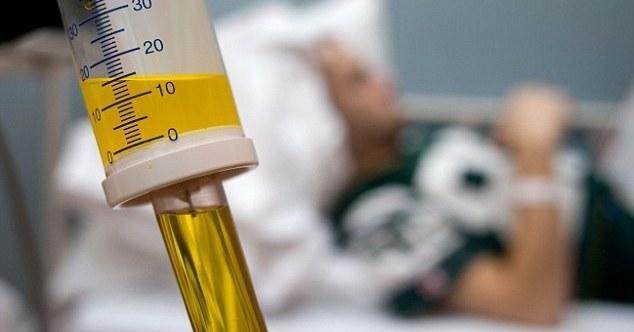
Chemotherapy is a drug treatment that is used for cancer patients
Image via Shutterstock
It is a very common treatment for many cancer sufferers and has proven to be extremely effective

Image via Robert Bergman
The treatment works by stopping the growth of cancer cells in the body. It usually does this by either killing cells or stopping them from dividing altogether.
The most common types of chemotherapy are **intravenous chemotherapy** and **oral chemotherapy**. Intravenous chemotherapy is when the drug is given to a patient through a tube into their veins while oral chemotherapy is when the patient is allowed to take their course of the medication home in the form of tablets or liquid.
However, many misconceptions about the treatment have surfaced due to its portrayal in media and notorious side effects
While it's true that chemo can have some unpleasant side effects, much of them have been blown out of proportion.
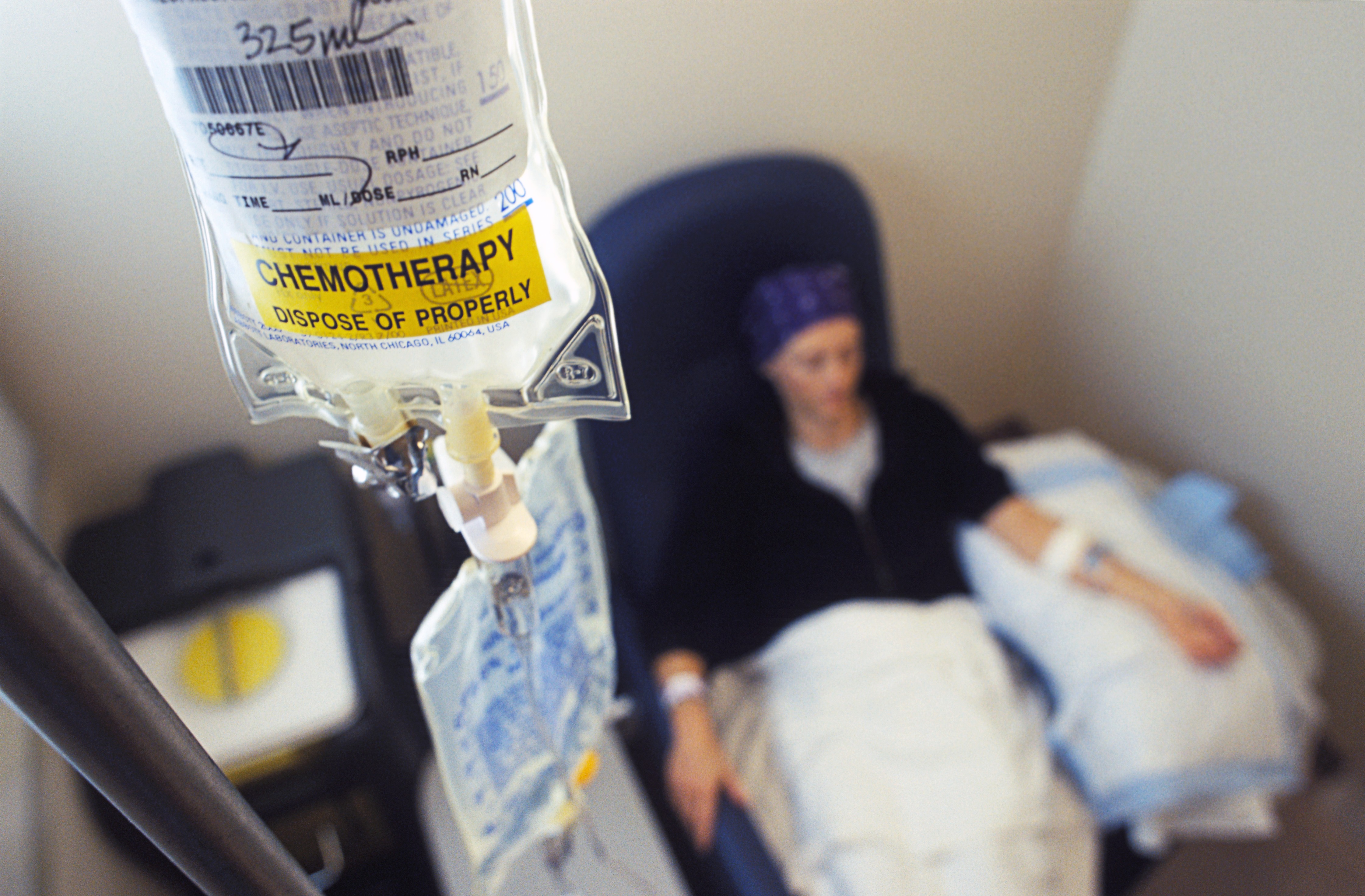
Image via Health Awareness
Here are 7 myths you might still believe about chemotherapy:
1. Every patient will undergo the same type of treatment
Chemo has never been a one-size-fits-all treatment. Each patient is treated as a separate case and has their treatment customised for them. Even two patients with the same type of cancer could be given a different combination of drugs.

Image via Pancreatic Cancer Action
2. It makes all its patients sick
While nausea is a possible side effect, it doesn't happen to most patients. And patients who do experience nausea, only have to live with it for a short-term basis. And with the introduction of newer drugs, nausea is no longer considered a common side effect.

Image via Simple Remedies
3. It causes everyone to lose their hair

Image via blissbloomblog
While cancer patients in media are often portrayed with bald heads, new drugs in use make hair loss less and less likely to happen. New medications now work much better at recognising cancer cells, making it unlikely that patients will lose their hair.
4. It causes infertility
Many women going through chemo often assume they become infertile. However, during chemo, women are actually *more* encouraged to use birth control due to the complications that would arise if they were to get pregnant. It is still very possible to get pregnant when going through chemo.
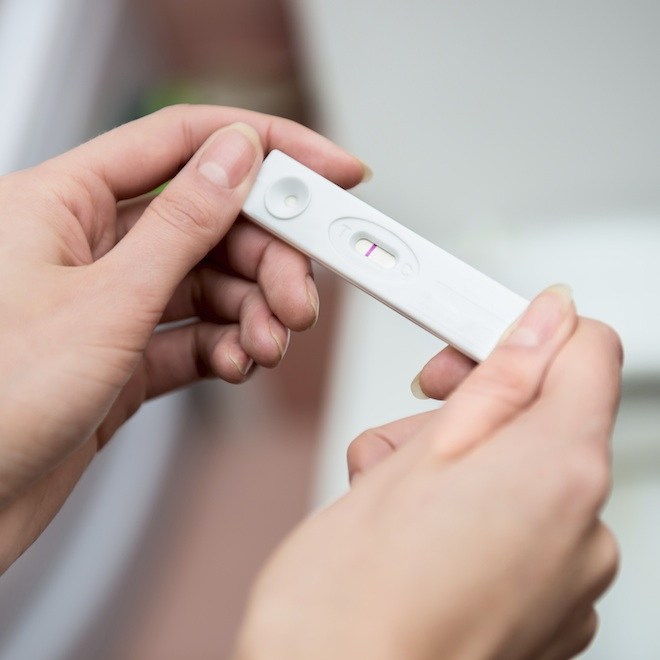
Image via Mamma Poppins
5. Patients have to spend lots of time in the hospital
Chemo sessions can vary depending on the patient. Many sessions don't last more than an hour. Most patients can also be treated as outpatients, and so don't need to stay in the hospital for long periods, especially patients who are allowed to bring their medication home.

Image via Bramptonist
6. It's physically painful
This is one of chemo's most inaccurate myths, as the treatment process is almost never physically painful. Some of the side effects after the treatment can include nerve and muscle pains but these subside once your body adapts to the medication.

Image via Everyday Health
7. It is only given to patients who are terminally ill
This was once partially true. Chemo used to be looked at as a last resort. But now, it has come to be used as an adjuvant therapy, meaning that it is used as a preventive measure after other primary treatments. For example, a cancer patient might have to go through chemo after a surgery as an added measure to prevent the cancer from coming back.
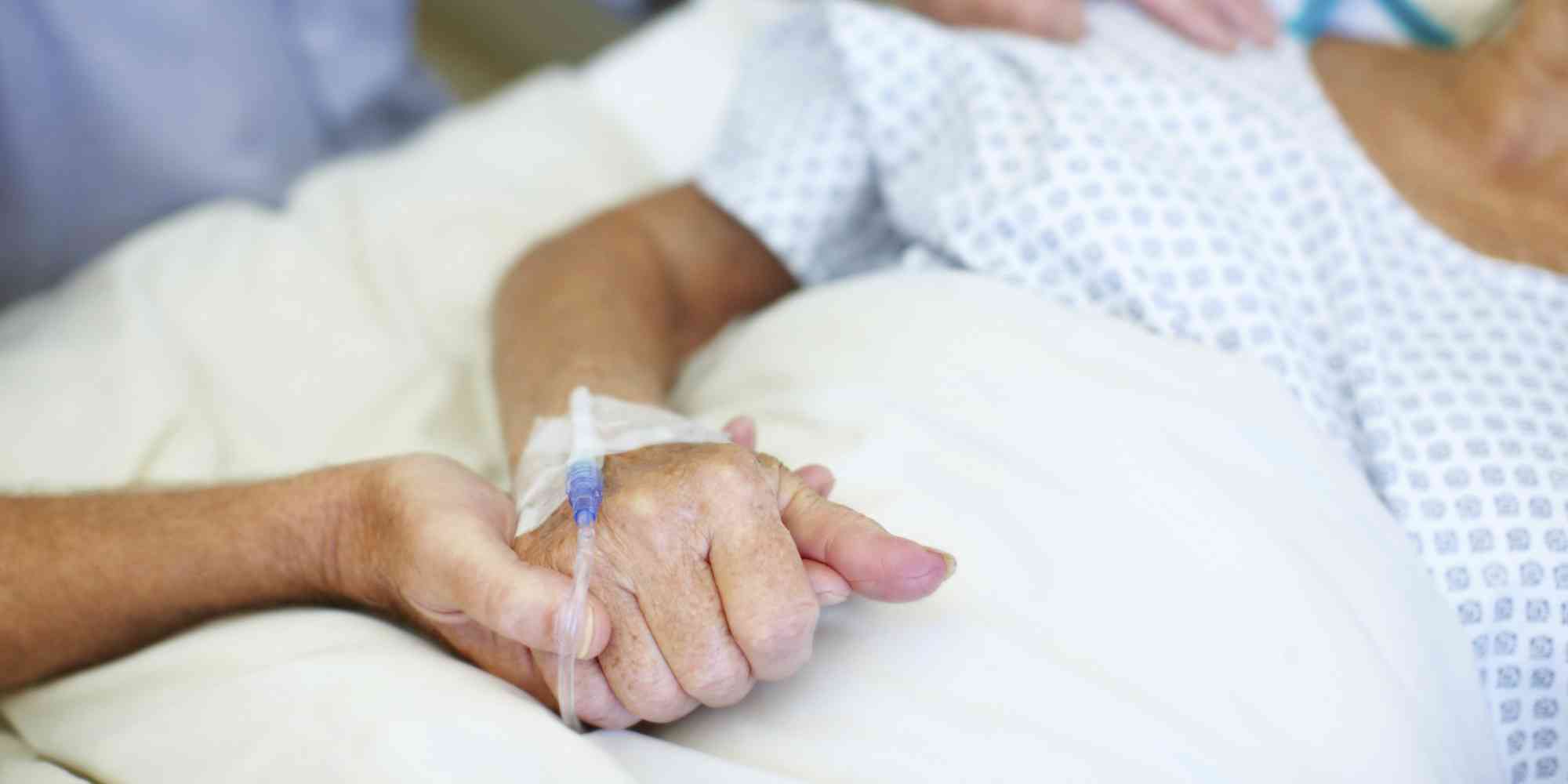
Image via Holistic Therapist Magazine
