


 Cover image via
 Follow us on Instagram, TikTok, and WhatsApp for the latest stories and breaking news.
You might think hypothermia only happens during snowy hikes overseas, but the truth is, it can strike right here in Malaysia too
Especially if you're trekking up our highland trails, caught in rain or wind, or stuck in wet clothes for too long.
Knowing how to prevent it and what to do if things go sideways could make the difference between a fun trek and a real survival situation.
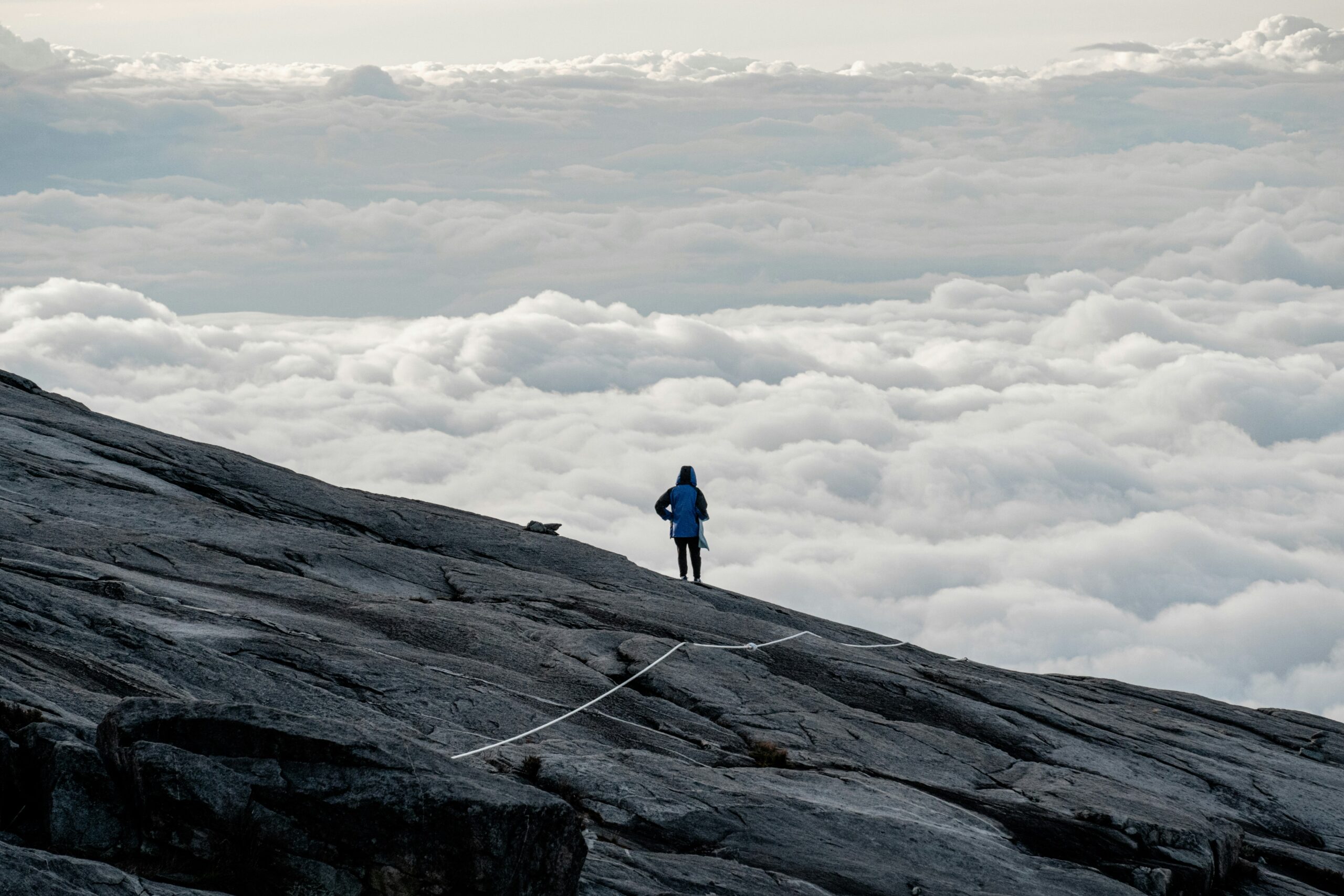
What is hypothermia and why does it matter… even in Malaysia?
According to Mayo Clinic, hypothermia occurs when your body's core temperature drops to about 35°C or lower, meaning the body loses heat faster than it can produce it.
The normal core temp is around 37 °C, so this drop is significant.
And yes, it does happen in Malaysia. Factors like wind-chill, rain, altitude, and wet clothing all play a role, even in our tropical climate.
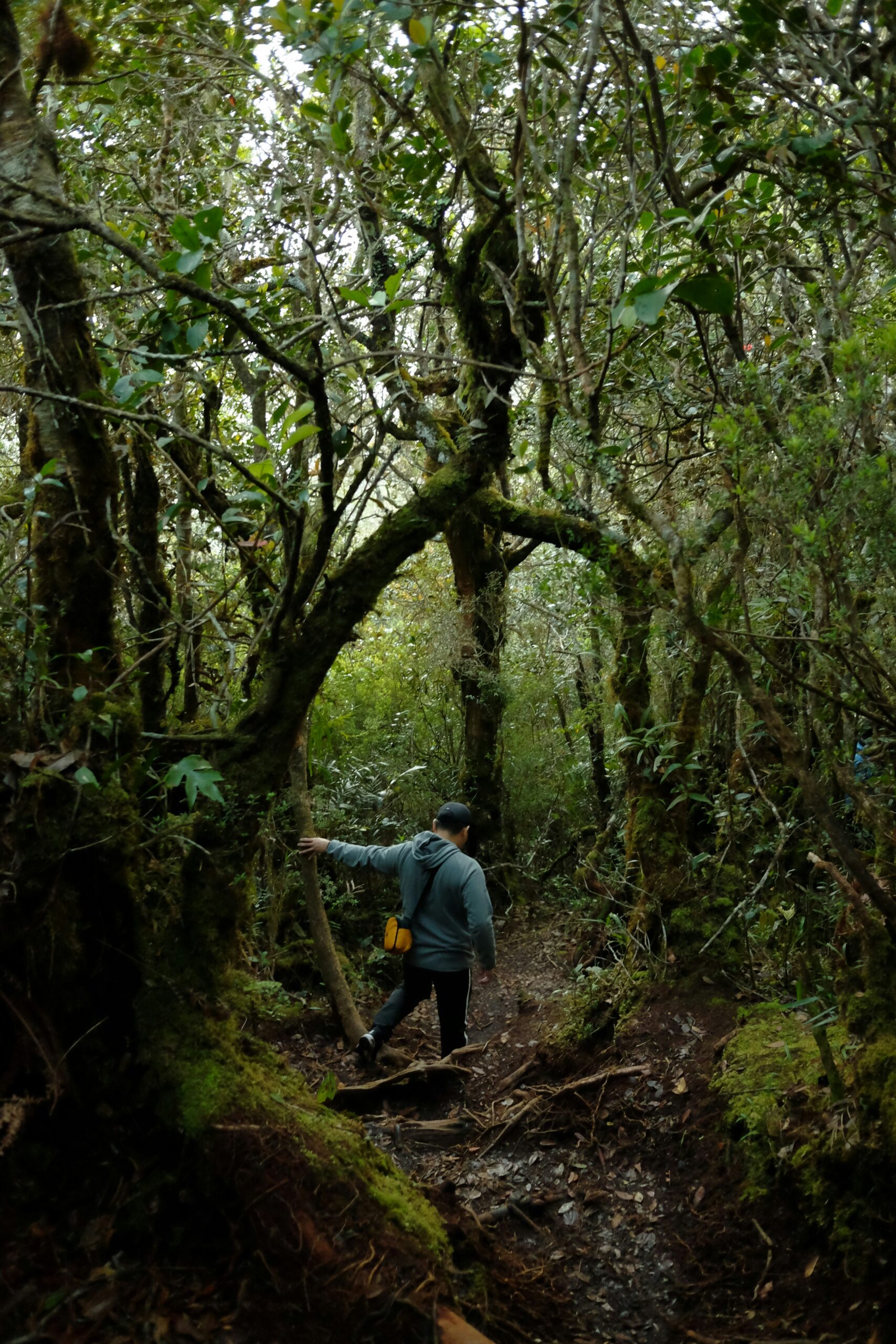
What can trigger it on our trails?
- Rain or damp/wet clothing
- Wind (especially on ridges or exposed summits)
- Higher elevations (temperature drops approx 6°C per 1,000m rise)
- Long rest stops without movement
- Being under-prepared (inadequate gear, clothing, or layering)
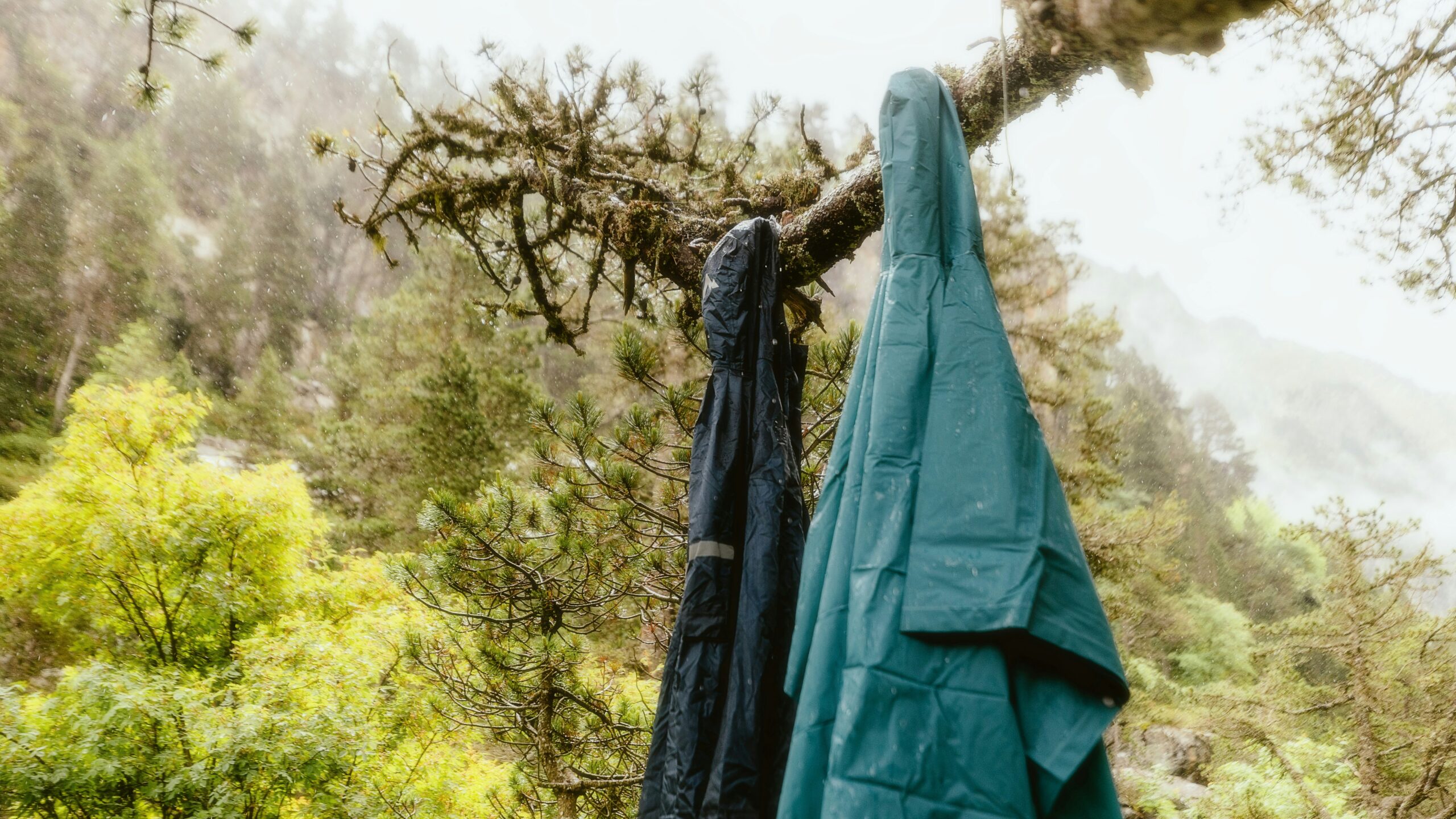
Let's go through the key steps you should tick off before and during your trek to prevent hypothermia
1. Dress in layers and keep dry
Layering is key: start with a base layer that wicks sweat, then a mid-insulation layer, and finally, an outer shell that protects from wind and rain. Avoid cotton for base layers as cotton retains moisture and speeds up heat loss.
Even if the weather forecast looks fine, bring along a lightweight wind-breaker or rain jacket.
In Malaysia you wouldn't expect snow, but wind, rain, and altitude still add up.
2. Stay fuelled and hydrated, and always keep moving
Your body needs energy and water to generate and retain heat. If you're exhausted, hungry, or dehydrated, your ability to regulate temperature drops.
So, pack snacks, drink regularly (even when you're not thirsty), and avoid stopping for too long without covering up or staying warm.
For example, if you stop for lunch on a cold, windy ridge, throw on an extra layer or keep moving lightly.
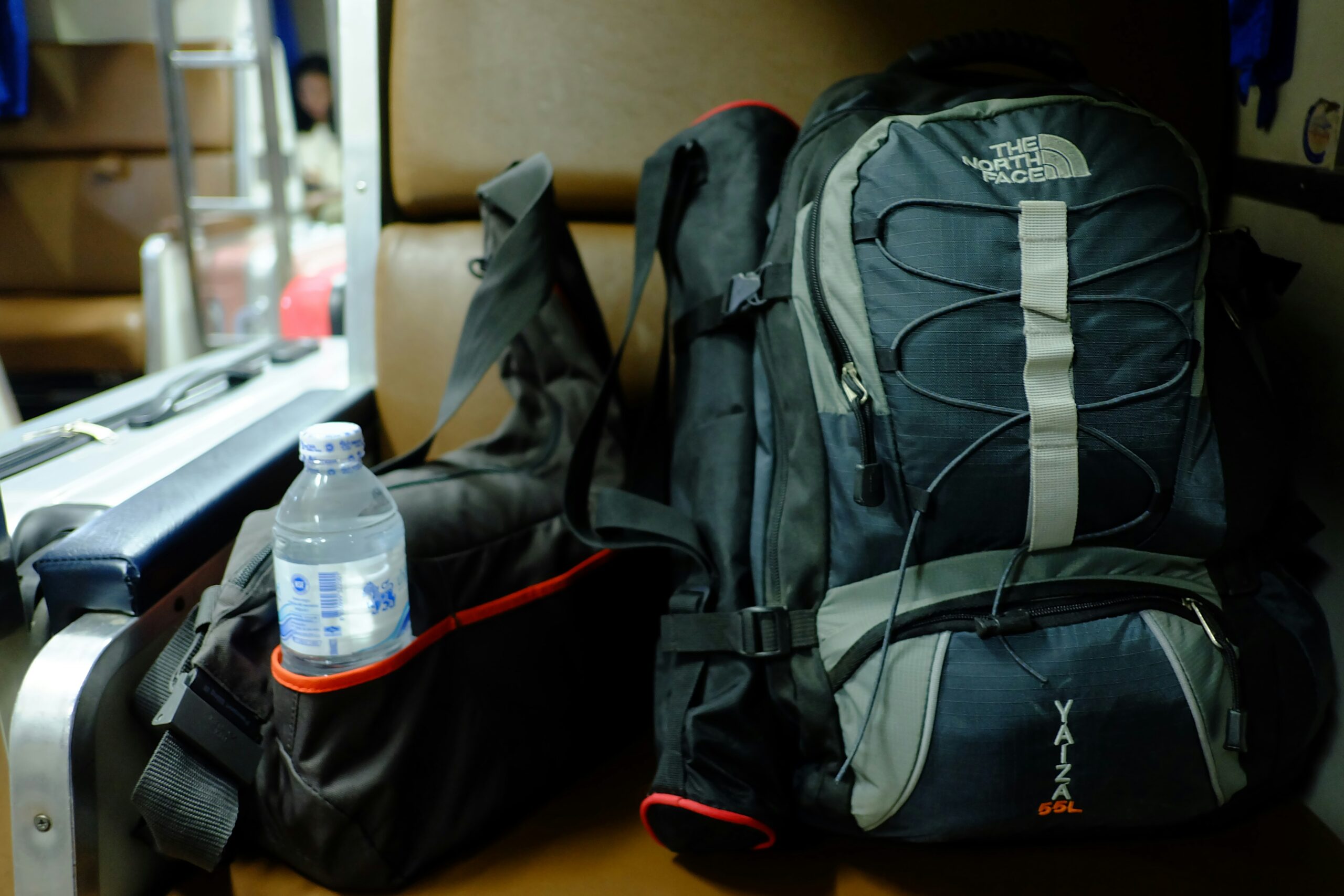
3. Plan and check weather, terrain, and permits
Before you go, check the weather, know the trail conditions, tell someone your plan, and know exit routes or refuge spots. Local guide-groups strongly emphasise this.
Remember that Malaysian highlands can shift quickly from "nice hike" to "rain, wind, and cold". Treat it like a mountaineering trip when it comes to temperature changes.
4. Carry emergency gear
Some gear to consider:
- A dry change of clothes (packed in waterproof bag)
- Wind/rain jacket
- Emergency blanket or space blanket (cheap but effective)
- Lightweight garbage bag
According to the New Straits Times, a certified local mountain guide says garbage bags are often carried on hikes because they can help retain body heat and serve as an emergency cover.
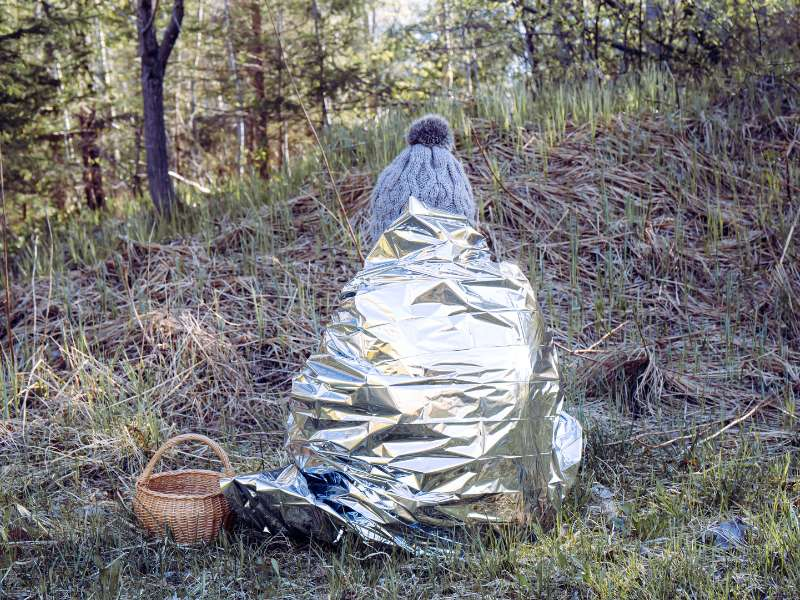
5. Know the signs of hypothermia early
Watch for shivering (early sign), confusion, slurred speech, drowsiness, lack of coordination, blue nails or lips, and slow breathing/heartbeat (advanced).
If you or someone in your group shows these signs, act immediately.
What to do if someone starts getting hypothermia
- Move them to a sheltered, dry spot (away from wind and rain)
- Remove wet clothes then replace with dry ones or wrap them in blankets or insulation
- Use body-to-body heat or other heat sources (warm drinks, chemical heat packs). But avoid aggressive "hot baths" or heaters that may shock them. Never apply direct or intense heat, such as from a campfire, as this can cause heart problems.
- If possible, consume a warm, non-alcoholic, sugary drink to help raise the body temperature
- Monitor breathing, keep them awake and alert if possible (falling asleep increases risk)
What to avoid
– Don't give them alcohol, as it worsens heat loss
– Don't rub or massage limbs vigorously, especially in severe cases, as this could trigger cardiac issues
If someone is unconscious, breathing shallowly, and you're far from help, treat it as a medical emergency and contact rescue teams immediately
The earlier you act, the better.
The information provided is for educational and communication purposes only and it should not be construed as personal medical advice. Information published in this article is not intended to replace, supplant or augment a consultation with a healthcare professional regarding the reader's own medical care.
