


 Cover image via
Follow us on Instagram, TikTok, and WhatsApp for the latest stories and breaking news.
If you can't remember the last time you changed or washed your bedsheets, you're not alone
According to a 2022 study by Sleep Advisor, the average person changes or washes their bedsheets once every 24 days.
So, how often should you really be changing your bedsheets?
Sleep Foundation and Cleveland Clinic recommend washing your bedsheets and pillowcases once a week
Why weekly? Healthline states that every night, you shed dead skin cells, sweat, and oils that accumulate on the fabric, the perfect place for dust mites and bacteria to feed.
If you sleep solo, shower before bed, don't have pets, and avoid eating in bed, you may be able to get away with washing your sheets every two weeks.
But if you have allergies, pets, or tend to sweat more than average, experts suggest changing your sheets every three to four days instead. Think of it as preventive maintenance for your sleep and your skin.
Remember, your blankets, duvet covers, and pillows also deserve some love
- Duvet covers and blankets: Wash every two weeks to a month, depending on how often you use them.
- Pillows: Every four to six months, or more frequently if you have acne or allergies.
- Mattress: Vacuum or spot-clean every few weeks and deep clean once or twice a year.
So, what happens if you don't change your sheets?
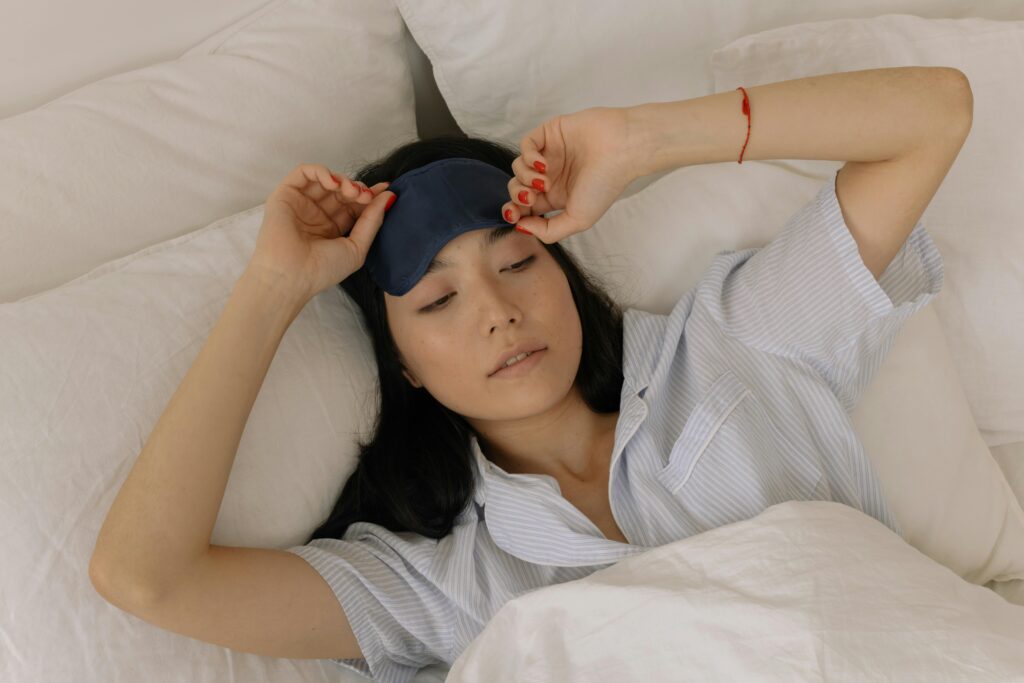
Skipping laundry day doesn't just make your bed smell stale, it can affect your health too. Every night, your sheets collect sweat, oils, and millions of dead skin cells, creating the perfect breeding ground for dust mites. While invisible to the eye, their droppings and body fragments can trigger allergies, asthma, and eczema flare-ups.
Moisture and humidity, especially in Malaysia's weather, make things worse. Studies have found that bedding can host high levels of dust mite allergens in as little as two weeks. These microbes can aggravate sinus problems or respiratory infections.
Your skin also pays the price. Bacteria can build up on pillowcases, clogging pores and worsening acne or irritation.
For more #lifestyle stories:
- Making Your Bed Could Allow Dust Mites & Other Creepy Crawlies To Thrive Under The Sheets
- Sleep Is Not A Luxury, It's An Essential — Here's Why Skipping It Messes With Everything
- Why Your Sleep Position Could Be Causing Bloating, Back Pain, And Sore Throat
- If Sleeping Is Your Favourite Hobby, Then You Need These Cosy Bamboo Bedsheets
