 Cover image via Wikimedia Commons
Follow us on Instagram, TikTok, and WhatsApp for the latest stories and breaking news.
Did you know there's a parrot that looks like it just flew in from a goth convention?
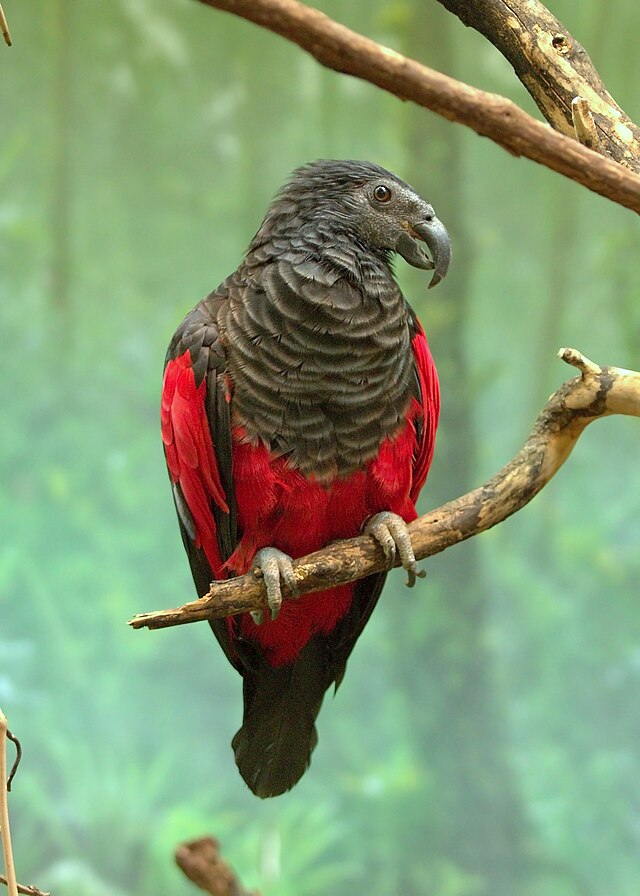
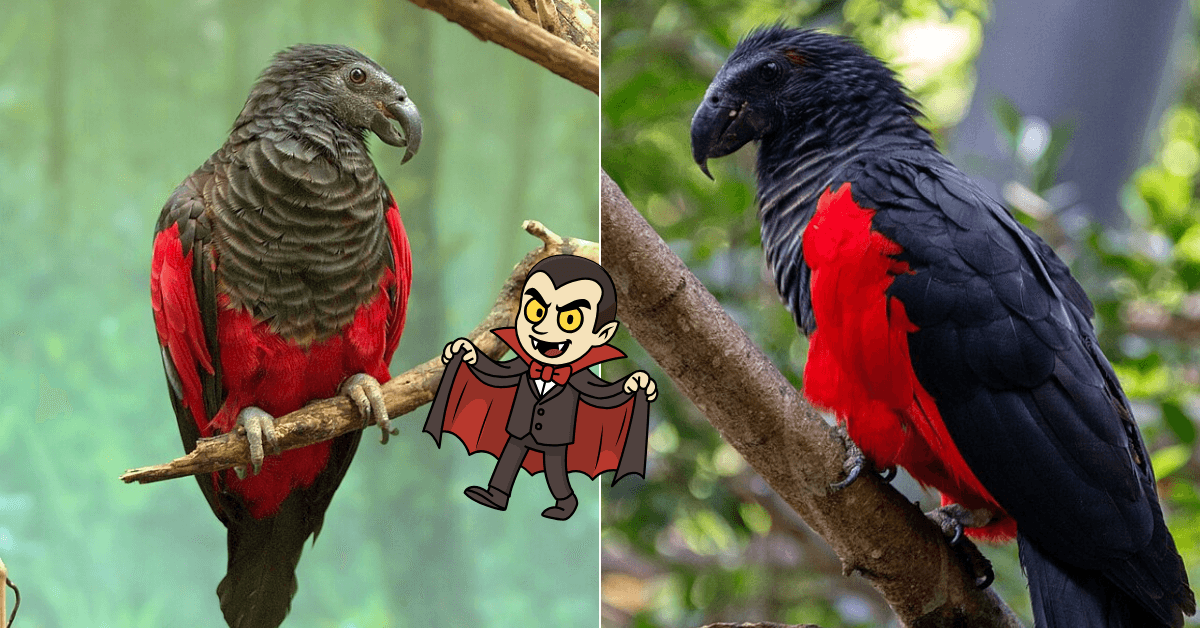
Pesquet's parrot may not sound dramatic at first glance, but this parrot from the island of New Guinea, encompassing Papua New Guinea and parts of Indonesia, is also known as the Dracula parrot.
One look at the bird shows why.
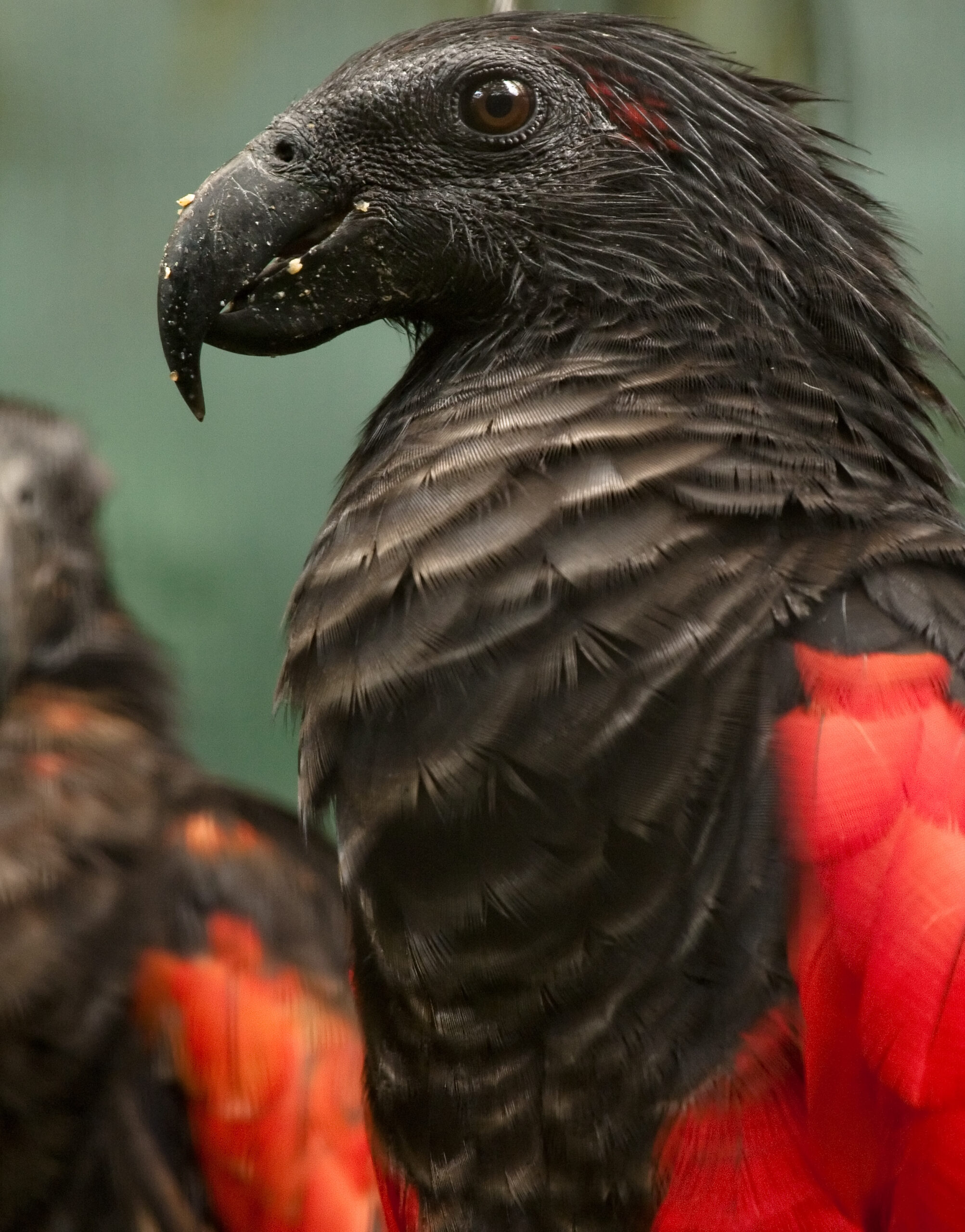
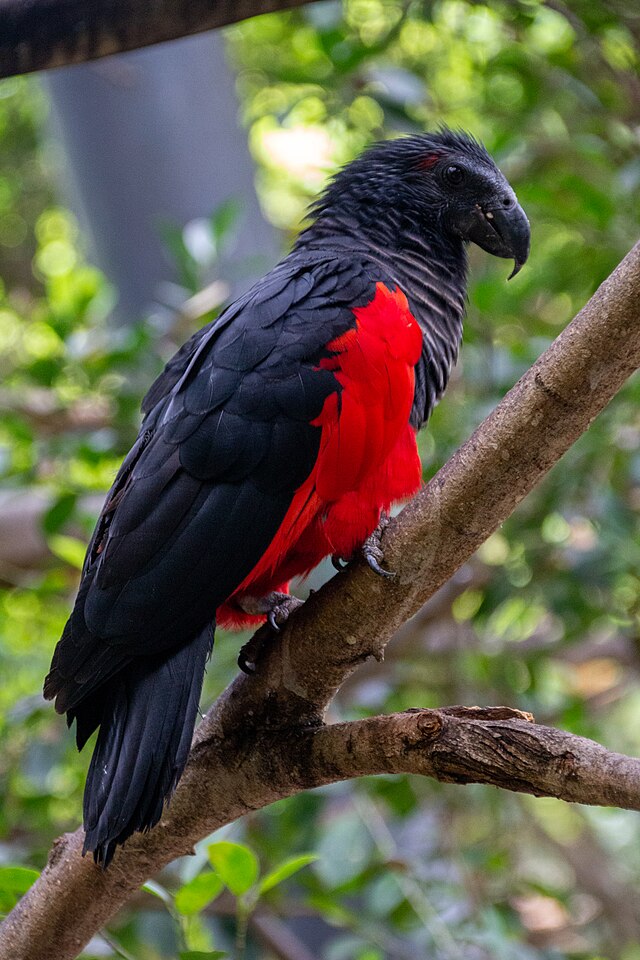
These parrots look a little scary at first glance.
Image via Wikimedia CommonsWith striking black feathers, a crimson underbelly, long predatory beaks, and bald faces, Dracula parrots look decidedly vampiric.
First described in 1830, Dracula parrots are also known as "vulturine parrots"
Their third name comes from their bald heads, which are unusual for parrots and give them a passing resemblance to vultures and other birds of prey.
These parrots are only found in the cloud forests and lowlands of New Guinea, the second-largest island in the world.
These are large birds, reaching nearly half a meter from beak to tail and weighing 600 to 800g.
Though little is known about their breeding habits in the wild, Dracula parrots are social animals, often seen in pairs or flocks of up to 20.
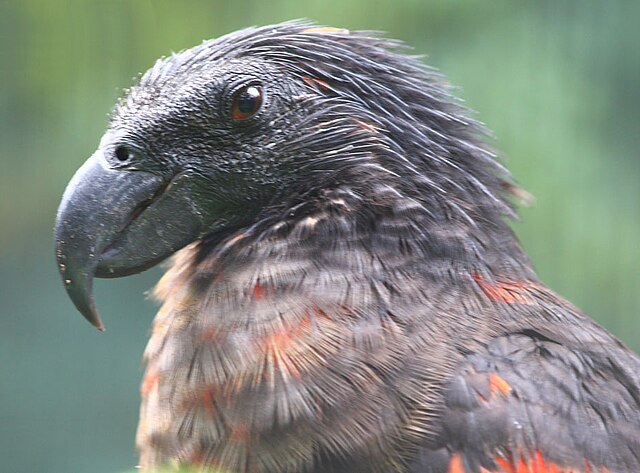
Despite their intimidating appearance, these birds are actually specialised fruit-eaters
Unlike other species of parrots, Dracula parrots feed almost exclusively on figs, and they are known to seasonally migrate based on the availability of such fruits.
In fact, their distinctive long, sharp beaks likely evolved to support their fruity diet, according to avian expert Laura Doering.
Their bald heads are likely an adaptation for the same reason — to prevent their feathers from getting matted while eating sticky fruits.

Indonesian stamp displaying a Dracula parrot.
Image via Wikimedia CommonsA rare and protected species, Dracula parrots are illegal to own as pets in many parts of the world
It is estimated that there are only 20,000 to 42,000 of these birds left in the wild.
In Malaysia, these parrots are protected under the International Trade in Endangered Species Act 2008, which prohibits the trade and ownership of protected species without the valid permits.
Failure to adhere to these laws can lead to heavy fines, jail sentences, or both. However, while the birds are rarely kept as pets, they are hunted by poachers for their striking plumage.
Habitat loss also poses an ongoing threat.
Its conservation status is listed on the IUCN Red List as "vulnerable", meaning it faces a high risk of extinction in the medium term unless conditions improve, a fate that could be avoided for this creepy yet beautiful species.