


 Cover image via CCTV
Follow us on Instagram, TikTok, and WhatsApp for the latest stories and breaking news.
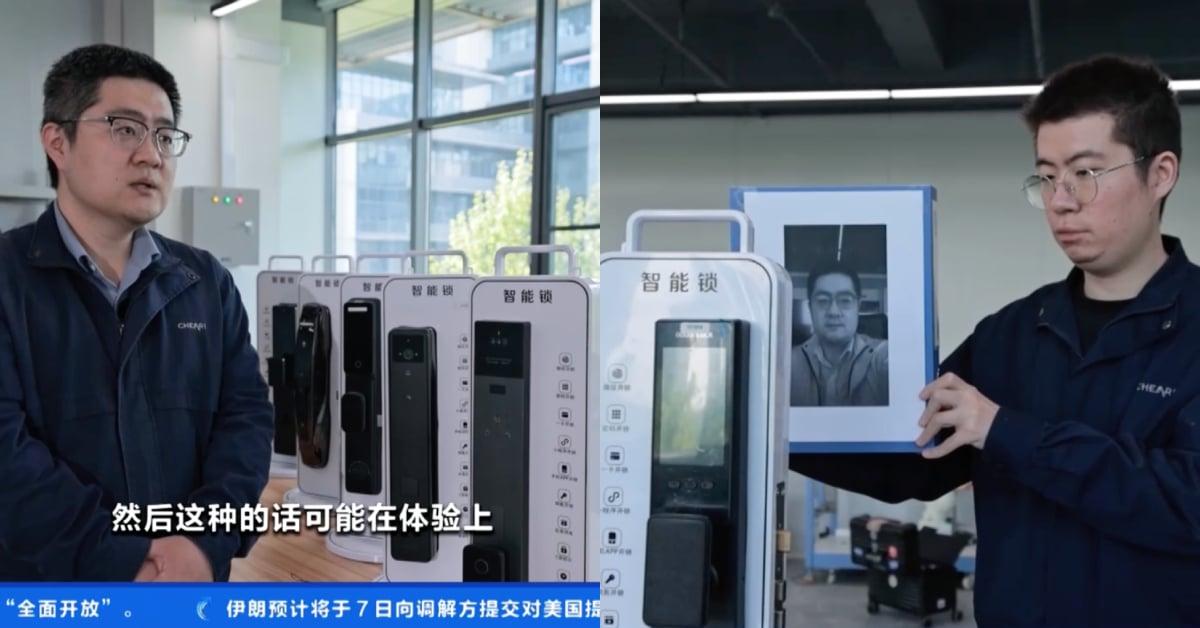
Consumer associations in China have raised security concerns over smart door locks after tests showed that some models could be unlocked using only a photograph
According to a news segment by Chinese state broadcaster CCTV aired on 7 May, consumer associations in Beijing, Tianjin, and Hebei recently conducted comparative tests on several popular smart door locks available on the market.
During one of the tests, a researcher first registered their facial information on a smart lock.
Another researcher then managed to unlock the device using only a photo of the registered user, raising concerns about how secure some facial recognition systems are.
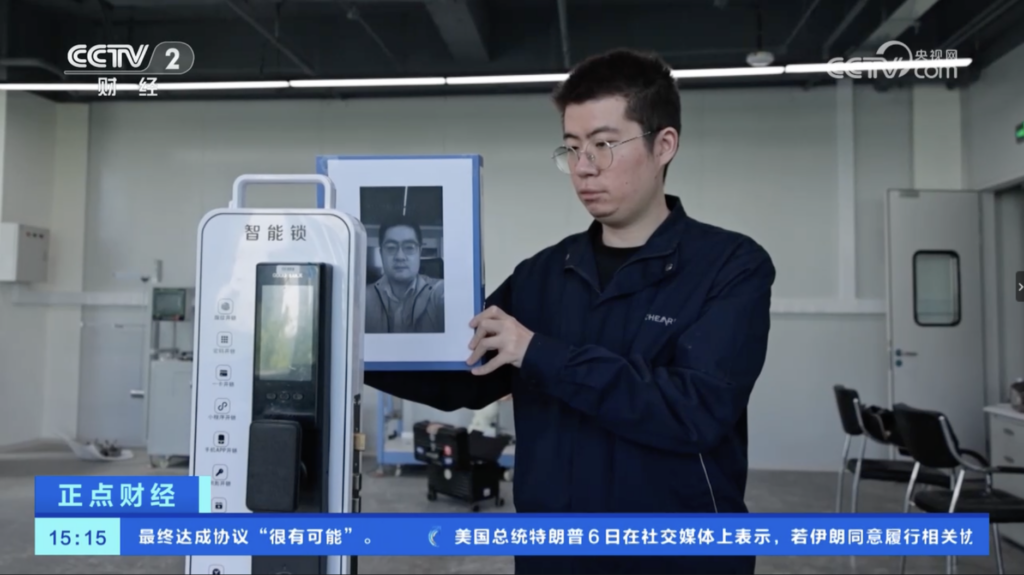
An engineer involved in the test explained that the issue largely stems from manufacturers lowering facial recognition thresholds to make unlocking faster and more convenient for users
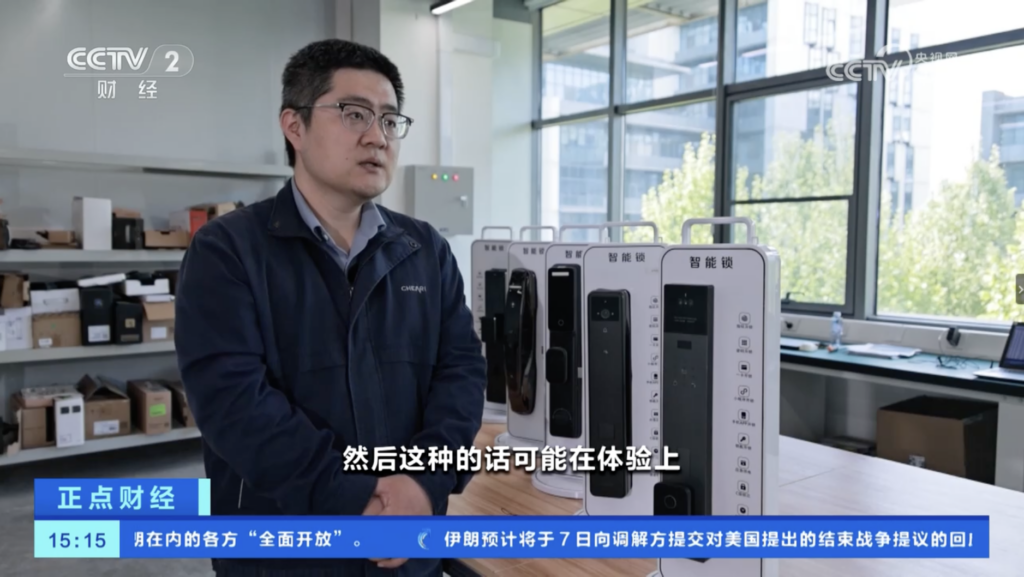
China Smart Home Testing Centre deputy director Wei Mingran said some companies prioritise speed and ease of use over stricter security measures.
"Lowering the threshold makes the door open faster. Some door locks have a relatively higher threshold, which provides higher security, but the door will take slightly longer to open," he said, as quoted by China News Network.
Researchers also found additional security weaknesses involving backup access cards
Out of 30 popular smart locks from 20 mainstream brands that were tested, 12 could reportedly be unlocked using duplicated keycards.
Wei explained that many smart door locks use "IC cards" — RFID-based entry tokens — as backup keys, but some of these cards have weak encryption systems.
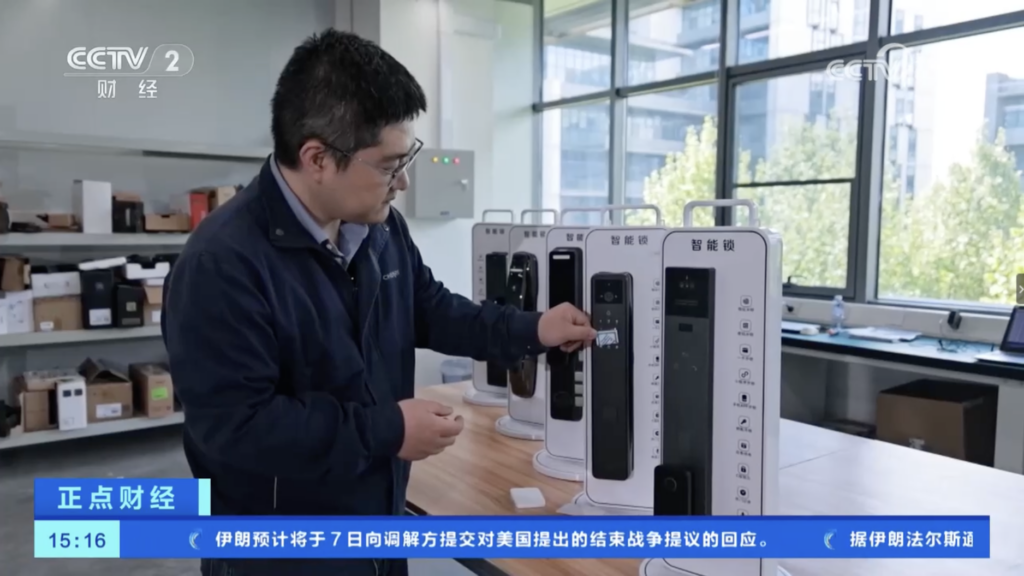
"It can be duplicated without contact; you just need to get close to it," he said.
The report noted that while smart locks offer convenience, consumers should be cautious when purchasing low-quality products, especially those without reliable customer support or proper security technology.
