


 Cover image via
Follow us on Instagram, TikTok, and WhatsApp for the latest stories and breaking news.
As ChatGPT becomes increasingly sophisticated, its practical applications are evolving to meet the specific needs of different age groups
OpenAI CEO Sam Altman recently noted that the "unbelievable" difference in how younger and older generations interact with AI mirrors the early adoption phase of smartphones.
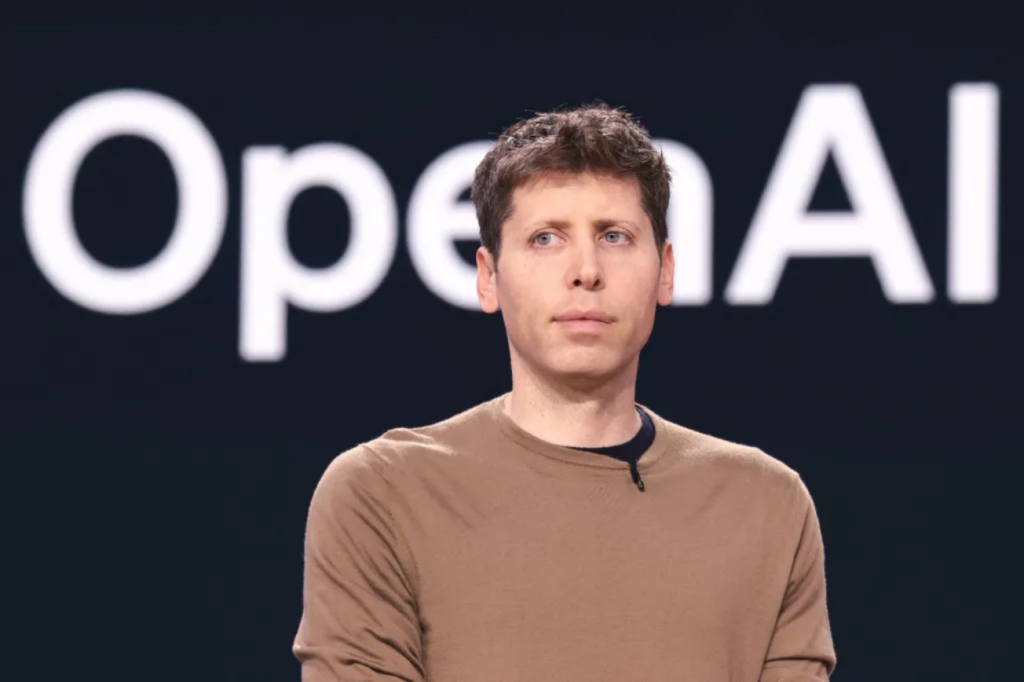
OpenAI CEO Sam Altman, .
Image via FortuneAltman categorised ChatGPT users into three broad groups based on their primary intent:
The older generations primarily utilise the AI as a replacement for search engines like Google.
Meanwhile, users in their 20s and 30s often treat the platform as a personal life advisor.
College students, on the other hand, integrate the AI into their lives as an "operating system".
College-aged users and young adults are embracing ChatGPT more than any other demographic, with more than one-third of 18-to-24-year-olds in the US using the product
These users typically develop complex workflows, connecting the AI to personal files and utilising fairly complex prompts that they have memorised or saved to manage their daily tasks.
A significant aspect of this usage is the reliance on the AI's memory. Because ChatGPT can retain context from previous interactions, younger users often consult it for major life decisions.
Altman noted that for some, the AI has "the full context on every person in their life and what they've talked about", making it a deeply personalised tool for navigating relationships, business, and even health questions.
While some users have begun replacing talk therapy or professional consultations with AI, experts remain divided on the safety and ethics of this practice
A November 2023 study emphasised the need for expert verification, while another study described large language models as "inherently sociopathic", suggesting they cannot be trusted for ethical advice.
Other studies indicate that using ChatGPT for common, everyday advice is generally harmless and can be helpful for users seeking quick perspectives.
OpenAI has not provided a definitive comment on the safety or reliability of using its product for major life counselling.

.jpg)