


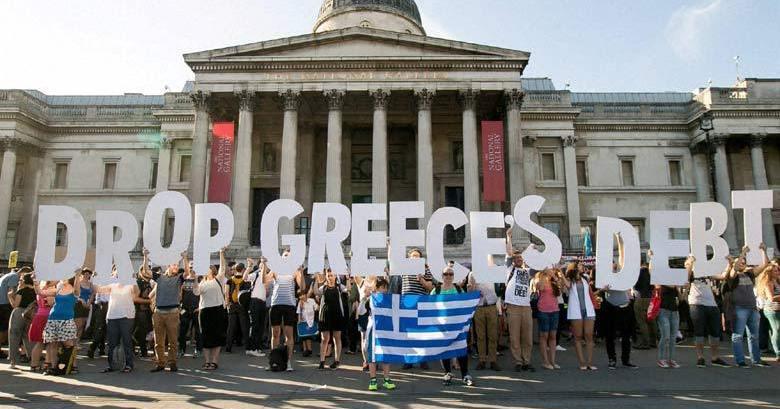
 Cover image via AP
Greece agrees to talks on third bailout deal as Greeks wonder what happened to their 'No' vote
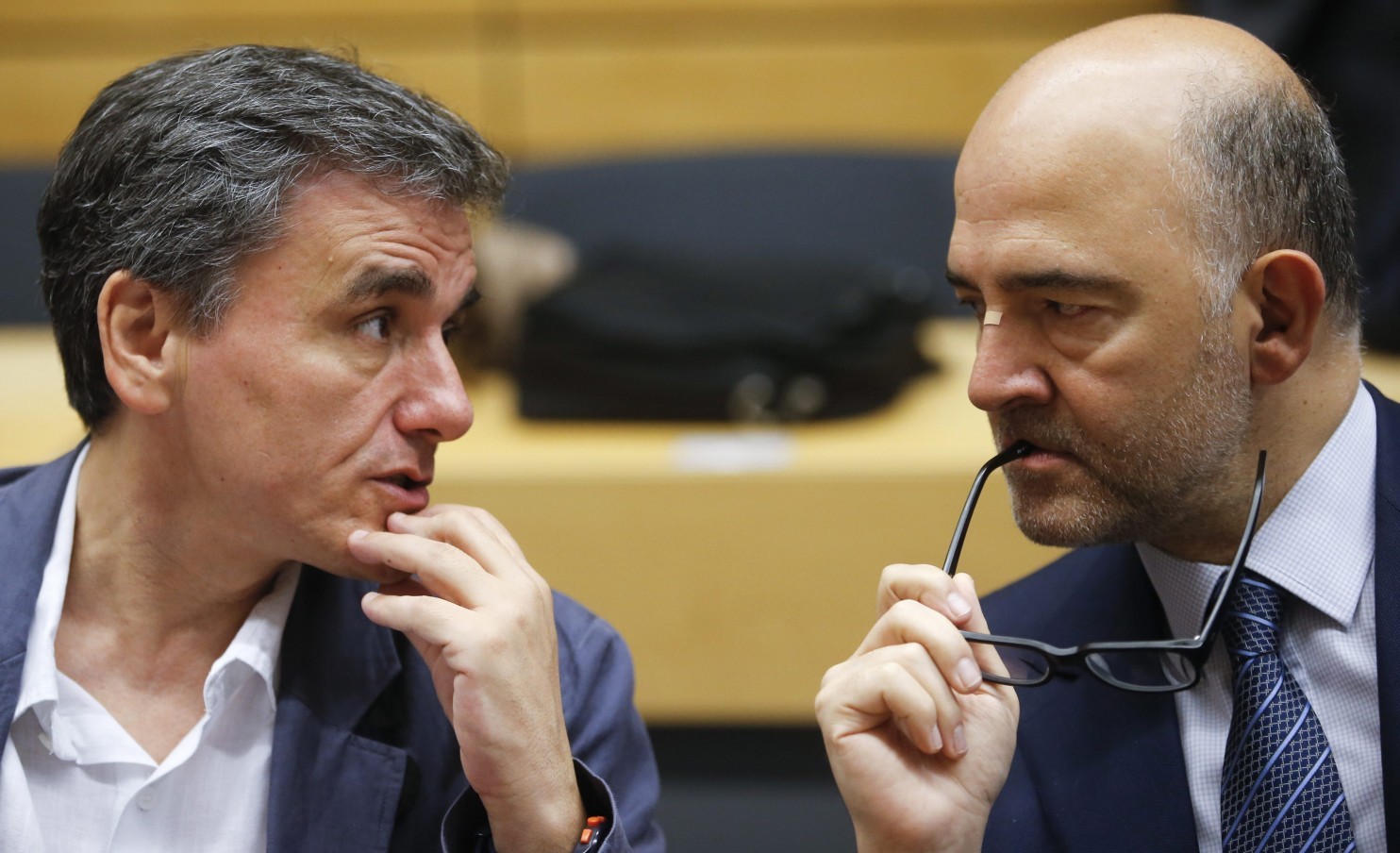
Greek Finance Minister Euclid Tsakalotos talks to European Economic and Financial Affairs Commissioner Pierre Mocovici (R) during a euro zone finance ministers meeting in Brussels, Belgium, July 12, 2015.
Image via Olivier Hoslet / EPA
Greece is no longer in danger of exiting the danger zone, but Prime Minister Alexis Tsipras has a set of daunting tasks ahead of him. Before negotiations can begin, several measures will have to be enacted and endorsed by the Greek parliament.
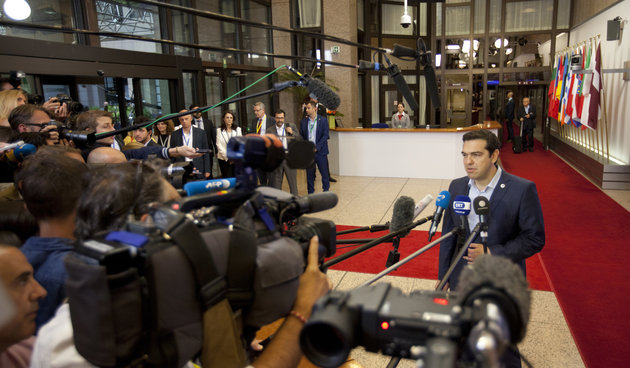
Greek Prime Minister Alexis Tsipras, right, speaks with the media on Monday, July 13, 2015 after a summit of eurozone leaders reached a tentative agreement with Greece for a bailout program that includes "serious reforms" and aid.
Image via AP / Francois Walschaerts

A large group of critics from all over Europe – many of them Greek – have taken to Twitter to voice their discontent over the ultimatums set upon Greece, as evident by the trending hashtag #ThisIsACoup that is mainly directed at European leaders

Image via Telegraph UK
6 July: Greek finance minister resigns following overwhelming 'no' vote in referendum

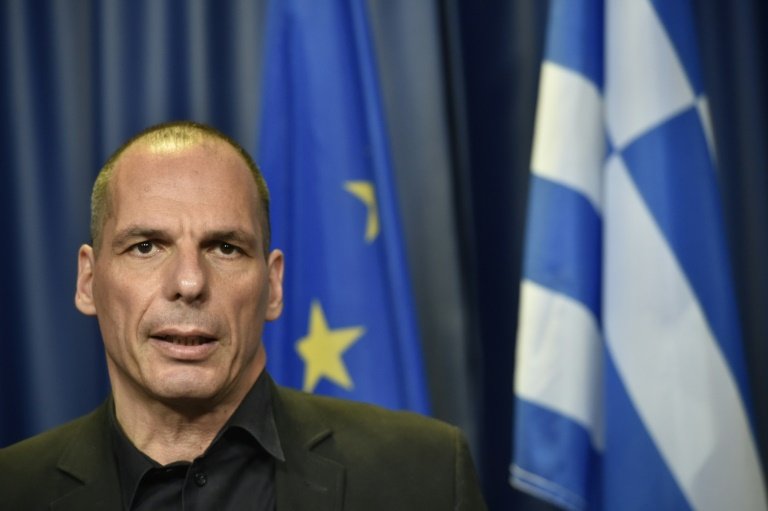
Image via AFP / John Thys
On 5 July, Greek voters rejected the terms of an international bailout with an overwhelming 61.3% voting "no" on Sunday's referendum. With that, Greece's economic future is now unclear, with experts predicting that a Grexit (Greek exit) from the eurozone may be imminent.
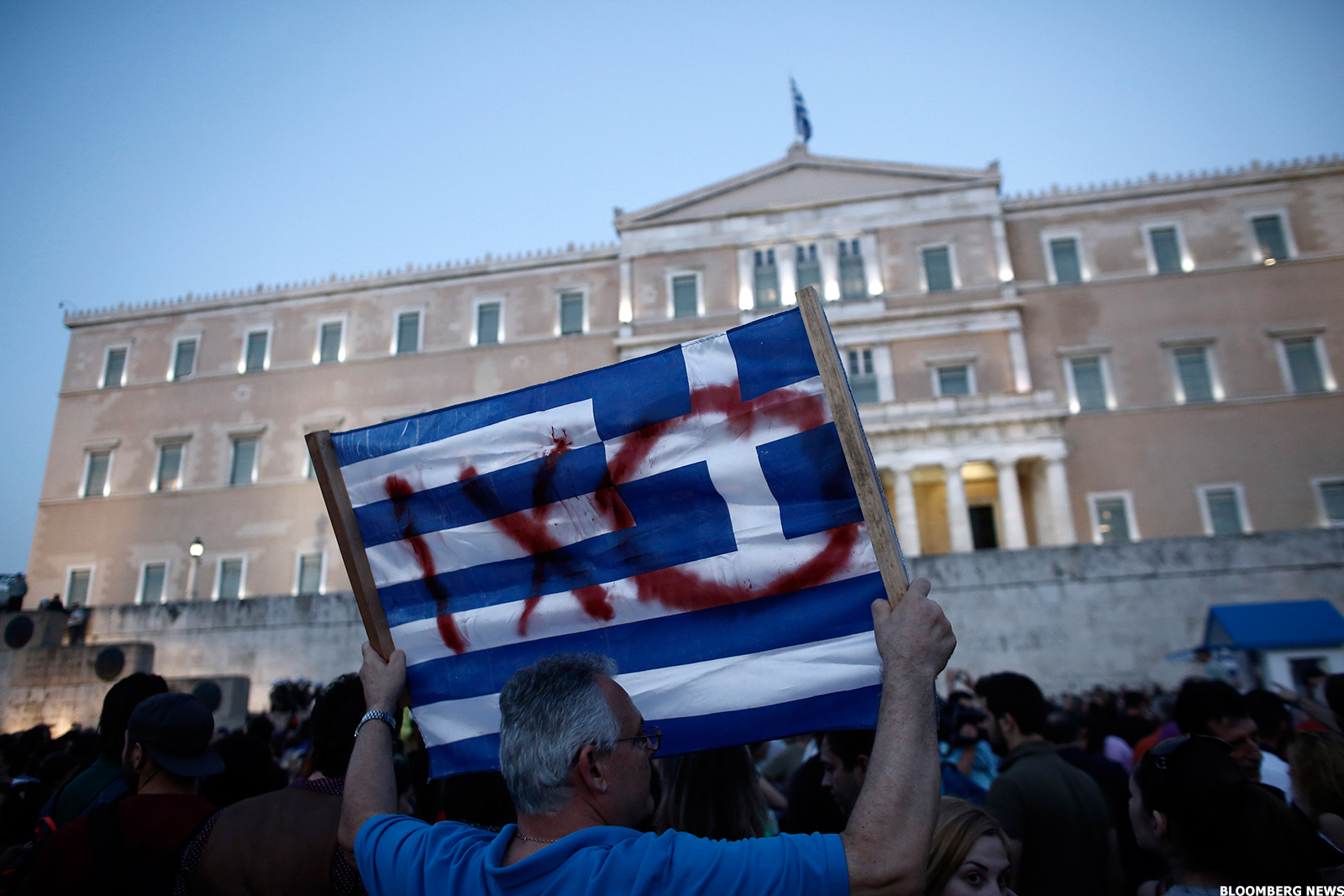
Image via Bloomsberg News
France and Germany – Greece's biggest creditors – have called for an emergency summit of eurozone leaders this Tuesday, while some European officials are of the opinion that Greece's rejection would be seen as a direct dismissal of any further negotiations with creditors
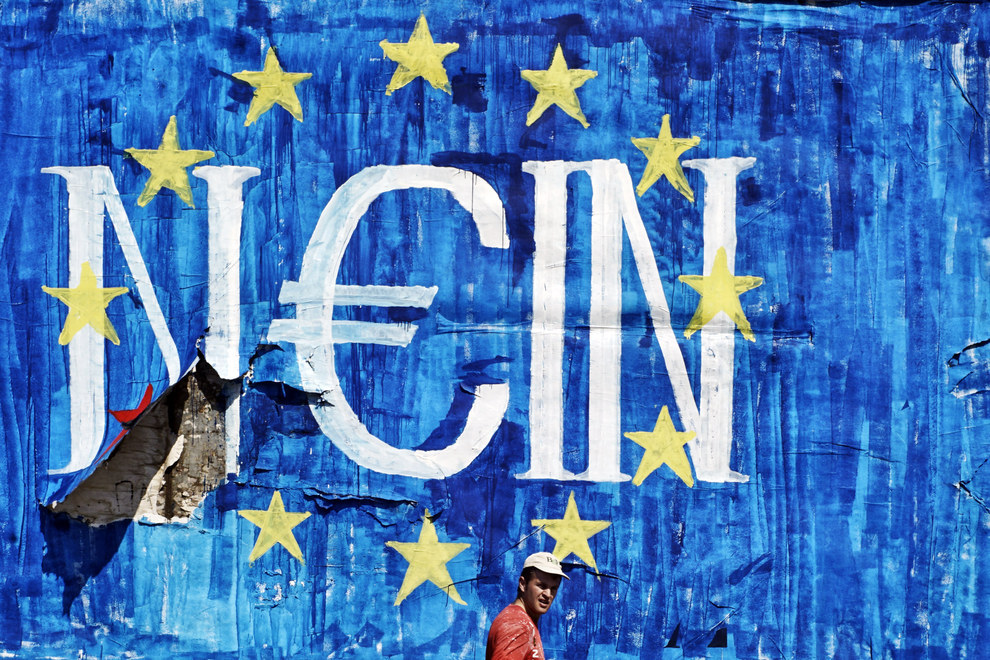
Image via Milos Bicanski / AFP / Getty Images
1 July: On 30 June, Greece became the first developed country to default to the International Monetary Fund (IMF) after failing to pay its debt of €1.5 billion (RM6.7 billion), effectively ending the country's financial lifeline from its 5-year European bailout
Eurozone finance ministers rejected Greek prime minister Alexis Tsipras' last-minute appeal to extend the country's bailout, made just hours before it expired at midnight. Tsipras was reported to have requested for a two-year bailout from Europe – its 3rd in 6 years – amounting to €29 billion.
Greece is now **denied any further access to financing from the IMF and its eurozone partners until the debt is cleared**. According to a press release from IMF, Greek authorities have filed a formal request to the fund's Executive Board for an extension of the country's repayment obligation.

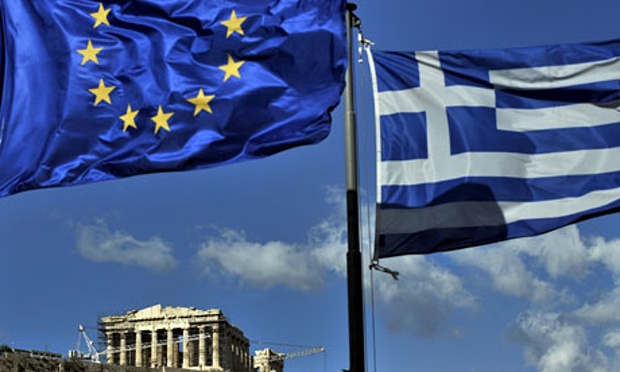
Image via Aris Messinis / AFP / Getty Images
Greece's total debts amount to €242.8 billion (RM1 trillion), including loans made under two bailouts from European governments and the IMF as well as Greek government bonds held by the European Central Bank and national central banks in the eurozone
The country rejected a new proposal to extend its bailout deal from creditors last week, stating that the amount is too little and that the proposed reforms are very likely to cause recession.
Prime Minister Alexis Tsipras has called for a referendum on 5 July, where Greek voters will vote on whether the country should accept the terms of the bailout or leave the eurozone.
**Tsipras urged voters to reject creditors' demands, insisting a "No" vote in next Sunday's referendum would strengthen Athens' negotiating hand.**
"We ask you to reject it with all the might of your soul, with the greatest margin possible," he said on state television. "The greater the participation and the rejection of this deal, the greater the possibility will be to restart the negotiations to set a course of logic and sustainability."
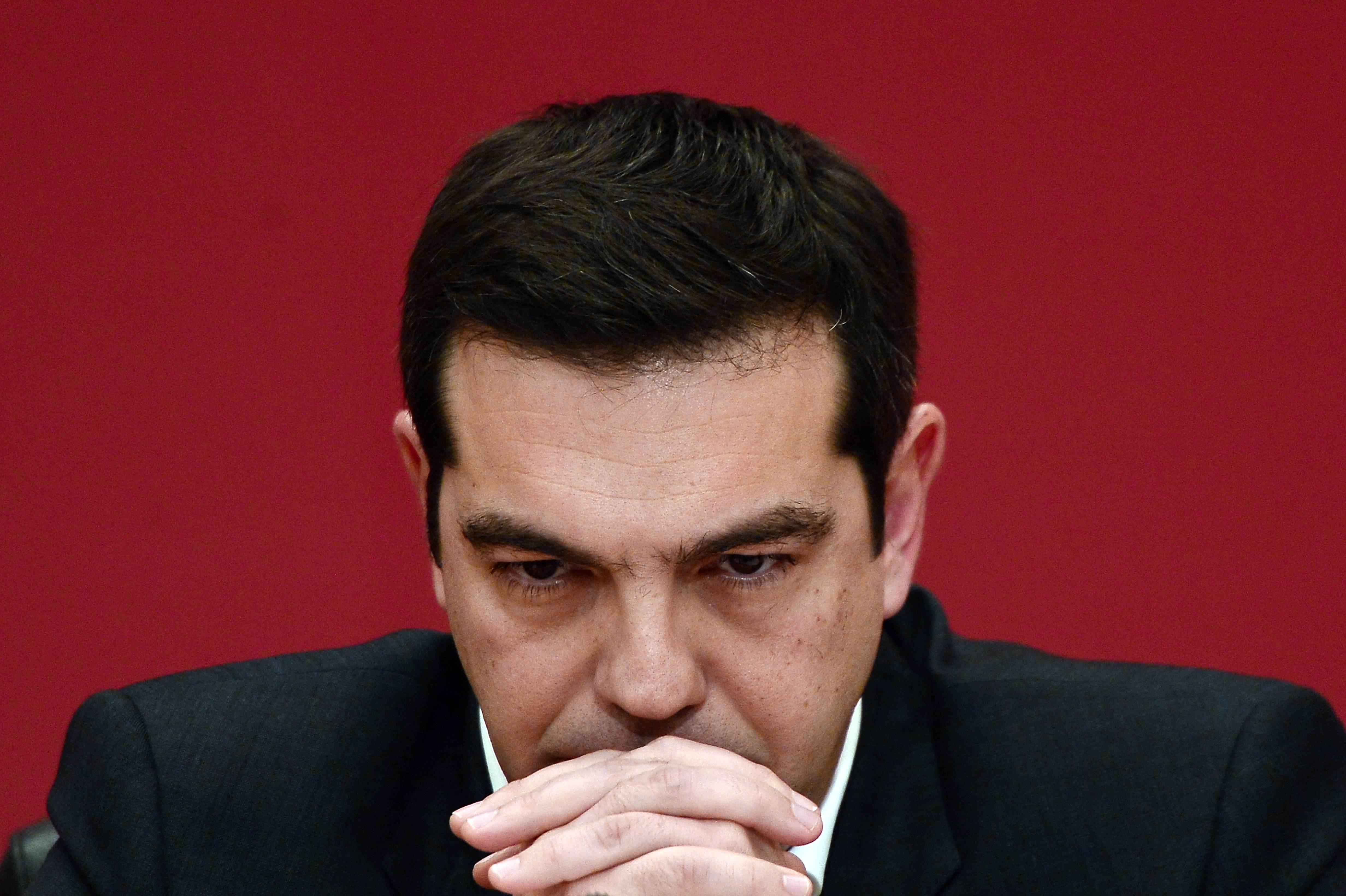
Image via Scottish Socialist Party
Shortly after that, the Greek government announced that banks across the country will shut down for a week (29 June to 6 July) as capital controls are implemented, including a daily withdrawal limit of €60 per card, on 28 June
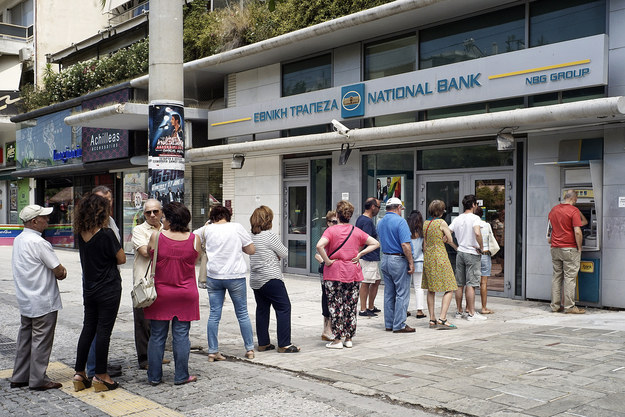
Long lines were seen at many ATMs on Sunday as Greeks scrambled to withdraw whatever funds they could from their bank accounts before they closed.
Image via Milos Bicanski / Getty Images
Foreign tourists, however, will be able to make cash withdrawals from ATMs provided their cards are issued abroad. Electronic transactions, such as with credit or debit cards as well as Internet and phone banking, will also be conducted as normal.
Greece's decision to shut its banks and potential exit from the eurozone saw a majority of Asian stock markets – including the Shanghai Composite Index and Tokyo's Nikkei – taking a dip

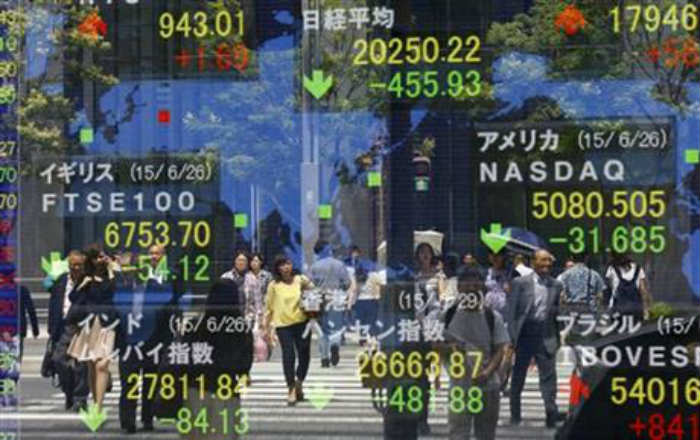
Image via AP Photo / Shizuo Kambayashi
Amidst concerns of a contagion effect on the global economic situation, PM and Finance Minister Najib Razak said that Greece's financial crisis will not have any systemic effect on the Malaysian economy, but the global impact could still indirectly affect the country

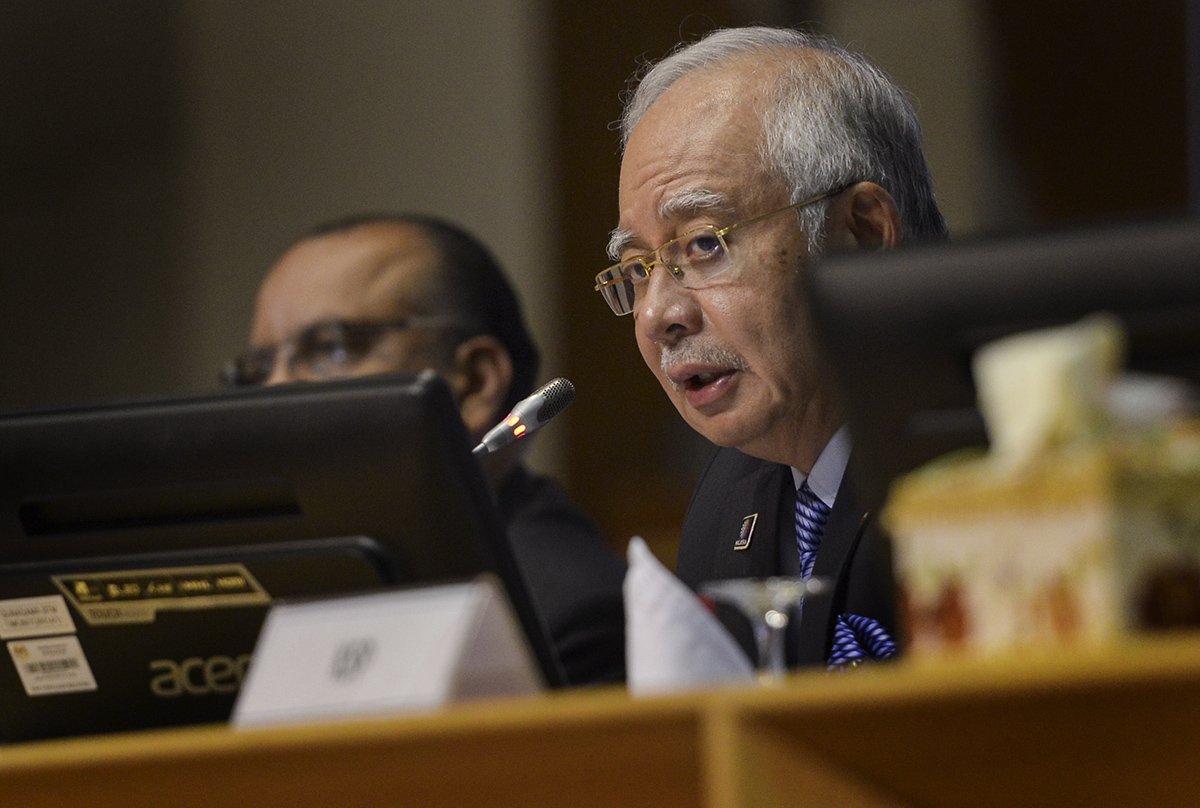
Image via The Malaysian Insider
Analysts seem to agree with Najib, saying that the likelihood of a direct and serious impact on the Malaysian economy is quite minimal as there are no products with exposure to Greece

Image via The Star Online
However, a report from Barron's Asia suggests that Malaysia will be placed in a very vulnerable position if Greece exits the eurozone and European banks start repairing their balance sheets by cutting back their debt holdings in Asia
So far, the ringgit has seen minimal effects from Greece's financial problems. Furthermore, Fitch Ratings have maintained Malaysia's credit ranking and even revised the financial outlook to "stable" from the previous "negative" evaluation.


Image via Free Malaysia Today
