


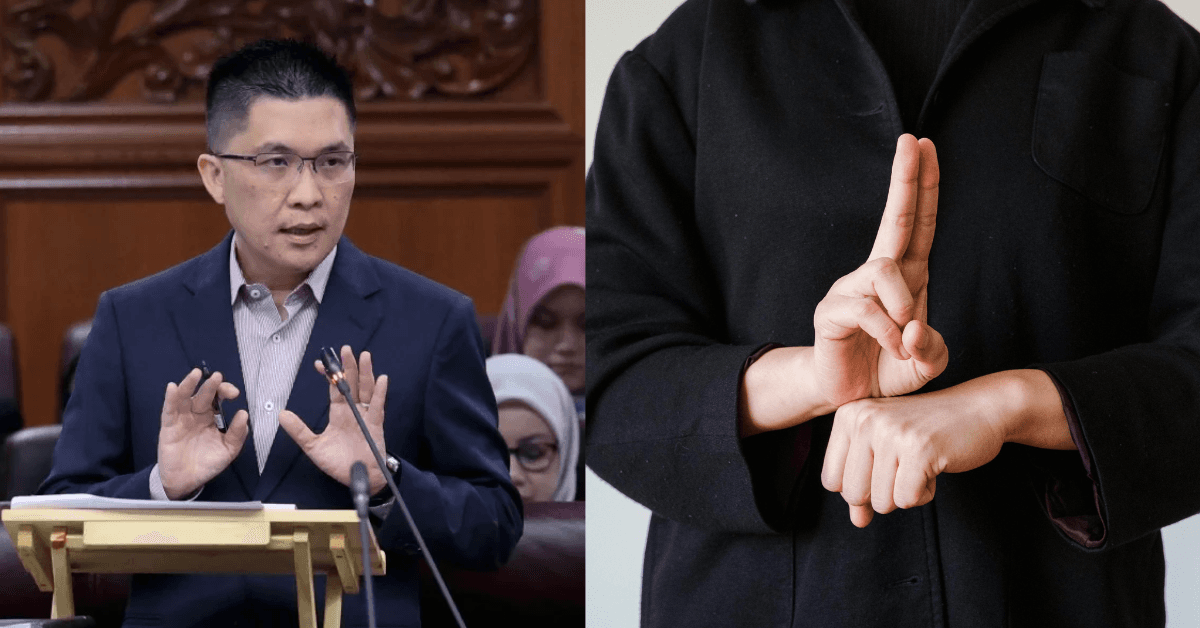
 Cover image via
 Follow us on Instagram, TikTok, and WhatsApp for the latest stories and breaking news.
Students may soon be able to learn sign language in school under a new national curriculum set to roll out in 2027
Under the upcoming 2027 School Curriculum (KP2027), mainstream students may have the opportunity to learn Malaysian Sign Language (BIM) as an additional language.
The goal is to help students better understand the deaf community and create a more inclusive environment in schools.
According to the New Straits Times, Deputy Education Minister Wong Kah Woh said the move aims to encourage students to be more aware and accepting of people with disabilities.
Speaking in the Dewan Negara yesterday, 9 March, Wong explained that greater participation from mainstream students can improve understanding, tolerance, and social integration between students with and without disabilities.
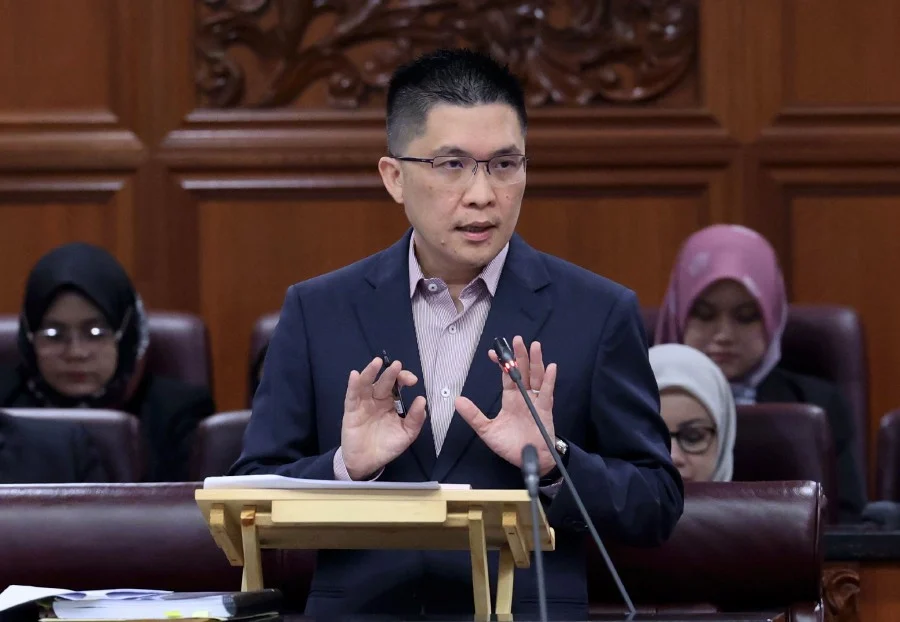
The move also builds on programmes the Ministry of Education has already introduced over the years for students with disabilities
Some schools already run the Integrated Special Education Programme (PPKI), where students with disabilities study in the same schools as other students. Under the new curriculum, mainstream students in these schools may also get the chance to learn sign language.
The idea is to help students interact more easily with one another and encourage inclusivity from a young age.
Image for illustration purposes only.
Image via Julia Taubitz/UnsplashDuring the same parliamentary session, Women, Family and Community Development Minister Datuk Seri Nancy Shukri said the government is also continuing efforts to support children with disabilities, especially those from low-income families.
She said the focus includes financial assistance, education support, early intervention programmes, skills training, and stronger legal protection.
Bernama reported that some of the support available includes financial aid for children, foster care assistance, and monthly aid for people with disabilities who are unable to work.
Early support and training programmes are also available
Children with disabilities can also receive early intervention through the Community-Based Rehabilitation Programme (PDK), where they can take part in skills training and social activities. Participants in the programme also receive a monthly allowance of RM300.
For teenagers, vocational training is available at the Industrial Training and Rehabilitation Centre (PLPP) Bangi, where they can learn practical skills and obtain certificates that may help them find jobs later on.
Overall, the new curriculum and existing programmes are part of the government's broader efforts to make schools and society more inclusive for people with disabilities.
