
Govt Says RON95 Subsidy Rationalisation Will Consider Fuel Usage, Not Just Income
Economy Minister Akmal Nasrullah Mohd Nasir says fuel consumption and other factors may be considered under the upcoming RON95 subsidy rationalisation plan, as Putrajaya seeks to avoid impacting vulnerable groups.


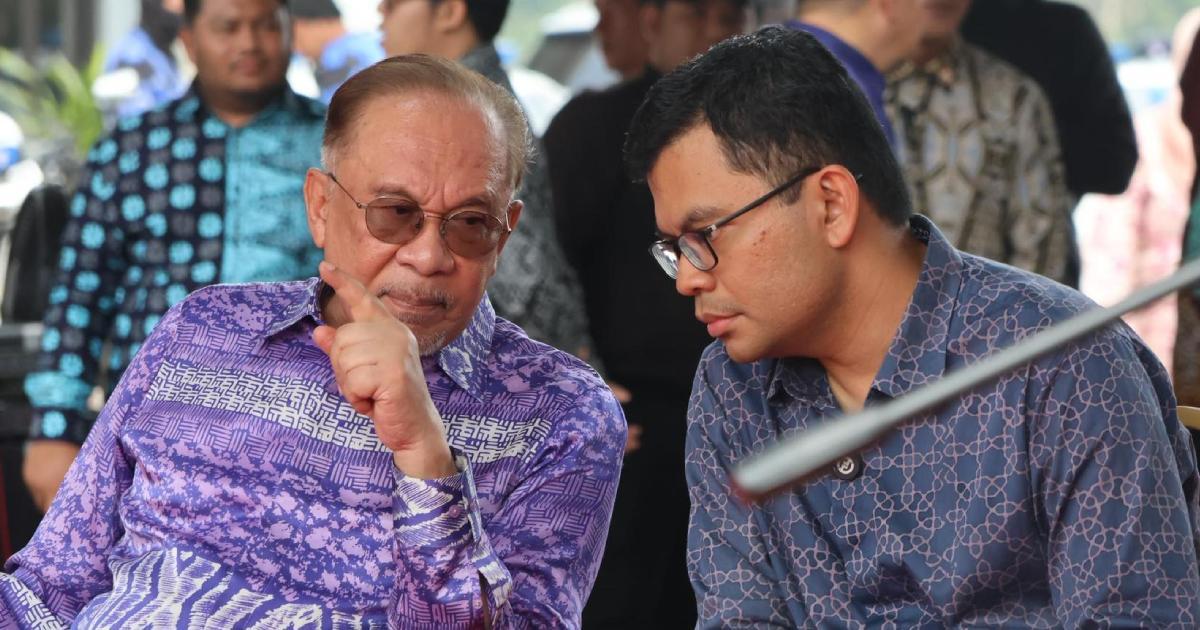 Cover image via Akmal Nasir
Follow us on Instagram, TikTok, and WhatsApp for the latest stories and breaking news.
The upcoming rationalisation of Malaysia's RON95 fuel subsidy will not be determined solely by household income, with the government now indicating that fuel consumption and other factors will also be taken into account
Economy Minister Akmal Nasrullah Mohd Nasir said the broader approach is meant to ensure the subsidy system is more accurately targeted, as officials refine the technical framework ahead of implementation.
He said the rollout is expected to be aligned with the start of a calendar month to ensure the screening system is fully ready when the policy takes effect.
"In my view, it is best if we can finalise this before the start of a new month. Because when we want to bring about this change, it also involves the system," he said at a ceremony involving the government and ARM Holdings.
According to him, the government is still working through the key technical challenge of defining the precise threshold between those who will continue receiving subsidised fuel and those who will transition to market pricing.
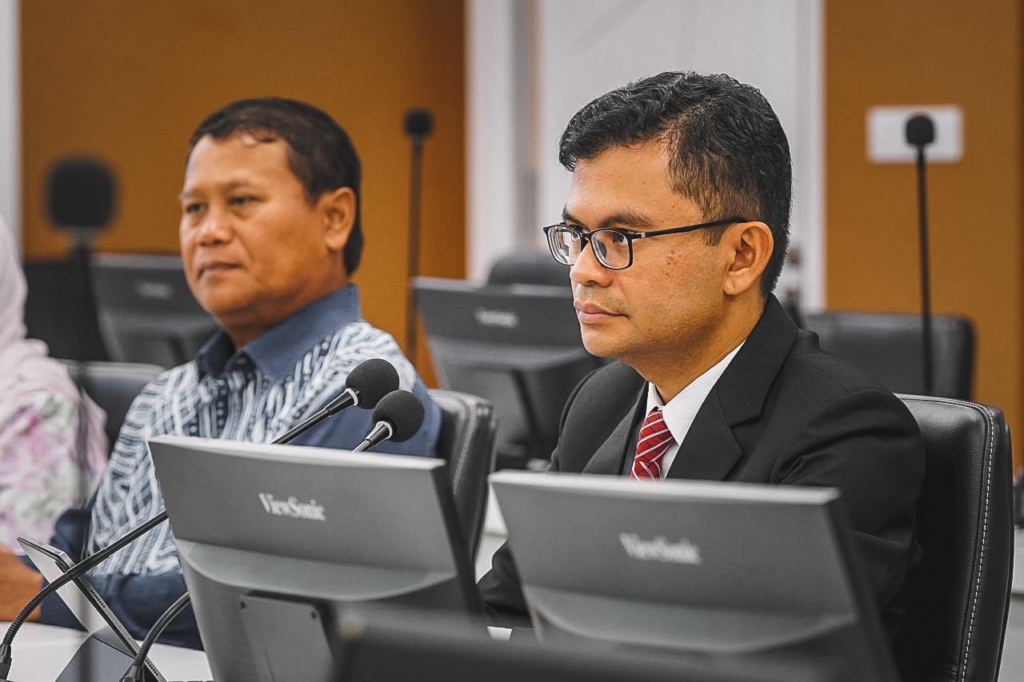
A central concern, Akmal said, is avoiding unintended financial pressure on groups that are not fully prepared for the shift
"We do not want to cause a significant shock to groups that still require support, or those who are not fully ready to transition," he said.
"That is the core of our discussions, to determine the exact dividing lines between those who rightfully deserve the subsidy and those who should be removed from the system."
"The details will only be shared once a decision has been finalised because, naturally, when such a policy or approach is implemented, there must also be room for appeals and similar processes. Having a clearer dividing line will also make it easier for target groups to accept the policy," he added.
His remarks come as the government continues refining a broader targeted subsidy framework for RON95, which is currently priced at RM1.99 per litre for eligible Malaysians, subject to a monthly cap of 200 litres.
They also follow Prime Minister Datuk Seri Anwar Ibrahim's confirmation that Putrajaya had agreed in principle to rationalise fuel subsidies for wealthier Malaysians
Anwar said the proposal is being reviewed by a task force under the National Economic Action Council, chaired by Tan Sri Mohd Hassan Marican, with discussions still ongoing on whether the policy should apply to the T5, T10, T15 or T20 income categories.
"In principle, we agree, but we want to ensure it does not affect the upper-middle class. They are working on it, and I hope it will be finalised soon," he said.
Economists have previously estimated that excluding the T20 group from the RON95 subsidy system could save the government up to RM1.5 billion per month, depending on the final design of the eligibility framework.
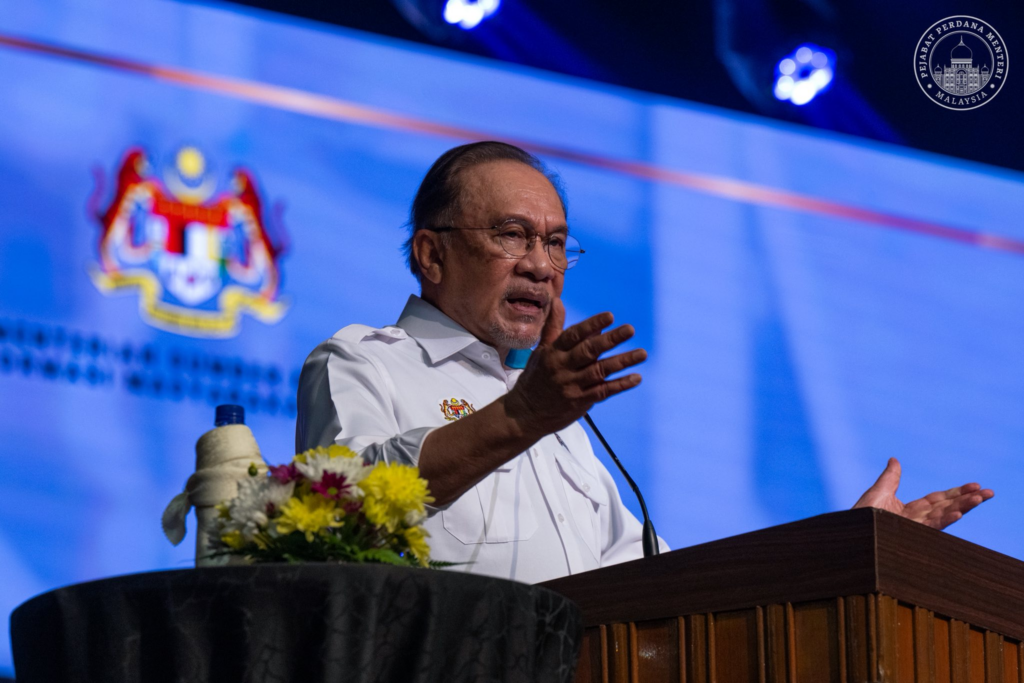
While the economy minister did not provide specifics, his remarks do not necessarily mean that higher petrol usage alone will lead to a loss of subsidy
Think of it more as the government working towards a scoring or screening system for RON95 eligibility. Income is one layer, consumption is another, and possibly other factors such as vehicle type or household profile, though these are not confirmed.
So, higher fuel use on its own is unlikely to act as a simple trigger.
More realistically, it could work like this:
- High income + high consumption → more likely to be excluded
- High income + low consumption → still possibly excluded
- Lower income + high consumption (e.g. long-distance workers) → could still be protected
That's why the minister is talking about avoiding "financial shock" and defining the "dividing line", suggesting that the government knows consumption data is messy and can reflect necessity, not luxury.
In short, no, his remarks do not mean heavy RON95 users will automatically lose subsidies. It means consumption may be used as a supporting factor to refine targeting, not as a blunt cut-off rule.
