


 Cover image via Nomadic Samuel
1. Avoid going outdoors during "peak mosquito hours"
Reduce outdoor activities in early mornings and late evenings as mosquitoes are most active during those hours.

Image via DBP
2. Stay in places with air conditioning, and keep your windows and doors shut
Maintaining a cool home can help keep mosquitoes away, especially since they thrive in hot, humid environments.
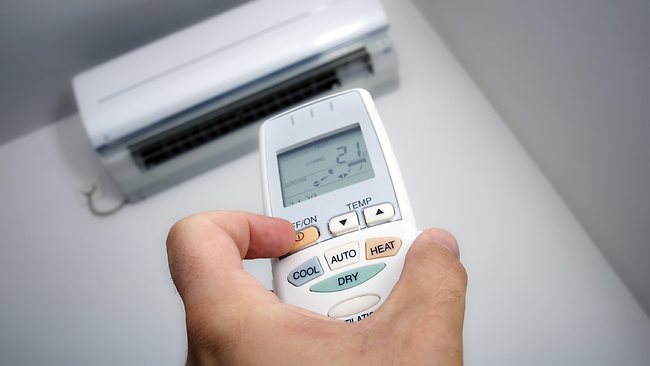
Image via Isikom
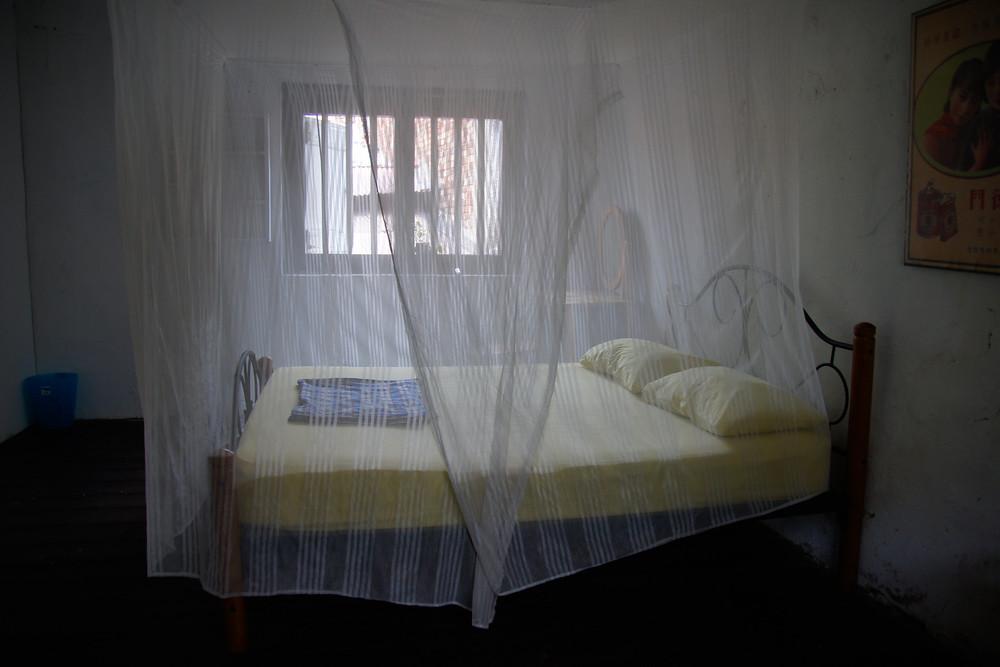
3. Sleep under a mosquito bed net or in rooms with wire-mesh screens to keep out mosquitoes

Image via Nomadic Samuel
4. Use mosquito repellents

Image via TinkerJulie/Getty Images
Most local pharmacies sell an array of natural mosquito repellents that you can apply on your body to better protect yourself against mosquito bites.
5. Wear long-sleeved shirts and long pants to help protect you from mosquito bites

Image via Amazon
6. Treat clothing and gear with permethrin or buy permethrin-treated items to repel mosquitoes

Image via Exciting Small World
You can check for Permethrin in major local pharmacies or sporting good stores.
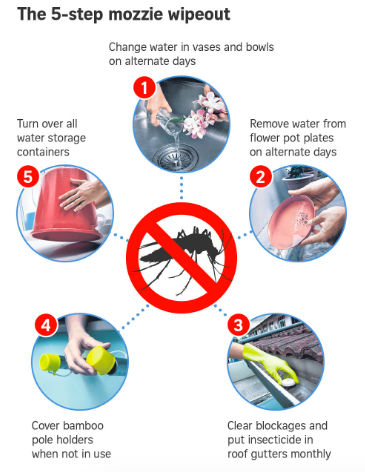
7. Use the 5-Step Mozzie Wipeout method to get rid of Aedes mosquitoes
Like Malaysia, our neighbour Singapore is also home to the Aedes mosquitoes that spread Zika, dengue and chikungunya viruses.
As a precautionary measure to curb the spread of these viruses, the Singaporean government advocates the 5-step Mozzie Wipeout to break the mosquitoes breeding cycle.
8. Prevent sexual transmission of Zika. Practice safe sex always!
Adopt safer sexual practices like using a [condom](http://says.com/my/fun/durian-condoms), or consider temporary abstinence from sexual intercourse to reduce the chances of spreading or contracting the Zika virus through sexual transmission.
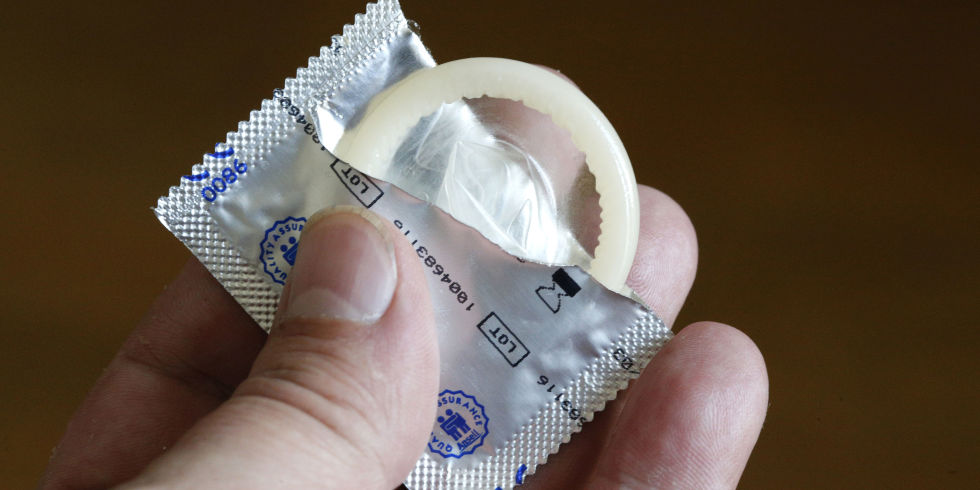
Image via Net Doctor
9. Avoid travelling to any area where the Zika virus is spreading
**If you can, postpone non-essential travel to countries with ongoing outbreaks, particularly if you're pregnant or trying to become pregnant.**
Although there is currently no evidence that suggests pregnant women are more likely to get the Zika virus infection, the consequences can be far more serious when a pregnant woman is infected. So far, the Zika virus infection is known to cause microcephaly (a birth defect where a baby's head is smaller than expected) in the unborn foetus of pregnant women.

Image via MGN
