


 Cover image via
Follow us on Instagram, TikTok, and WhatsApp for the latest stories and breaking news.
Since the start of this year, the Malaysian Border Control and Protection Agency (AKPS) has made multiple illegal electronic waste (e-waste) seizures at Port Klang
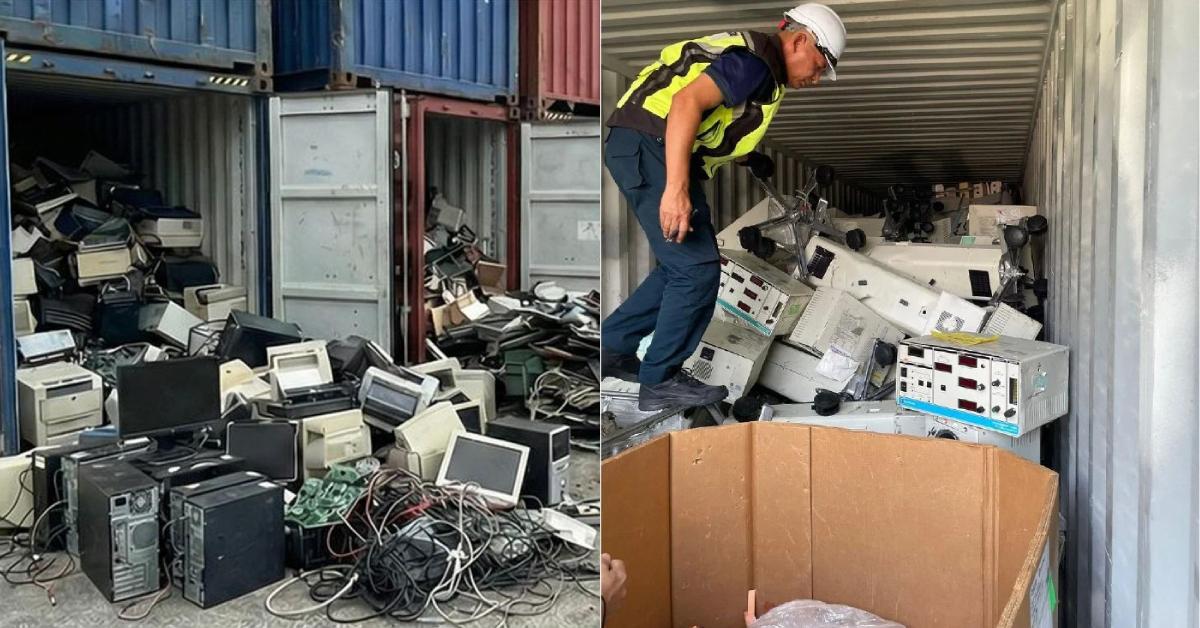
AKPS began the year by seizing five containers carrying about 125 tonnes of e-waste and scheduled waste falsely declared as other goods on 27 January. The shipments — containing used printers, desktops, CPUs, shredded cables, wires, and commercial rubbish — were traced to the US, South Korea, Spain, and Taiwan.
On 30 January, AKPS intercepted six more containers with 158.1 tonnes of illegal e-waste and copper cargo, including circuit boards, industrial fuses, and mixed copper materials categorised as scheduled waste.
Another operation on 6 February uncovered seven containers carrying 201.3 tonnes of e-waste from the US.
The latest raid yesterday, 11 February, revealed seven more containers filled with e-waste such as used CPUs, printers, fax machines, photocopiers, keyboards, heavy machinery components, and mixed scrap materials. The authorities found that the shipments originated from several US ports, including Los Angeles, Norfolk, California, and New York.
Port Klang commander Datuk Nik Ezanee Mohd Faisal said the containers have been placed in a secure holding area pending further notice from the Department of Environment (DOE) for the purpose of repatriation to their countries of origin.
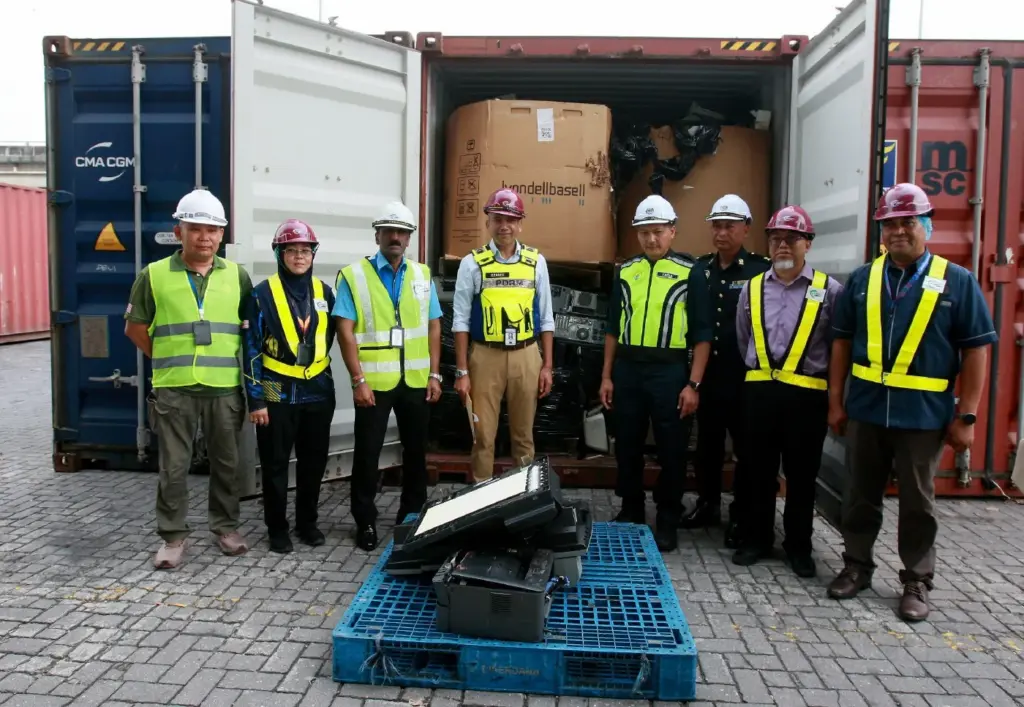
The seizures followed intelligence suggesting Malaysia may be increasingly targeted as an e-waste transit and processing hub
It is reported that smugglers often falsely declare waste as recyclable plastic, metal scrap, used household goods, or machinery parts to bypass stricter environmental checks.
According to the New Straits Times, since the crackdown began, AKPS has inspected more than 75 containers nationwide, detecting illegal e-waste and scheduled waste in at least 30 of them.
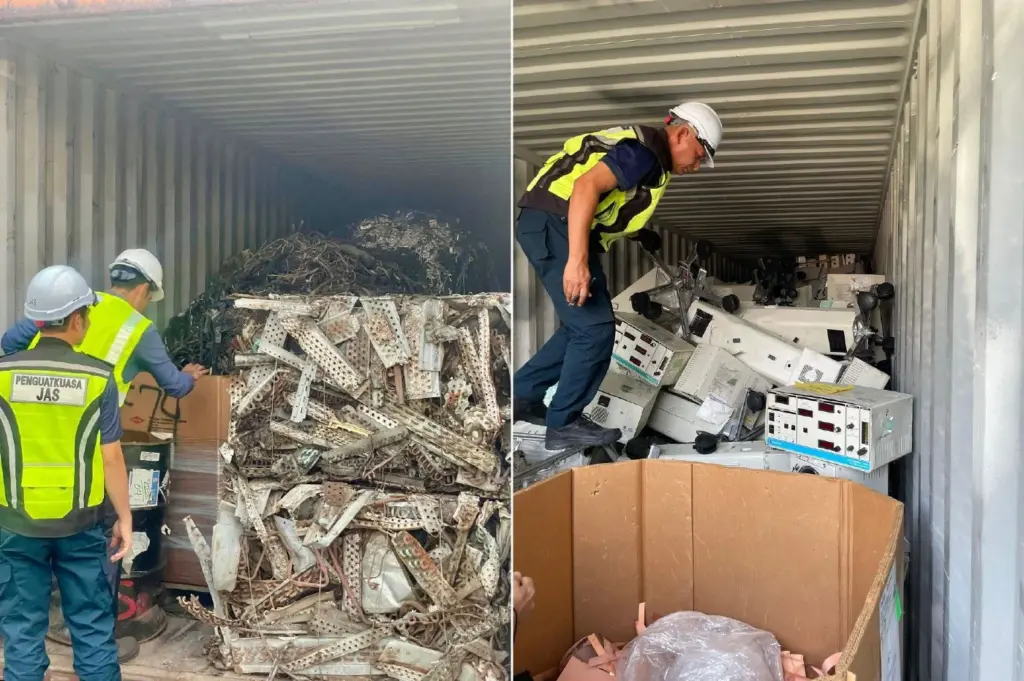
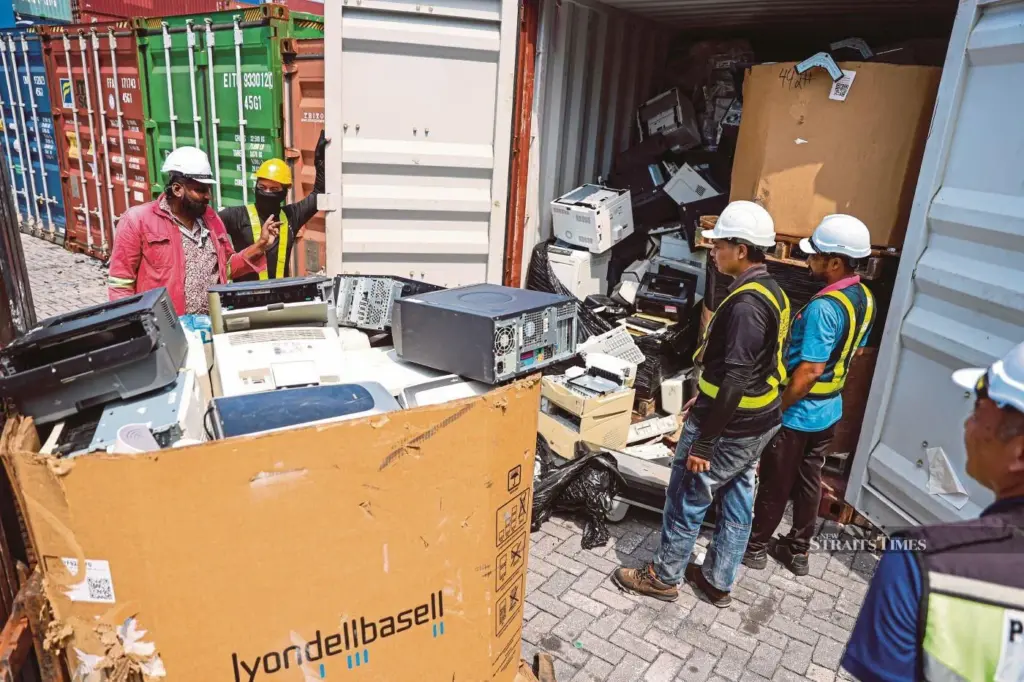
AKPS director-general Datuk Seri Mohd Shuhaily Mohd Zain said illegal e-waste trafficking in the region surged after China banned imports of solid and hazardous waste, prompting exporters to divert shipments to Southeast Asia
"When China stopped accepting these wastes, they had to go somewhere. The closest, cheapest, or most convenient locations became targets," he said, describing it as a regional spillover of global waste trafficking.
Shuhaily added that while authorities cannot determine exactly when e-waste smuggling into Malaysia began, enforcement trends show a clear link to shifting global waste policies.
He said ports nationwide must remain vigilant, as smugglers often hide prohibited items behind legitimate cargo, making inspections difficult and sometimes requiring containers to be fully unloaded for verification.
To strengthen enforcement, Shuhaily said AKPS is pushing for better scanning technology, including mobile imaging systems and improved X-ray capabilities, along with specialised training for officers.
Between 2021 and 2025, authorities detected 701 containers attempting to smuggle e-waste into Malaysia, each estimated to carry about 20 tonnes
Of these, 428 containers have been successfully returned to their countries of origin.
Authorities said repatriation remains the primary response under Malaysian law and the Basel Convention. If the waste cannot be returned, it will be disposed of at licensed facilities locally.
