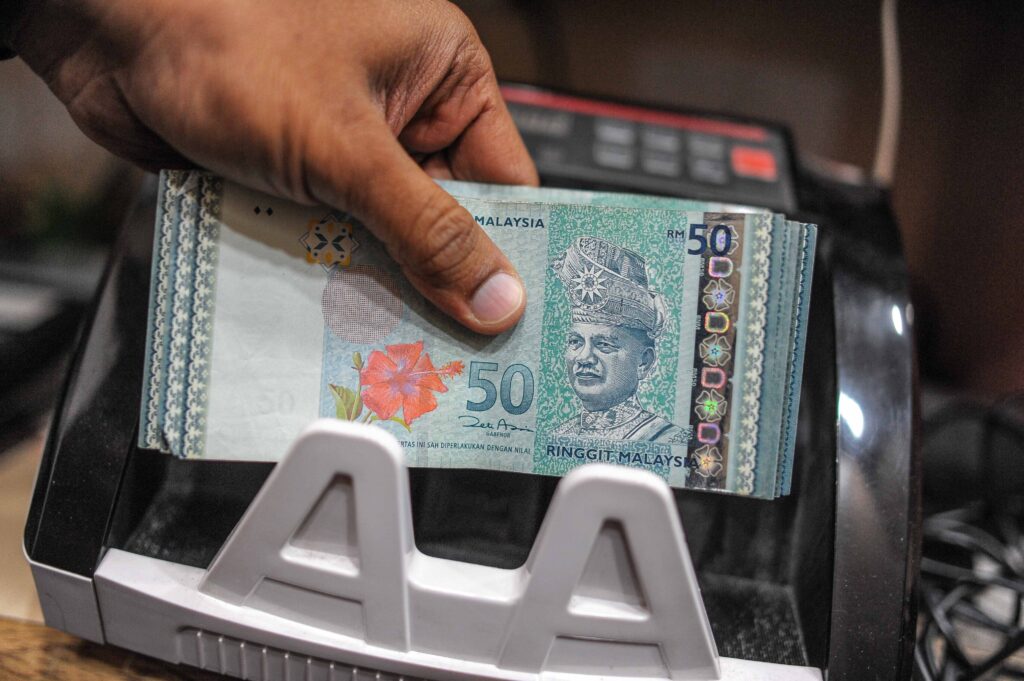
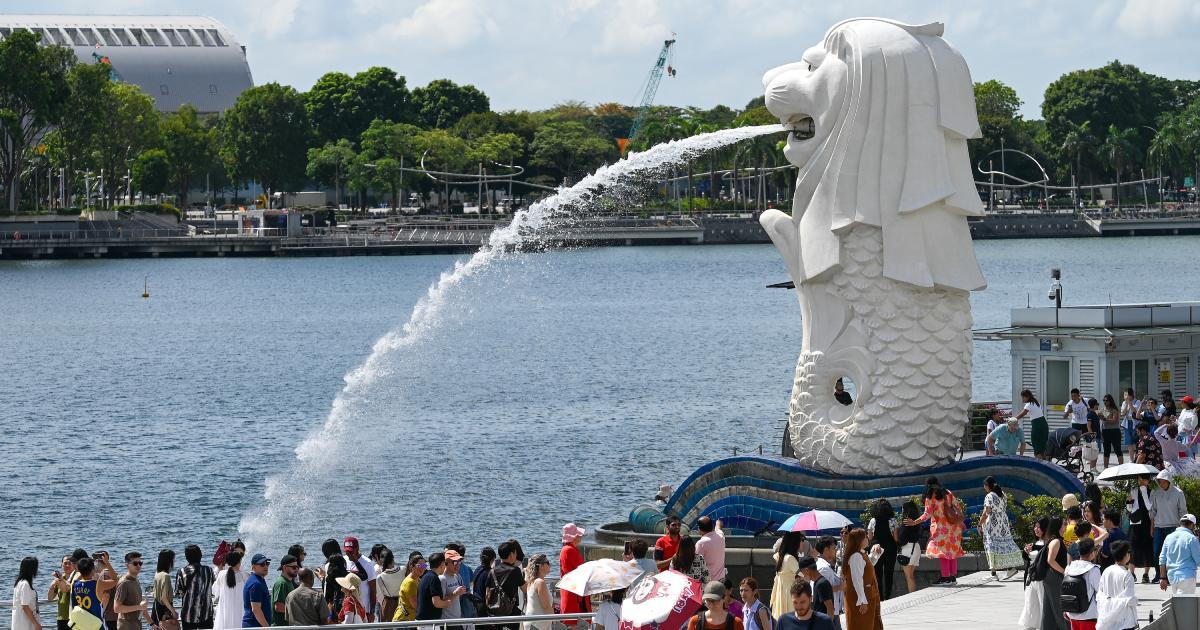
 Cover image via Roslan Rahman/AFP
Follow us on Instagram, TikTok, and WhatsApp for the latest stories and breaking news.
For many Malaysians who earn their living across the Causeway, a stronger ringgit is no longer something to celebrate
Instead, it has quietly chipped away at their take-home pay, forcing families to tighten spending just as school expenses, Chinese New Year, and Hari Raya draw closer.
Over the past few months, the ringgit has strengthened from about RM3.30 to RM3.09 against the Singapore dollar as of today, 4 February. While this signals growing confidence in the local currency, it also means that salaries earned in Singapore now convert into fewer ringgit at home.
For Malaysians working across the border, the impact is immediate
Helmizi Londing, 48, a bus driver who has worked in Singapore for nearly 10 years and earns around SGD2,000 a month, said his income had dropped by about RM200 since December alone.
The timing, he said, could not be worse.
"If this continues, I will have to further reduce my monthly expenses. With the 2026 school session starting, many parents, including myself, need to spend large sums preparing our children's school necessities," he told Kosmo!
Helmizi, who has three school-going children, said he needed nearly RM3,000 just for school-related expenses. That pressure is now compounded by the approach of festivities in February and March.
"There are a lot of expenses during this period. When the ringgit strengthens, we are the ones who feel the pinch," he said.
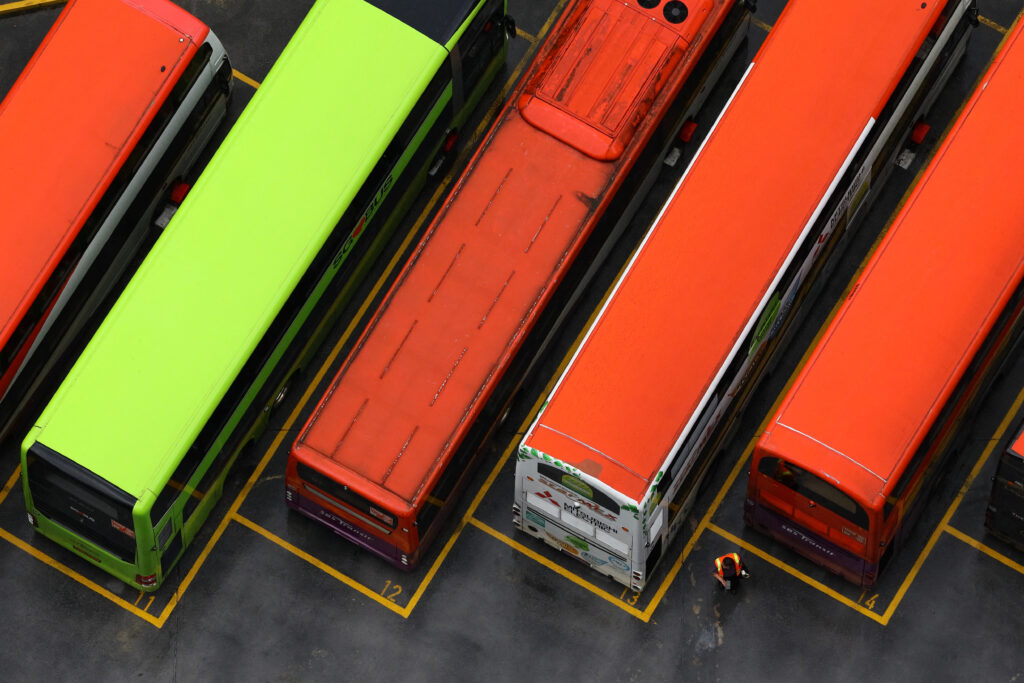
Even for those earning higher salaries, the stronger ringgit has quietly eroded their monthly income
Rohana Ismail, 42, a nurse at a Singapore hospital who commutes daily from Pasir Gudang and earns SGD2,800 a month, said her income fell from RM8,848 at the end of last year to RM8,717 in January, and RM8,656 in February.
"Although the difference seems small, it affects those of us who earn a living across the Causeway," she was quoted as saying.
For lower-income workers, the squeeze is felt even more sharply
Mohd Faizal Abdul, 26, a cleaner who began working in Singapore last year after struggling to find a job in Malaysia, said he has had to watch his spending more closely as the ringgit strengthens.
"My salary is about SGD1,300, which covers monthly commitments, including vehicle instalments. With the ringgit strengthening, I now have to manage my spending more carefully," he said.
The ringgit's rise has not been limited to the Singapore dollar
On 23 January, the ringgit breached the key psychological level of 4.00 against the USD, reaching a seven-year high of 3.9992. It stands at 3.92 as of today.
While this has reduced the ringgit value of overseas earnings for Malaysians working abroad, it has had the opposite effect for foreign workers in Malaysia.
Indonesian workers, in particular, have benefited from the stronger ringgit, with some now able to remit up to 10 million rupiah (approximately RM2,341) a month to their families back home.
The improved exchange rate has also prompted some to take on additional work, helping them renovate homes, buy vehicles, pursue education, or save capital for future businesses.
At present, RM1 is equivalent to 4,269.87 rupiah, the highest level in more than a decade.