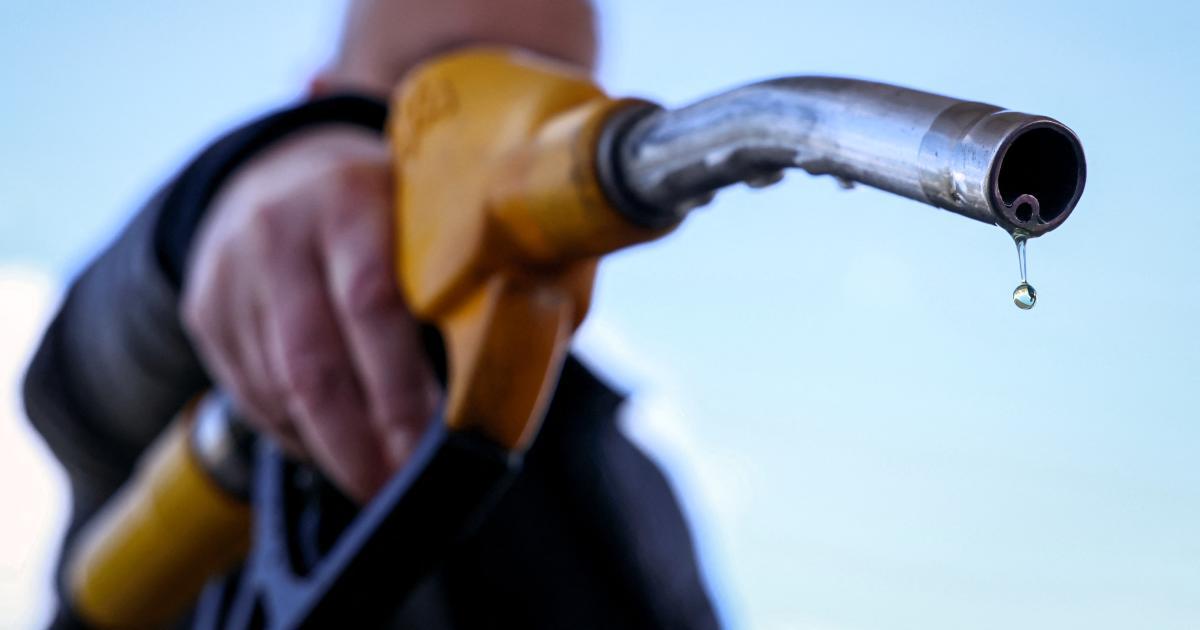
 Cover image via Alain Jocard/AFP
Follow us on Instagram, TikTok, and WhatsApp for the latest stories and breaking news.
Malaysia will not introduce any abrupt changes to its fuel subsidy policies despite rising geopolitical tensions in the Middle East, Deputy Prime Minister Datuk Seri Fadillah Yusof said
He stressed that any decisions on subsidies would be guided by data and long-term planning, not rushed reactions to global developments.
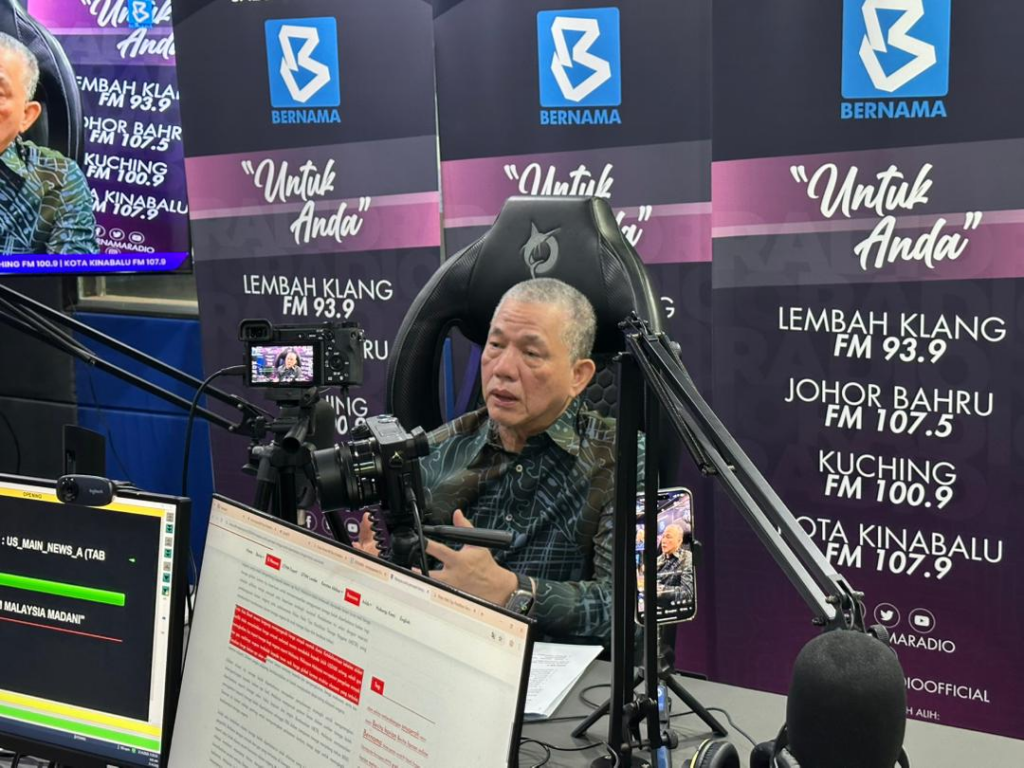
Speaking in an interview with Bernama Radio, Fadillah said the government is closely monitoring the situation, especially as the conflict in the Middle East could last up to two years.
"This is a challenge we are aware of, and we must rely on data to determine the necessary steps to ensure energy supply remains secure, the people are protected, economic growth continues, and industries receive the support they need," he said.
Subsidies to continue despite rising costs
Fadillah said the government will continue maintaining existing fuel subsidies, even as costs surge due to the global energy situation.
Malaysia's monthly subsidy spending has now reached between RM6 billion and RM7 billion.
Despite this, he said the government is committed to ensuring that Malaysians are not hit with sudden increases in living costs.
"Existing subsidy policies, including for RON95 petrol and diesel in Sabah and Sarawak, will be maintained based on current data to ensure sudden increases in living costs do not burden people," he said.
Preparing for worst-case global energy disruptions
At the same time, the government is preparing for potential long-term disruptions to global energy supply.
Fadillah said authorities are planning for worst-case scenarios, including the possibility that the crisis could last up to three years.
Particular concern lies around the Strait of Hormuz, a key global oil route that handles about a quarter of the world's energy supply.
Any disruption there could trigger major supply shocks worldwide.
PETRONAS is securing alternative supply sources
To mitigate risks, Petroliam Nasional Bhd (PETRONAS) has already taken steps to diversify Malaysia's energy supply.
Fadillah said alternative sources are being secured from regions including the Asia-Pacific, Australia, South America, and Africa to ensure domestic stability.
The government's approach, he said, is to protect consumers while keeping the economy stable and industries supported, even as external pressures continue to build.
Meanwhile, the government has stepped up enforcement against fuel leakages
Beyond supply concerns, the government is also tightening enforcement to prevent leakages and smuggling of subsidised fuel.
Fadillah said public cooperation will be key in ensuring subsidies benefit Malaysians as intended.
"This cannot be done by the government alone. Public cooperation is crucial. If there is abuse, report it so supplies benefit our people, not others," he said.
He also urged Malaysians to use energy and water responsibly to help maintain long-term supply security.