 Cover image via
Follow us on Instagram, TikTok, and WhatsApp for the latest stories and breaking news.
Malaysians driving cars or motorcycles registered overseas may be surprised to learn they still cannot fill up with RON95, even if they're Malaysian citizens
That's because the government's fuel subsidy system is tied to the vehicle's registration status, not who's behind the wheel.
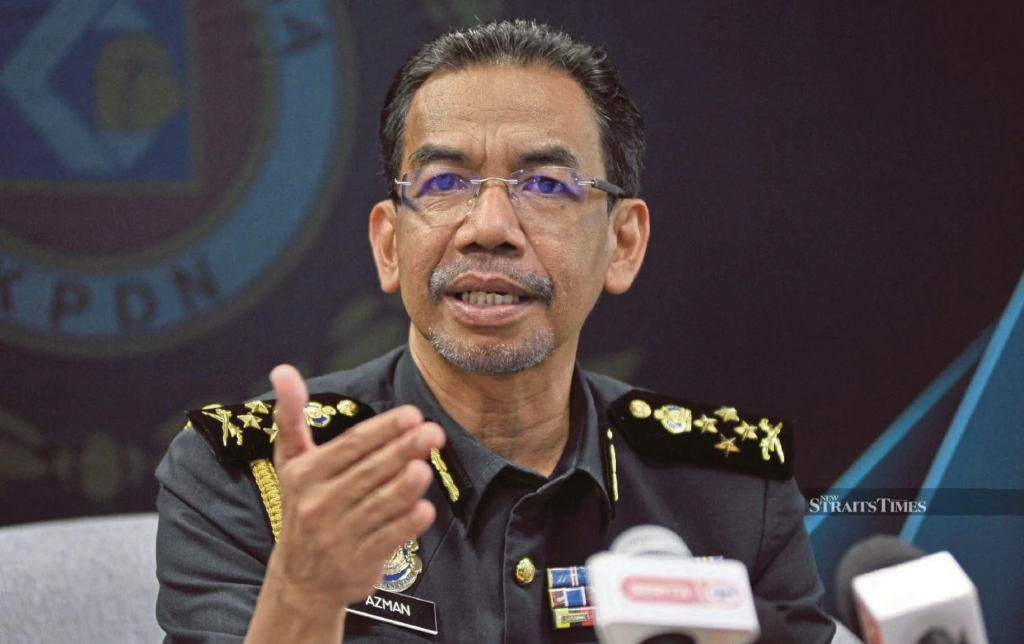
Domestic Trade and Cost of Living Ministry enforcement director-general Datuk Seri Azman Adam said this restriction has been part of Malaysia's fuel subsidy control framework for years, mainly to prevent leakages.
"The ban on selling RON95 to all foreign-registered vehicles, including motorcycles, has been in effect since 17 June 2022, and remains in force," Azman was quoted as saying by the New Straits Times.
According to Azman, the rule is especially important in border states, where differences in petrol prices make fuel smuggling and resale highly profitable.
"The policy ensures fuel supply is prioritised for Malaysian motorists and helps prevent abuse or misrepresentation that could affect quotas or lead to leakages," he added.
One key reason the government sticks to vehicle-based enforcement is practicality, Azman explained
Petrol station operators are not equipped to verify a driver's nationality or citizenship in real time, especially with third-party payment apps now widely used at pumps.
Azman said shifting eligibility to drivers instead of vehicles would be operationally impractical, costly, and vulnerable to abuse.
"Even with RON95 prices now liberalised, the ban continues to prevent diversion and ensure sufficient supply for Malaysians," he said.
According to him, petrol station operators also warn that allowing Malaysians in foreign-registered vehicles to access subsidised RON95 would open a loophole easily exploited by organised syndicates. Foreign-registered vehicles could be repeatedly used to siphon subsidised fuel for resale or cross-border smuggling.
To avoid this, enforcement remains uniform: all foreign-registered vehicles — whether driven by Malaysians or foreigners — are only allowed to purchase unsubsidised fuels such as RON97 or diesel at market prices.
The government has stressed that the measure is not discriminatory, but a necessary safeguard to protect public funds
Fuel subsidies cost Malaysia billions of ringgit each year, and without strict controls, leakages could significantly undermine the country's fiscal sustainability.
Malaysia remains one of the few countries in the region to maintain broad fuel subsidies, making tight enforcement a key part of keeping the system running.
The clarification comes following several recent incidents involving Malaysians or Singapore Permanent Residents (PR) attempting to use foreign-registered vehicles to buy RON95
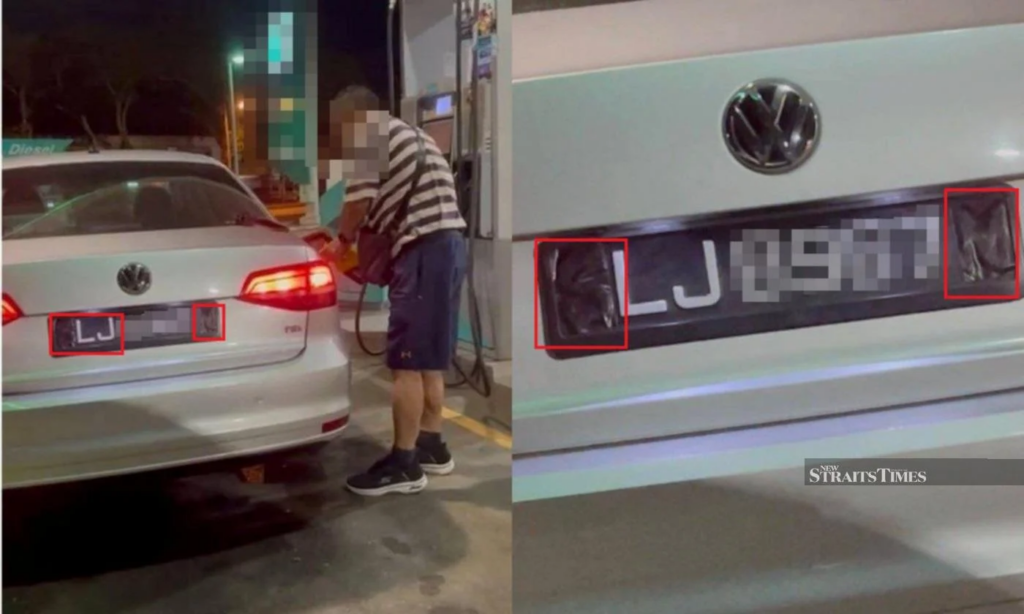
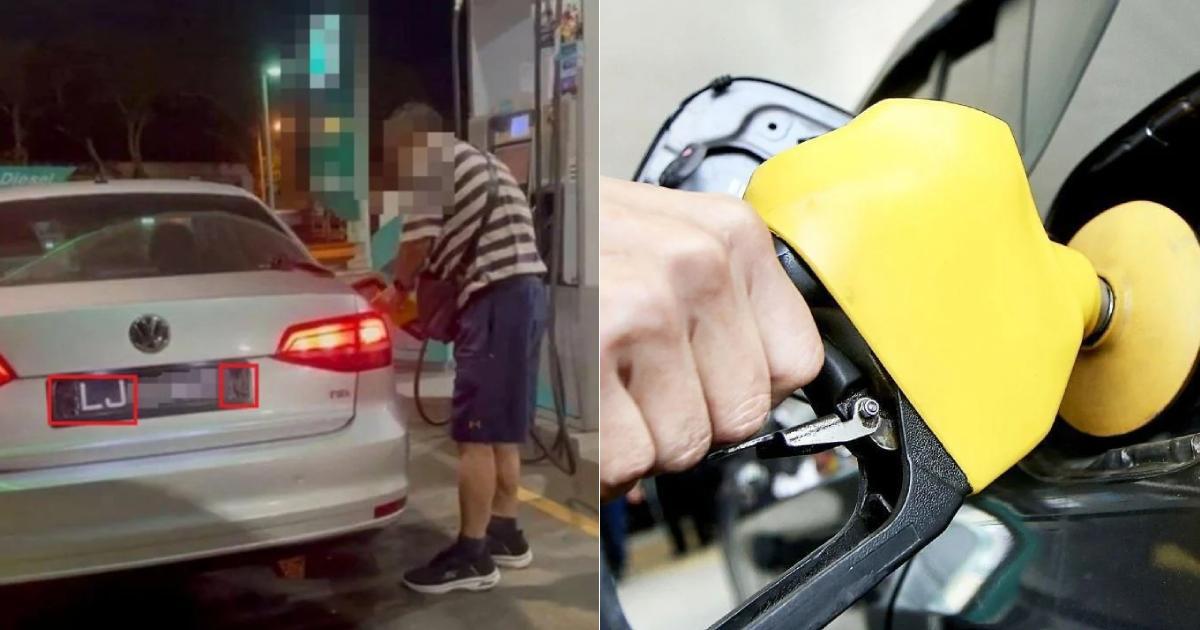
In Kulai, Johor, a Singapore-registered Volkswagen Jetta was caught with black tape covering parts of its licence plate to mimic a local Malaysian plate. The 63-year-old driver, a Singapore PR, surrendered to the police and is due to be charged for altering his licence plate.
Around the same time, in Changlun, Kedah, a Singapore-registered Mazda 3 driver near the Thai border attempted a similar plate swap and claimed to be from East Malaysia, but KPDN confirmed he eventually fuelled with RON97, avoiding a subsidy violation.
A separate incident in Sungai Petani saw a petrol station worker filling a foreign-registered vehicle with RON95, prompting KPDN Kedah to launch an investigation against the operator, who could face fines of up to RM1 million.