 Cover image via
Follow us on Instagram, TikTok, and WhatsApp for the latest stories and breaking news.
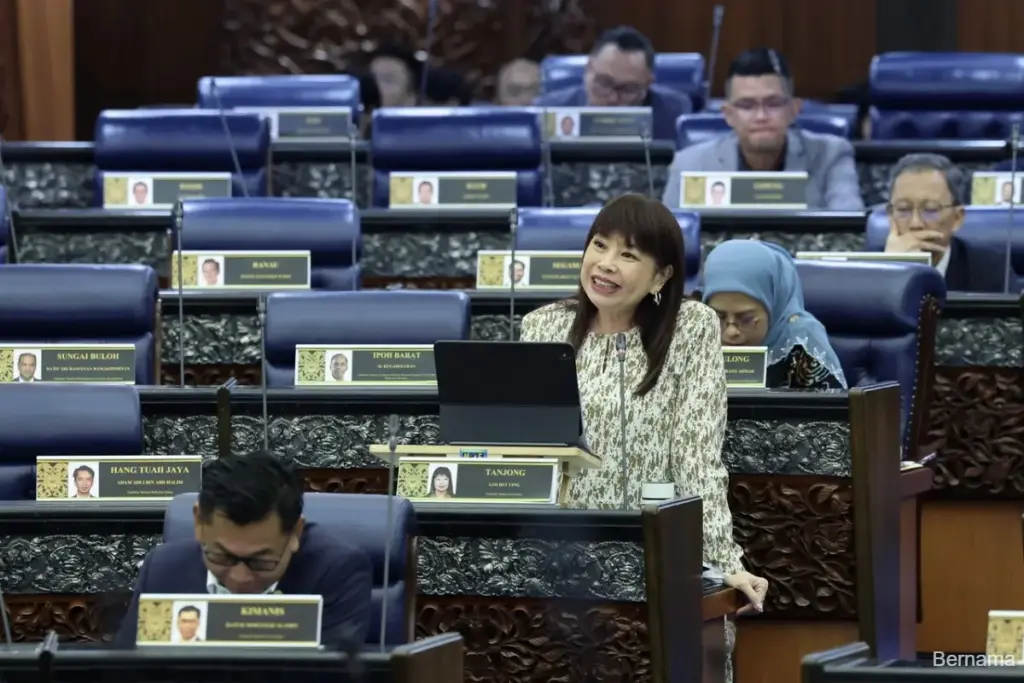
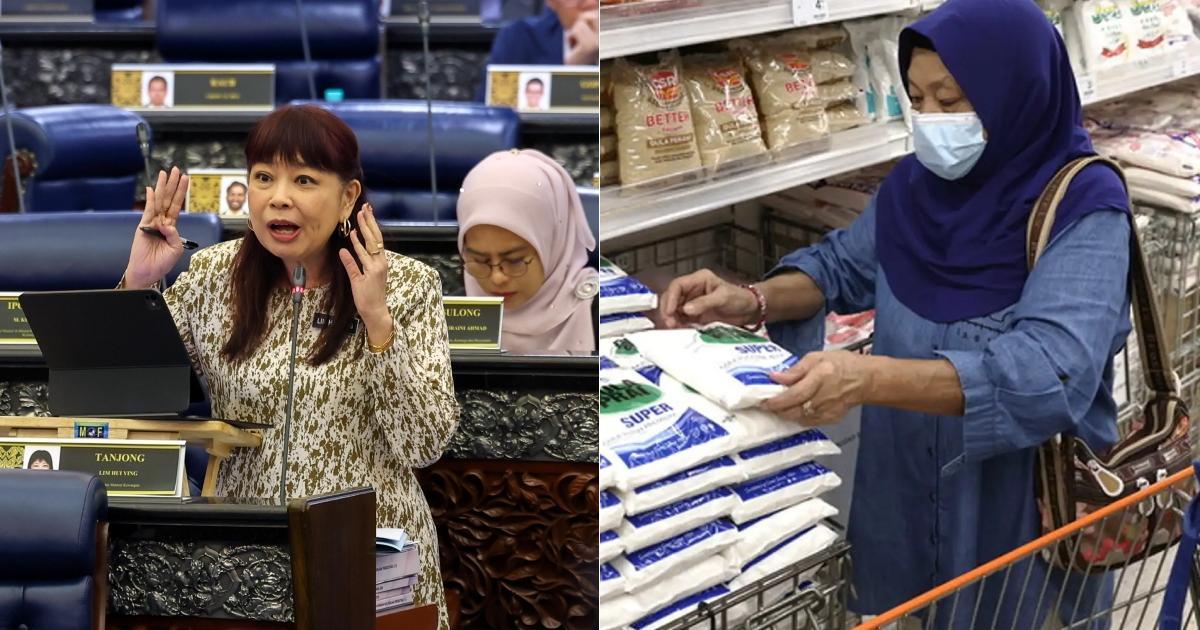
The government is studying plans to rationalise subsidies for essential goods, including sugar, rice, and cooking oil, Deputy Finance Minister Lim Hui Ying told Parliament today, 3 November
She said the move will be implemented gradually and in phases, similar to the ongoing fuel subsidy rationalisation, to prevent leakages and ensure aid reaches only those who truly need it.
"The government will review the gradual and phased implementation of targeted subsidy assistance for goods such as sugar, rice, and cooking oil," Lim said.
She was responding to Bukit Bendera Member of Parliament (MP) Syerleena Abdul Rashid, who asked whether the government plans to extend targeted subsidies to these essential food items, reported the New Straits Times.
The deputy finance minister said the review aims to strengthen the efficiency of Malaysia's subsidy delivery system, while ensuring that financial aid continues to benefit low-income groups
At present, she said, the government's main focus remains on ensuring the smooth rollout of targeted fuel subsidy programmes such as BUDI95 and the diesel subsidy scheme, both of which form the foundation for broader subsidy restructuring.
"The government will study ways to rationalise subsidies on other goods in stages and phases to plug leakages, just as we did with RON95 and diesel," she said.
The BUDI95 programme, introduced in late September, allows Malaysians aged 16 and above with a MyKad and an active driving licence to purchase up to 300 litres of RON95 petrol per month at the subsidised price of RM1.99 per litre.
Malaysia had earlier withdrawn blanket diesel subsidies as part of its efforts to reduce wastage and fiscal pressure.
Lim said the success of these targeted fuel subsidies will serve as the model for expanding rationalisation to other essential goods.
She noted that the government's subsidy rationalisation efforts are part of a broader plan under Prime Minister Datuk Seri Anwar Ibrahim to reduce fiscal strain and reallocate resources towards socio-economic development.
Malaysia has long spent billions of ringgit annually to cushion consumers from global price hikes on essentials such as petrol, sugar, and electricity, a policy economists say often comes at the expense of development spending.
Under the current administration, subsidies for electricity, diesel, and RON95 have already been restructured into targeted schemes, laying the groundwork for the rationalisation of other essential goods.