 Cover image via
Follow us on Instagram, TikTok, and WhatsApp for the latest stories and breaking news.
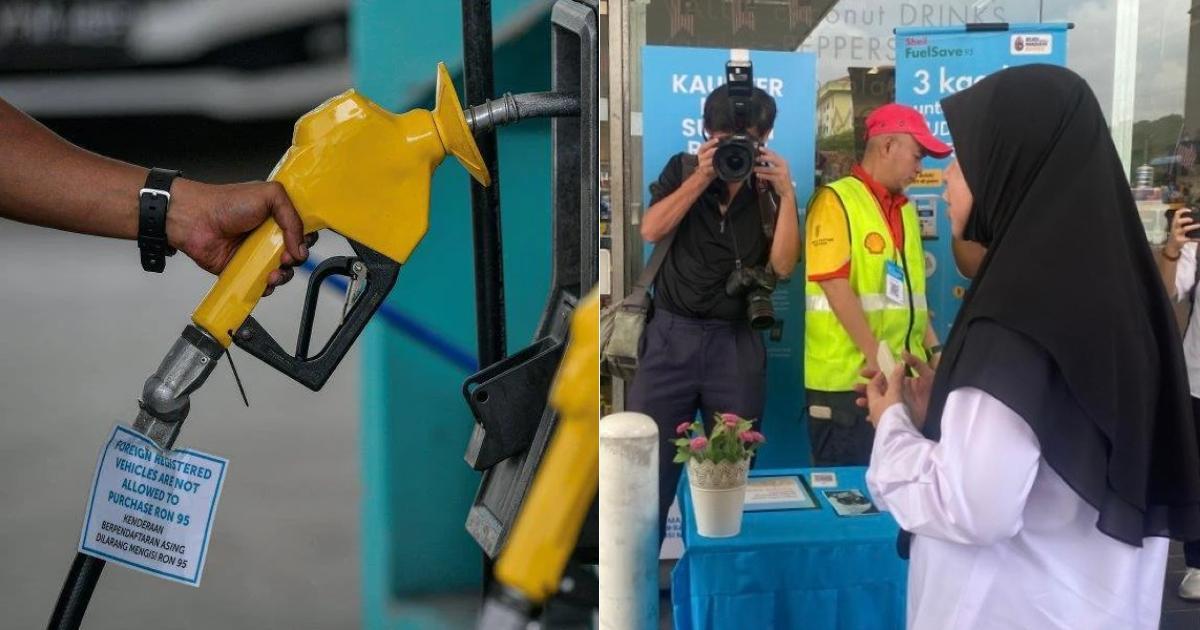
Starting April, foreign-registered vehicle owners caught buying subsidised RON95 petrol could face legal action, the Dewan Rakyat was told today, 28 January
At present, only petrol station operators can be penalised for selling subsidised petrol to foreign-registered vehicles, a loophole that has made abuse of the subsidised RON95 harder to curb, according to Domestic Trade and Cost of Living Minister Datuk Armizan Mohd Ali.
Armizan said the new regulation will allow enforcement action and legal penalties to be taken against both petrol station operators and vehicle owners or users found purchasing subsidised RON95 illegally.
"Under the proposed regulation, both parties — petrol station operators and owners or owners of foreign-registered vehicles — can be held accountable," Armizan said during an oral question-and-answer session in the Dewan Rakyat.
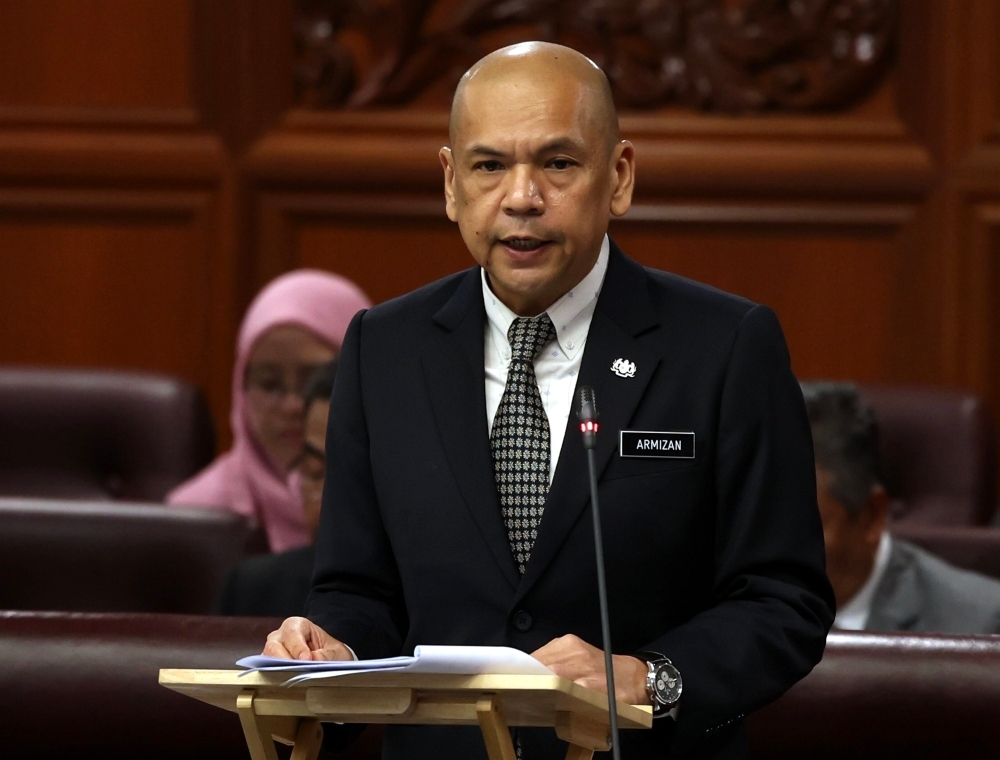
Domestic Trade and Cost of Living Minister Datuk Armizan Mohd Ali.
Image via BernamaThe rule will be introduced under Section 6 of the Control of Supplies Act 1961, with enforcement targeted from 1 April 2026
Malaysia lowered the price of the widely-used RON95 for citizens last September, while keeping it unsubsidised for non-citizens and barring foreign-registered vehicles. This is part of a shift from blanket subsidies to a targeted subsidy system.
Lawmakers have raised concerns about ongoing RON95 leakages, particularly by foreign-registered vehicles in border areas.
Armizan said the ministry will employ data analytics on RON95 and diesel sales at border fuel stations to track repeated purchases made with MyKads, ensuring enforcement is more precise.
The new regulation is seen as a key step in tightening control over Malaysia's petrol subsidy system and reducing leakage to ineligible users.