


 Cover image via South China Morning Post
In their efforts to live up to the increasing demands for bauxite, Pahang's move to hike up its revenue-rich mining activity has led to an alarmingly high, widespread pollution in the state

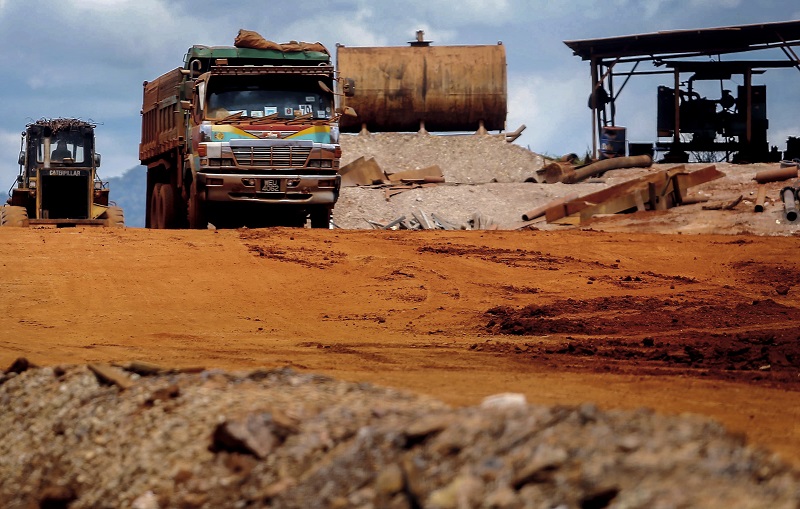
Image via The Malaysian Insider
Wondering why Pahang looks like the red land of Mars suddenly? Here's everything you need to know about the current bauxite mining situation in Pahang:
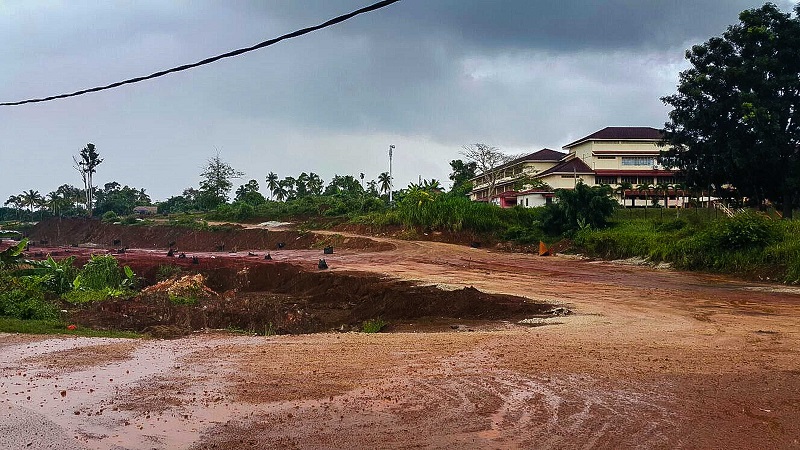
An image of the land around a primary school in Bukit Goh that is covered is red due to the extensive bauxite mining in the area
Image via The Malaysian Insider
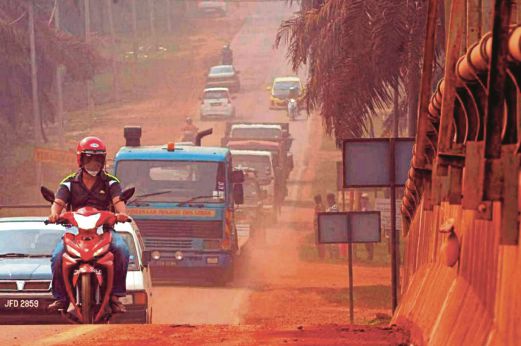

Image via The Malaysian Insider
What is bauxite?
Being the world's main source of aluminium, bauxite is a rock that contains aluminium hydroxide which is the main ore of aluminium.
Aluminium is typically used in everyday household items, ranging from kitchenware, cars, packaging, industrial machinery and transportation.
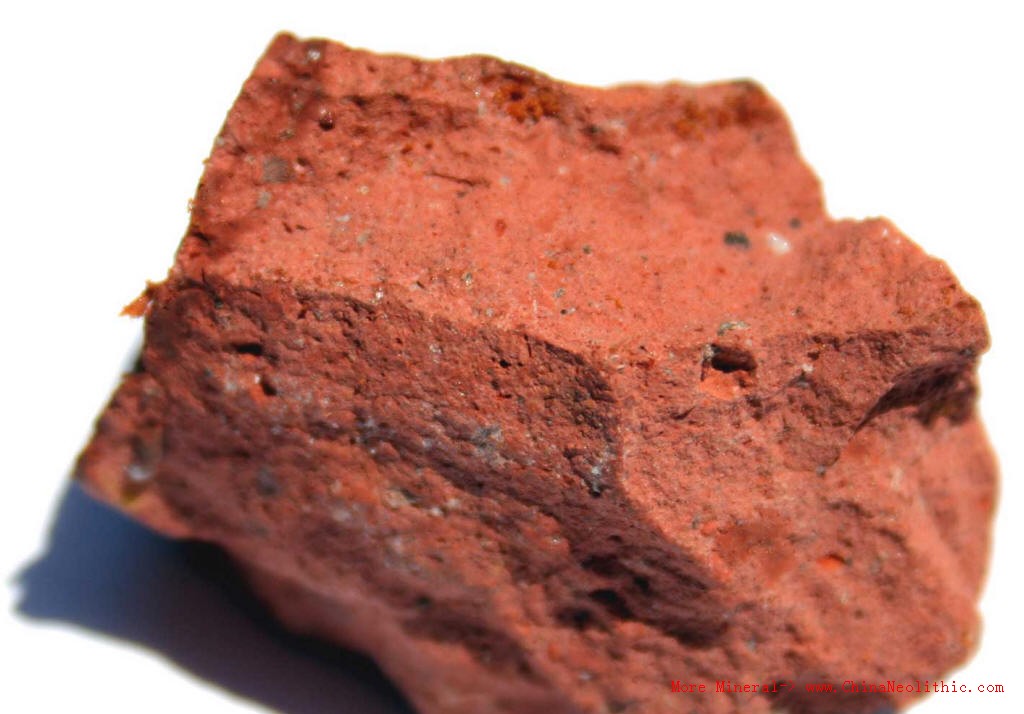
Image via MTEQ Pakistan
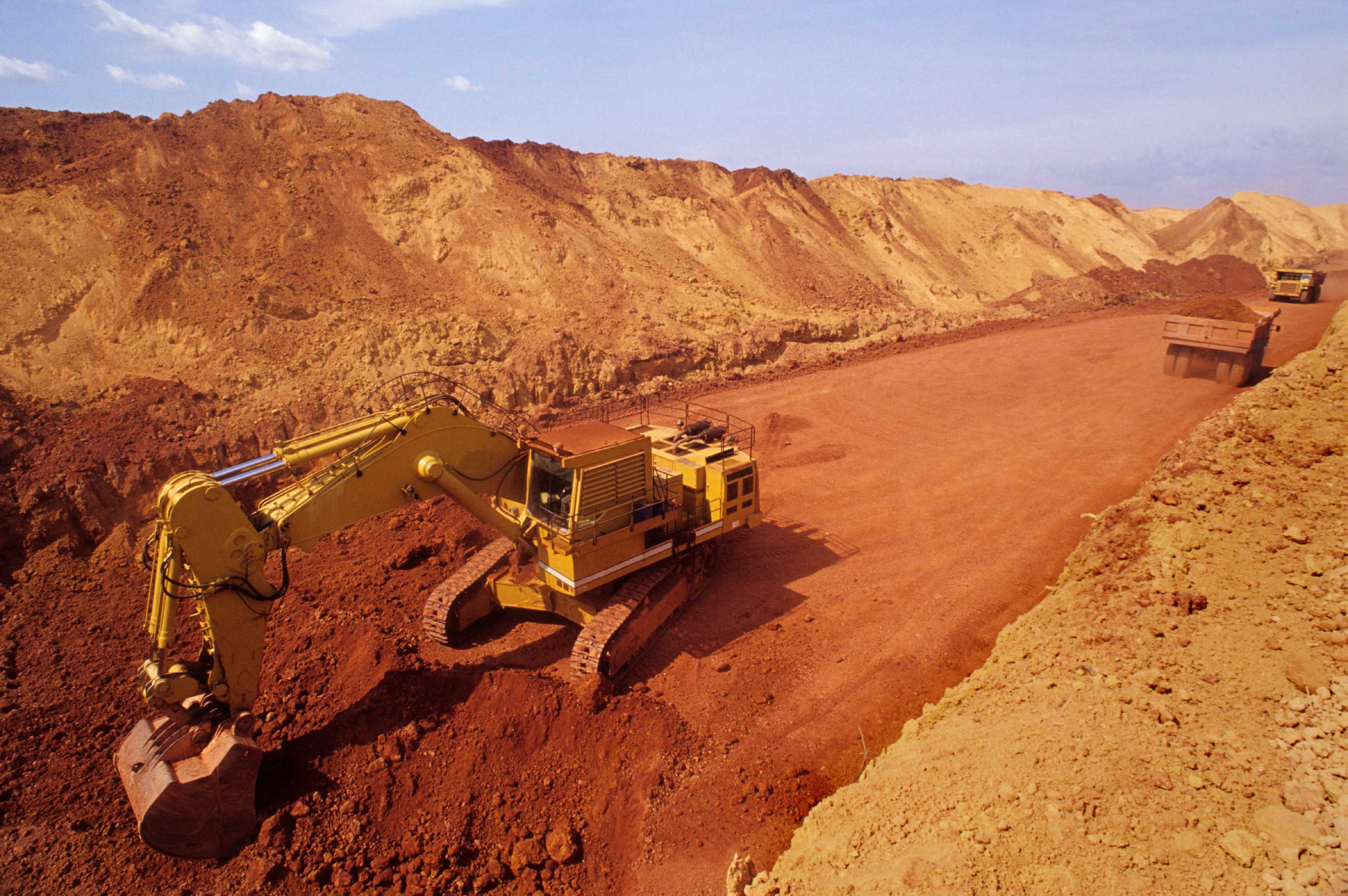
Bauxite mining and exports in Malaysia:
Until recently, bauxite was just a minor part of Malaysia's mineral exports industry.
A report by Malaysian Minerals, states that there was only one major bauxite mine in Johor that was producing about 219,888 tonnes of bauxite worth RM17.59 million, by the year 2013.
According to [Bloomberg Business](http://www.bloomberg.com/news/articles/2014-12-22/china-s-bauxite-imports-from-malaysia-surge-after-indonesian-ban), Malaysia has produced a whopping 208,770 tonnes of bauxite back in 2013, compared to a meager 2,040 tonnes produced in the year 2004.
Following Indonesia's decision to ban bauxite exports in 2014, Kuantan, quickly turned into Malaysia's key exporter of bauxite, mainly to China, exporting over 20 million tonnes in the year 2015 alone.
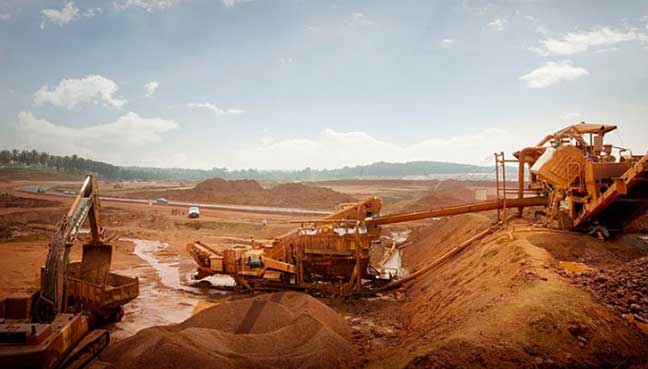
Image via Free Malaysia Today
Why did Pahang suddenly hike up the production and export of bauxite?
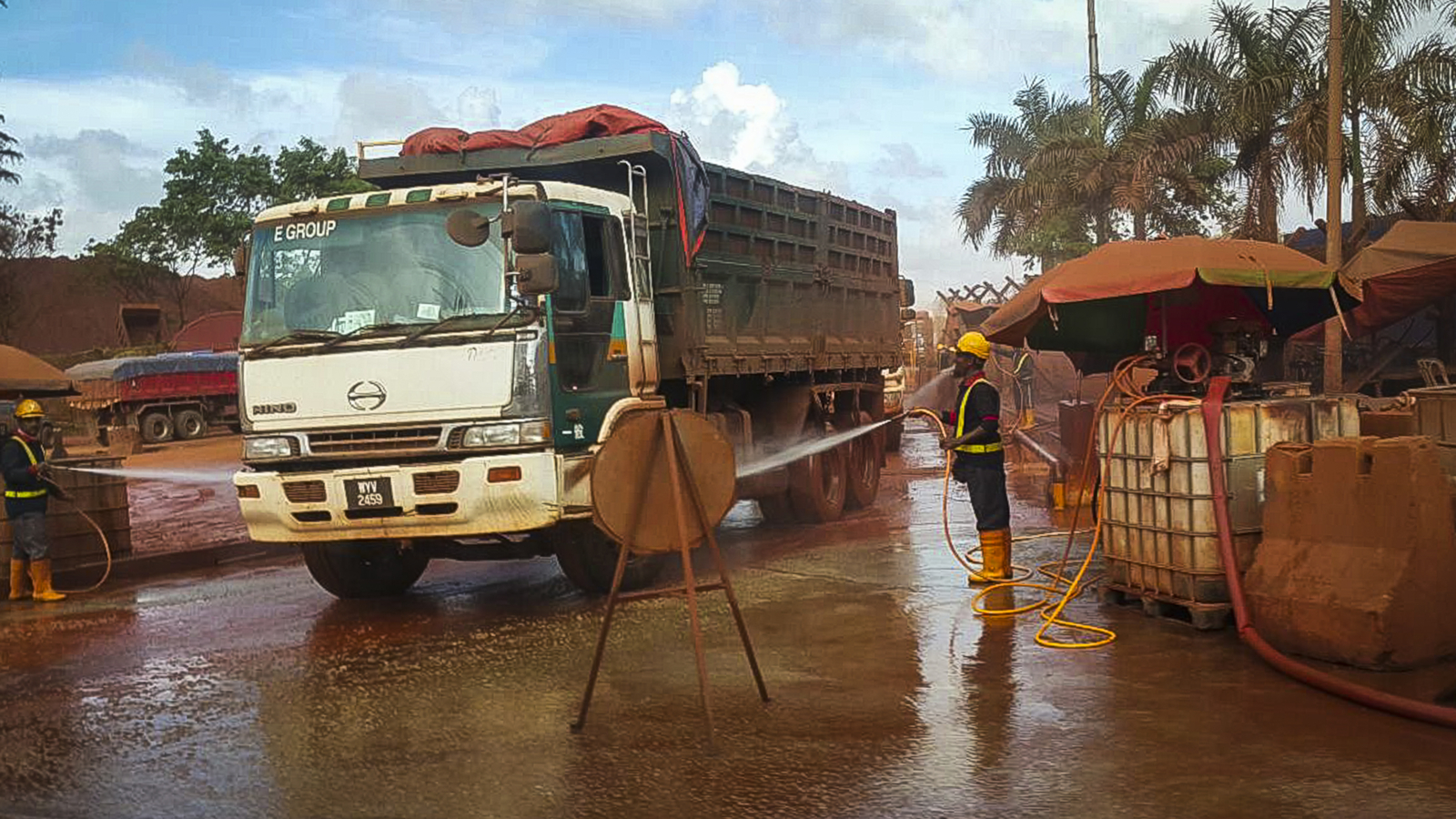
Image via The Malaysian Insider
How is bauxite mining contributing towards Pahang's economical growth?
According to Pahang's Menteri Besar Datuk Seri Adnan Yaakob, the east cost state has the potential to earn up to RM24 million per month, especially following the renewed rates for bauxite production, starting this month, January 2016

If it is a lucrative industry, then why are we fighting against this sudden boom in the industry that is bringing in a great deal of revenue?
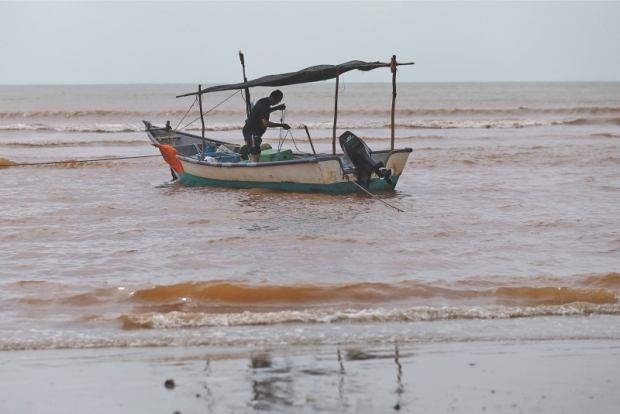
Despite its proven profitability, bauxite mining in Pahang has terribly affected the environment and its people, with some scientists even claiming that the environmental pollution can be irreversible
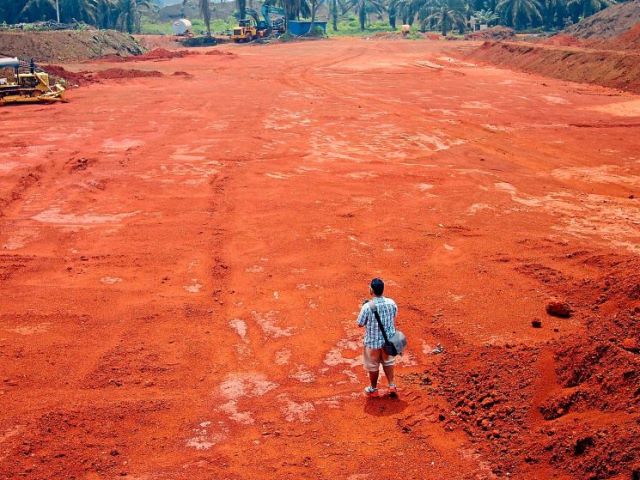
Image via The Star
It isn't just the aquatic life and air quality that will be badly compromised; the combined effects of these damages will contribute to ghastly health problems for Malaysians, including respiratory, neurological, and kidney disorders and damages

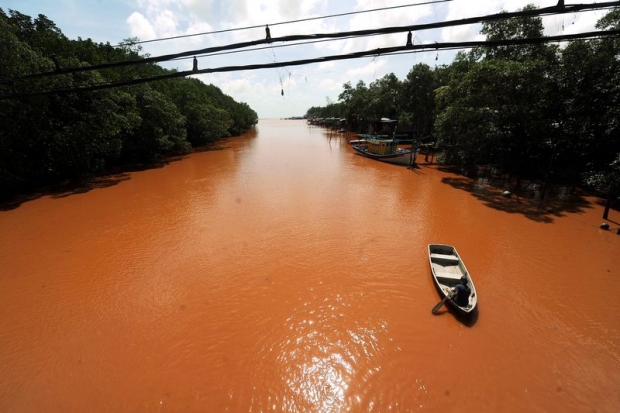
Kuantan MP Fuziah Salleh, recently revealed that the rising mercury levels that are 14 times higher than the permitted level in Sungai Kuantan, could cause paralysis, insanity and death over prolonged consumption

A research by the New Straits Times in August 2015, on live fish samples in rivers near bauxite mining areas, exposed that the average cancer causing arsenic levels in the fishes were 101.5mg per kg.
This is more than a 100 times the legal amount of arsenic allowed by The Food Regulation 1985, which is 1mg/kg.
What has been done so far to address this dangerous problem?
According to Reuters, in July 2015, the Pahang state government revoked the licenses of 34 bauxite mining contractors, leaving only 11 legal ones to operate to curb the growing pollution that arises from the mining activities

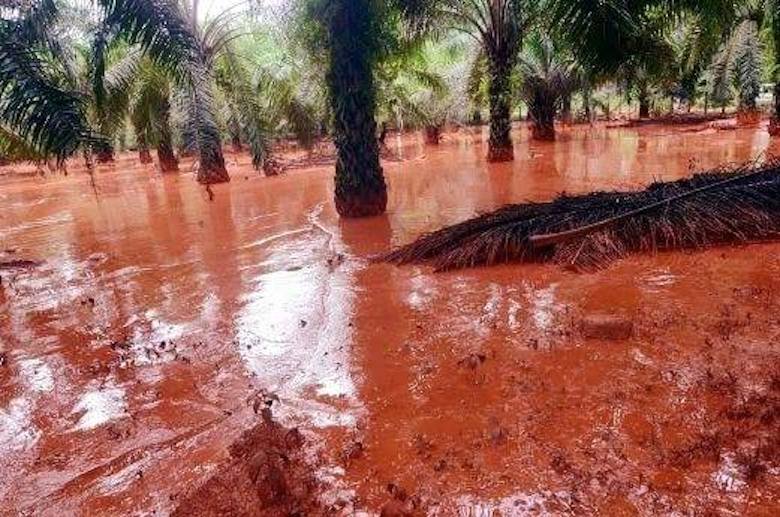
Image via Clean Malaysia
However, Minister in the Prime Minister's Department Datuk Seri Shahidan Kassim stressed that the final decision to end or substantially decrease bauxite mining in Pahang lies with the state government which has the ultimate power over the uses of its land

Minister in the Prime Minister's Department Datuk Seri Shahidan Kassim
Image via The Malaysian Insider
