


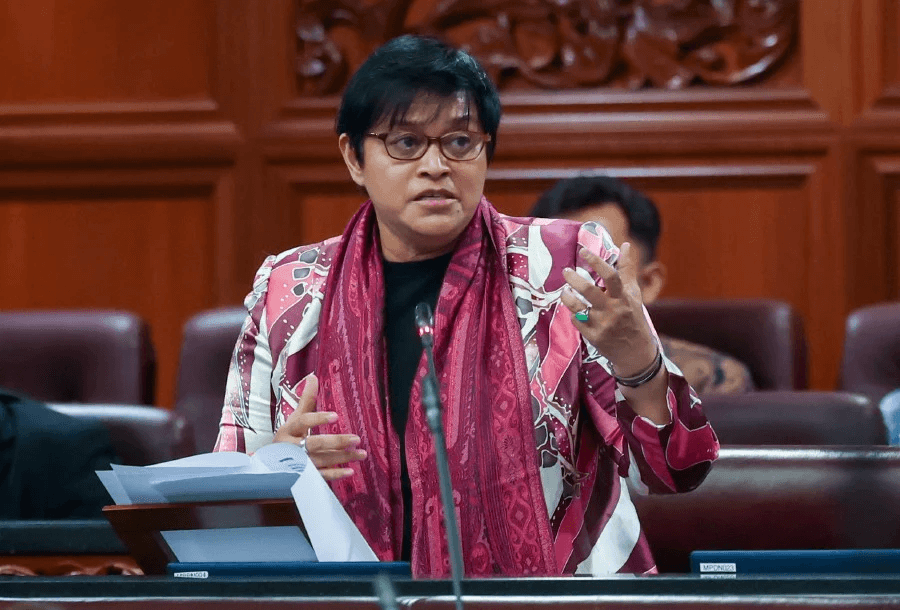
 Cover image via New Straits Times
Follow us on Instagram, TikTok, and WhatsApp for the latest stories and breaking news.
The Dewan Rakyat has approved the Anti-Bullying Bill, establishing a long-awaited legal framework to address bullying complaints involving individuals under 18
Tabled by Law and Institutional Reform Minister Datuk Seri Azalina Othman Said, the bill was debated by 27 legislators from both sides before passing its second and third readings yesterday.
According to the New Straits Times, Azalina described the legislation as a crucial "starting point", noting that without it, authorities and schools would have to rely on guidelines rather than enforceable law.
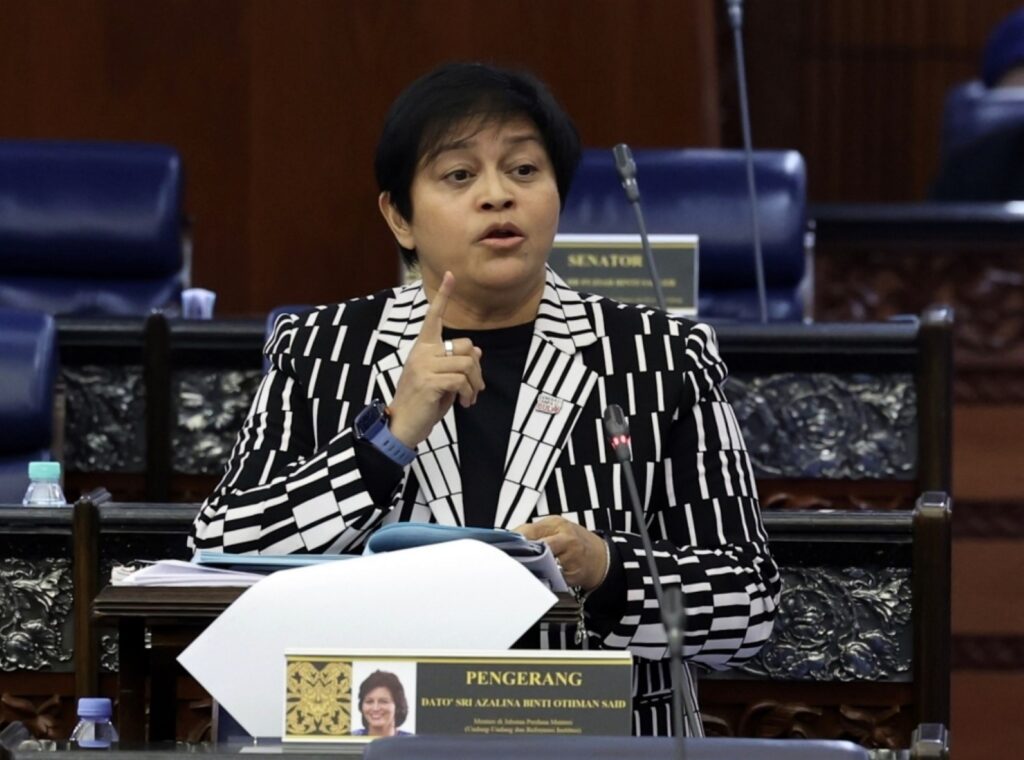
Azalina highlighted the urgency of the bill by pointing to alarming statistics
Since 2019, Malaysian primary and secondary schools have reported an average of over 14,000 bullying cases annually.
Data from the Ministry of Education confirms that schools remain the main hotspot for such incidents, with children being the most vulnerable.
Police records further underscore the issue, with 160 cases of physical and online abuse reported between August and October this year alone, 78% of which involved victims aged 6 to 17.
A key feature of the new law is the establishment of an Anti-Bullying Tribunal
The tribunal is designed to manage complaints and oversee prevention efforts in educational institutions and other settings.
The bill provides a clear legal definition of bullying and, significantly, allows for compensation of up to RM250,000 for victims.
While the current law is focused on minors, Azalina acknowledged the need to protect youths over 18 as well
She pledged to assess the bill's effectiveness next year, with the potential to expand its scope to cover older age groups.
"I do not deny that one school might label an incident as bullying, while another might say it is not," she said, emphasising that this legislation provides the necessary standardisation to tackle the problem effectively.
