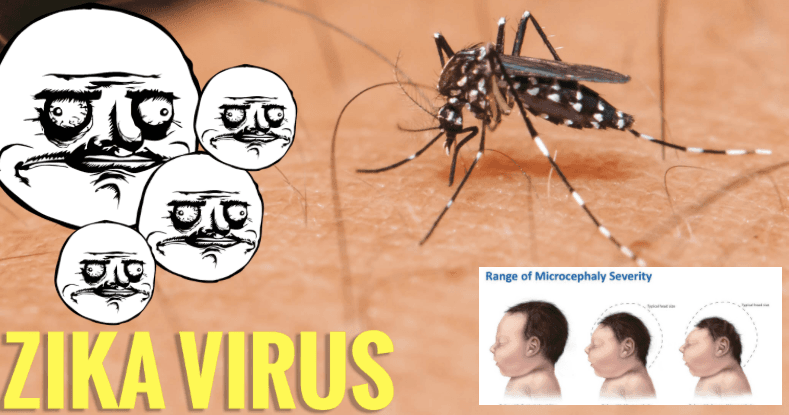
 Cover image via SAYS Philippines
The Department of Health (DOH) recently confirmed a new case of Zika virus in the Philippines, adding that it is "highly likely" that it was locally transmitted
Health Official Dr. Eric Tayag discussed that a 45-year-old female patient went to a local hospital in Iloilo on August 31 after showing symptoms such as skin rashes and joint pains. She was confined in a local hospital but was discharged a day after.
Samples taken from the patient was sent to the Research Institute for Tropical Medicine (RITM) in Manila.Tayag added that they had to perform several tests on the samples to confirm the presence of Zika virus in the said specimen.
"It is highly likely that the transmission is local but we should also consider other means of transmission but at this time, it is highly (likely) that it is local rather than otherwise," Tayag said
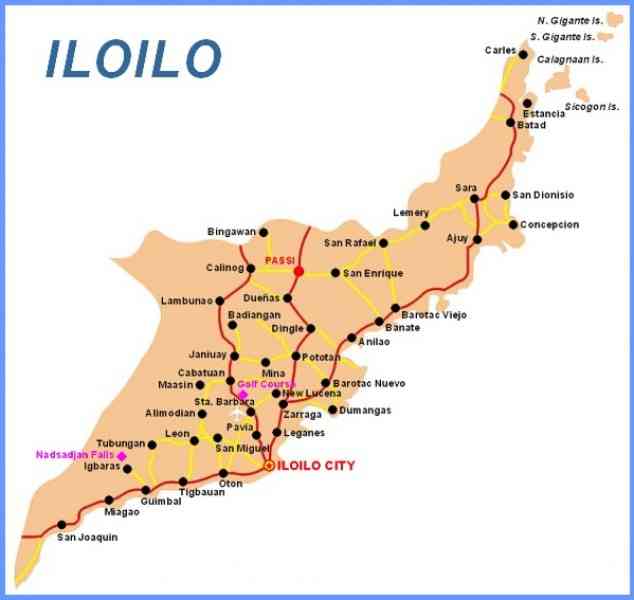
DOH will be sending a team to Iloilo City to check the area and to test others who exhibit symptoms of Zika virus infections. Symptoms include skin rashes, joint pains, fever, and conjunctivitis.
Pregnant women are also advised to get tested anytime. Tayag advised households to practice necessary precautions against mosquitoes, such as using mosquito repellents, wearing clothes that prevent mosquito bites, as well as destroying breeding places of mosquitoes.
Here are 5 things you need to know about the Zika Virus and how to prevent it:
1. To prevent Zika, you need to prevent mosquito bites
Protect yourself from mosquitoes by wearing long-sleeved shirts and long pants. Stay in places with air conditioning or that use window and door screens to keep mosquitoes outside. Always sleep under a mosquito bed net if air-conditioned or screened rooms are not available or if sleeping outdoors.
(NOTE: Do not use insect repellent on babies younger than 2 months old. Dress your child in clothing that covers arms and legs. Cover crib, stroller, and baby carrier with mosquito netting.
2. Infection with Zika during pregnancy lead to birth defects in babies
Zika virus can pass from a mother to the fetus during pregnancy. There have been reports of a serious birth defect of the brain called microcephaly (a birth defect in which the size of a baby's head is smaller than expected for age and sex) in babies of mothers who were infected with Zika virus while pregnant.
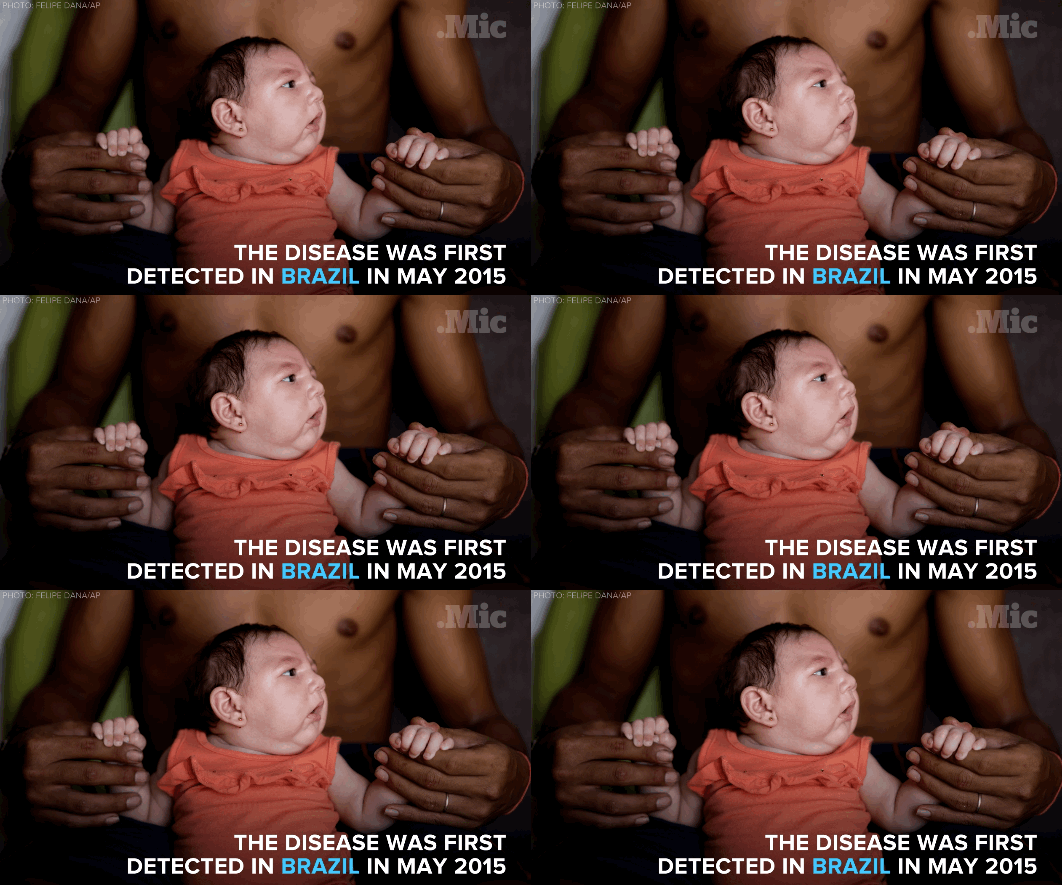
Additional studies are needed to determine the degree to which Zika is linked with microcephaly. More lab testing and other studies are planned to learn more about the risks of Zika virus infection during pregnancy.
We expect that the course of Zika virus disease in pregnant women is similar to that in the general population. No evidence exists to suggest that pregnant women are more susceptible or experience more severe disease during pregnancy according to the [Center for Disease Control and Prevention or (CDC).](https://blogs.cdc.gov/publichealthmatters/2016/02/5-things-you-really-need-to-know-about-zika/)
3. Pregnant women should NOT travel to areas where Zika is found positive

CDC recommends that pregnant women consider postponing travel to any area where Zika virus is spreading. If you must travel to one of these areas. If you have a male partner who lives in or has traveled to an area where Zika is spreading, either do not have sex or use condoms the right way.
For women trying to get pregnant, before you or your male partner travel, talk to your healthcare provider about your plans to become pregnant and the risk of Zika virus infection. You and your male partner should strictly follow steps to prevent mosquito bites during the trip.
4. Returning travelers infected with Zika can spread the virus through mosquito bites

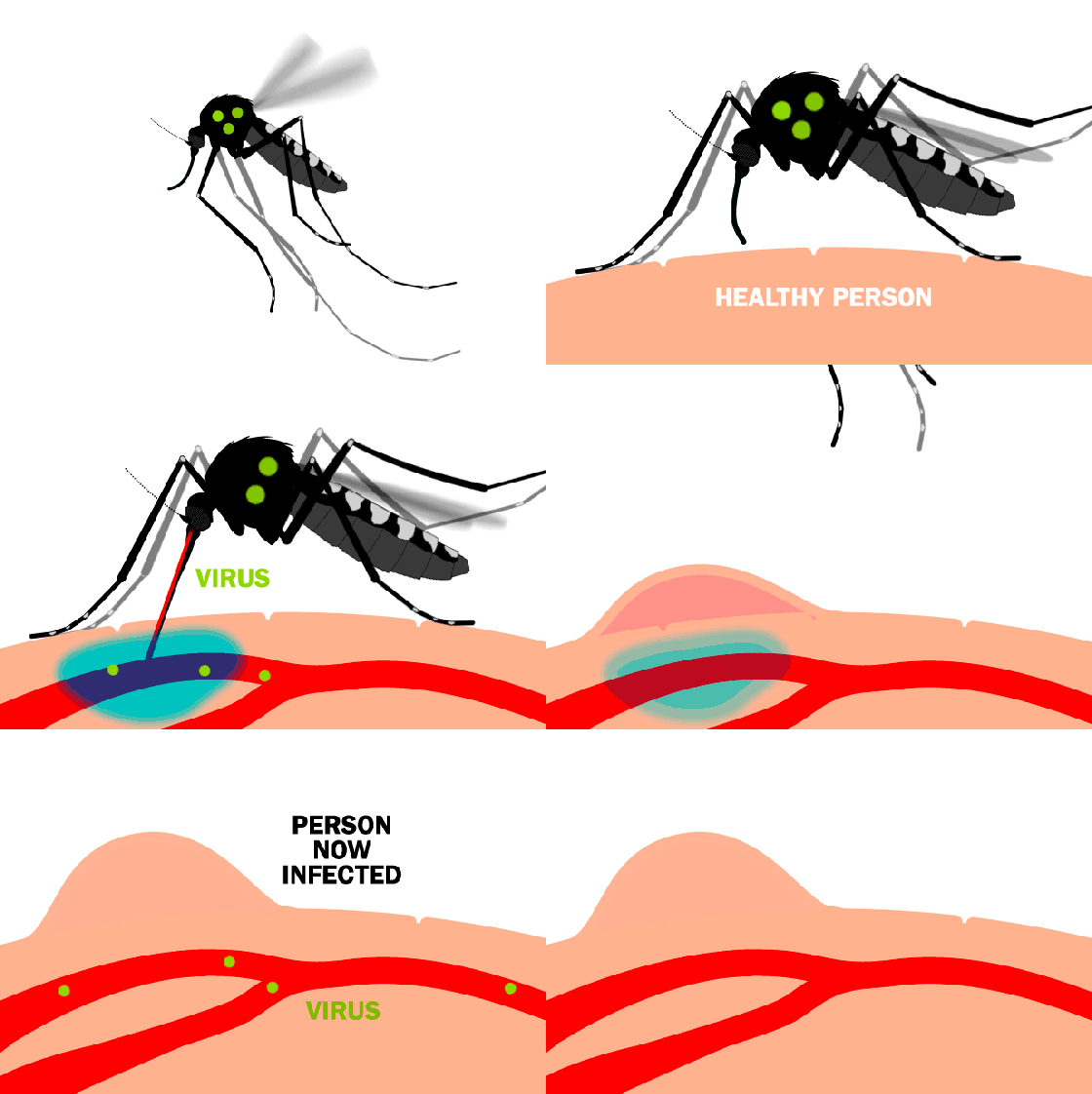
During the first week of infection, Zika virus can be found in the blood and passed from an infected person to a mosquito. The infected mosquito must live long enough for the virus to multiply and for the mosquito to bite another person.
Protect your family, friends, neighbors, and community! If you have traveled to a country where Zika has been found, make sure you take the same measures to protect yourself from mosquito bites at home as you would while traveling. Wear long-sleeved shirts and long pants , use insect repellant, and stay in places with air conditioning or that use window and door screens to keep mosquitoes outside.
5. To sum it all, Zika is primarily spread through the bite of an infected mosquito

These mosquitoes are aggressive daytime biters. They also bite at night. The mosquitoes that spread Zika virus also spread dengue and chikungunya viruses.