


 Cover image via
Follow us on Instagram, TikTok, and WhatsApp for the latest stories and breaking news.
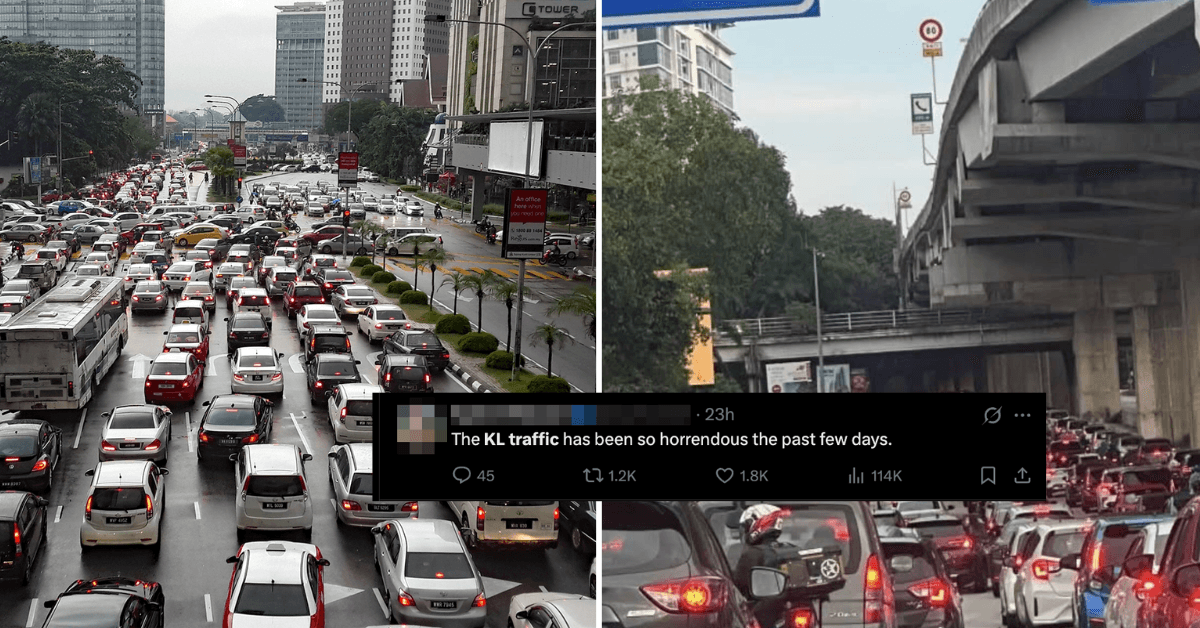
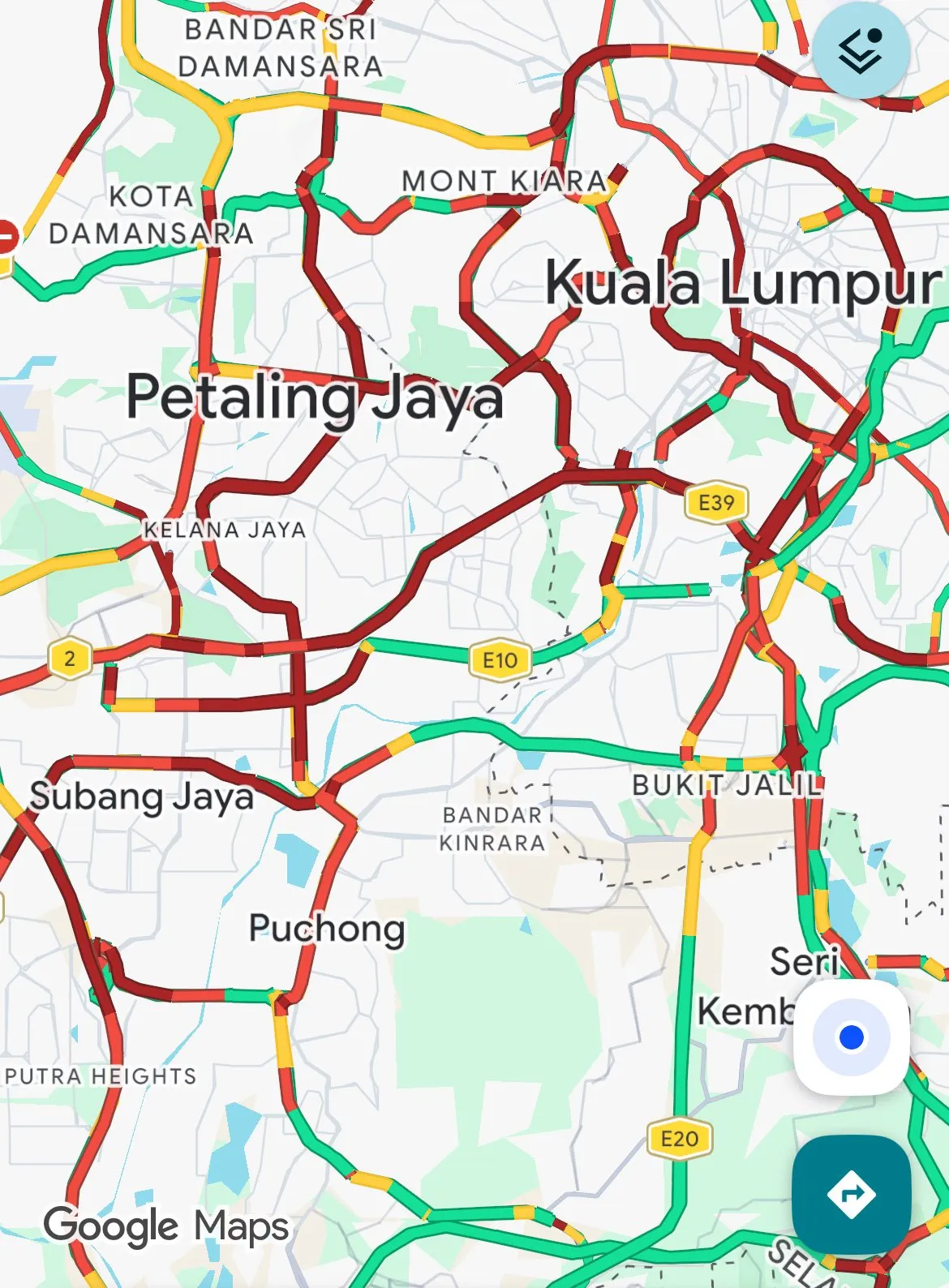
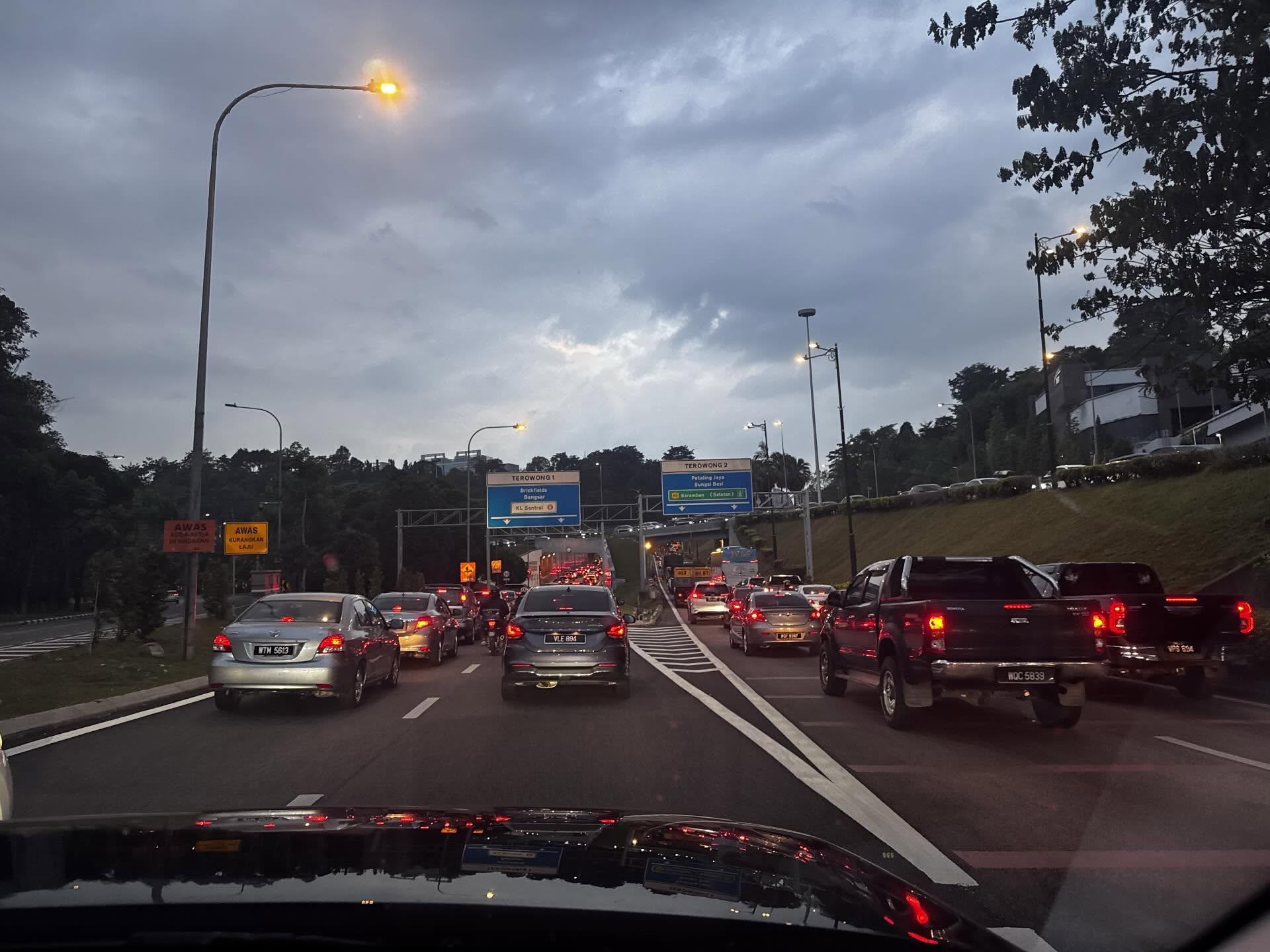
Drivers have recently been taking to social media to share jaw-dropping commute times across the Klang Valley
Some shared it took them 2 hours and 15 minutes to travel 25km from PJ to Ampang, a journey that normally takes about an hour, while others reported nearly 3 hours to cover just 15km in recent days.
And it's not as simple as telling Malaysians to "just take public transport", as trains and buses are also packed to the brim.
According to transport experts and urban advocates, the surge in congestion isn't driven by one single factor — but several long-running issues converging at once.
So what's really going on? Here are some of the most likely reasons:
1. Multiple holidays and major occasions are overlapping this year
- Chinese New Year travel and prep is ongoing, with millions of Malaysians on the move for visits and balik kampung trips. Authorities have forecast around 2.2 million vehicles on highways daily during the peak CNY period
- Valentine's Day shopping and outings also boost evening and weekend traffic as people head to malls and restaurants across the Klang Valley
- Ramadan is just around the corner, which historically brings increased travel as people prepare for fasting and festivities (shopping, food runs, gatherings)
All these overlapping occasions mean more people are on the road at the same time, both for work and leisure, creating an unusually heavy mix of commuter and social traffic.
It's similar to what transport authorities see when multiple holiday periods overlap: traffic volumes spike across major routes, peak hours stretch longer, and congestion spills into off-peak times.
2. There are simply more cars on the roads than ever
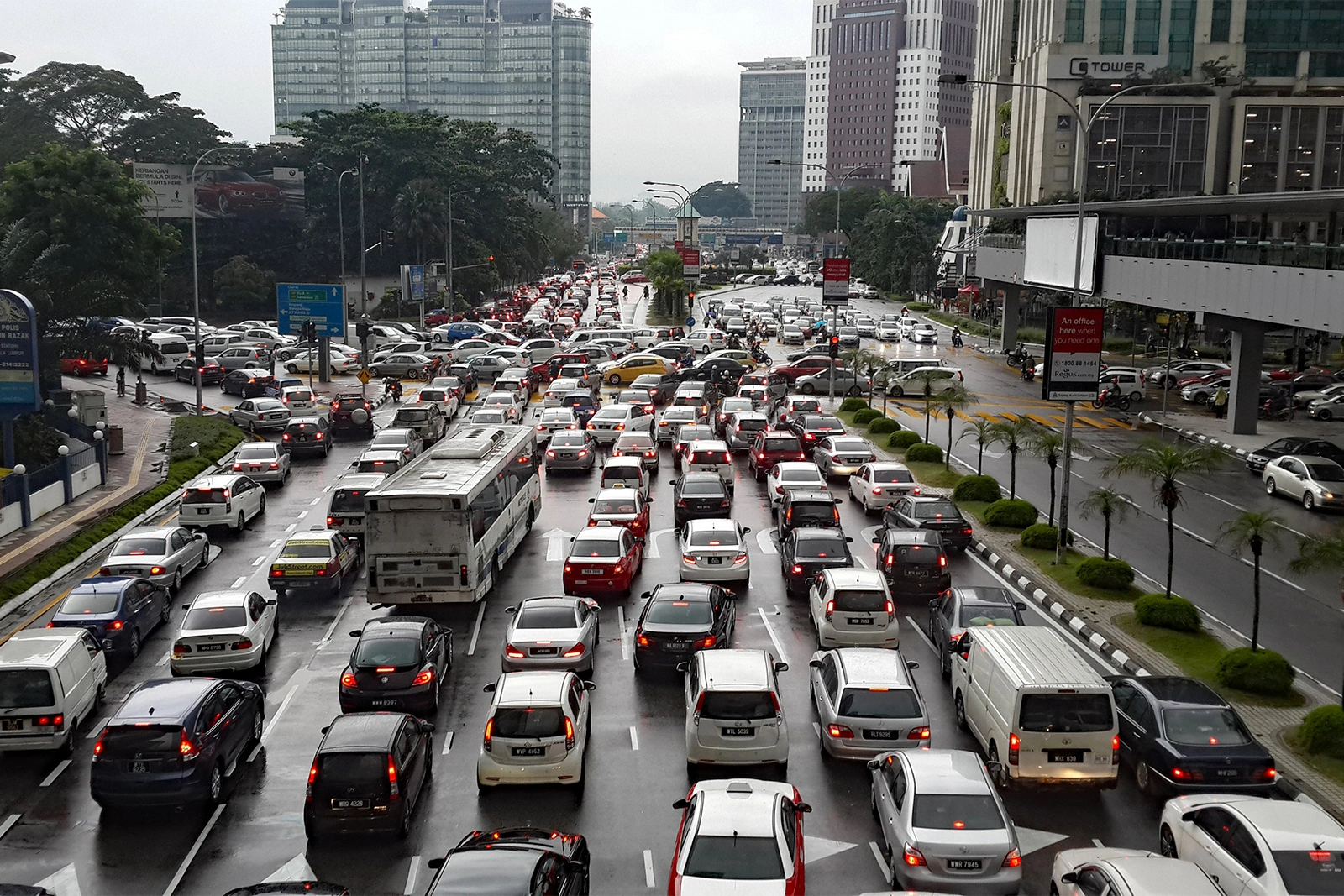
Malaysia's automotive market remained strong into 2025, with 820,752 vehicles sold, slightly up from the previous year. Each year, more cars are added to an already crowded road network.
As more people rely on their own vehicles for daily travel (not just weekends or special occasions), the total traffic load increases, particularly in densely populated areas like the Klang Valley.
Transportation expert Associate Professor Dr -Ing Masria Mustafa from Universiti Teknologi MARA explained how this plays out during peak hours: "As more households own multiple vehicles, peak-hour volumes intensify, particularly along key corridors into Kuala Lumpur."
On a broader level, Malaysia has a very high rate of vehicle ownership, a structural issue that has contributed to chronic congestion.
Bernard Chong, a member of Transit Malaysia, highlighted just how severe the problem has become nationwide: "Malaysia's car ownership has been rapidly increasing throughout the decade to the point that the number of registered cars outnumber the population of Malaysia."
Adding to this, senior adviser and founder of MY Mobility Vision Wan Md Hazlin Agyl said the issue goes beyond temporary disruptions: "The bigger issue is simply the number of cars on the road. We've added vehicles much faster than we've shifted people to public transport."
A report in 2025 revealed that Malaysia has the second-highest car ownership in Asia, with 535 cars for every 1,000 people, second only to Japan.
3. Public transport isn't keeping up with car usage
While trains and buses may appear full, the experts say that doesn't necessarily mean people are shifting away from driving.
"Public transport ridership, while also increasing, has not kept pace with the growth in car use," Chong noted.
Hazlin added that everyday usability remains a major barrier: "Public transport exists, but the first- and last-mile experience still isn't smooth enough for many. Even accessibility is still a problem — getting to the station is difficult, so people default to driving or riding a motorcycle."
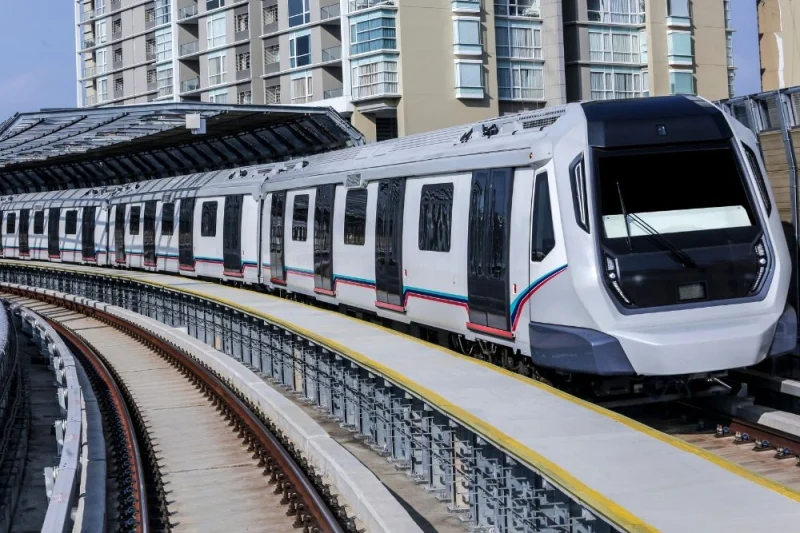
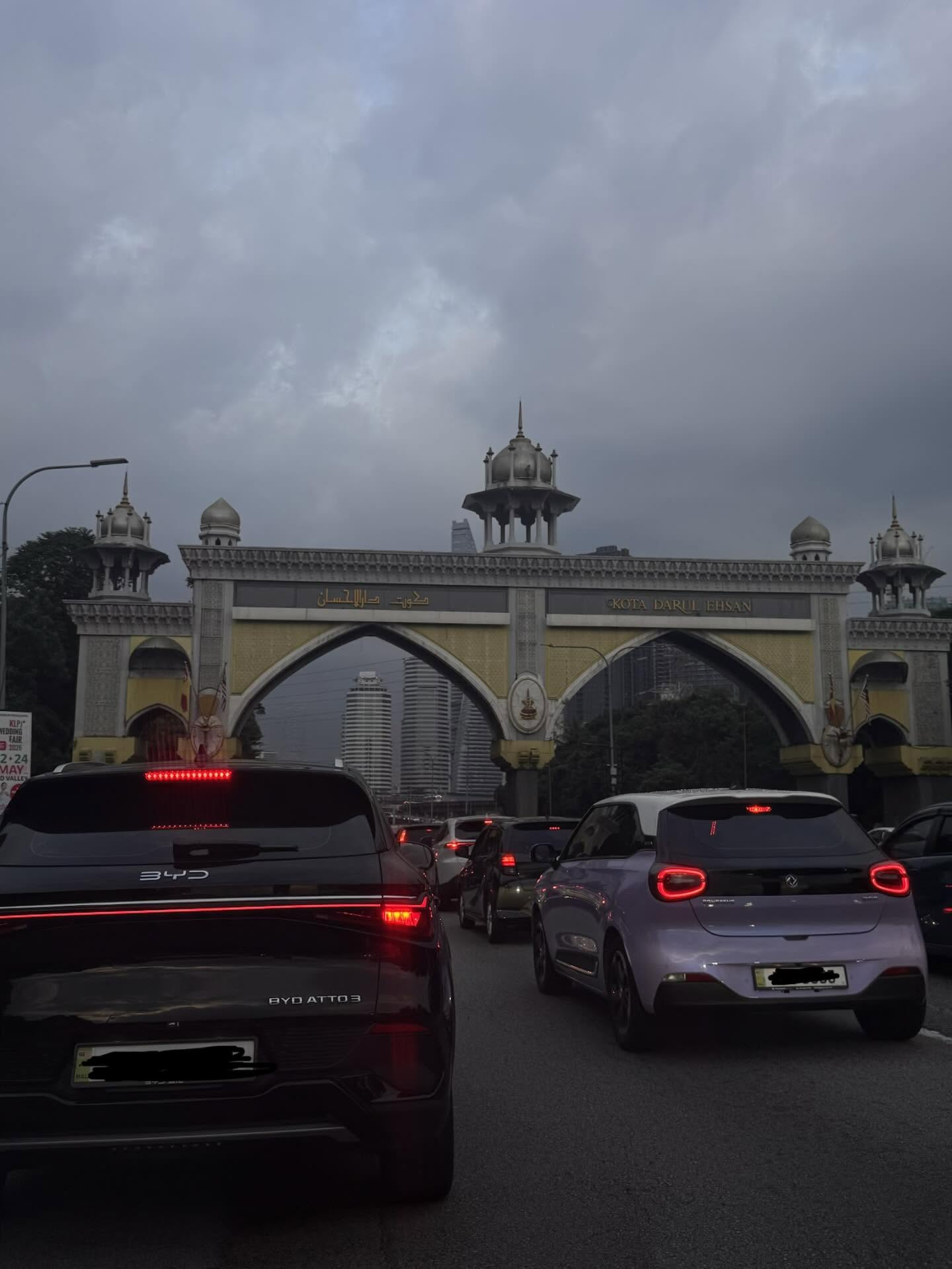
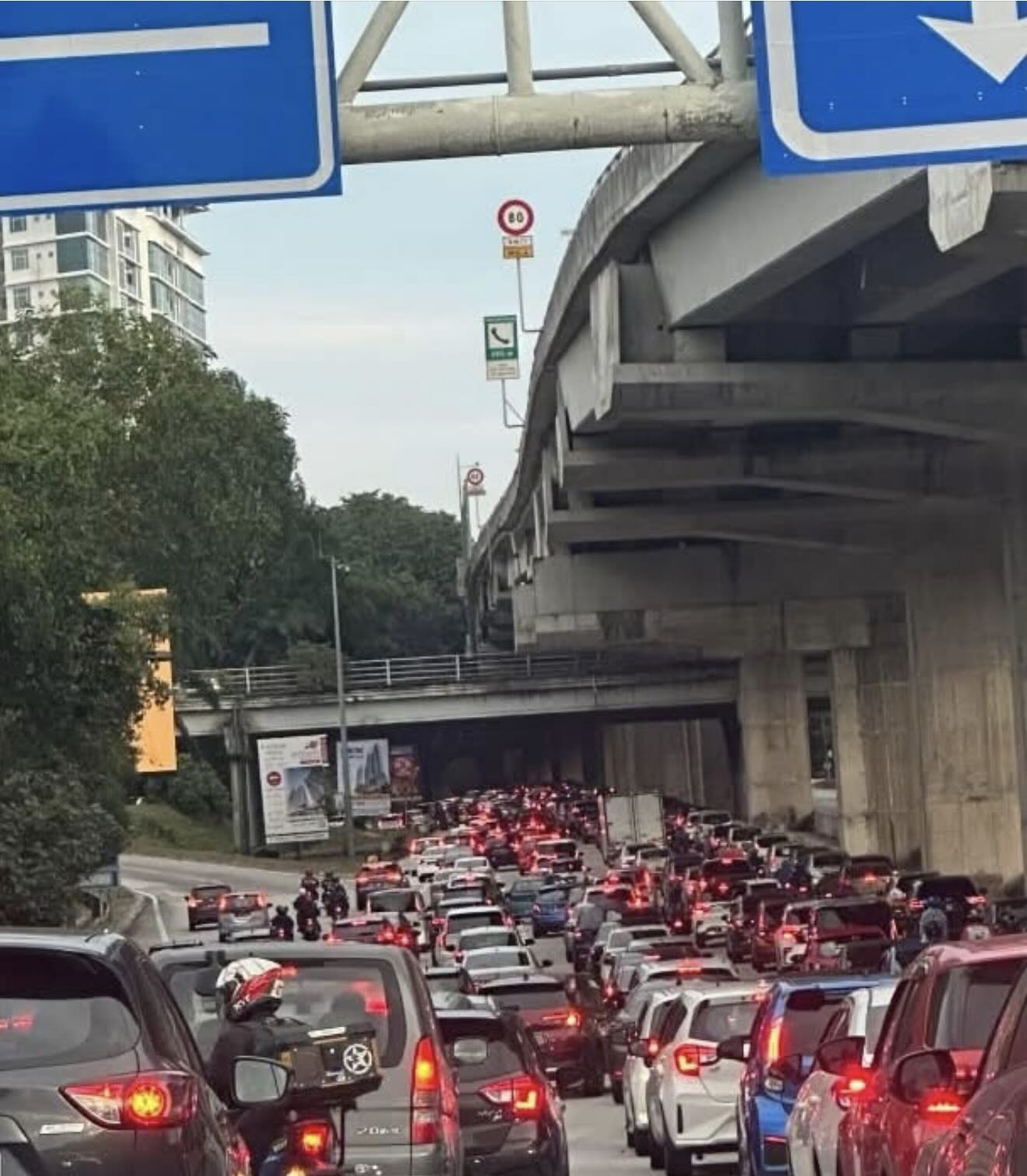
Image for illustration purposes only.
Image via razaklatif/Tripzilla4. Roadworks are causing short-term disruption but aren't the root cause
"Ongoing roadworks and infrastructure upgrading projects have had a noticeable short-term impact," Masria added.
"While such works are necessary for long-term improvements, their cumulative effect can significantly disrupt traffic flow."
However, Hazlin explained why construction alone isn't to blame: "Roadworks reduce lanes and slow things down, yes. But if traffic volume wasn't already at saturation point, construction alone wouldn't cripple the whole corridor."
Chong also warned that widening roads isn't a long-term solution: "No matter how much parking and roads we build, we will never truly be able to out-build this exponential growth in car ownership."
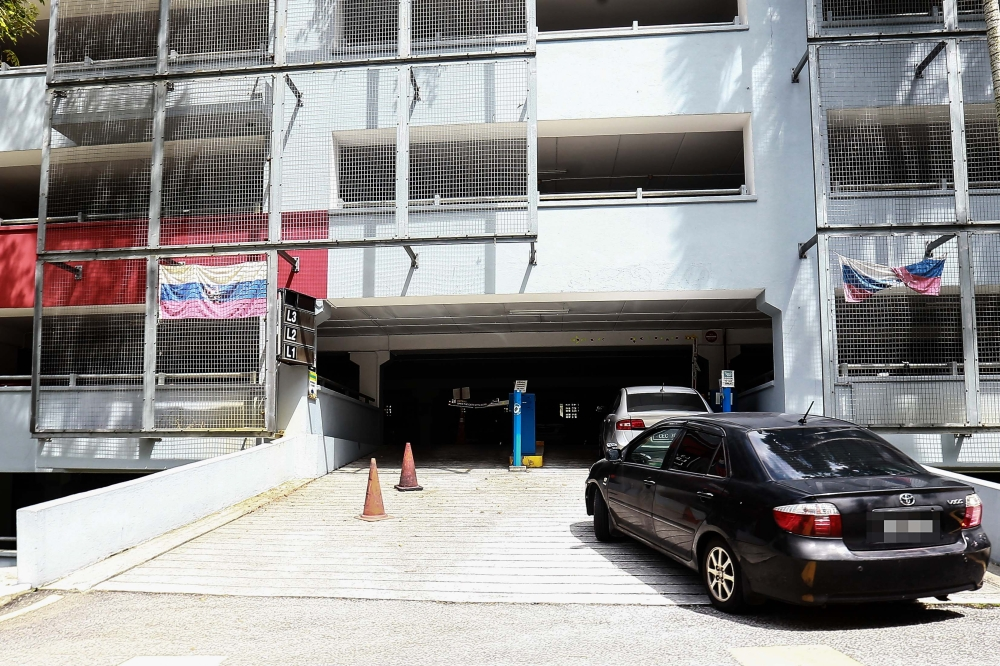
Image for illustration purposes only.
Image via Sayuti Zainudin/Malay Mail5. Peak-hour driving and heavy vehicle restrictions
Traffic policies meant to ease congestion can sometimes have unintended effects.
Restrictions on heavy vehicles during peak hours — implemented in parts of the Klang Valley — may push trucks to travel during other hours or divert to alternative routes. This can increase traffic on secondary roads as drivers try to avoid restricted periods.
While these measures may reduce jams on major highways, the redistribution of freight traffic can still add pressure to smaller roads and create congestion at different times of the day.
Peak-hour policies and post-pandemic travel behaviour are also at play.
"Many organisations have resumed full in-office operations, school traffic has fully returned, and there appears to be a continued preference for private vehicles over public transport due to perceived convenience, reliability, and flexibility," Masria noted.
Hazlin added that logistics traffic has also increased: "E-commerce deliveries mean more vans and light trucks moving around throughout the day."
6. More people are living further from where they work
Urban growth around the Klang Valley has pushed more people to live in suburbs, satellite towns, or even neighbouring states — while still working in city centres.
These areas are often poorly planned and heavily car-dependent.
"New developments are poorly designed and located so people have to rely on cars to complete short trips for basic needs like accessing services, do groceries, and send their children to school," Chong said.
Hazlin added that this concentrates pressure on a limited number of routes, "Every day we funnel thousands of long-distance commuters into the same few highways."
So, what actually needs to change?
Short-term fixes like signal optimisation, contraflow lanes, enforcement, and real-time traffic monitoring may help temporarily — but experts agree they won't solve the root problem.
"Without addressing deeper structural issues — particularly car dependency, land use planning, development control, and evidence-based transport planning — congestion in the Klang Valley is likely to remain a recurring challenge," Masria warned.
Chong believes the solution lies in giving people a real alternative to driving: "We need to do the hard work to build a strong alternative to the car that is fast, affordable, and reliable. This is the most efficient and economically sensible way of freeing people from perpetual gridlock in the Klang Valley."
SAYS has reached out to the Ministry of Transport and has yet to receive a response.
