


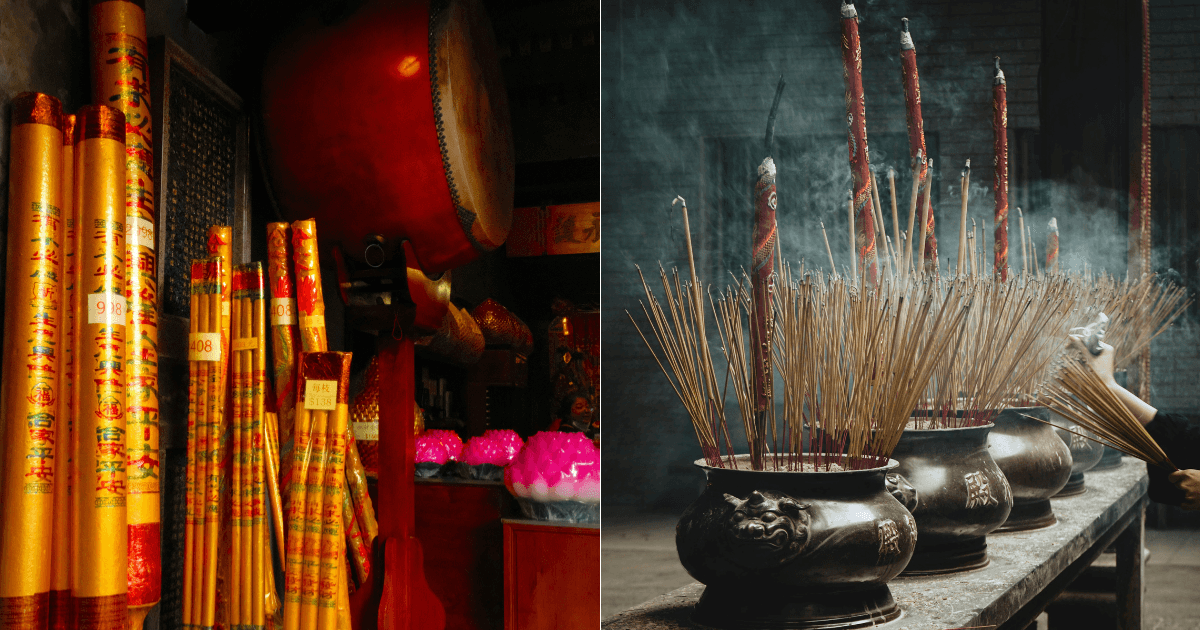
 Cover image via
Follow us on Instagram, TikTok, and WhatsApp for the latest stories and breaking news.
Ever wondered why people can be seen crowding temples at midnight during Chinese New Year?
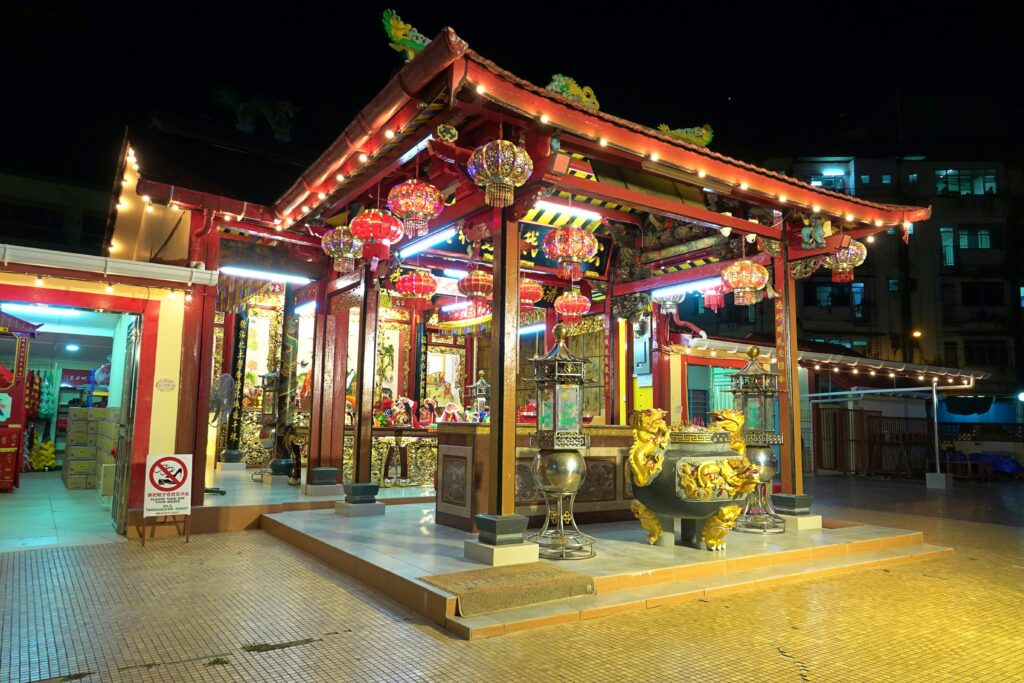
It's most likely for a Chinese New Year ritual known as 'tou xiang' (拜头香), the act of offering the first incense of the new year.
Among Malaysian Chinese families, particularly those with Taoist or Buddhist roots, it marks the first prayer of the year made at the exact turn of the lunar calendar.
For many, it's a sign of gratitude, clarity, and starting the year ahead with sincere intentions rather than negative ones.
This is because in Chinese culture, the transition between years is a moment when energies are believed to shift
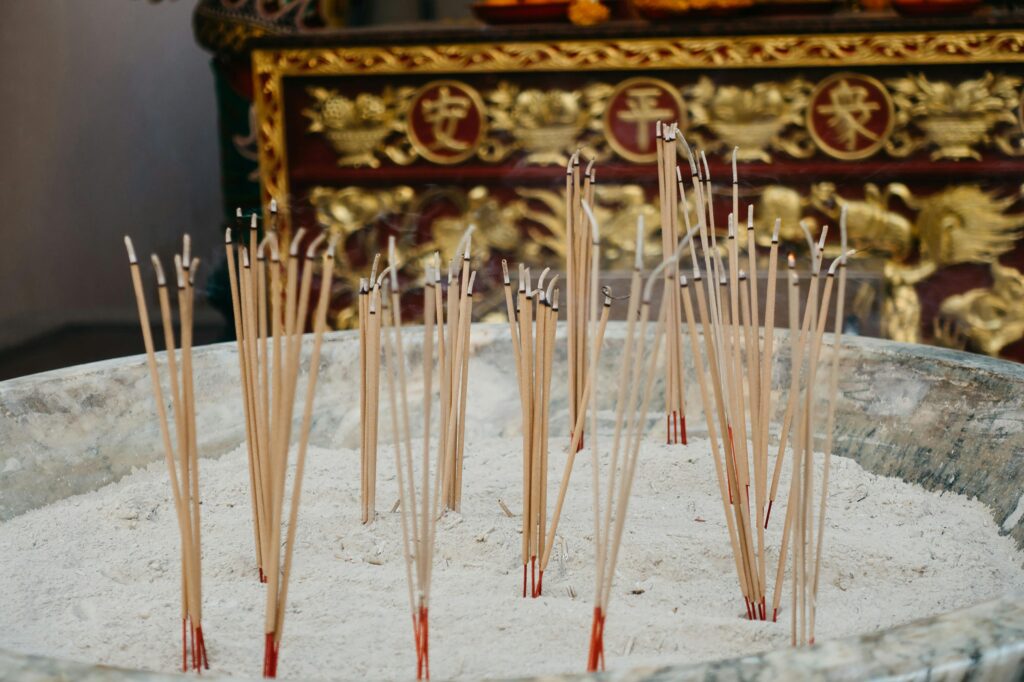
That's why people begin gathering ahead of time and wait for 12am sharp, when the new lunar year officially starts.
For traditionalists who follow older timing systems, the auspicious window actually begins at 11pm, known as the start of the 'rat hour'.
In Chinese cosmology, the rat is the first zodiac animal and symbolises beginnings, alertness, and renewal. So, the new day and in this case, the new year technically starts during this period of time.
Regardless of which timing you follow, the act means you're stepping into the new year with a clean mind and sincere wishes
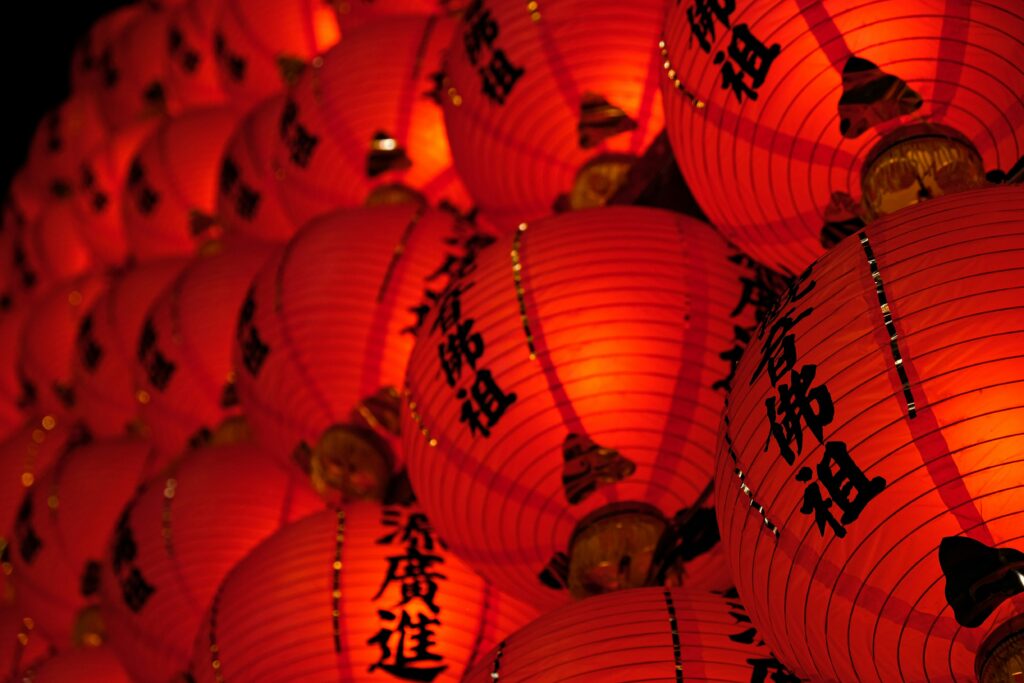
Which is why you often see people trying their best to be the first ones to place an incense. This is why tou xiang is also known as qiang tou xiang (抢头香), which means "snatching the first incense".
Despite this, tou xiang isn't meant to be about who's first. Sure, placing the first incense is symbolic, but the significance lies in sincerity rather than who gets to place it first.
For all the noise and chaos that Chinese New Year brings, tou xiang remains as one of those traditions that keeps us grounded
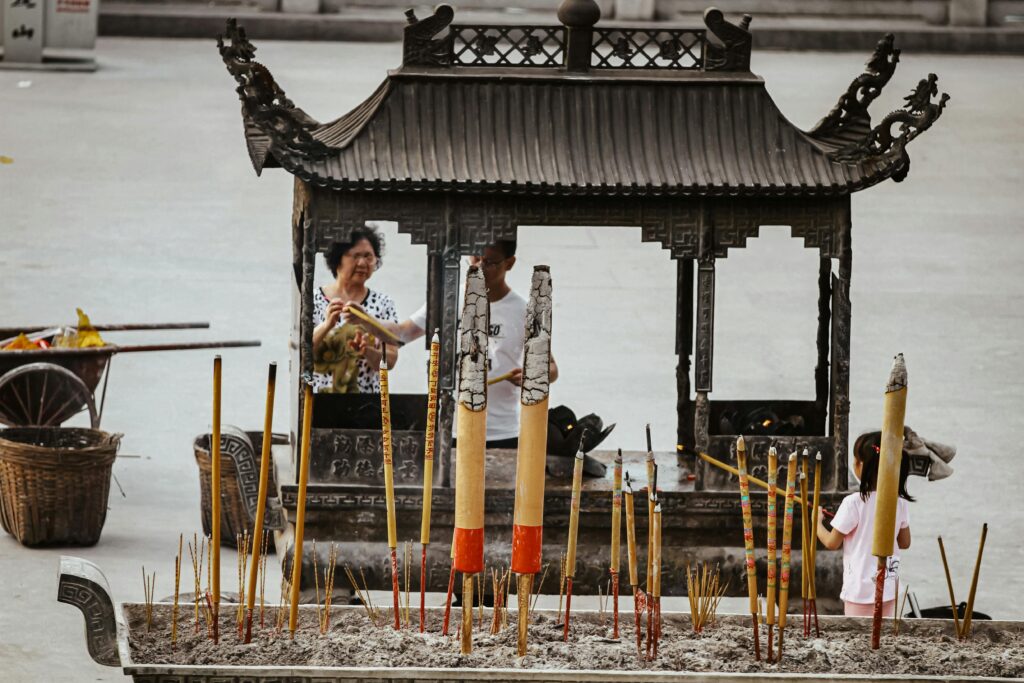
And, that could be the reason why the ritual is still relevant, even among younger Malaysians who aren't necessarily religious.
