


 Cover image via
Follow us on Instagram, TikTok, and WhatsApp for the latest stories and breaking news.
If you live in a condo, apartment, serviced residence, or gated community in Malaysia, you probably pay maintenance fees.
But what do they actually cover and how are they calculated?
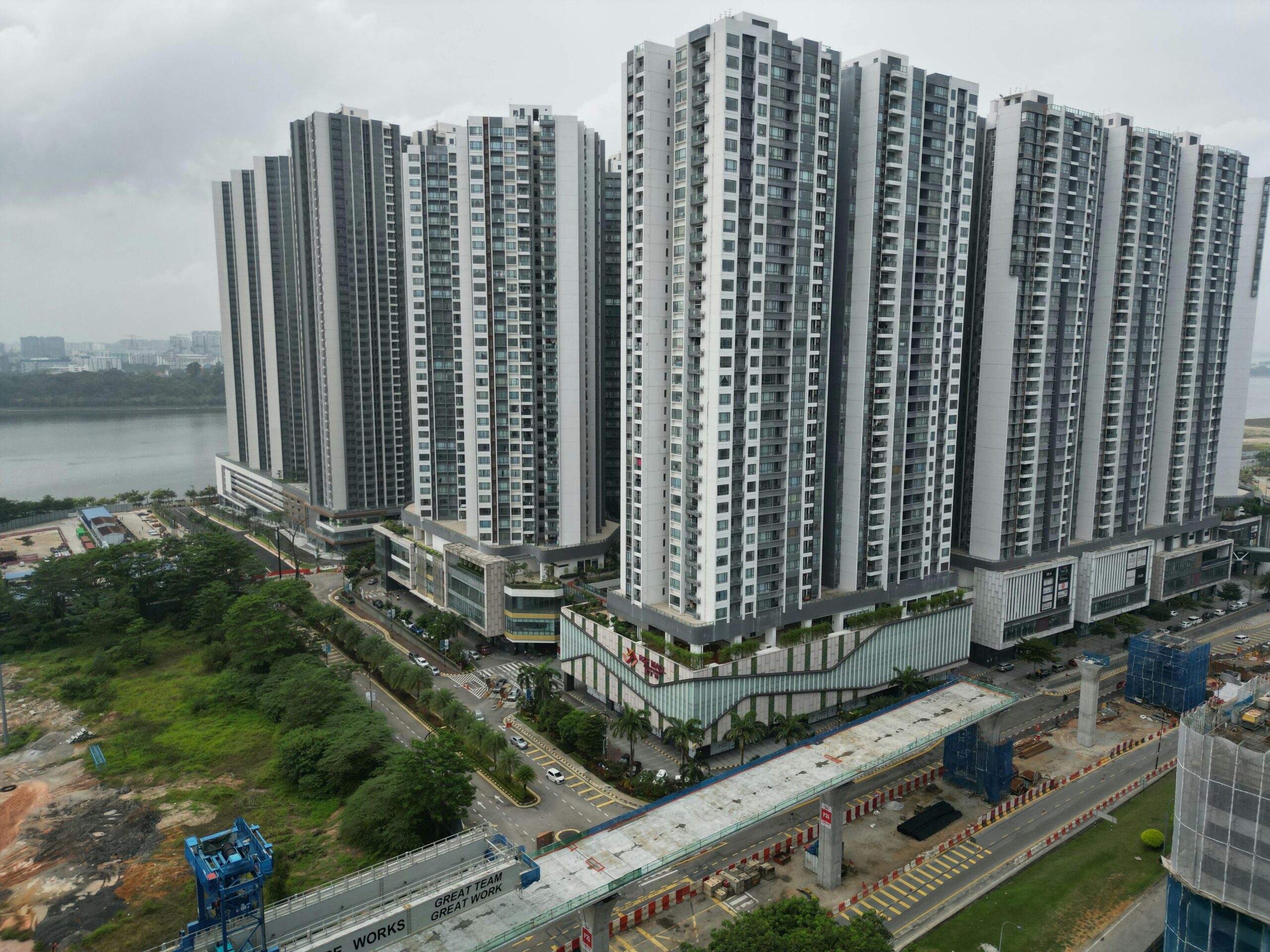
Maintenance fees are not just random charges invented to maximise profits, they are essential and go towards real costs.
In Malaysia, homeowners are legally required under the Strata Management Act 2013 to pay monthly maintenance fees, which are collected and managed by the Joint Management Body.
So, here's what the maintenance fees typically pay for:
1. Utility bills for common areas

Sure, your own unit has its own utility bills, but the common area will usually be handled by the property's management.
Whether it's electricity, water, or ventilation in common areas like parking lots and corridors, these utility bills can be substantial.
2. Cleaning for the building

Maintenance fees often go towards cleaning teams who handle:
- Lobby and corridor cleaning
- Rubbish collection points
- Toilet upkeep in common facilities
- Poolside and gym cleaning
- Landscape tidying
- Pest control for common areas
Without regular cleaning, even premium developments can get dirty very quickly, resulting in an unpleasant environment to live in.
3. Security

If you live in a gated community or stratified development, security is also a major reason why you're paying the maintenance fees.
The cost for security also rises if your property runs 24-hour shifts and has multiple entry points to the compound.
4. Maintenance for facilities and equipment
This is the cost of maintaining every single common facility and equipment the building has.
You're paying for the upkeep of facilities like the swimming pool, gym, laundry rooms, and elevators.
5. Insurance coverage

This includes:
- Fire insurance for common areas
- Public liability coverage
- Routine fire system inspections
- Safety certifications
- Legal and audit costs
- Administrative compliance costs
This is something that's often overlooked but very important to your safety along with other residents.
6. Sinking funds for repairs and renovations
Besides daily maintenance, many developments collect sinking fund contributions for bigger long-term repairs.
This can include repainting the building, replacing old lifts, fixing roofs, or waterproofing works. Think of it as the property's savings account for expensive fixes later.
However, just because you pay your dues, this doesn't guarantee good management
Some properties struggle because the fees collected are too low to cover actual operating costs, while others face cash flow issues when many owners do not pay on time.
That is why a well-managed older building can often feel far better maintained than a newer project with messy management.
But, how are the maintenance fees actually calculated?
The biggest factor that determines your property's maintenance fees is the total cost of running and maintaining the building.
Before the Strata Management Act 2013, monthly maintenance charges and sinking fund contributions were usually calculated based on a unit's built-up size or price per square foot.
But under the current law, these charges are now based on share units instead. A share unit is the value assigned to each strata property unit. The value can differ based on the type of property, size of the unit, location within the development, and facilities attached to the unit.
The higher the share unit assigned to your unit, the more you'll usually need to pay each month.
It's also important to note that fees tend to increase as the building ages, this is simply due to higher costs of keeping the property maintained.
Here's the formula: Maintenance fees = Operating expenditures ÷ Total share units in a development
If you fail to pay charges imposed by the management, there can be serious consequences

Once payment remains overdue for 14 days after receiving a notice of demand, the Management Body has the right to take several actions:
- Charge interest on the unpaid amount
- Display your name, unit details, and outstanding balance on the property's defaulters' list
- Deactivate access cards, tags, or transponders
- Restrict you from using shared facilities and common services
- Take legal action through the court or the Strata Management Tribunal to recover the outstanding amount
