


 Cover image via
Follow us on Instagram, TikTok, and WhatsApp for the latest stories and breaking news.
Many Malaysians aren't aware of what they're entitled to under the Social Security Organisation (PERKESO) until they actually get injured at work
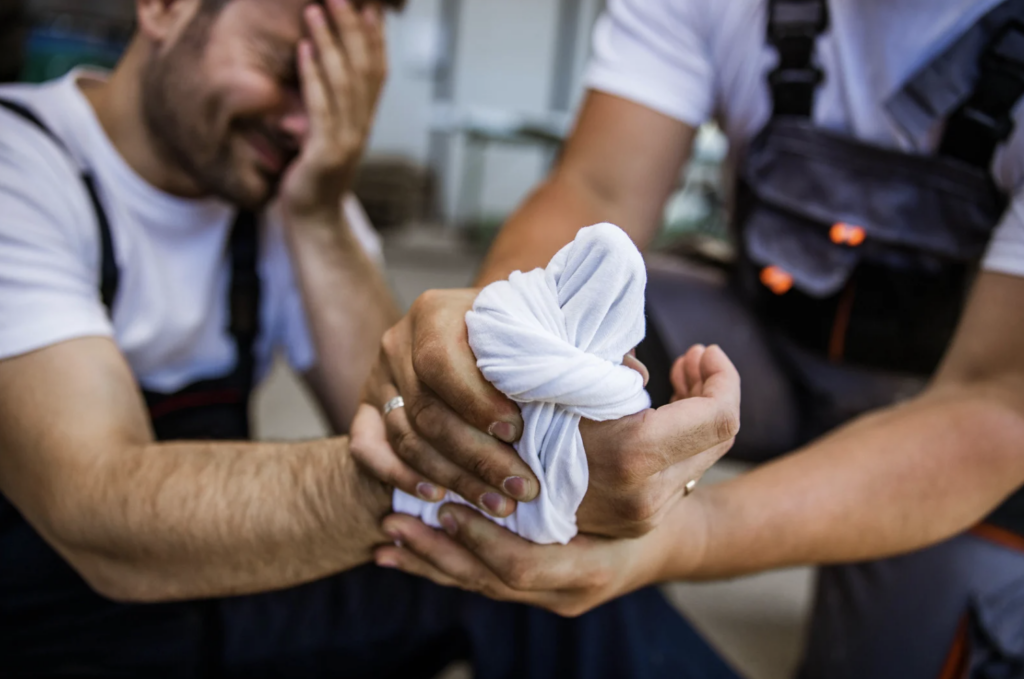
In case you didn't know, PERKESO is a government agency responsible for providing social security protection to employees, primarily against workplace accidents, illnesses, and invalidity (permanently lost earning capacity, resulting from accident or illness).
If you're employed full-time in Malaysia, chances are your employer has been contributing to PERKESO on your behalf.
But what does PERKESO actually cover, and how do you claim under them?
If you are covered under PERKESO, you can get all your medical expenses covered, including specialist treatment

PERKESO provides full medical coverage for work-related injuries and occupational diseases. This includes outpatient treatment, hospitalisation, surgery, and even specialist consultations.
You'll need to seek treatment at a PERKESO panel clinic or government hospital. If it's an emergency, private hospital treatment may be allowed, but you should notify PERKESO as soon as possible. They usually reimburse the cost later, if approved.
All receipts and proper documentation are required for any reimbursement.
How to claim:
- Get medical treatment at a PERKESO panel or government facility.
- Ask the doctor to fill in Form 21 (Report on Accidental Injury).
- Submit the completed form to your employer.
- Your employer will send the documents to PERKESO for approval.
- Keep all receipts and documentation for any reimbursements.
Do note that this coverage is only applicable for illness or injuries directly related to your job. Examples could include falling off scaffolding at work, getting asthma from inhaling chemical fumes, or carpal tunnel syndrome from repetitive tasks.
Other non-work-related illnesses like catching dengue at home or getting cancer unrelated to work are not covered by PERKESO. These would only be covered under personal insurance or the public healthcare system.
You can claim temporary disablement benefits (80% of salary) for up to 180 days while you're on medical leave
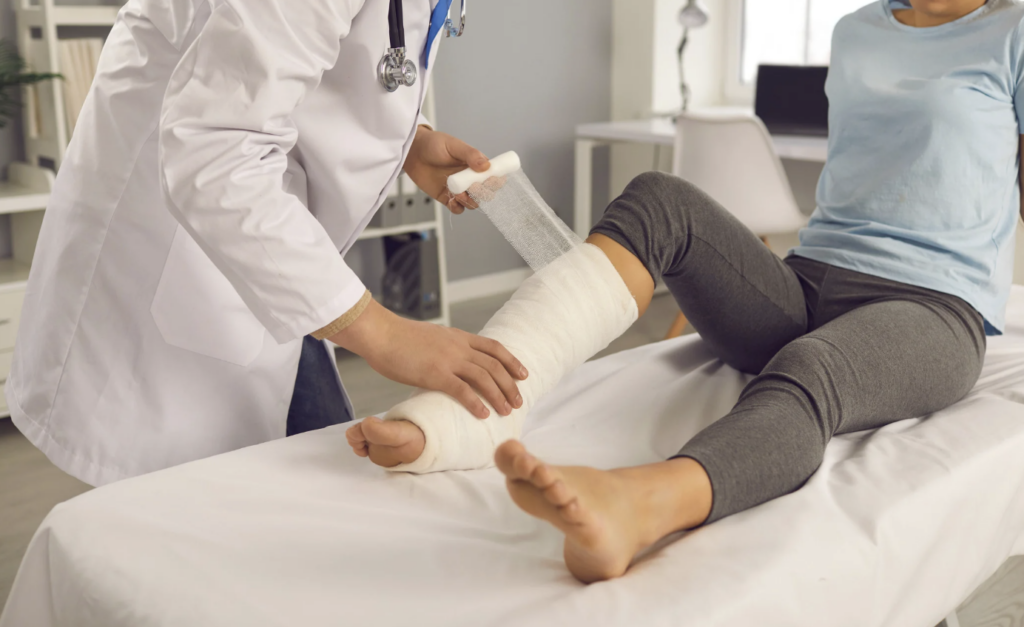
If your injury causes you to take more than four days off work (including the day of the accident), you're entitled to Temporary Disablement Benefit. PERKESO will pay you a daily rate based on 80% of your average wage, with a minimum of RM30 and a maximum of RM158.67 per day, as of early 2025.
This benefit is only paid for days you are medically unfit for work and do not receive wages, for up to a maximum of 180 days.
How to claim:
- Visit a doctor who will certify your medical leave.
- Ask your employer to submit Form 10 (Accident Report) and Form 21 to PERKSO.
- Provide your medical certificate (MC) as proof.
- PERKESO will review and issue payment directly to your bank account.
You may be eligible for a lump sum or monthly pension if you're permanently disabled

For more serious cases, Permanent Disablement Benefit is available. If your injury leads to long-term or lifelong disability, you can get:
- A lump sum payment if your assessed disability is 20% or less
- A monthly pension, or a combination of both, for disability above 20%
The benefit is based on 90% of your average assumed wage, capped between RM30 and RM178.50 per day. You'll need to be assessed by a PERKESO-appointed medical board to determine the level of impairment.
How to claim:
- Submit Form 34 (Claim for Permanent Disablement Benefit) via your employer or directly at PERKESO.
- Attend a scheduled medical board assessment.
- Await PERKESO's confirmation and compensation letter.
- Payment is made via direct credit to your account.
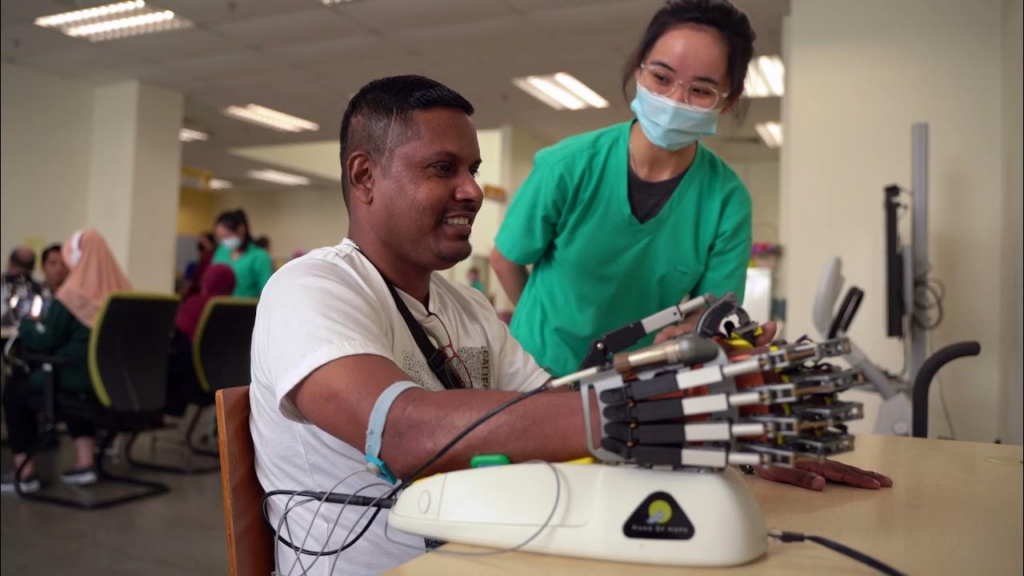
Besides treatment and payouts, PERKESO also provides rehabilitation services under its Return To Work programme.
Pusat Rehabilitasi PERKESO Tun Abdul Razak in Melaka is fully equipped to support injured workers in their recovery. Services include physiotherapy, occupational therapy, psychological counselling, job placement, and vocational retraining for those unable to return to their old job.
Lastly, PERKESO reimburses commuting accidents, not just accidents at the workplace

If you're injured while travelling directly to or from work, or even during work-related errands, it counts as a 'commuting accident'. These are covered under the same benefits as regular workplace injuries.
You must report the incident promptly and provide a police report, employer confirmation, and other supporting documents for your claim to be accepted.
Do note that this does not apply to regular accidents outside of work.
How to claim:
- Lodge a police report immediately.
- Inform your employer and submit Form 10.
- Attach the police report and MC.
- PERKESO will investigate and process your claim under the relevant benefit.
There are certain scenarios when you might not be covered by PERKESO, even if you're working
Most full-time employees are automatically covered by PERKESO, but there are a few exceptions to watch out for.
- Self-employed individuals like freelancers or small business owners are not covered unless they opt in under the Self-Employment Scheme (SKSPS).
- Foreign workers are only covered for work-related injuries — they don't get invalidity or retirement-type benefits.
- Government pensionable staff (like teachers or police) aren't under PERKESO — they're protected by separate civil service schemes.
- Employees over 60 are only covered for work injuries, not invalidity.
- Injuries caused by your own misconduct (like drunk driving or criminal acts) might disqualify you.
Always check your contribution status on Portal ASSIST or ask your HR team if you're unsure.
