


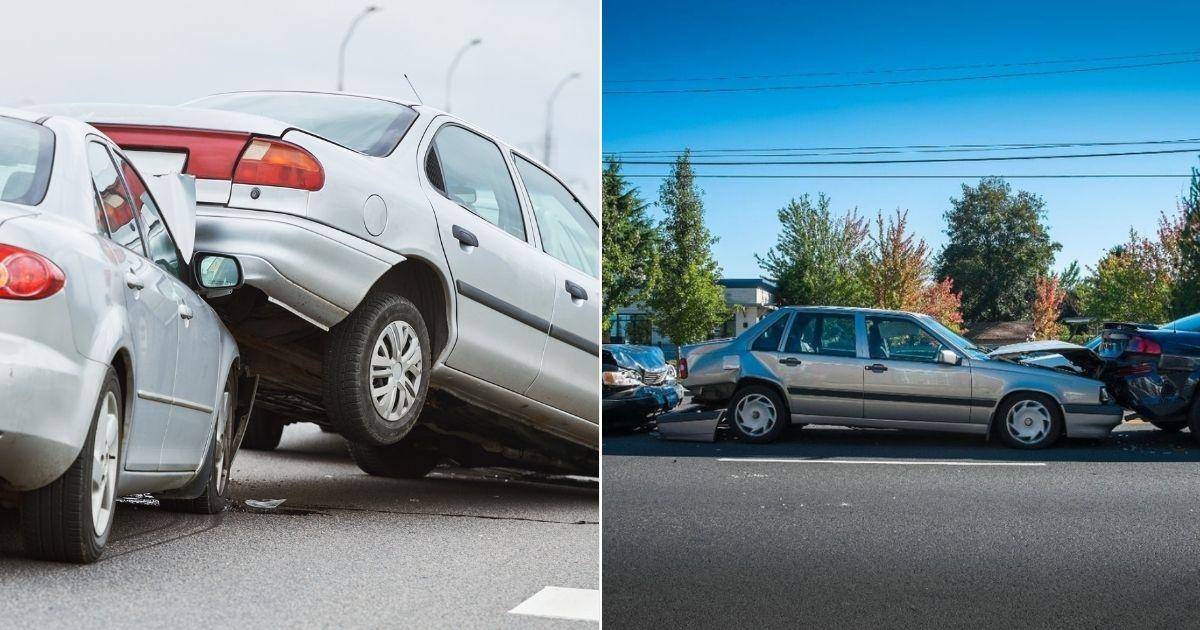
 Cover image via
When it comes to dealing with multi-car accidents, it can be scary and nerve-racking — but knowing what to do in the moment can really save you trouble
While minor accidents with two vehicles can be resolved on the spot, it's different when there are multiple vehicles involved.
Chances are, you're shaken, unsure who's at fault, and wondering who to call or what steps to take.
If you're involved in a multi-car accident — whether it's a pile-up on the highway or a chain collision at a traffic light — it's important to stay level-headed and handle the situation calmly.
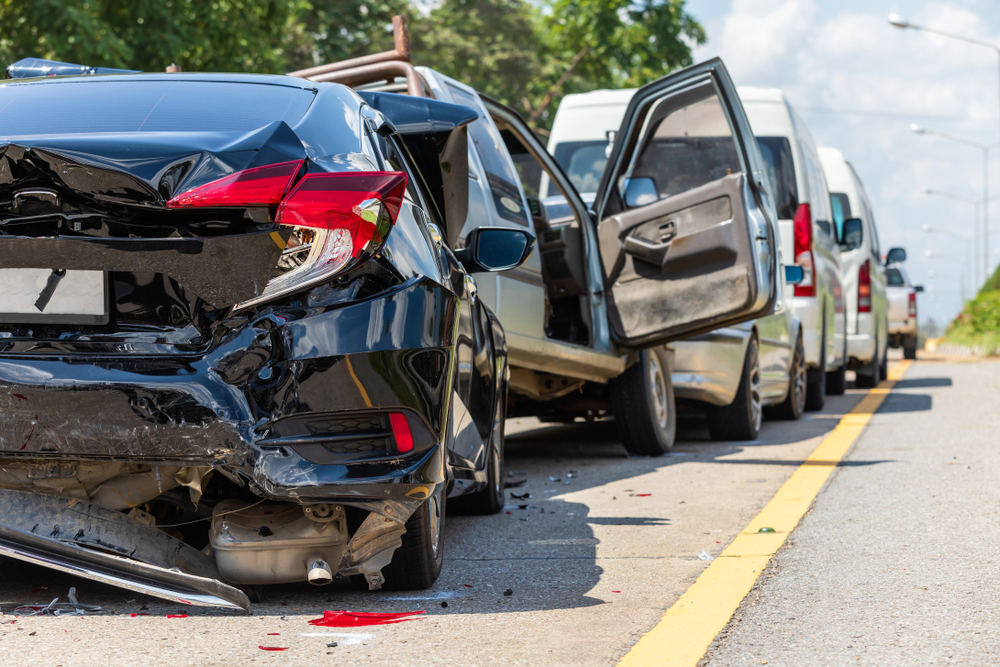
Image via Graves McLain
STEP 1: Make sure everyone is safe
If someone is injured, do not move them unless there's immediate danger (like a fire). Call 999 for an ambulance and inform them it's a multi-car collision.
If your car is still drivable, switch on your hazard lights and carefully steer to the roadside. If you're on a highway or major road, staying in the middle of the lane can cause a secondary accident.
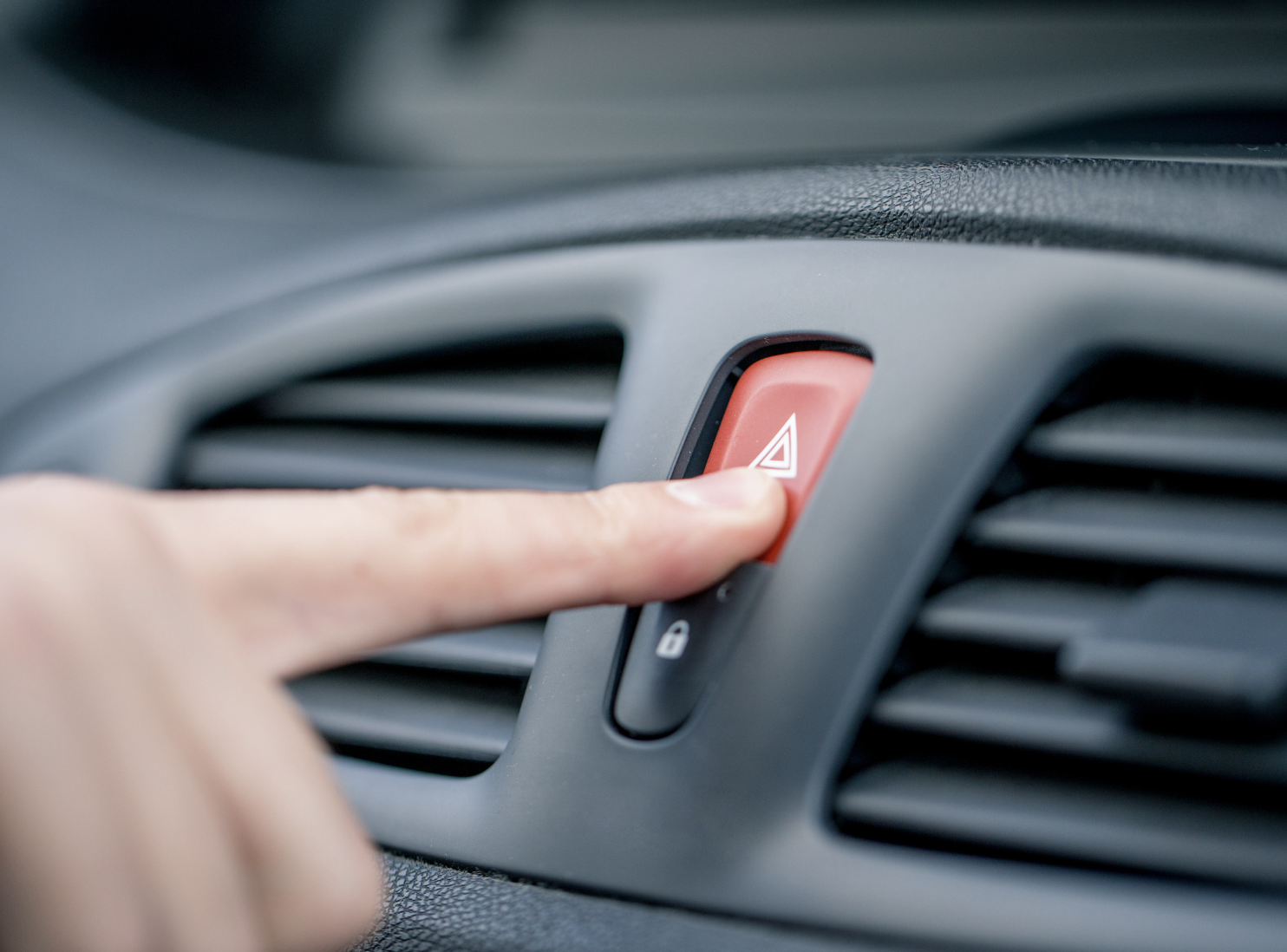
Image via CasarsaGuru/Canva Teams
STEP 2: Take photo and video evidence
In multi-car accidents, visuals are your best friend. Police officers and insurance adjusters will rely heavily on your photos and footage to determine the sequence of impact.
Be sure to document:
- The position of every vehicle from different angles
- Number plates
- Damage on all cars involved
- Road signs, weather, or hazards that might have contributed
- Skid marks or debris on the road
A quick walk-through video narrating what happened from your perspective can be surprisingly helpful later on. Videos showing the scene from multiple angles can also be helpful, especially in chain-reaction crashes where fault is harder to assign.
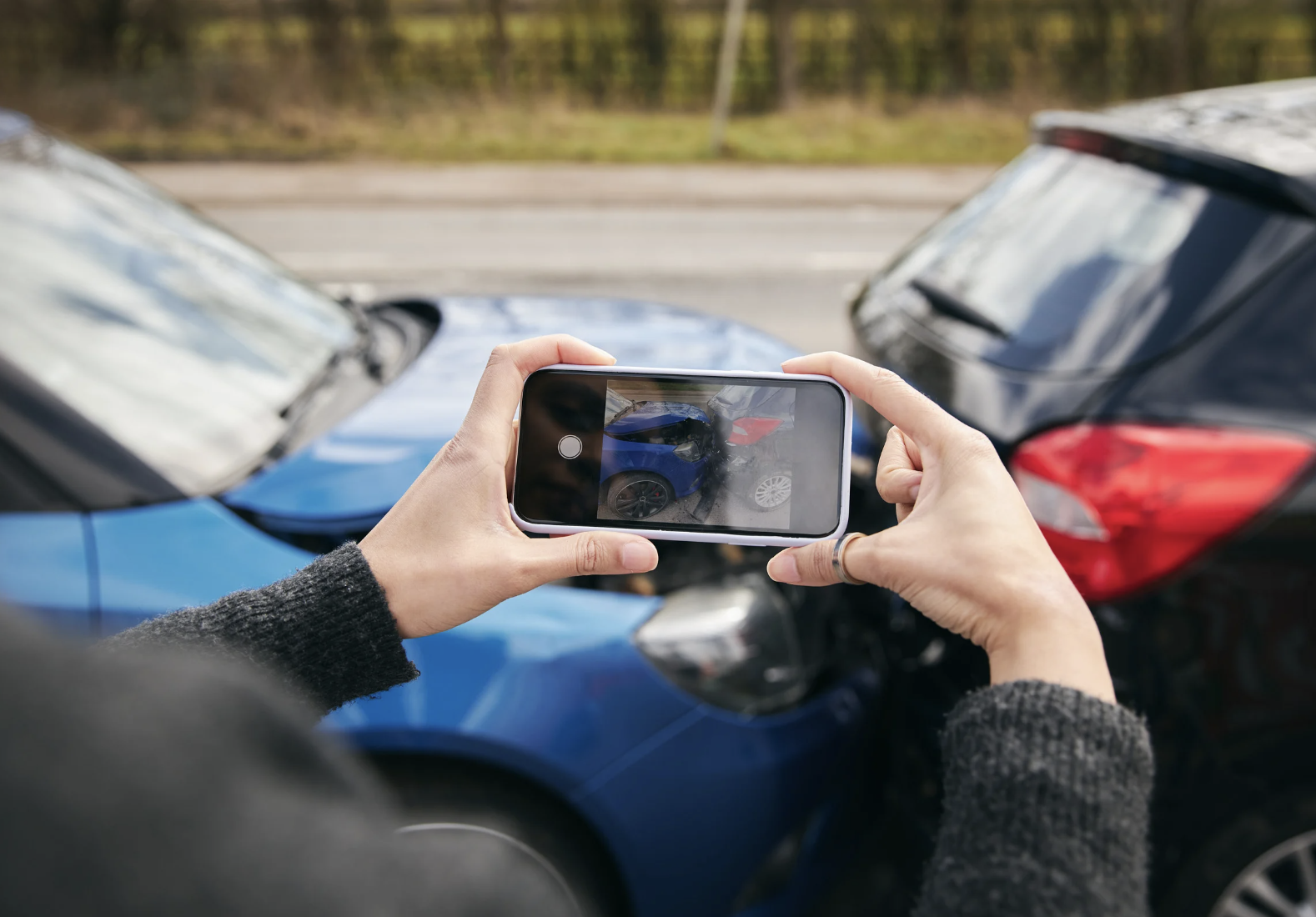
Image via Southworks/Canva Teams
STEP 3: Exchange details with all drivers
Don't assume it's enough to just talk to the driver of the car that hit you, or the one you hit. Everyone involved should share their:
- Full name and IC number
- Phone number
- Car registration number
- Insurance provider and policy number
Stay calm and polite. If someone refuses to cooperate, take a video or photo of them and their car. Avoid getting into arguments — just gather what you can.
IMPORTANT: At this point, it's important not to offer or accept cash to "settle" things on the spot. In a multi-car collision, this can complicate things and backfire later. Stay on the record. Stick to the proper procedures and get the authorities involved.
Saying things like "I'm so sorry" or "It was my fault" might feel polite — but this can be misinterpreted as admitting fault. Stay neutral and help where you can, but avoid pointing fingers or accepting blame.
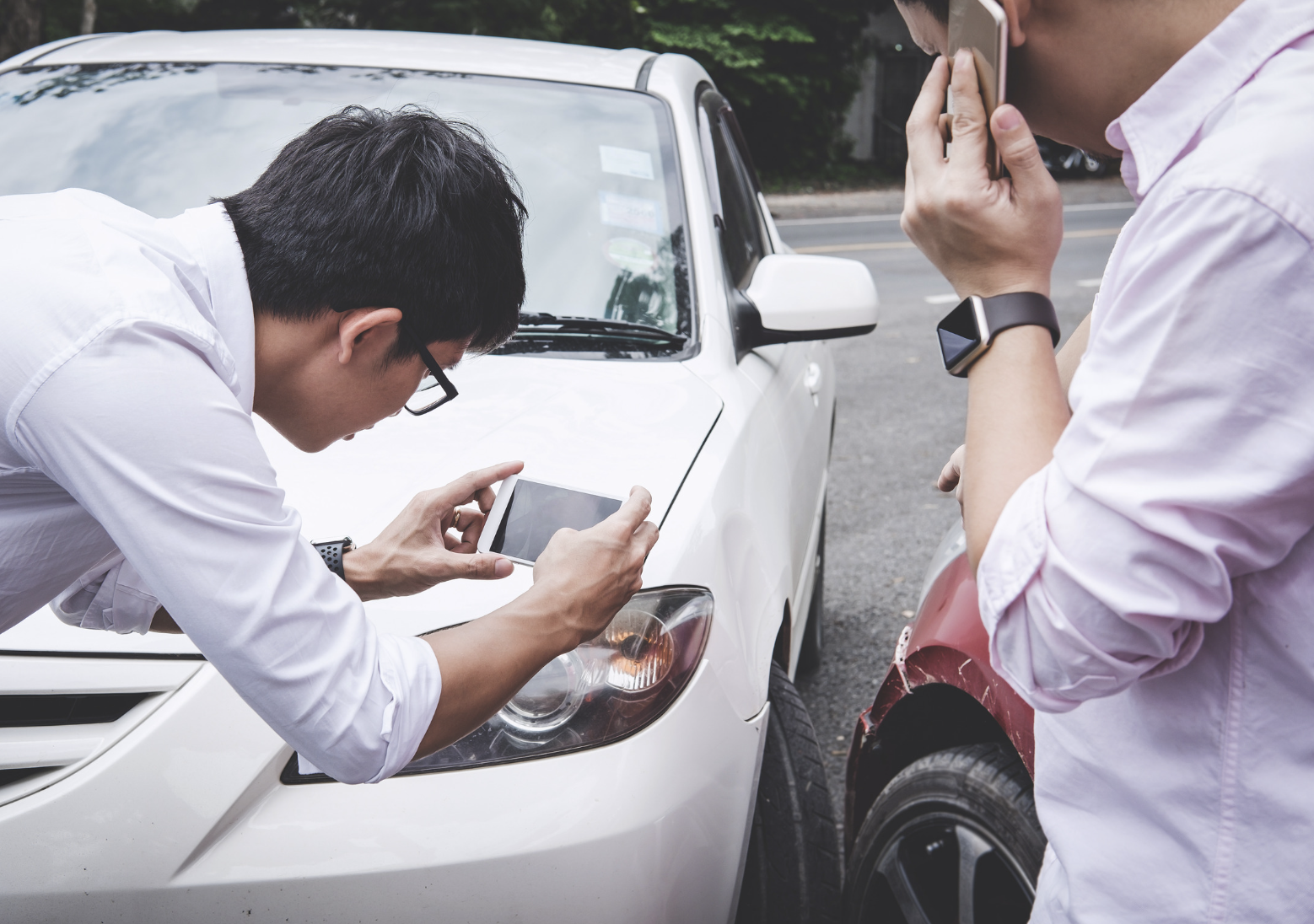
Image via freedomz/Canva Teams
STEP 4: File a police report within 24 hours
In Malaysia, you're legally required to lodge a police report within 24 hours of an accident. For multi-car crashes, this step is even more important due to the complexity of fault and claims.
Head to the nearest police station with a traffic unit (Balai Polis Trafik) and bring:
- Your IC and driving licence
- Your vehicle's insurance and road tax info
- Photos/videos of the accident
- Contact info of all involved parties
You'll receive a copy of the report and the investigation number, which you'll need for insurance purposes.

Image via New Straits Times
STEP 5: Contact your insurer
If you're not at fault:
You should still report the accident to your insurer ASAP.
With Malaysia's 'knock-for-knock' agreement among major insurers, you can make a 'knock-for-knock' claim, whereby your own insurer will repair your car first and claim back from the at-fault party's insurance.
This only works when:
- You were not the one who caused the accident
- You want to repair your own car quickly through your own insurer
- Your insurer will later claim the cost from the at-fault driver's insurer
If you were at fault:
It's still possible to claim, but only if you have comprehensive coverage:
- You can send your car to a panel workshop and make an Own Damage (OD) claim
- You don't have to wait for fault to be confirmed, you can start the repair process right away
- Your No Claim Discount (NCD) will likely be affected
- You may also have to pay an excess (a fixed amount depending on your policy)
In some cases, if you're later found not at fault, your claim may be reclassified as a knock-for-knock claim. This allows your insurer to recover the repair costs from the at-fault party's insurer, and you may even get your NCD reinstated.
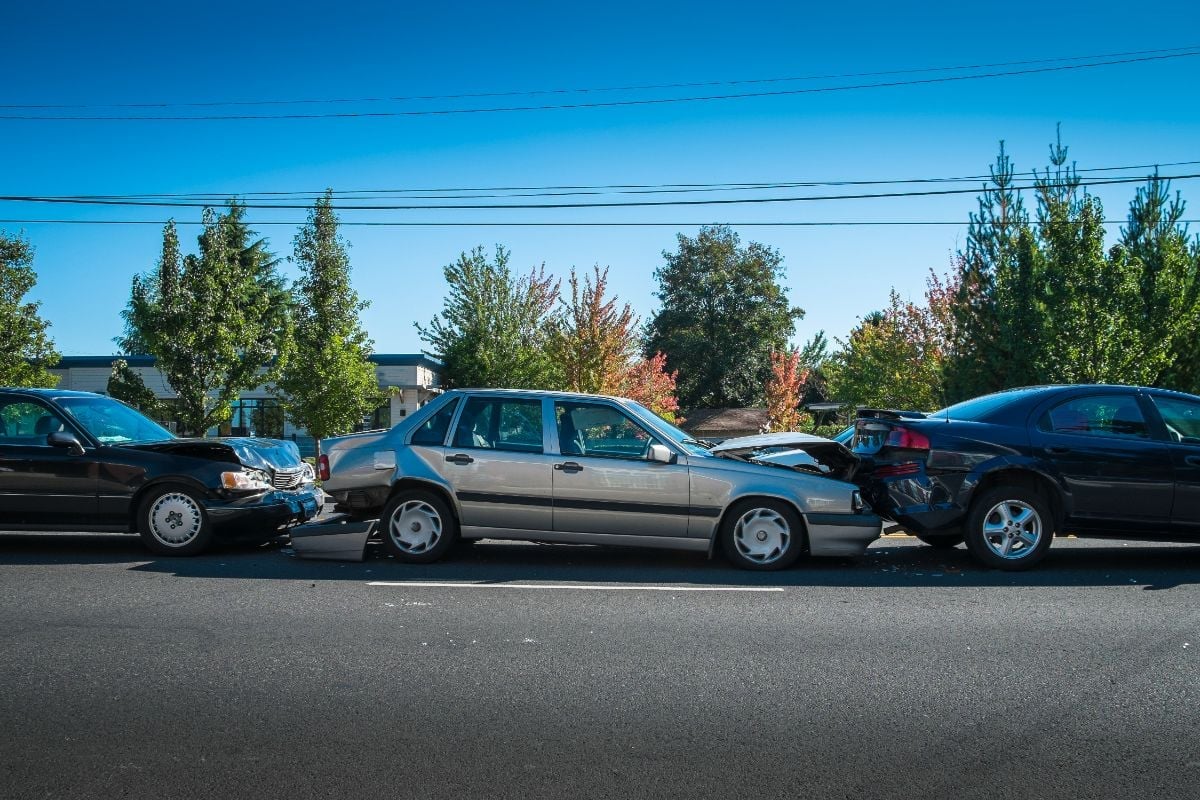
Image via Carsome
Multi-vehicle accidents are stressful, but with the right steps, you can protect yourself legally and financially
Image via zhen tang/Canva Teams
All in all, keep your insurer's hotline saved, store a simple accident checklist in your glove box, and stay clear-headed if disaster strikes.
You might not be able to avoid the crash, but you can avoid a huge mess after it.

