


 Cover image via
Follow us on Instagram, TikTok, and WhatsApp for the latest stories and breaking news.
If you frequently use navigation apps while driving in Malaysia, you might've noticed some roads are called persiaran while others are called lorong
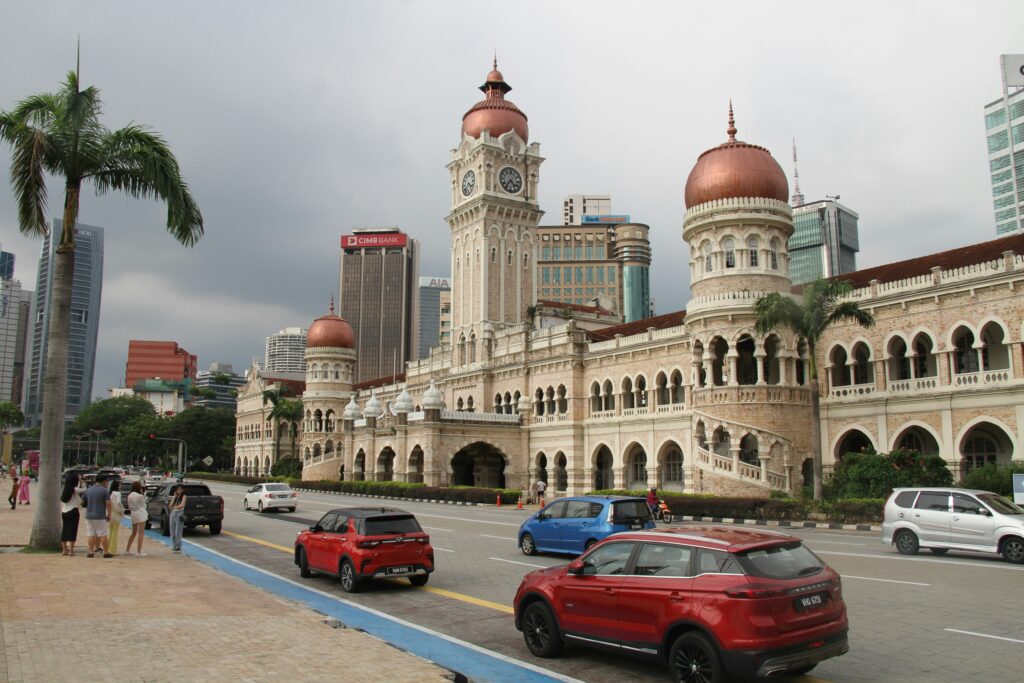
The thing is, in Malaysia, road names are not just labels for addresses. They often hint at how wide the road is, how busy it gets, and what role it plays in the transportation network.
Once you understand the logic behind them, these terms stop feeling interchangeable and start making a lot more sense, especially when you are navigating unfamiliar areas.
Here's what each type of road actually means:
Lorong usually refers to smaller roads meant for local access and are typically a short, narrow road branching off a main street
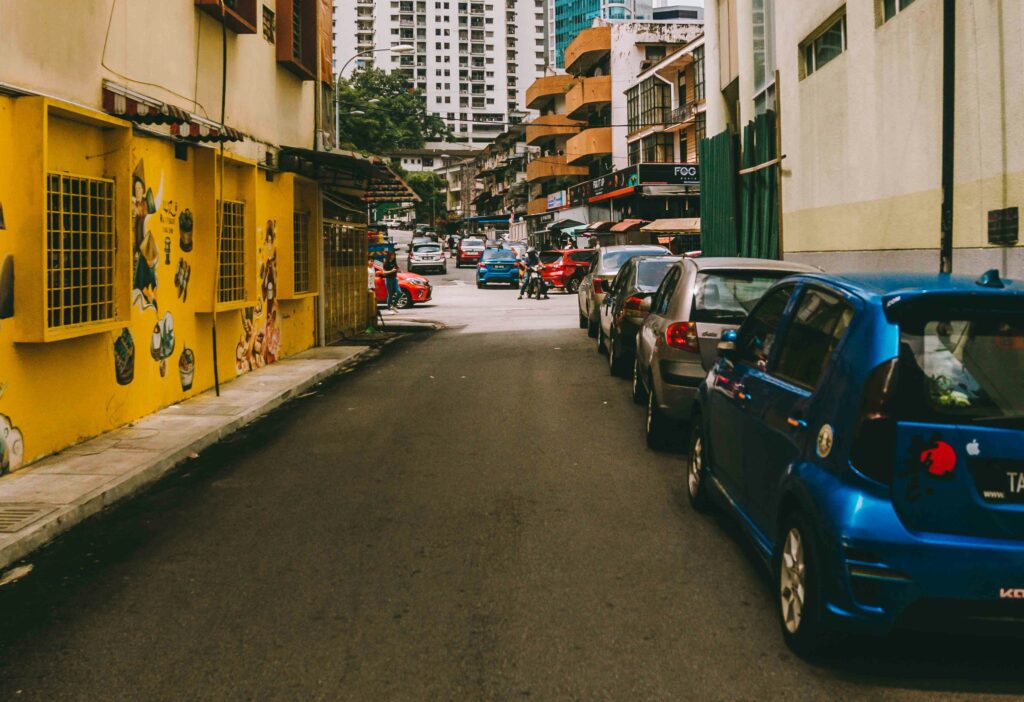
In residential neighbourhoods, lorongs function as access roads for houses, shoplots, or smaller community areas. They are common in older towns, terrace housing estates, and places that grew organically before strict urban planning kicked in.
Because lorongs are designed for local use, traffic is slower and lighter. That is why you often see numbered lorongs grouped around a single jalan, creating a grid of small, manageable streets.
Meanwhile, persiaran refers to planned roads built for smoother internal circulation. These roads are usually wider and designed to guide traffic within a township.
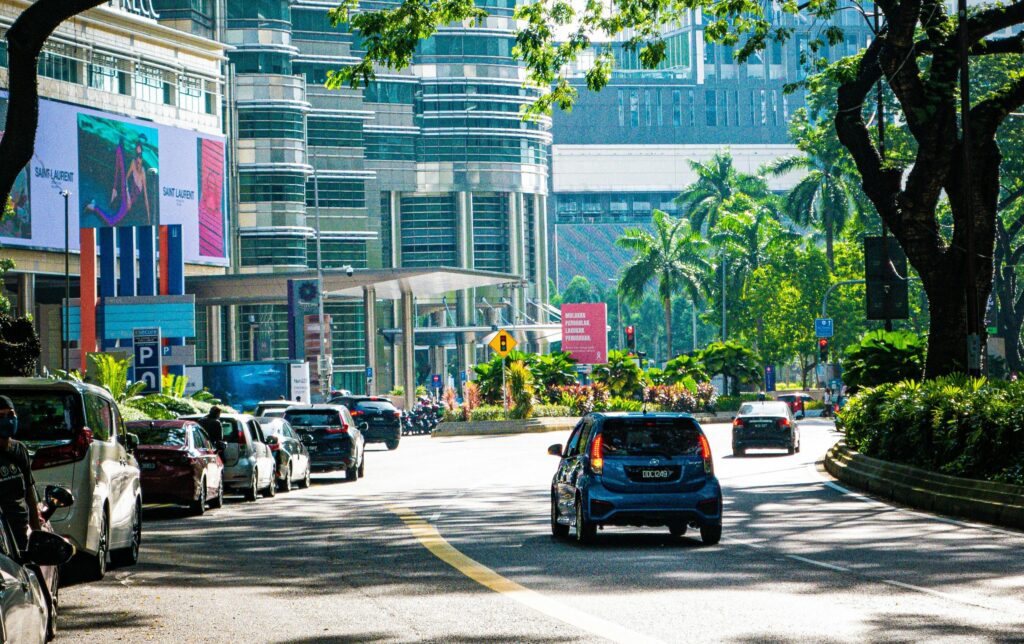
You will often find persiaran in newer developments, business parks, and master-planned suburbs. They are designed to direct vehicles efficiently between neighbourhoods without functioning as full-scale highways.
These roads tend to be straighter, better landscaped, and easier to follow. Names like Persiaran Surian or Persiaran Multimedia reflect deliberately planned roads.
Major roads that handle heavier traffic are called lebuh
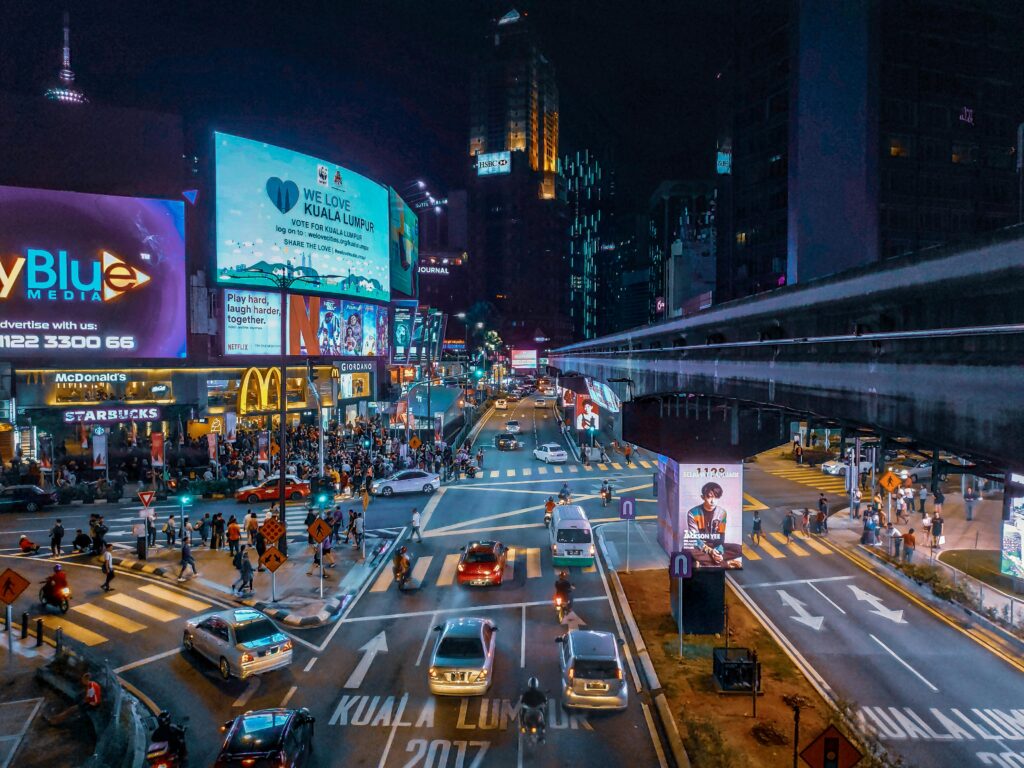
While not always as fast as a highway, a lebuh plays a bigger role than a persiaran by connecting commercial zones, city centres, or multiple districts. It often has multiple lanes, traffic lights, and higher traffic volume throughout the day.
In many ways, a lebuh functions like an avenue in other countries. Examples include Lebuh Ampang or Lebuh Pantai as they are designed to move people across areas.
Last but not least, you have highways or lebuhraya designed for fast, uninterrupted movement
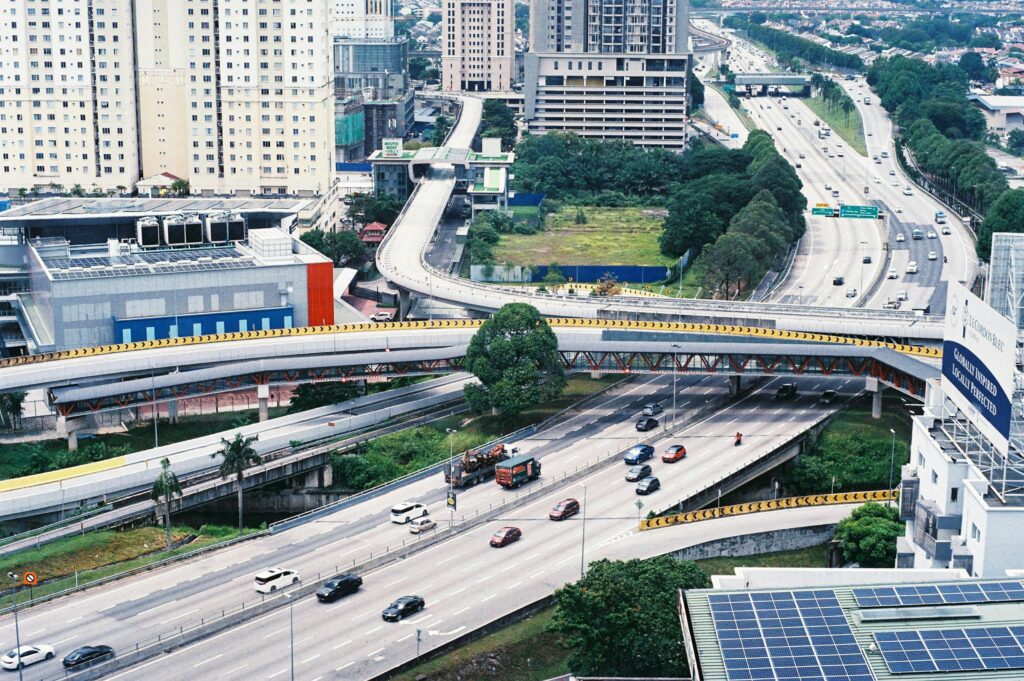
These are the roads built for intercity or interstate travel, freight transport, and long commutes. They usually feature multiple lanes, entry and exit ramps, emergency lanes, and limited access points to keep traffic flowing smoothly.
Malaysia's lebuhraya includes toll highways like the North-South Expressway (PLUS) as well as some non-tolled express routes. Speed limits are often higher, enforcement is stricter, and stopping by the roadside is generally discouraged unless it is an emergency.
There's a reason why Malaysia uses all these terms instead of just a generic jalan for every road
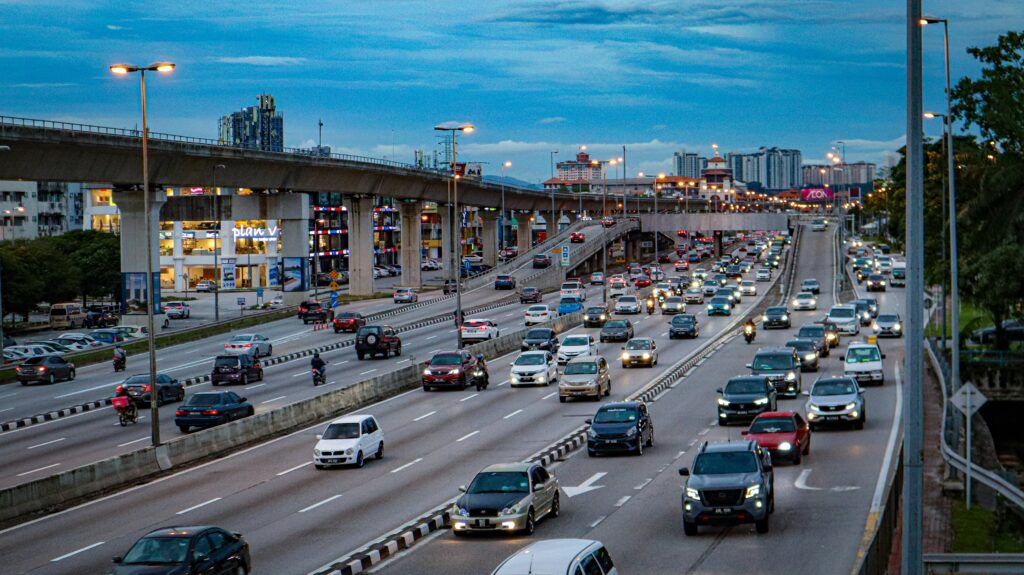
While jalan remains the most generic and widely used term, more specific labels help local councils, planners, and emergency services quickly understand a road's function. They also mirror Malaysia's urban evolution, from kampung paths and town roads to structured townships and expressways.
Not every road follows the rules perfectly, especially in older areas. Still, the name usually gives you a clue about what kind of driving experience you can expect.
For more #lifestyle stories
- Guy Questions Why This Road In Malaysia Was Built Where Cars Can't Drive Properly
- Malaysia Ranks 5th For Countries With The Most Dangerous Roads In The World
- Can You Legally Drive Barefoot Or In Slippers In M'sia? Here's What The Law Actually Says
- Why Does Putrajaya Have So Many Roundabouts, Including The World's Largest One?
