


 Cover image via Canva Teams
Follow us on Instagram, TikTok, and WhatsApp for the latest stories and breaking news.
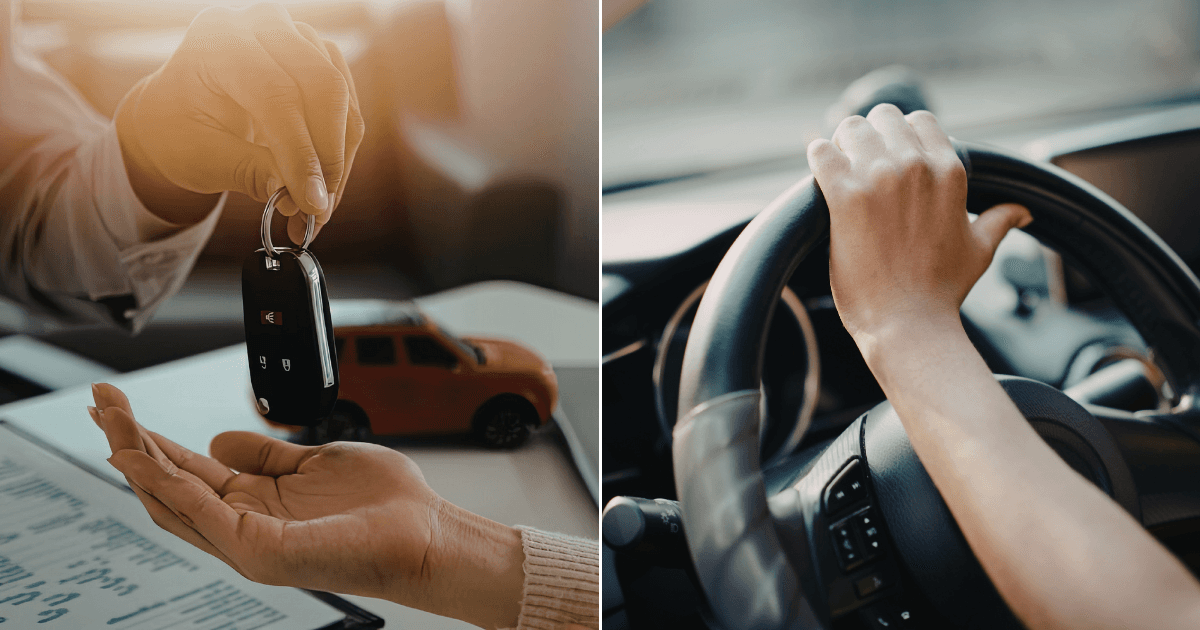
"Sambung bayar" is an informal arrangement where a car owner lets someone else take over the ongoing instalments and the car itself
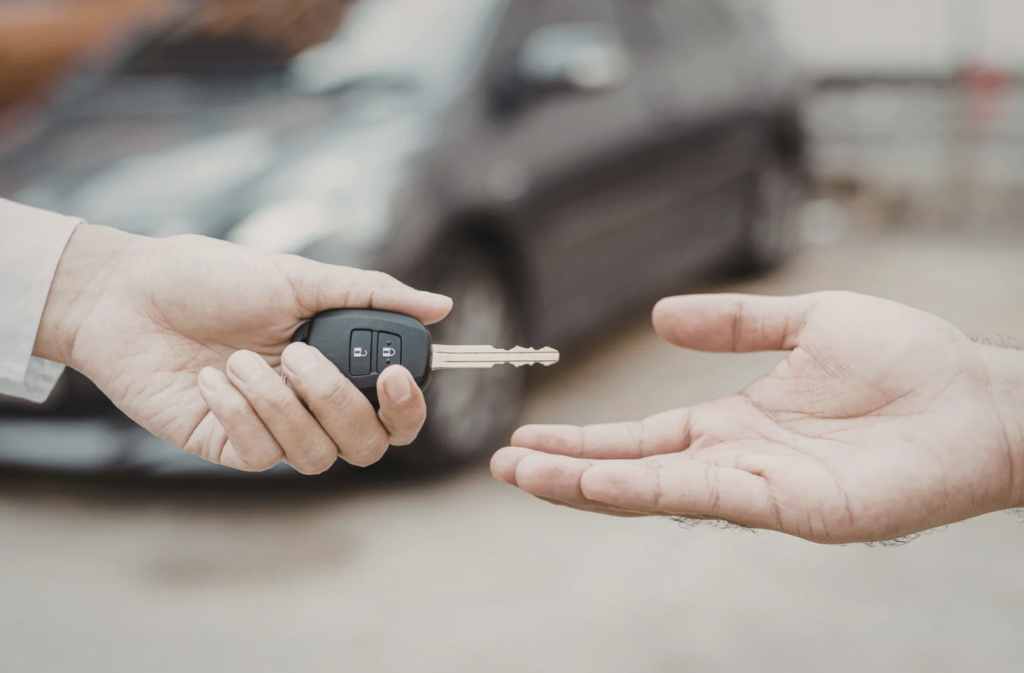
"Sambung bayar" literally means "continue paying".
It is an informal arrangement where a car owner, who still has an active bank loan, lets another person assume it, in exchange for the car itself. The buyer usually pays a deposit and then continues paying the loan directly to the seller instead of the bank.
However, the car still legally belongs to the bank and remains under the original owner's name.
There is no official ownership transfer through the Road Transport Department (JPJ), and the bank is never informed.
Why is "sambung bayar" illegal in Malaysia?

"Sambung bayar" goes against the Hire Purchase Act 1967, which states that a financed vehicle is owned by the financial institution until the loan is fully settled.
Under Section 38 of the Act, it is an offence to sell or dispose of goods under hire purchase without consent. Offenders can face:
- Fines of up to RM30,000
- Imprisonment of up to three years
- Or both
ㅤ
The arrangement is also unenforceable under the Contracts Act 1950, meaning any agreement between buyer and seller has no legal standing in court if things go wrong.
The repercussions of "sambung bayar" can be bad for both the seller and buyer

1. No legal ownership protection
The buyer does not legally own the car, even after paying months or years of instalments. If the seller decides to take the car back, there is very little legal recourse.
2. Debt and responsibility stay with the original owner
The bank still holds the seller accountable. If payments are missed, the seller's credit score is damaged, and legal action from the bank still applies to them.
3. Risk of fraud and cheating cases
If the seller disappears or takes the car back, it may fall under Section 420 of the Penal Code (cheating), a criminal offence that can lead to imprisonment and fines.
4. Vehicle seizure and enforcement issues
If the loan defaults, the bank has the right to repossess the car, regardless of who is currently using it.
5. Financial loss with no recovery
Buyers often lose both the deposit and the car if disputes arise, since the agreement is not legally protected.
So, why do people still fall for "sambung bayar" deals?

Despite the risks, "sambung bayar" continues to spread because of financial pressure and accessibility issues.
It is commonly seen across online marketplaces, WhatsApp groups, and word-of-mouth conversations offering "take over loan" deals.
These listings often highlight low monthly payments and minimal upfront cost, but rarely mention the legal risks.
In some viral cases online, buyers only discovered issues when:
- Their road tax couldn't be renewed
- JPJ flagged the vehicle
- Or the original owner stopped responding entirely
ㅤ
"Sambung bayar" might look like a financial shortcut, but it removes all legal protection from both parties.
This scheme is illegal in Malaysia for a reason
It bypasses financial laws designed to protect both banks and consumers. While it continues to circulate on social media and messaging apps, the risks are not theoretical. They are real, common, and often costly.
In short, if you're considering a similar car deal depending on just trust but no legal transfer, it's not a bargain: It's a costly gamble.
