


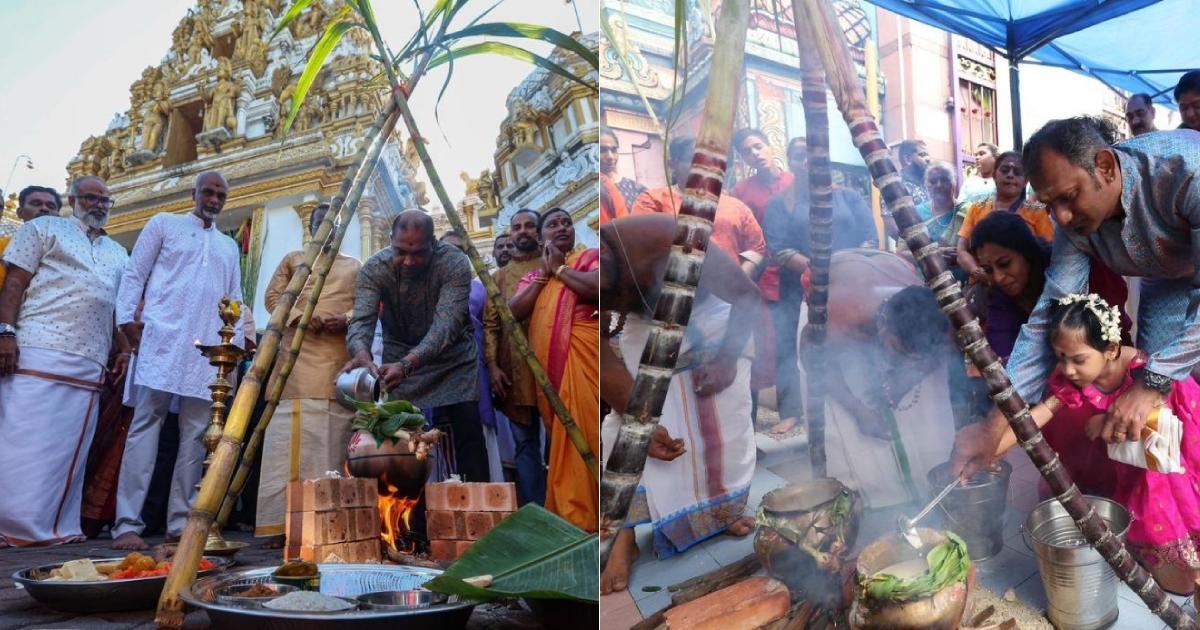
 Cover image via Bernama
Follow us on Instagram, TikTok, and WhatsApp for the latest stories and breaking news.
If you've scrolled through your Malaysian Indian friend's social media feed this morning, 15 January, and spotted videos or photos of a pot bubbling over with milk and rice while people cheer, you've just witnessed Pongal celebrations
It is one of the oldest and most meaningful Tamil festivals.
But beyond the sweet rice, sugarcane stalks placed at the entrance homes, and kolam (colourful floor patterns), what does this celebration, over 2,000 years old, actually signify?
Here's everything you need to know about Pongal, and why the Tamil community in Malaysia still celebrates it with such joy.
What does 'Pongal' mean?
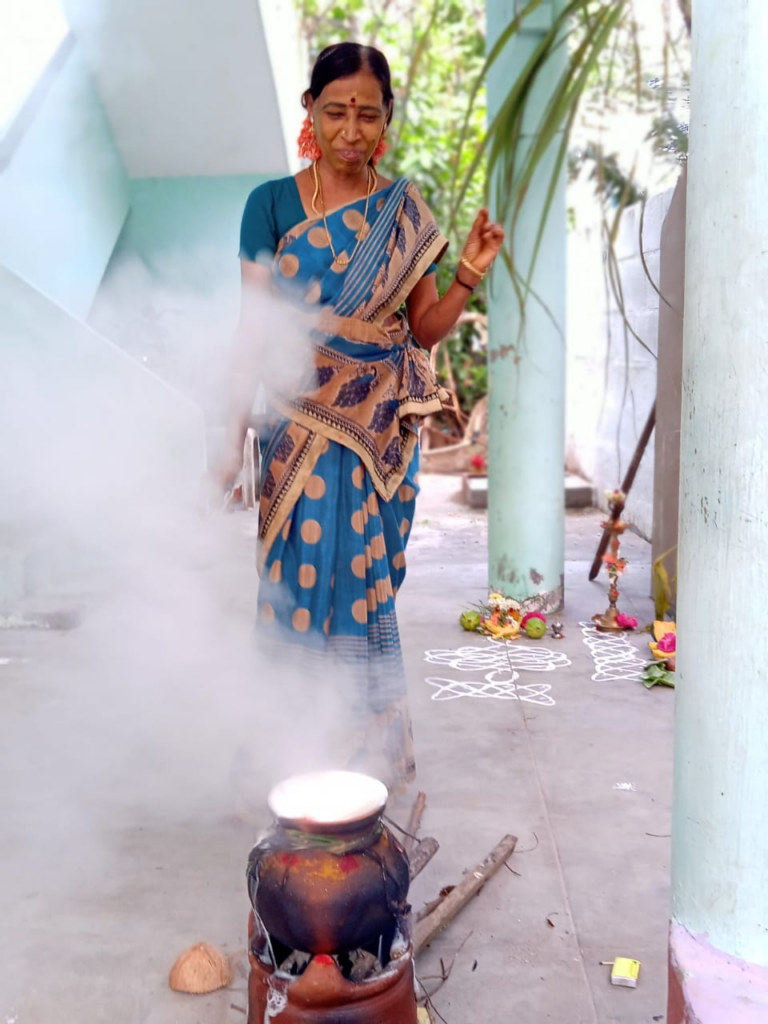
The word Pongal comes from the Tamil verb pongu, which means "to boil over" or "overflow".
While many know Pongal as a delicious rice dish, which it certainly is, the festival itself is far bigger than just food. It's a four-day celebration that honours the harvest, the sun, and the cycle of life.
Pongal marks the start of the Tamil month of Thai, the tenth month in the Tamil calendar. It also coincides with the Sun's northward journey, known as Uttarayana, which lasts for the next six months.
Even if most celebrants today aren't farmers, the festival is a time to give thanks, welcome new beginnings, and pray for prosperity in the year ahead.
The most iconic ritual takes place on the second day of the festival, known as Thai Pongal
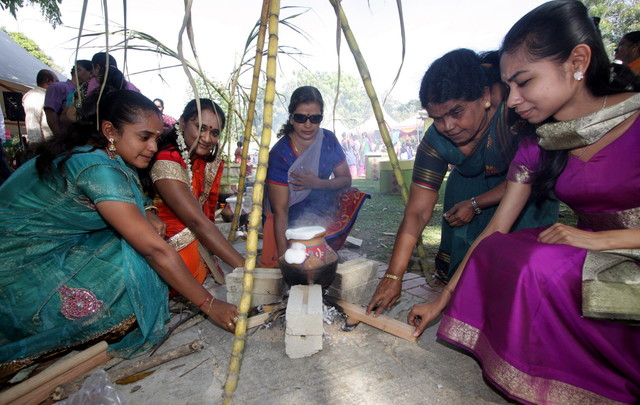
Families cook sarkarai pongal, a sweet rice dish made with jaggery, milk, and ghee, in a clay pot outdoors, often facing the sun.
As the milk rises and spills over the rim, everyone shouts "Pongalo Pongal!"
That overflow is more than a kitchen spectacle; it symbolises abundance spilling into the home, bringing prosperity and good fortune for the year ahead.
For those celebrating today, 15 January, the Malaysia Hindu Sangam (MHS) lists these as auspicious times to cook the Pongal:
- 6.10am – 7.20am
- 9.10am – 11.30am
- 4.20pm – 6.20pm
It's actually a four-day celebration
Pongal isn't a one-day festival, and each day holds its own special significance.
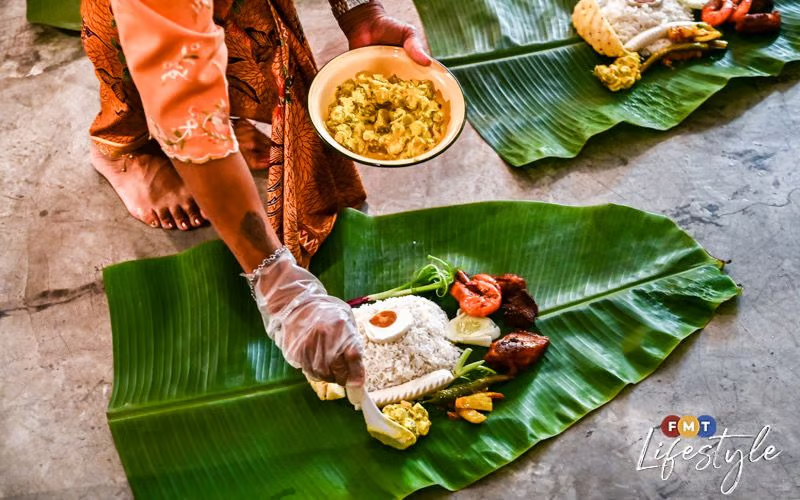
Day 1: Bhoghi Pongal – A day of renewal. Old belongings are discarded to make space for the new. In India, bonfires are lit to burn the old, but this is less common in Malaysia. The Melaka Chetti community, for instance, observes Parchu Bhogi, a feast on banana leaves to honour ancestors.
Day 2: Surya Pongal – Dedicated to the Sun God, Surya. This is the main celebration, where families cook the sweet Pongal and offer it in gratitude for life, sunlight, and the harvest.
Day 3: Mattu Pongal – A day to honour cattle, which were historically central to farming. Cows and bulls are bathed, decorated with garlands, and given special treats. In Kuala Lumpur, temples like Sri Thandayuthapani Temple Sentul in Jalan Sultan Azlan Shah host these celebrations with cattle in their compounds.
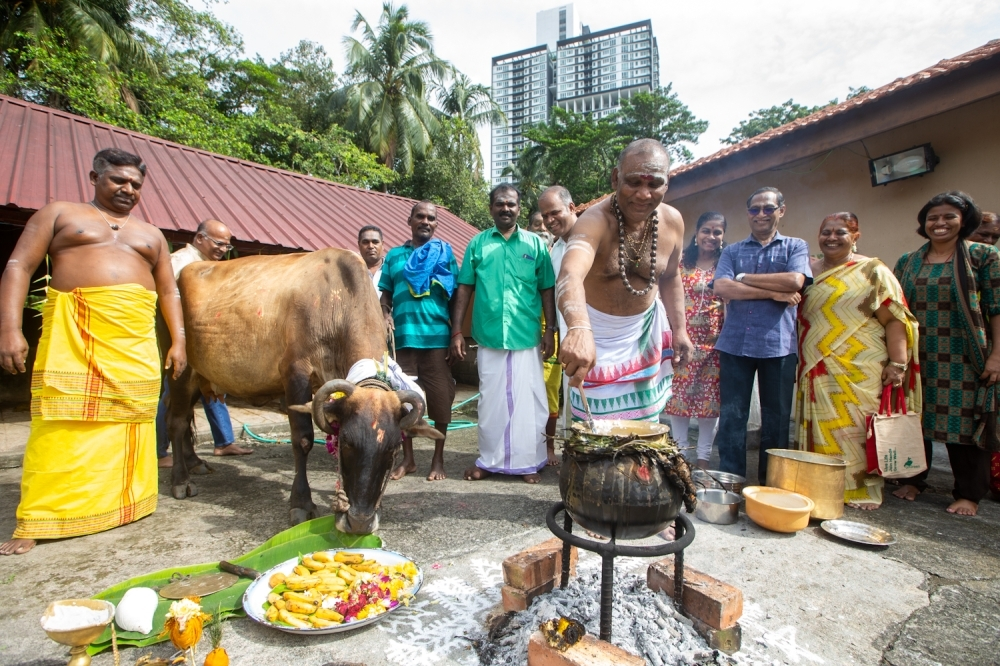
Day 4: Kaanum Pongal (or Kanni Pongal) – The social day. Families visit each other, share meals, and young unmarried women traditionally offer Pongal at temples to pray for a good marriage. Kanni means "unmarried girl", highlighting this ritual's focus on blessings for future life partners.
Kolam and the Pongal feast
Part of what makes Malaysian Pongal so visually and gastronomically vibrant is the home itself. Many homes display kolam — intricate, colourful patterns made from rice flour — at entrances. These designs aren't just decorative; they also feed small birds, ants, and insects, a gentle reminder of kindness to all living things.
Inside the home, the Pongal table is equally symbolic. Families typically serve two versions of the dish:
- Sakkarai Pongal – The sweet version, made with jaggery, ghee, cashews, and raisins.
- Venn Pongal – The savoury version, flavoured with black pepper, cumin, and ginger.
Together, the kolam and the Pongal dishes celebrate abundance, generosity, and gratitude, both to nature and to the loved ones gathered around the table.
